
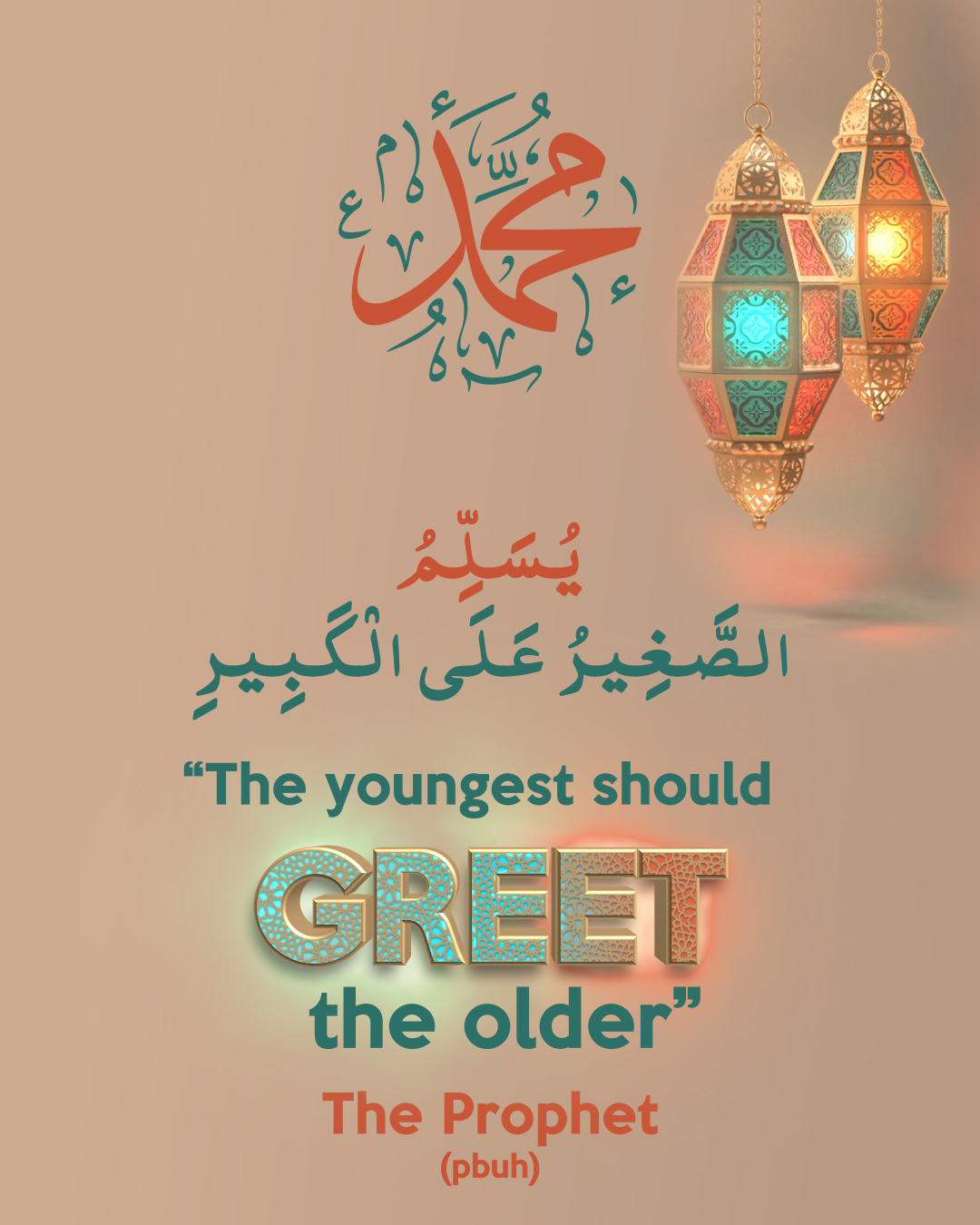
The Islamic greeting is “As-Salamu Alaikum” (peace be upon you). The Prophet (pbuh) taught that the younger should greet the older, the walking person should greet the sitting one, and the smaller group should greet the larger group. The response should be “Wa Alaikum As-Salam” or something better, such as adding “Wa Rahmatullahi Wa Barakatuh.”
“As-Salamu Alaikum” means “peace be upon you.” The word Salam is derived from one of Allah’s own names, As-Salam (The Source of Peace). Every time a Muslim uses this greeting, they are invoking peace from Allah upon the person they are addressing.
The Prophet (pbuh) instructed the younger to greet the older as a sign of respect for age and experience. In Islam, honouring elders is a core value, and initiating Salam is one of the simplest ways to express that respect in everyday life.
The Prophet Said About Greeting in Islam
يُسَلِّمُ الصَّغِيرُ عَلَى الْكَبِيرِ، وَالْمَارُّ عَلَى الْقَاعِدِ، وَالْقَلِيلُ عَلَى الْكَثِيرِ
“The youngest should greet the older and the walking person should greet the sitting one, and the small number of persons should greet the large number of persons.”
This hadith lays out a simple but powerful framework for greeting in Islam. The Prophet (pbuh) did not leave something as ordinary as saying Salam to chance. He established clear guidelines for who should initiate the greeting, turning an everyday encounter into an act of humility, respect, and faith.
The Manners Behind the Salam
The Prophet (pbuh) taught that the younger person should greet the older, the one walking should greet the one sitting, and the smaller group should greet the larger group. These are not random rules; they are rooted in a deeper principle of humility and initiative. The younger greets first out of respect for age. The one walking greets first because they are approaching the space of the one who is settled. The smaller group greets first as a gesture of goodwill toward the majority. In every case, the message is the same: do not wait to be greeted — be the one who starts.
What makes greeting in Islam unique is that the word itself carries weight. “As-Salamu Alaikum” means “peace be upon you,” and it is derived from one of Allah’s own names. Every time a Muslim initiates this greeting, they are invoking peace from the One who is its ultimate source. As As-Salam, the Source of Peace, Allah made this greeting a reflection of His attribute. It is not a casual hello; it is a prayer spoken aloud, a wish for safety, mercy, and blessing that begins the moment two Muslims meet.
“When you are greeted with a greeting, greet in return with what is better than it or at least return it equally.”
This verse from Surah An-Nisa adds another layer to the etiquette of greeting in Islam. It is not enough to simply return a Salam; Allah instructs believers to respond with something better. If someone says “As-Salamu Alaikum,” the response should be “Wa Alaikum As-Salam Wa Rahmatullahi Wa Barakatuh” — adding mercy and blessings to the peace. This principle of generosity in response reflects the character Islam builds in a believer: always give more than what is expected. As Al-Wadud, the Most Loving, Allah loves to see warmth and generosity in how His servants treat one another.
Why the Prophet Made Salam a Priority
The Prophet (pbuh) did not treat greeting in Islam as a minor detail. He said in another hadith that spreading Salam is one of the best deeds a Muslim can perform, and that it leads to love between people. In a community where greeting is neglected, distance grows. In a community where Salam is exchanged freely and warmly, trust and affection become natural. The Prophet (pbuh) understood that strong communities are not built on grand speeches but on small, consistent acts of kindness. Greeting someone first is one of the easiest and most rewarding of those acts.
For the believer, this hadith is a daily guide. It teaches that humility is shown not in how you respond to others but in how willing you are to reach out first. It teaches that respect for elders, consideration for those at rest, and goodwill toward larger groups are all built into a single gesture. Greeting in Islam is not a formality to rush through. It is a moment of connection, a brief prayer shared between two people, and one of the simplest ways to earn the pleasure of Allah.
Follow our YouTube, Threads and LinkedIn pages for more Islamic Quotes and reminders on the beautiful manners taught by the Prophet (pbuh).
Yes. Scholars agree that returning a greeting of Salam is obligatory (wajib) based on Quran 4:86. While initiating the Salam is a recommended sunnah, responding to it is a duty that no Muslim should neglect.
The Prophet (pbuh) taught that spreading Salam is one of the deeds that leads to entering Paradise and that it fosters love between Muslims. Saying “As-Salamu Alaikum” earns ten good deeds, adding “Wa Rahmatullah” earns twenty, and the full greeting with “Wa Barakatuh” earns thirty.
Scholars hold different views on this matter. Many contemporary scholars permit initiating Salam with non-Muslims as a gesture of kindness and good character, especially in societies where Muslims live alongside people of other faiths. Islam encourages respectful and dignified interaction with all people.
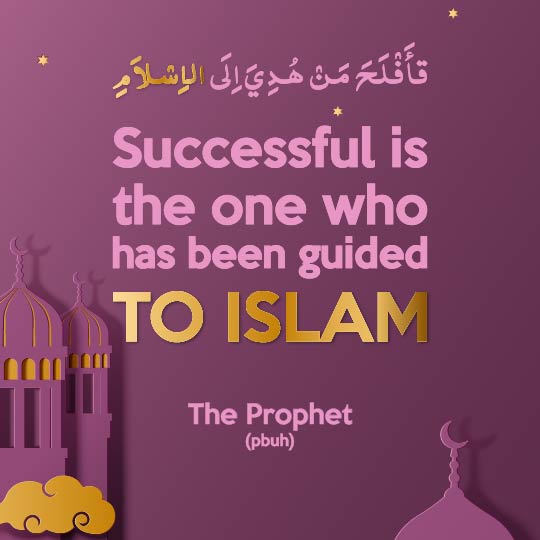
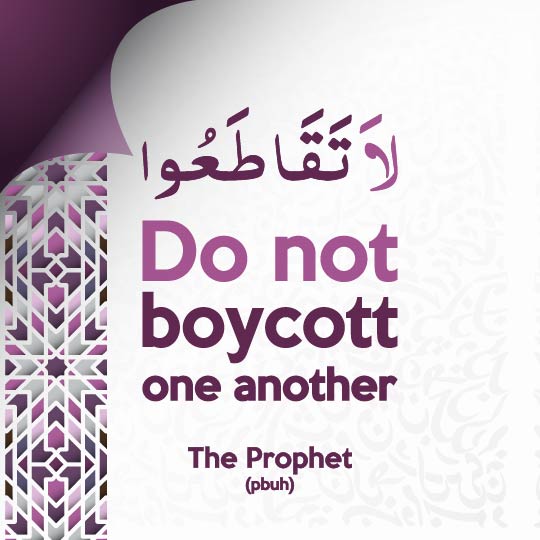
The concept of greeting in Islam is deeply rooted in the teachings of the Prophet (pbuh), emphasising its significance in promoting peace and unity among the community.
The greeting in Islam fosters a sense of belonging and strengthens social bonds within the Muslim community.
By understanding the importance of greeting in Islam, we can cultivate a culture of respect and kindness towards one another.