The Prophet (pbuh) defined success as meeting three conditions: being guided to Islam, being provided with enough to live on, and being content with what Allah has given. This hadith (Ibn Majah 4138) makes it clear that success in Islam is measured by faith and inner peace, not by material wealth or social status.
The Prophet (pbuh) taught that true richness is not in having many possessions but in the richness of the soul. He described the one who is guided to Islam, given enough provision, and is content with it as truly successful. Contentment (qana’ah) is one of the highest spiritual states a Muslim can achieve.
No. Islam does not view wealth as a measure of success or a sign of Allah’s favour. The Quran describes worldly splendour as a test (Quran 20:131), and the Prophet (pbuh) defined success through faith, sufficiency, and contentment — not through accumulation of possessions.


The Prophet Said About Success in Islam
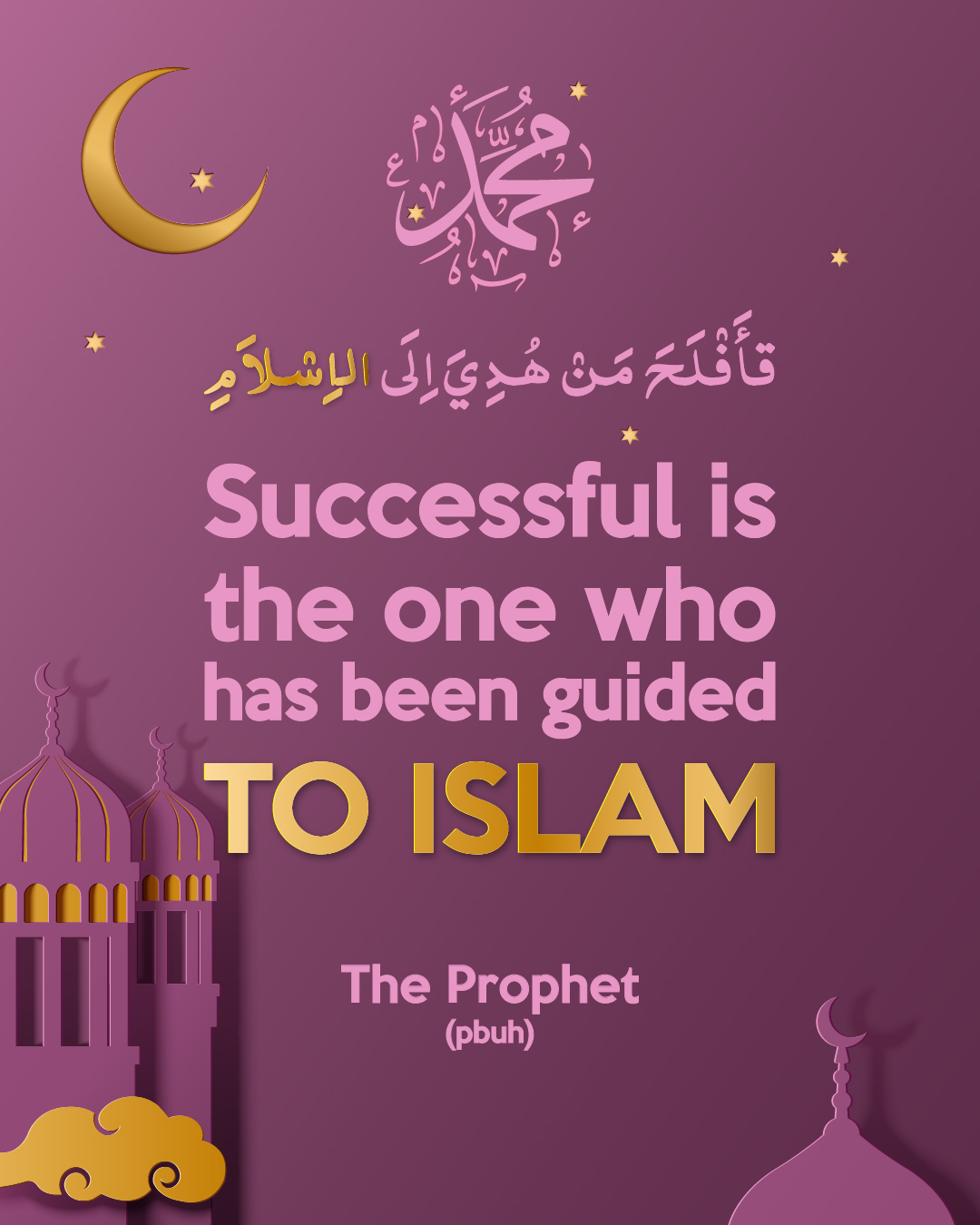
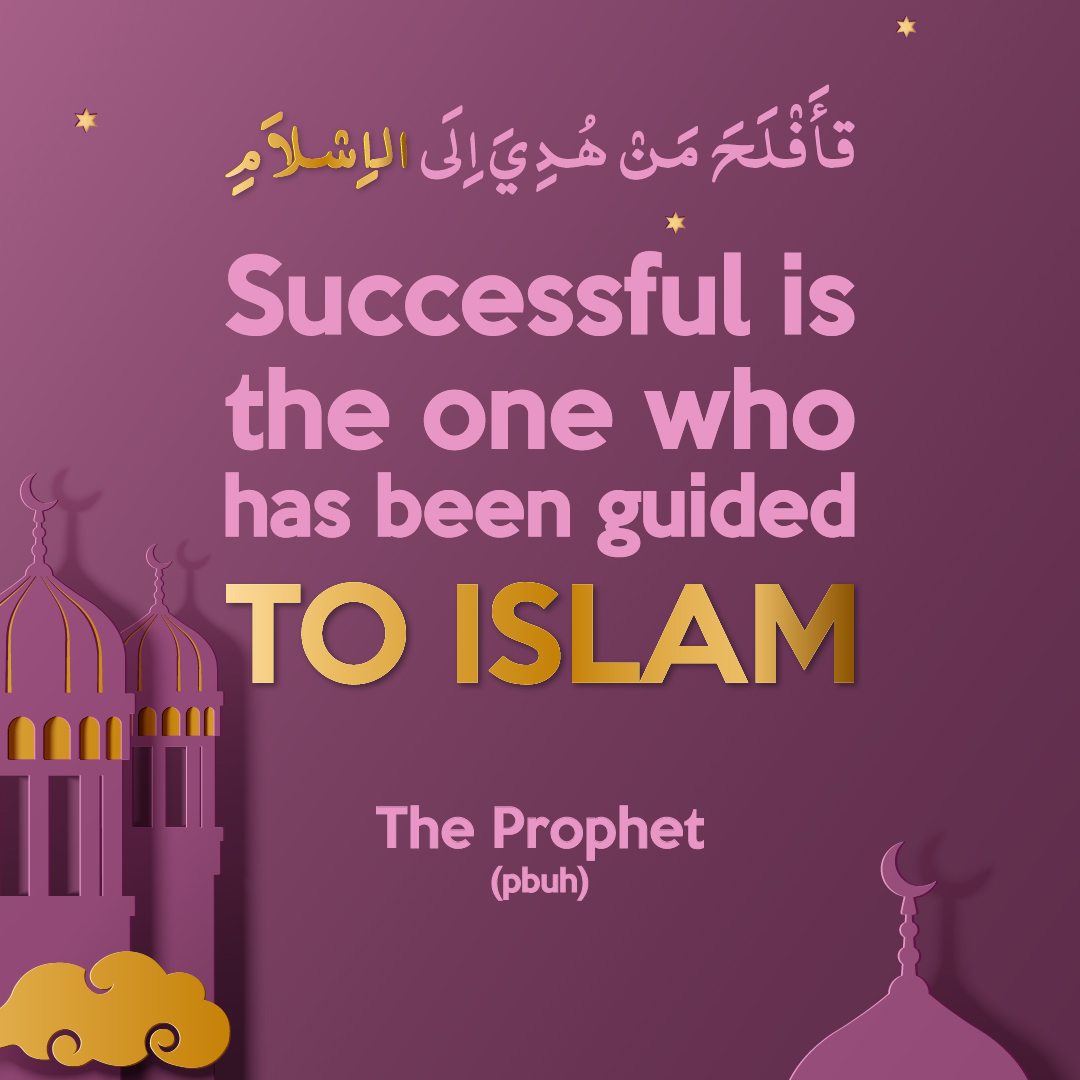
قَدْ أَفْلَحَ مَنْ هُدِيَ إِلَى الإِسْلاَمِ وَرُزِقَ الْكَفَافَ وَقَنِعَ بِهِ
“Indeed, successful is the one who has been guided to Islam, is provided with sufficiency, and is content with it.”
This hadith redefines success in Islam in a way that challenges everything the world teaches about achievement. The Prophet (pbuh) did not measure success by wealth, status, or influence. He named three conditions: being guided to Islam, being given enough, and being content with it. It is a definition that puts the heart before the bank account.
What True Success Looks Like According to the Prophet
The first condition the Prophet (pbuh) mentioned is being guided to Islam itself. Before anything else, success begins with faith. A person may have everything the world offers, but without guidance from Allah, none of it leads anywhere meaningful. The second condition is being provided with sufficiency — not excess, not luxury, but enough. The Arabic word “kafaf” means just what a person needs to live with dignity and independence. The third condition is the one most people struggle with: contentment. Having enough means nothing if the heart is always chasing more.
What makes this hadith so striking is what it leaves out. There is no mention of large houses, prestigious positions, or growing wealth. Success in Islam, as the Prophet (pbuh) defined it, is an internal state — not an external one. A person who has been guided to faith, who has enough to live on, and who is genuinely satisfied with what Allah has given them has already achieved what most people spend their entire lives pursuing. As Ar-Razzaq, the Provider, Allah decides what each person receives, and trusting that provision is itself an act of worship.
“Do not extend your eyes toward that which We have given some of them to enjoy, the splendour of worldly life by which We test them. The provision of your Lord is better and more enduring.”
This verse from Surah Ta-Ha delivers a direct warning from Allah to anyone tempted by what others possess. The wealth, comfort, and luxury that some enjoy are described not as blessings to envy but as tests to endure. When read alongside the hadith about success in Islam, the message is unmistakable: the person who has enough and is content has already passed a test that many who appear wealthy are still failing. As Ash-Shakur, the Most Appreciative, Allah recognises and rewards those who are grateful for what they have, no matter how modest it may seem.
Why Contentment Is the Key to Everything
The Prophet (pbuh) taught that true richness is not in having many possessions but in the richness of the soul. This hadith is the practical application of that teaching. A believer who is content does not waste their energy comparing themselves to others. They do not feel cheated when someone else is given more. They do not define their worth by what they own. Instead, they channel their energy into gratitude, worship, and serving others. This inner peace is what success in Islam actually looks like — and it is available to every Muslim regardless of their financial situation.
For the Muslim living in a world that constantly pushes for more — more money, more status, more recognition — this hadith is a powerful anchor. It reminds the believer that Allah has already defined what it means to succeed, and it does not look like what society promotes. Faith, sufficiency, and contentment. Three conditions, none of which require a person to be wealthy, famous, or powerful. The Prophet (pbuh) gave Muslims a definition of success that no economy can take away and no crisis can shake.
Explore our YouTube, X and Pinterest pages for more Islamic Quotes and reminders on what truly matters in Islam.
The Prophet (pbuh) said that true richness is the richness of the soul, not the abundance of possessions. In Islam, a person who has enough to live on and is genuinely content with what Allah has provided is wealthier than someone who owns much but is never satisfied.
“Kafaf” is an Arabic word meaning sufficiency — having just enough to meet one’s needs without excess or deprivation. It refers to a provision that covers food, shelter, clothing, and basic living requirements. The Prophet (pbuh) described this level of provision as one of the three pillars of true success.
A Muslim can practise contentment by regularly expressing gratitude to Allah, avoiding comparison with those who have more, looking at those who have less as a reminder of blessings, trusting that Allah’s provision is always wise, and remembering that success is defined by faith and inner peace — not material wealth.