Righteousness in Islam (taqwa) means being conscious of Allah in every action, fulfilling obligations like prayer and zakat, treating others with justice and kindness, and avoiding what Allah has forbidden. It is the foundation of a Muslim’s relationship with their Creator.
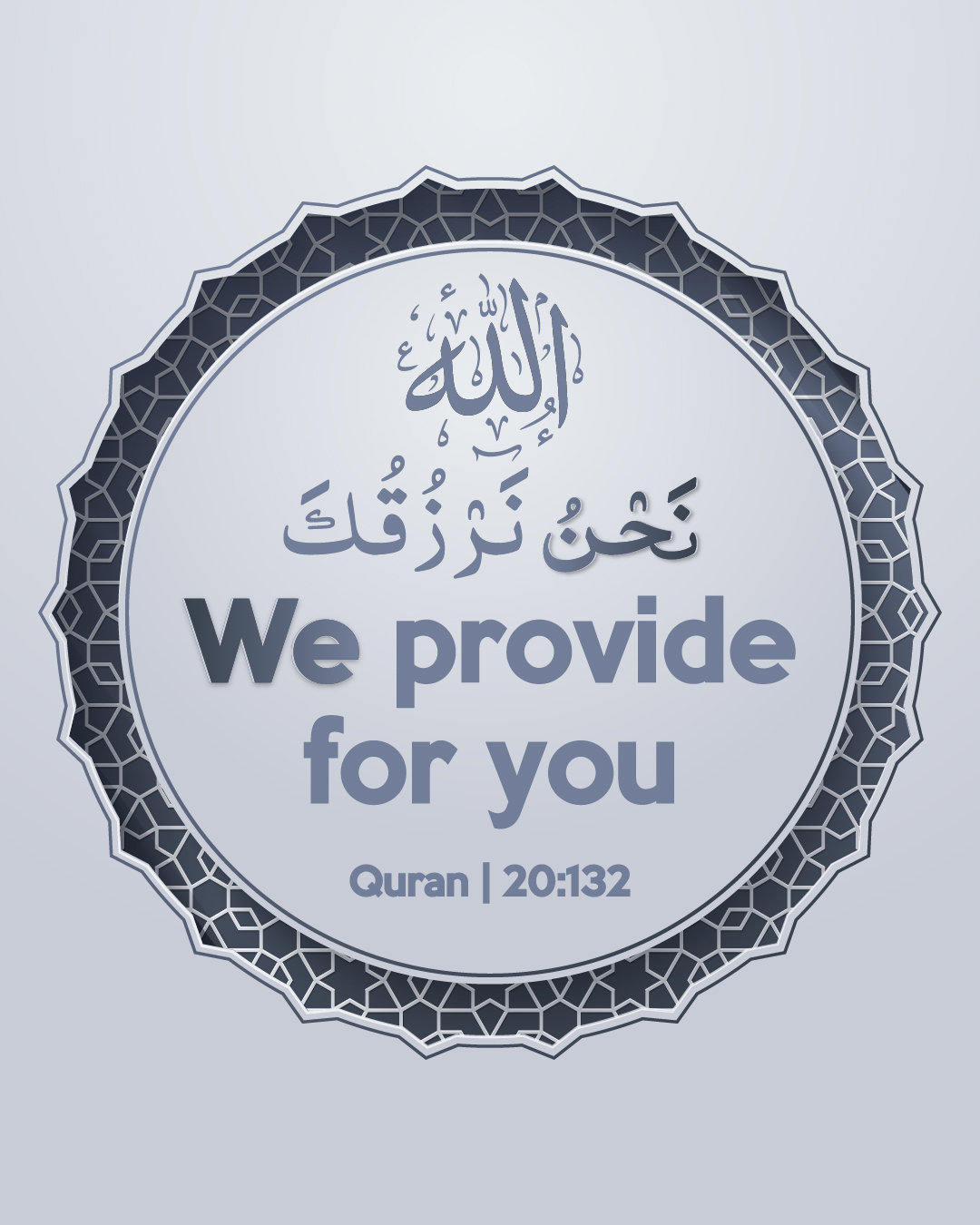
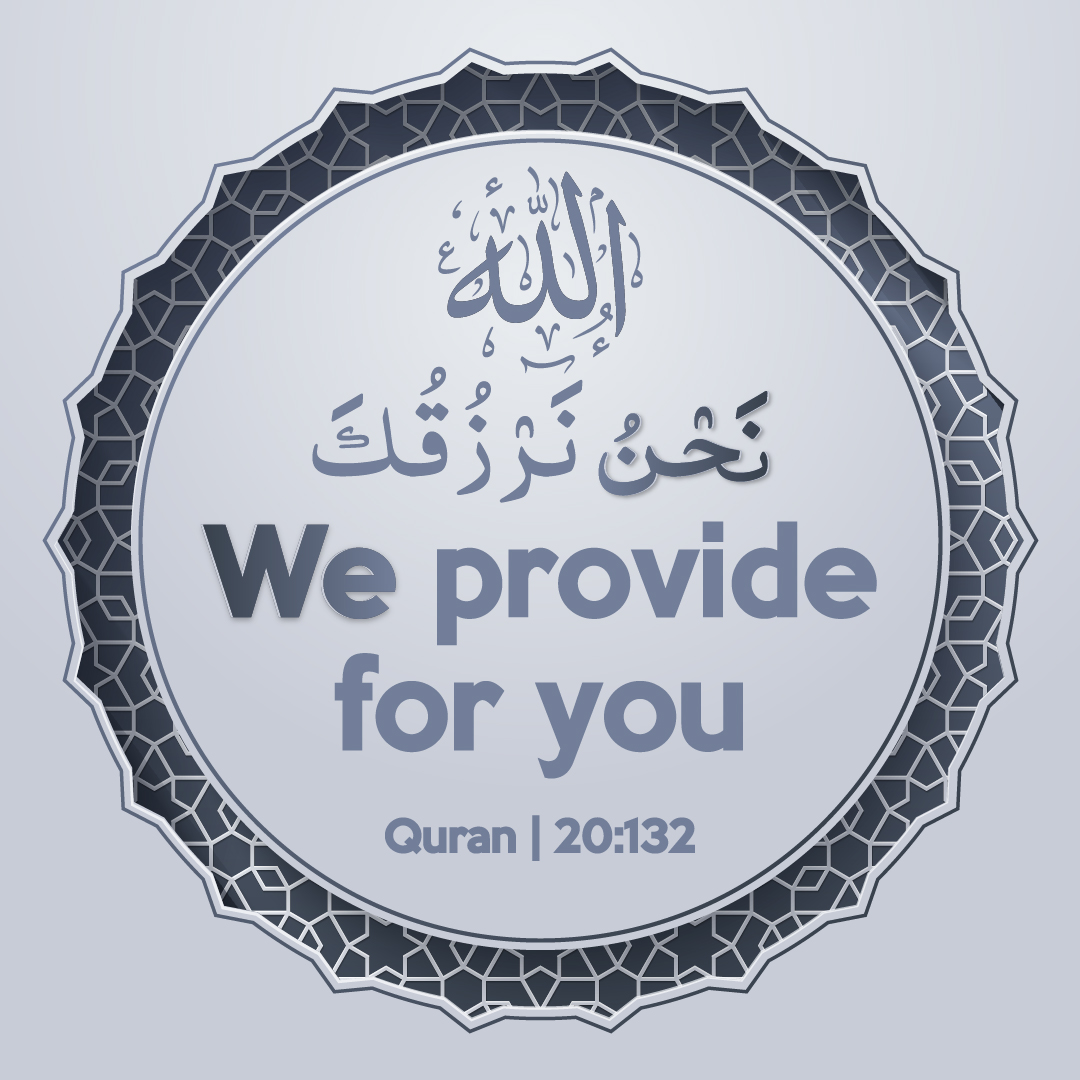
Allah says in Quran 20:132 that He does not ask believers for provision — He provides for them. This is reinforced in Quran 65:2-3, where Allah promises to provide from unexpected sources for those who fear Him.
Prayer is the most visible expression of faith and the first act a Muslim will be asked about on the Day of Judgement. Teaching family to pray ensures that righteousness is not limited to one person but extends through generations.

Allah Says About Righteousness in Islam
وَاۡمُرۡ اَہۡلَکَ بِالصَّلٰوۃِ وَاصۡطَبِرۡ عَلَیۡہَا ؕ لَا نَسۡـَٔلُکَ رِزۡقًا ؕ نَحۡنُ نَرۡزُقُکَ ؕ وَالۡعَاقِبَۃُ لِلتَّقۡوٰی ﴿۱۳۲﴾
“And enjoin your family to pray and be steadfast in it. We do not ask you for provision. We provide for you. The best outcome is for righteousness.”
This verse from Surah Ta-Ha delivers one of the most reassuring promises in the Quran. Allah commands the believer to lead their family in prayer, then removes the burden of worldly anxiety by declaring: We provide for you. The best outcome belongs to righteousness in Islam.
What Allah Promises to Those Who Choose Righteousness
Allah begins this verse with a command: enjoin your family to pray and be steadfast in it. This is not a suggestion but a responsibility placed on every Muslim who leads a household. Prayer is the first and most visible expression of righteousness in Islam, and teaching it to one’s family is how that righteousness is passed from one generation to the next. The verse then shifts to a powerful reassurance: We do not ask you for provision. Allah makes it clear that He is not in need of anything from His creation. The relationship flows in one direction — from His generosity to the believer.
The final phrase — “the best outcome is for righteousness” — is the heart of this verse. Allah does not promise that the righteous will have the easiest life or the most wealth. He promises them the best outcome. In Arabic, “al-aqibah” refers to the final result, the conclusion of all things. This means that no matter what a believer faces along the way, the ending belongs to those who stayed on the path of taqwa. As Ar-Razzaq, the Provider, Allah takes full responsibility for sustaining those who prioritise worship over worldly pursuit.
“And whoever fears Allah, He will make a way out for him and provide for him from where he does not expect. And whoever relies upon Allah, then He is sufficient for him.”
This verse from Surah At-Talaq reinforces the same promise. Allah links taqwa — the consciousness of Him — directly to provision and relief. When a believer chooses righteousness, they are not choosing poverty or hardship. They are choosing the path on which Allah personally guarantees a way out and unexpected sustenance. As Al-Wakeel, the Trustee, Allah is sufficient for anyone who places their reliance on Him rather than on their own limited efforts.
How to Build a Life Around Righteousness in Islam
Righteousness in Islam is not a single act or a seasonal commitment. It is a daily discipline built on prayer, honesty, patience, and trust in Allah’s plan. This verse teaches that the starting point is the home. A Muslim who prays but neglects to teach their family has fulfilled only part of the obligation. The Prophet (pbuh) said that every one of you is a shepherd and is responsible for their flock. Leading a family in righteousness means creating an environment where prayer is natural, consistent, and valued.
For the believer worried about how righteousness and worldly provision can coexist, this verse removes the tension entirely. Allah does not ask you to choose between faith and livelihood — He promises to handle the provision Himself. The only thing asked of the believer is steadfastness in prayer and commitment to what is right. Righteousness in Islam is not a sacrifice that leads to loss; it is an investment that guarantees the best return — both in this life and in the life to come.
Follow our YouTube, TikTok and Pinterest for more Islamic Quotes and reminders on righteousness in Islam.
Allah says in Quran 20:132 that the best outcome (al-aqibah) is for righteousness. This means that regardless of what a believer faces, the final result belongs to those who stayed on the path of taqwa.
Start with consistent prayer, teach your family to pray, be honest in your dealings, avoid what Allah has forbidden, give charity, and trust Allah’s provision. Righteousness is built through daily habits, not grand gestures.
Yes. Allah explicitly says He provides for the believer and promises in Quran 65:2-3 to make a way out and provide from unexpected sources for those who are conscious of Him.
Taqwa is the Arabic word for God-consciousness or righteousness. It means being aware of Allah in everything you do, making choices that align with His commands, and avoiding actions that displease Him. It is considered the highest spiritual quality a Muslim can develop.