Allah promises in Quran 25:70 to replace the evil deeds of those who repent with good ones. In Quran 39:53, He says not to despair of His mercy, as He forgives all sins.
Yes. Quran 25:70 explicitly states that for those who repent, believe, and do righteous deeds, Allah will replace their evil deeds with good ones.
No. As long as a person is alive and sincere, repentance is accepted. Allah says in Quran 39:53 that He forgives all sins and encourages believers never to despair of His mercy.






The Quran Says About Repentance in Islam
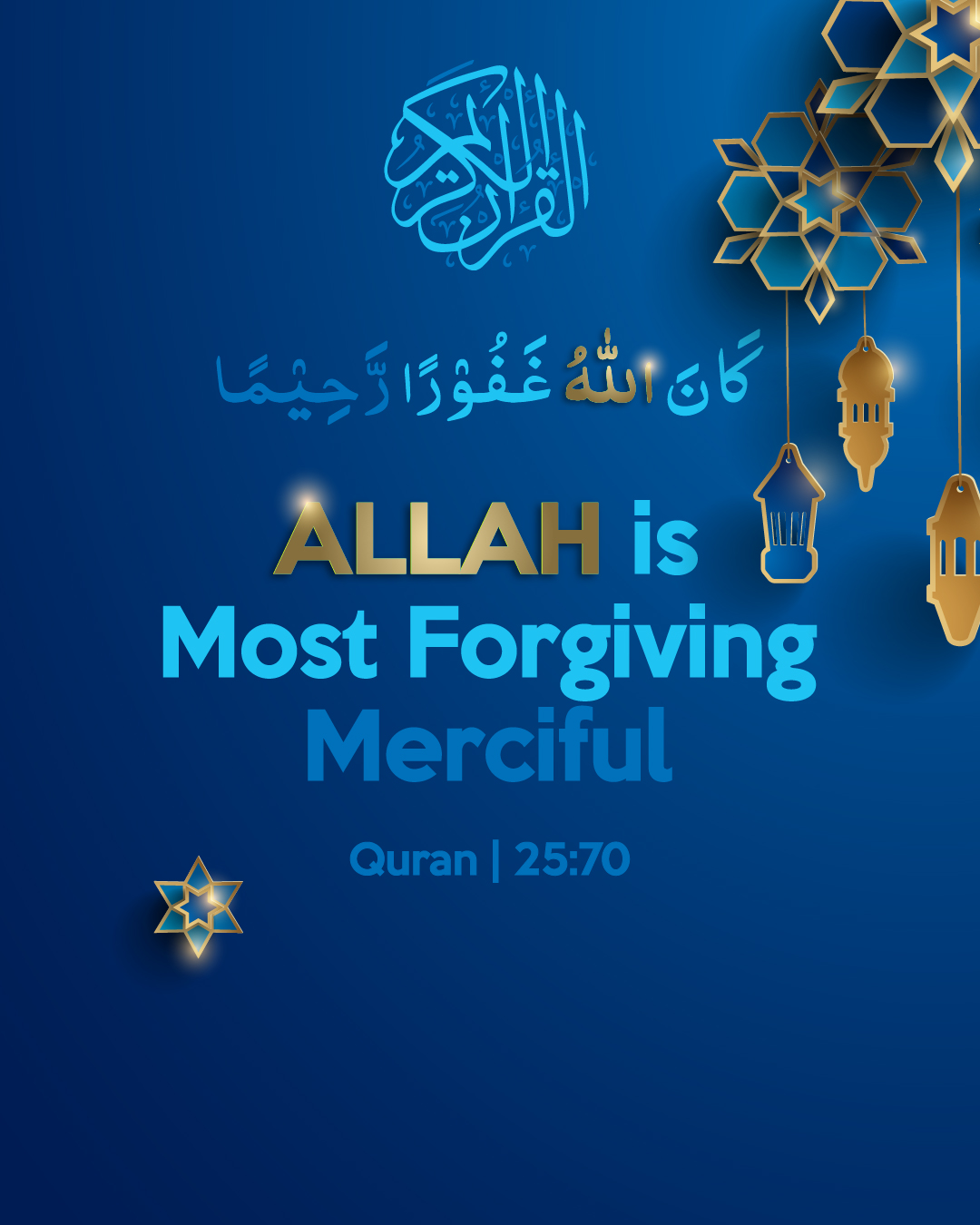
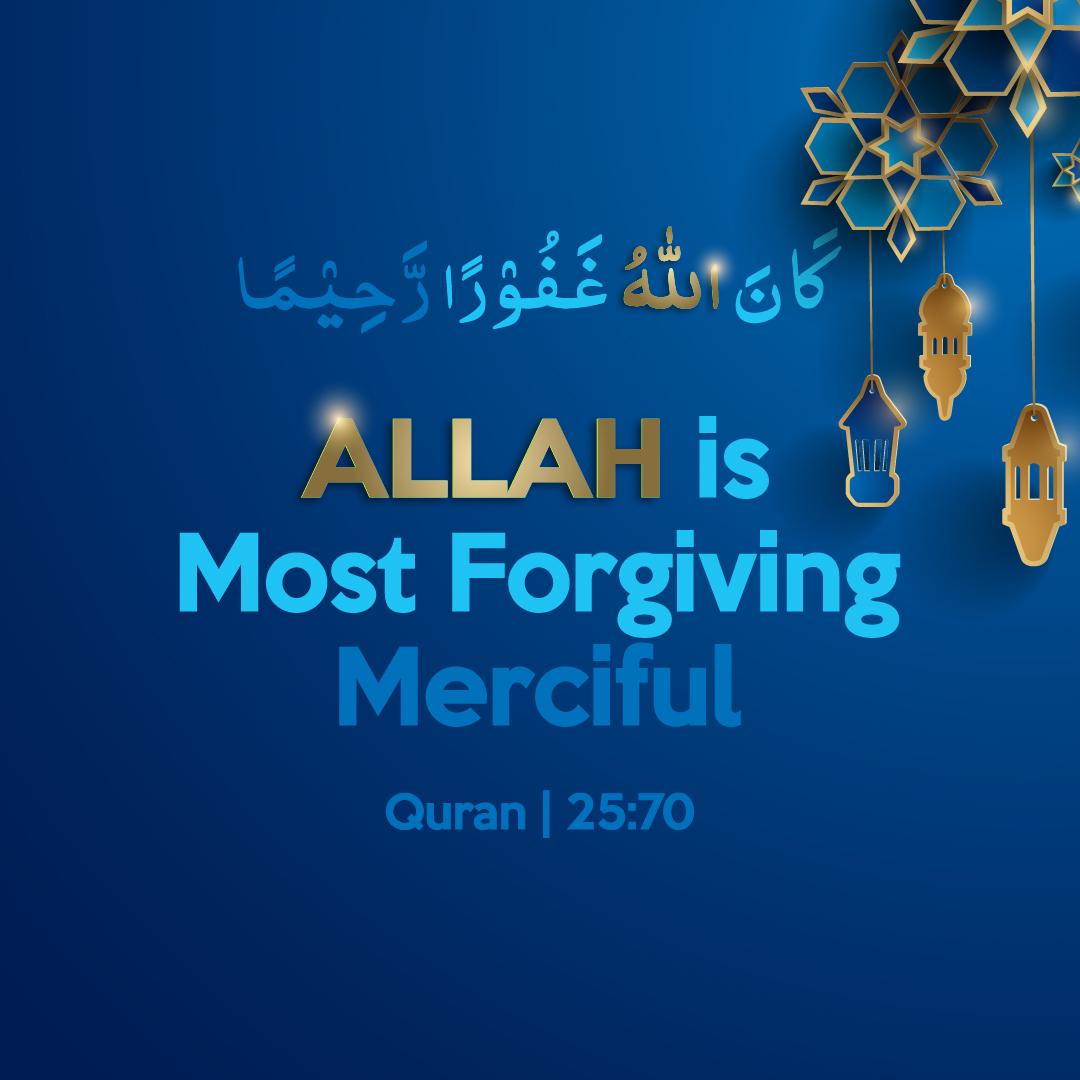
اِلَّا مَنۡ تَابَ وَاٰمَنَ وَعَمِلَ عَمَلًا صَالِحًا فَاُولٰٓئِکَ یُبَدِّلُ اللّٰہُ سَیِّاٰتِہِمۡ حَسَنٰتٍ ؕ وَکَانَ اللّٰہُ غَفُوۡرًا رَّحِیۡمًا ﴿۷۰
“Except those who repent, believe, and do righteous deeds. For them, Allah will replace their evil deeds with good ones. And Allah is Most Forgiving, Most Merciful.”
This verse from Surah Al-Furqan contains one of the most extraordinary promises in the Quran. Allah does not merely forgive the sins of those who repent — He replaces them with good deeds. Repentance in Islam is not just an eraser; it is a transformation.
The Promise That Changes Everything
The verses preceding this one describe some of the gravest sins: associating partners with Allah, murder, and adultery. The punishment for these is severe. But then comes the word “except” — and with it, a door swings open. Allah says that those who repent, believe sincerely, and follow up with righteous deeds will not only be forgiven but will have their evil deeds converted into good ones. This is not merely removing a stain; it is replacing it with a jewel.
This divine mathematics defies human logic. In any worldly system, a crime leaves a permanent record. In Allah’s system, a sincere return wipes the record clean and replaces it with reward. This reflects the nature of Allah as At-Tawwab, the Acceptor of Repentance, who does not just tolerate the return of the sinner — He welcomes it and rewards it beyond imagination.
“Say: O My servants who have transgressed against themselves, do not despair of the mercy of Allah. Indeed, Allah forgives all sins. Indeed, He is the Most Forgiving, the Most Merciful.”
This verse from Surah Az-Zumar is often called the most hopeful verse in the Quran. Allah addresses those who have sinned heavily — and tells them not to despair. He forgives all sins without exception for those who turn back to Him. As Al-Ghaffar, the Repeatedly Forgiving, Allah’s capacity to forgive has no ceiling and no expiry date. Repentance in Islam is never too late, and no sin is too large for His mercy.
How to Make Sincere Repentance
Scholars identify four conditions for sincere repentance: stopping the sin, feeling genuine remorse, making a firm intention not to return to it, and restoring any rights that were violated. When these conditions are met, Allah promises not just forgiveness but elevation. The Prophet (pbuh) said that Allah is happier with the repentance of His servant than a man who finds his lost camel in the desert after losing all hope — a joy beyond measure.
For the Muslim who carries the weight of past mistakes, this verse is a lifeline. No matter what you have done, repentance in Islam offers a way back. Allah does not close the door on anyone who sincerely knocks. He replaces darkness with light, punishment with reward, and despair with hope. The only person who cannot be forgiven is the one who never asks.
Follow our YouTube, Instagram and LinkedIn for more Islamic Quotes and reflections on the mercy of Allah and hope in Islam.
Sincere repentance requires four things: stopping the sin immediately, feeling genuine remorse, making a firm intention not to return to it, and restoring any rights that were violated against others.
At-Tawwab means The Acceptor of Repentance. It is one of Allah’s names, indicating that He not only accepts repentance but actively encourages and welcomes it.
Yes. The verses preceding Quran 25:70 describe major sins including shirk, murder, and adultery — and then Allah opens the door of repentance for all of them.
Repentance in Islam is transformative — it does not just erase the past but redirects the future. A person who truly repents emerges stronger in faith, more aware of their weaknesses, and more grateful for Allah’s mercy.