
Explore all 114 surahs with beautiful Arabic calligraphy, English transliteration, and translations. Read, reflect, and deepen your connection with the word of Allah — surah by surah, verse by verse.


Al-Fatihah
The Opening
Al-Ma’idah
The Table Spread
Al-Baqarah
The Cow
Ali ‘Imran
The Family of Imran
An-Nisa
The Women
Al-Anfal
The Spoils of War
The Holy Quran: Read, Listen, and Understand the Word of Allah
The Holy Quran is the final revelation from Allah to mankind, sent down through the Angel Jibreel to the Prophet Muhammad (pbuh) over a period of 23 years. It is the ultimate source of guidance, law, wisdom, and spiritual healing for over 1.8 billion Muslims around the world — a Book whose words have remained unchanged since they were first revealed over 1,400 years ago, preserved letter by letter in their original Arabic, fulfilling Allah’s own promise: “Indeed, it is We who sent down the Quran, and indeed, We will be its guardian” (15:9).
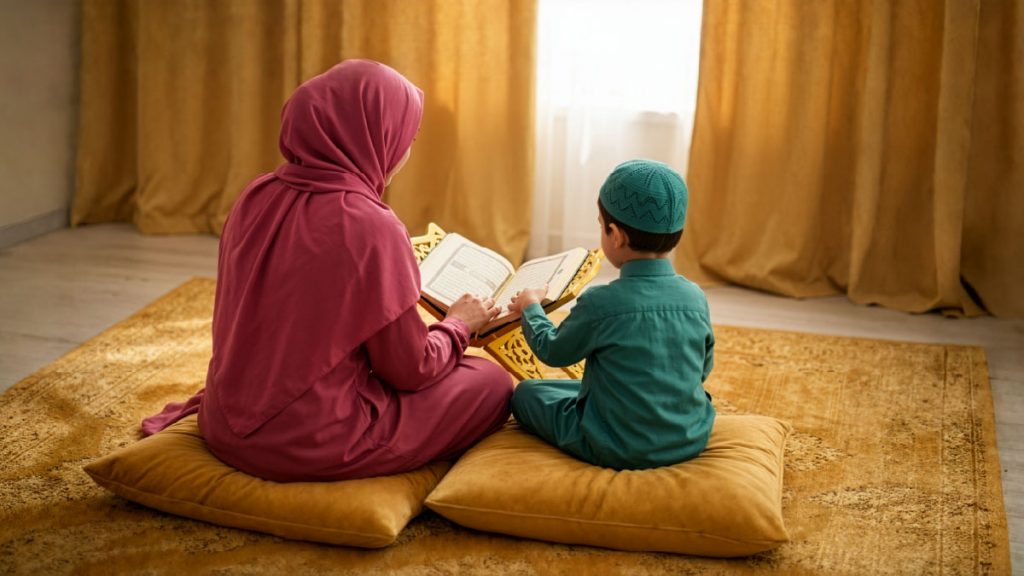
The Holy Quran is not simply a book to be placed on a shelf — it is the living, breathing word of the Most Gracious, meant to be recited daily, memorised, reflected upon, and lived by. Its 114 surahs and 6,236 verses address every dimension of human existence: from the nature of Allah and the purpose of creation, to the details of family life, justice, finance, and the afterlife. Whether you are reading Surah Al-Fatihah for the first time or returning to Surah Yasin for the thousandth, the Quran meets you where you are and takes you further.
إِنَّ هَـٰذَا ٱلْقُرْءَانَ يَهْدِى لِلَّتِى هِىَ أَقْوَمُ وَيُبَشِّرُ ٱلْمُؤْمِنِينَ ٱلَّذِينَ يَعْمَلُونَ ٱلصَّـٰلِحَـٰتِ أَنَّ لَهُمْ أَجْرًا كَبِيرًا
“Indeed, this Quran guides to that which is most suitable and gives good tidings to the believers who do righteous deeds that they will have a great reward.”
What Is the Holy Quran?
The Holy Quran — Al-Quran Al-Kareem — is the speech of Allah revealed to the Prophet Muhammad (pbuh) through the Angel Jibreel over a period spanning the Meccan and Madinan periods of his prophethood (610–632 CE). It is the central religious text of Islam, the foundation of Islamic law (Shari’ah), and the primary source of guidance for every Muslim. The word “Quran” itself comes from the Arabic root q-r-a, meaning “to read” or “to recite” — and it was with the command “Read!” (96:1) that the first verses were revealed to the Prophet (pbuh) in the Cave of Hira, launching the final chapter of divine guidance to humanity.
Muslims believe the Quran is the literal, unaltered word of Allah — not the words of Muhammad (pbuh), not the work of any human author, but divine speech preserved exactly as it was revealed. This belief is supported by the Quran’s own testimony (15:9) and by the unbroken chain of memorisation (hifz) that has transmitted every letter across more than 1,400 years. Today, millions of huffaz (those who have memorised the entire Quran) carry it in their hearts — a phenomenon unique in the history of world scripture.
The Structure of the Holy Quran: 114 Surahs, 30 Juz, 6,236 Verses
The Holy Quran is composed of 114 surahs (chapters), arranged roughly from longest to shortest. The surahs range from the seven-verse Surah Al-Fatihah (The Opening) and the three-verse Surah Al-Kawthar (Abundance) to the 286-verse Surah Al-Baqarah (The Cow), the longest chapter. Each surah carries a unique name drawn from a key theme, story, or image within it — names like Ar-Rahmaan (The Most Gracious), Al-Mulk (The Sovereignty), Maryam (Mary), and Yasin (the Heart of the Quran).
The best of you are those who learn the Quran and teach it.
The surahs are classified into two categories based on where they were revealed. Meccan surahs (86 surahs) were revealed in Makkah before the Prophet’s (pbuh) migration and tend to focus on the foundations of faith — the oneness of Allah (tawheed), the Day of Judgement, and the stories of earlier prophets. These surahs are often shorter, with powerful, rhythmic language that stirred the hearts of those who heard them. Madinan surahs (28 surahs) were revealed in Madinah and address the practical needs of the growing Muslim community — legislation on prayer, fasting, Hajj, marriage, finance, warfare, and social conduct.
The Quran is also divided into 30 equal sections called juz (plural: ajza), a practical division that allows Muslims to complete a full recitation over the course of a month — a tradition especially cherished during the blessed month of Ramadan, when the Quran was first revealed. The month of Ramadan, the Quran tells us, is “the month in which the Quran was revealed as a guidance for the people and clear proofs of guidance and criterion” (2:185).
The Major Themes of the Holy Quran
Tawheed — The Oneness of Allah

The central and most pervasive theme of the Holy Quran is tawheed — the absolute oneness of Allah. From the opening prayer of Al-Fatihah to the closing refuge of An-Nas, the Quran calls humanity to recognise, worship, and submit to the one true God — the Most Gracious, the Most Merciful, the Creator, the Sovereign. The purest expression of tawheed is found in Surah Al-Ikhlas: “Say: He is Allah, the One. Allah, the Eternal Refuge. He neither begets nor is born, nor is there to Him any equivalent” (112:1–4) — four verses that the Prophet (pbuh) said are equivalent to one-third of the entire Quran.
The Stories of the Prophets
The Quran narrates the stories of 25 prophets, including Adam, Nuh (Noah), Ibrahim (Abraham), Musa (Moses), Isa (Jesus), and Muhammad (peace be upon them all). These are not mere historical accounts — they are living lessons in patience, sacrifice, trust, and unwavering faith in Allah’s plan. The story of Yusuf (Joseph) is called “the best of stories” (12:3); the story of Musa and Fir’awn is the most frequently retold narrative in the Quran, appearing in over 70 surahs; and the story of Maryam and Isa is the Quran’s most detailed engagement with the Christian tradition.
Guidance for Every Aspect of Life
The Holy Quran provides comprehensive guidance on how Muslims should live — from the five daily prayers and the fasting of Ramadan to the intricacies of marriage, divorce, inheritance, business ethics, and conflict resolution. Surah Al-Baqarah alone contains legislation on fasting (2:183), Hajj (2:196), marriage and divorce (2:221–242), the prohibition of riba (2:275), and the longest single verse in the Quran — the verse of debt (2:282). Surah An-Nisa established women’s rights to inheritance, property, and protection centuries before any modern legal system. And Surah Al-Hujurat declared the equality of all human beings: “The most noble of you in the sight of Allah is the most righteous” (49:13).
From The Quran
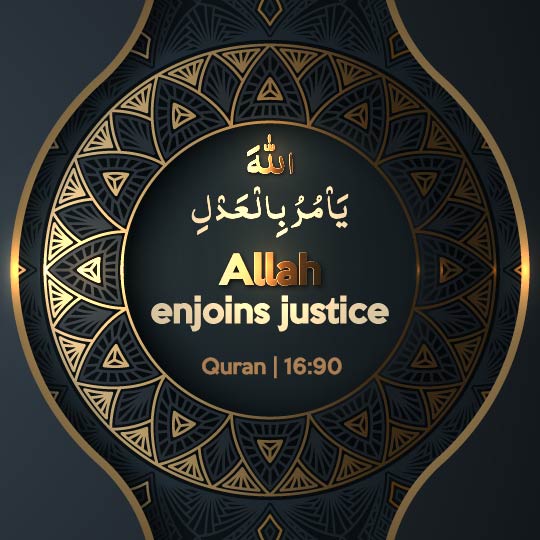
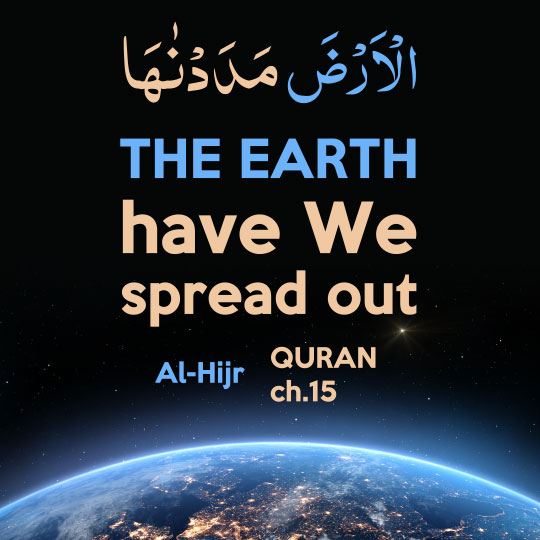
Inspirational Muslim quotes and Islamic quotes from the Holy Quran to inspire faith, guide daily life, and strengthen your connection with Allah.
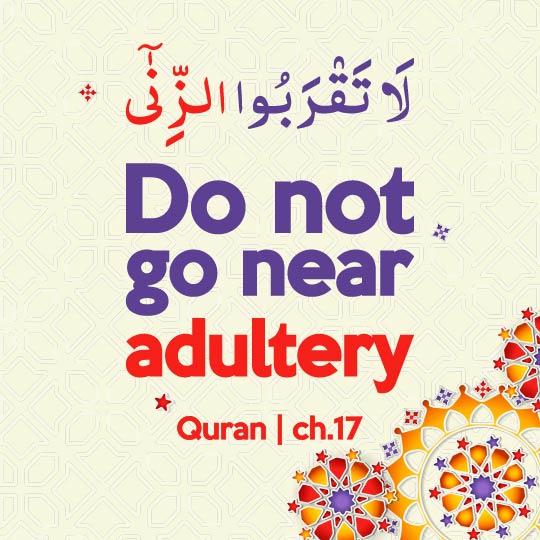

The Day of Judgement and the Afterlife
The Quran speaks extensively about the Day of Judgement, Paradise (Jannah), and the Fire (Jahannam). Surahs like Al-Waqiah divide humanity into three groups, Ar-Rahmaan describes the gardens of Paradise in breathtaking detail, and At-Takwir presents twelve cosmic catastrophes that will unfold as the universe comes apart. The Prophet (pbuh) recommended reciting At-Takwir, Al-Infitar, and Al-Inshiqaq to experience the Day of Judgement as if seeing it with one’s own eyes (At-Tirmidhi 3333).
Mercy, Forgiveness, and Hope
Despite its warnings, the Quran is overwhelmingly a Book of mercy. Allah describes Himself as the Most Forgiving, the Most Merciful, and the Accepting of Repentance. Surah Az-Zumar contains what many scholars call the most hopeful verse in the entire Quran: “Say: O My servants who have transgressed against themselves, do not despair of the mercy of Allah. Indeed, Allah forgives all sins” (39:53). And Surah Ad-Duha, revealed to console the Prophet (pbuh) during his most difficult moment, carries a message that has comforted millions: “Your Lord has not abandoned you, nor has He detested you” (93:3).
Say: O My servants who have transgressed against themselves, do not despair of the mercy of Allah. Indeed, Allah forgives all sins.
The Virtues of Reading and Reciting the Holy Quran
The Prophet Muhammad (pbuh) said: “Whoever recites a letter from the Book of Allah will receive a good deed, and each good deed is multiplied tenfold” (At-Tirmidhi 2910). He also said: “Recite the Quran, for it will come on the Day of Resurrection to intercede for its companions” (Sahih Muslim 804). The Quran is not just a text to be studied — it is an act of worship in itself. Every letter recited earns reward, every verse reflected upon brings light, and every surah memorised becomes an advocate for its reciter before Allah.
Certain surahs carry specific virtues established by the Prophet (pbuh). Surah Al-Baqarah drives Shaytan from the home (Sahih Muslim 780). Surah Al-Kahf, recited every Friday, provides light and forgiveness between the two Fridays (Al-Hakim). Surah Al-Mulk, recited nightly, protects from the punishment of the grave (At-Tirmidhi 2891). Surah Al-Waqiah, recited nightly, is a shield against poverty (Al-Bayhaqi). And Surah Yasin, the Heart of the Quran, is recommended for recitation upon the dying (Abu Dawud 3121). These practices connect the believer to the Quran not as a distant text but as a daily spiritual companion.
Whoever recites a letter from the Book of Allah will receive a good deed, and each good deed is multiplied tenfold.
The Surahs Every Muslim Should Know
While every surah of the Quran is the word of Allah and carries immense value, the Prophet Muhammad (pbuh) singled out several surahs for their extraordinary virtues. Surah Al-Fatihah is the greatest surah, required in every unit of prayer. Surah Al-Baqarah and Ali ‘Imran are the two radiant surahs that will intercede on the Day of Judgement (Sahih Muslim 804). Surah Al-Ikhlas is equivalent to one-third of the Quran (Sahih Al-Bukhari 5015). And Surah Al-Falaq and Surah An-Nas — the Mu’awwidhatayn — are the two surahs of protection that the Prophet (pbuh) adopted above all other forms of seeking refuge (At-Tirmidhi 2058).
Beyond these, every Muslim benefits from building a relationship with the surahs that speak to their circumstances. Surah Yusuf for patience in suffering. Surah Ad-Duha and Ash-Sharh for consolation in hardship. Surah Luqman for parenting guidance. Surah Ar-Rahmaan for experiencing the beauty of divine mercy. Surah Al-Kahf for navigating the trials of faith, wealth, knowledge, and power. The Quran has a surah for every moment — and the more deeply you engage with it, the more you discover that it has been speaking to you all along.
And We have certainly made the Quran easy for remembrance, so is there any who will remember?
How to Begin Reading the Holy Quran
If you are new to the Holy Quran, the best place to start is Surah Al-Fatihah — the seven-verse prayer that opens the Quran and is recited in every unit of every prayer. From there, many scholars recommend the short surahs at the end of the Quran (Juz ‘Amma, surahs 78–114), which are concise, powerful, and among the first portions memorised by Muslims around the world. Surahs like Al-Ikhlas, Al-Falaq, An-Nas, Al-Asr, and Al-Kawthar can be memorised in minutes yet carry lifetimes of meaning.
For a deeper engagement, explore the longer surahs that shape the Muslim’s daily and weekly practice: Al-Baqarah for comprehensive guidance, Al-Kahf for the weekly Friday recitation, Al-Mulk for nightly protection, and Yasin for contemplation of life, death, and resurrection. Every surah on this site is presented with Arabic text, English translation, and commentary to help you read, understand, and connect with the word of Allah — however you choose to begin.
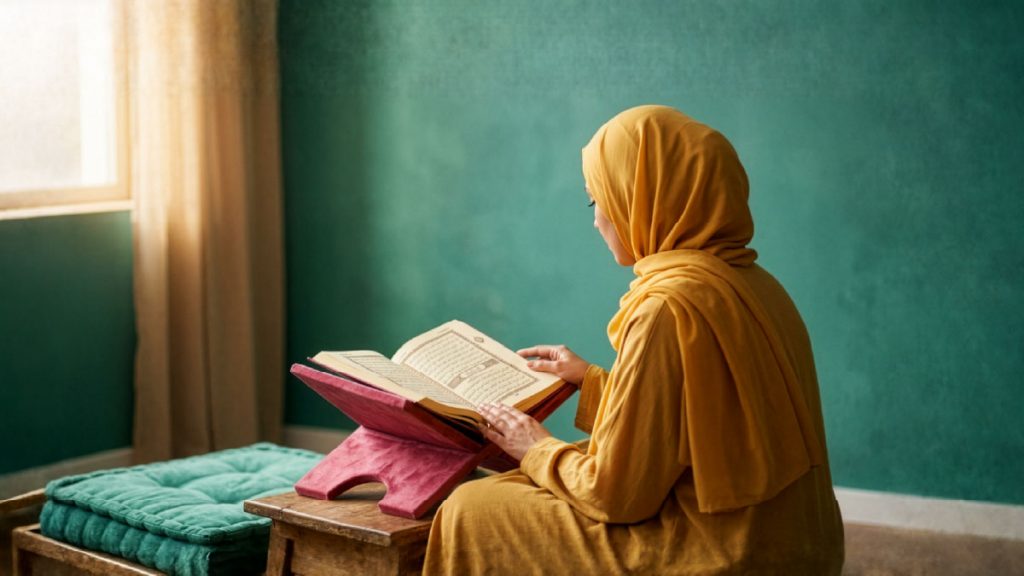
Explore Every Surah of the Holy Quran
Browse all 114 surahs above, each presented with Arabic calligraphy, the surah name, number, and English translation of its title. Select any surah to read its verses, explore its meaning, and reflect on its timeless guidance. Each surah features beautifully designed artwork ready to save and share on Instagram, Facebook, WhatsApp, X, Pinterest, and TikTok — perfect for daily reminders, Islamic education, or inspiring your community with the eternal words of Allah.
What is the Holy Quran?
The Holy Quran is the final revelation from Allah to mankind, revealed to the Prophet Muhammad (pbuh) through the Angel Jibreel over 23 years. It consists of 114 surahs and 6,236 verses covering every aspect of faith, worship, law, and daily life. Muslims believe it is the literal, unaltered word of Allah, preserved in its original Arabic for over 1,400 years.
How many surahs are in the Holy Quran?
The Holy Quran contains 114 surahs (chapters), ranging from the 7-verse Surah Al-Fatihah to the 286-verse Surah Al-Baqarah. The surahs are classified as Meccan (86 surahs, focused on faith and the afterlife) or Madinan (28 surahs, focused on law and community life). The Quran is also divided into 30 equal parts called juz for monthly recitation.
Which surah should I read first in the Quran?
Begin with Surah Al-Fatihah — the opening chapter recited in every prayer. Then explore the short surahs at the end of the Quran (Juz ‘Amma, surahs 78–114), such as Al-Ikhlas, Al-Falaq, An-Nas, and Al-Asr. For deeper study, scholars recommend Surah Al-Baqarah for comprehensive guidance, Al-Kahf for weekly recitation, and Yasin for spiritual reflection.
What are the benefits of reading the Quran daily?
The Prophet (pbuh) said every letter recited earns a good deed multiplied tenfold (At-Tirmidhi 2910) and the Quran will intercede for its reader on the Day of Judgement (Sahih Muslim 804). Regular recitation brings peace to the heart, barakah to the home, and protection from evil. Specific surahs carry unique benefits: Al-Baqarah drives away Shaytan, Al-Mulk protects from the grave, and Al-Kahf provides Friday light and forgiveness.
What is the difference between Meccan and Madinan surahs?
Meccan surahs (86 of 114) were revealed before the Prophet’s migration to Madinah. They focus on faith, tawheed, the Day of Judgement, and prophetic stories, with shorter verses and powerful rhythmic language. Madinan surahs (28 of 114) were revealed after the migration and address legislation, social conduct, family law, and community organisation, with longer, more detailed verses.
Which surahs did the Prophet (pbuh) recommend for regular recitation?
The Prophet (pbuh) recommended: Al-Fatihah in every prayer, Al-Baqarah for home protection (Sahih Muslim 780), Al-Kahf every Friday (Al-Hakim), Al-Mulk nightly for grave protection (At-Tirmidhi 2891), Al-Waqiah nightly against poverty (Al-Bayhaqi), Yasin for the dying (Abu Dawud 3121), and Al-Ikhlas, Al-Falaq, and An-Nas three times every morning and evening (Abu Dawud 5082).
