
Discover the blessed days, sacred months, and life occasions of Islam, from Ramadan, the two Eids, and Hajj to the milestones of birth, marriage, and farewell.
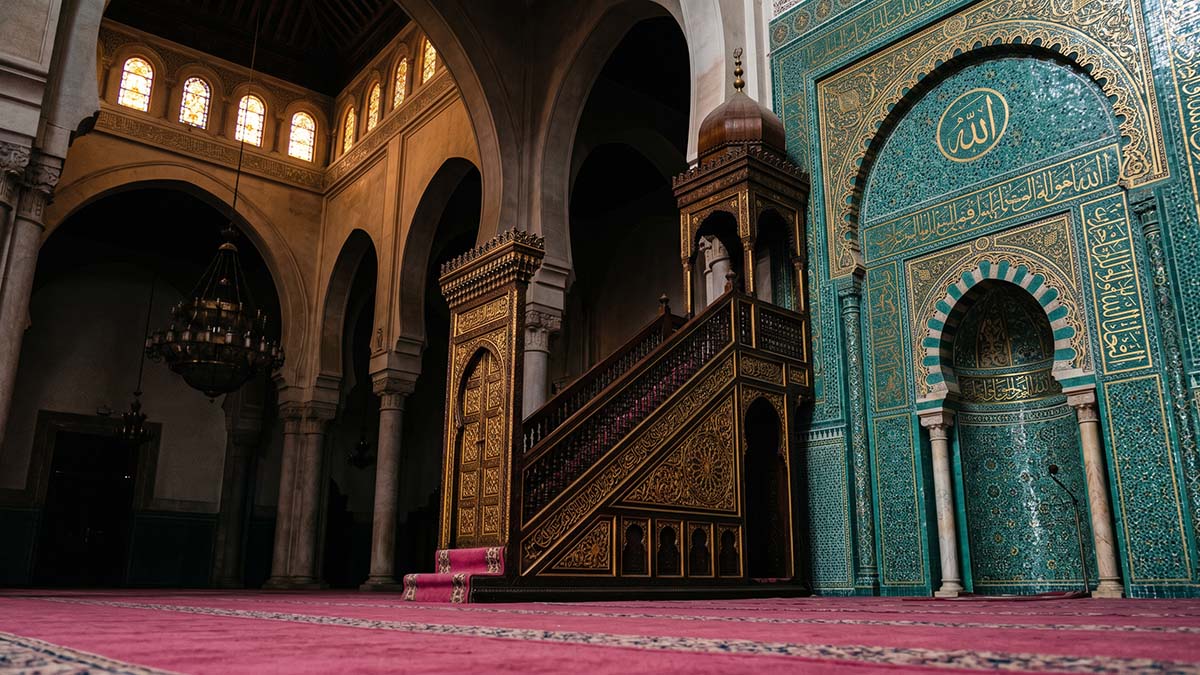
Friday Khutbah
A weekly sermon of guidance and reminder
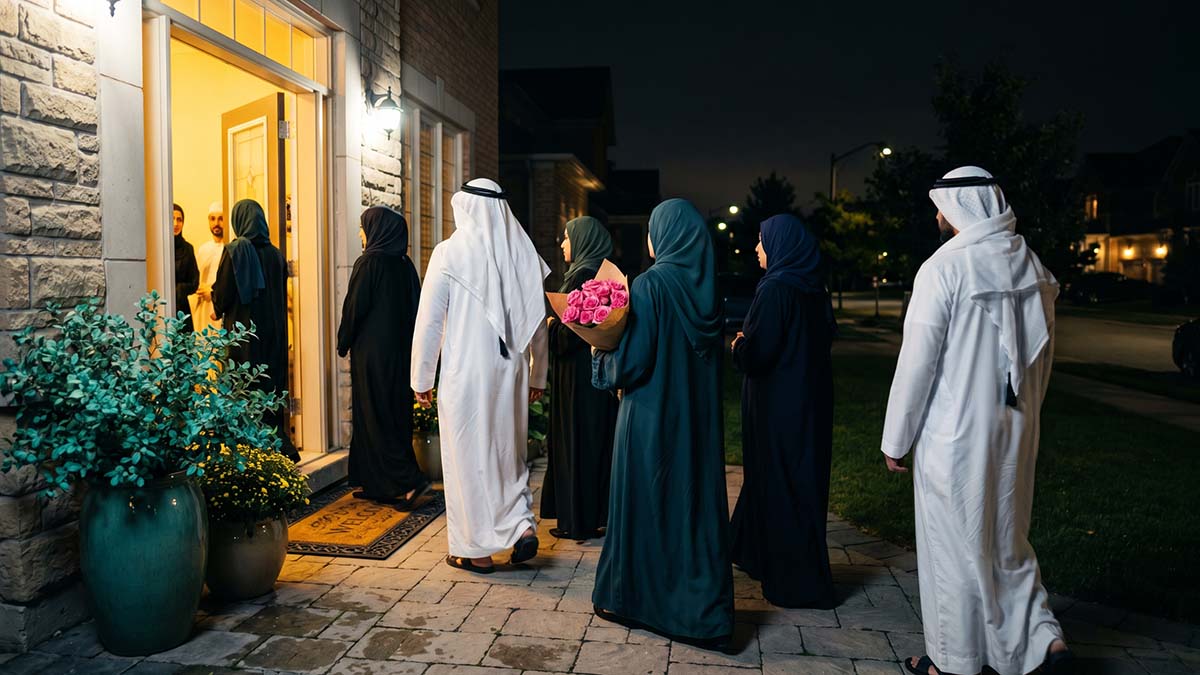
Condolences in Islam
Comfort the grieving with patience and faith
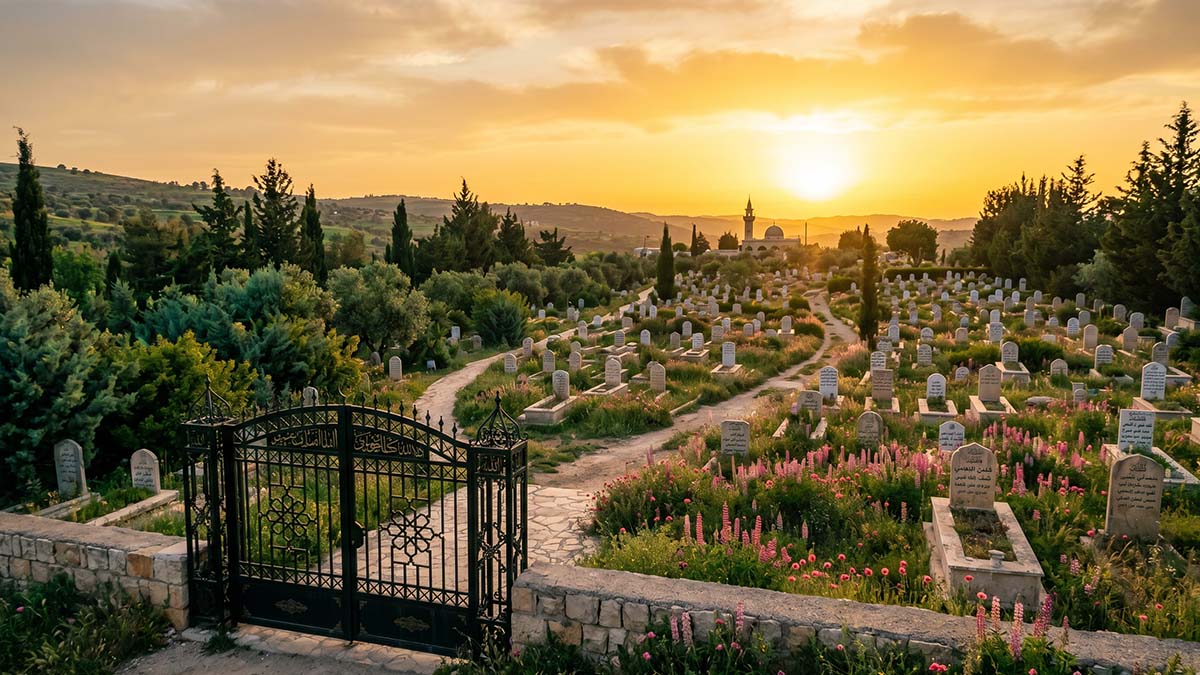
Burial in Islam
A gentle return to the earth in hope
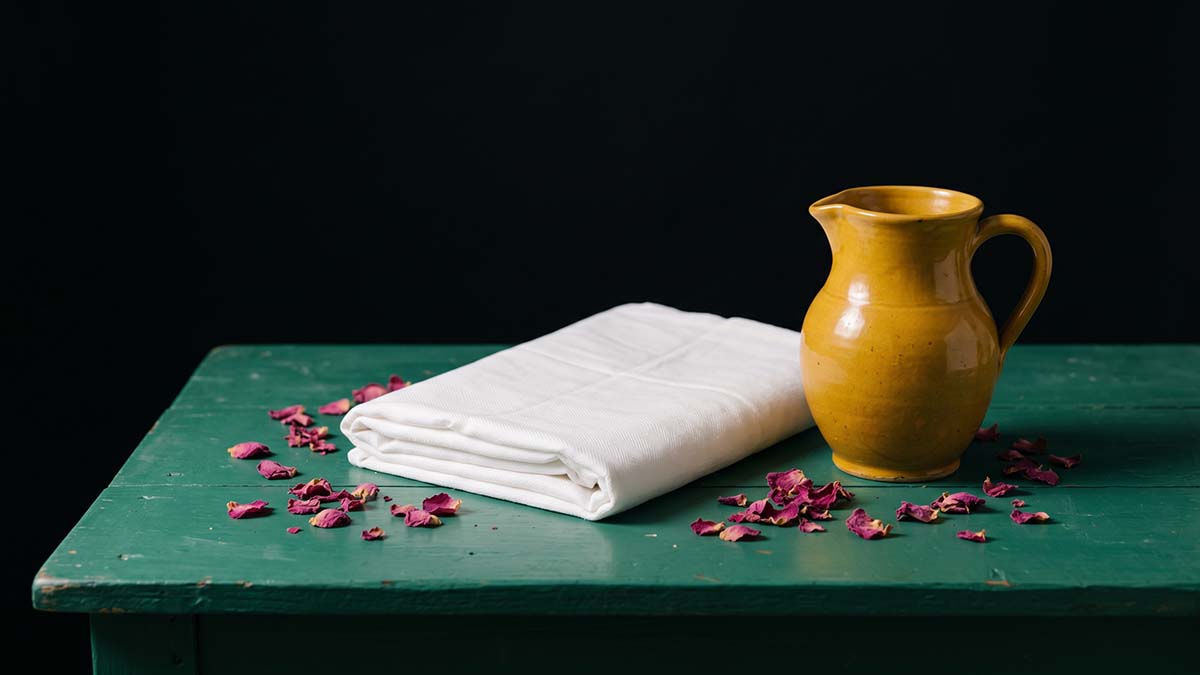
Ghusl for the Deceased
Honour the departed with care and dignity

Kafan
Wrapped in simplicity, equal before Allah
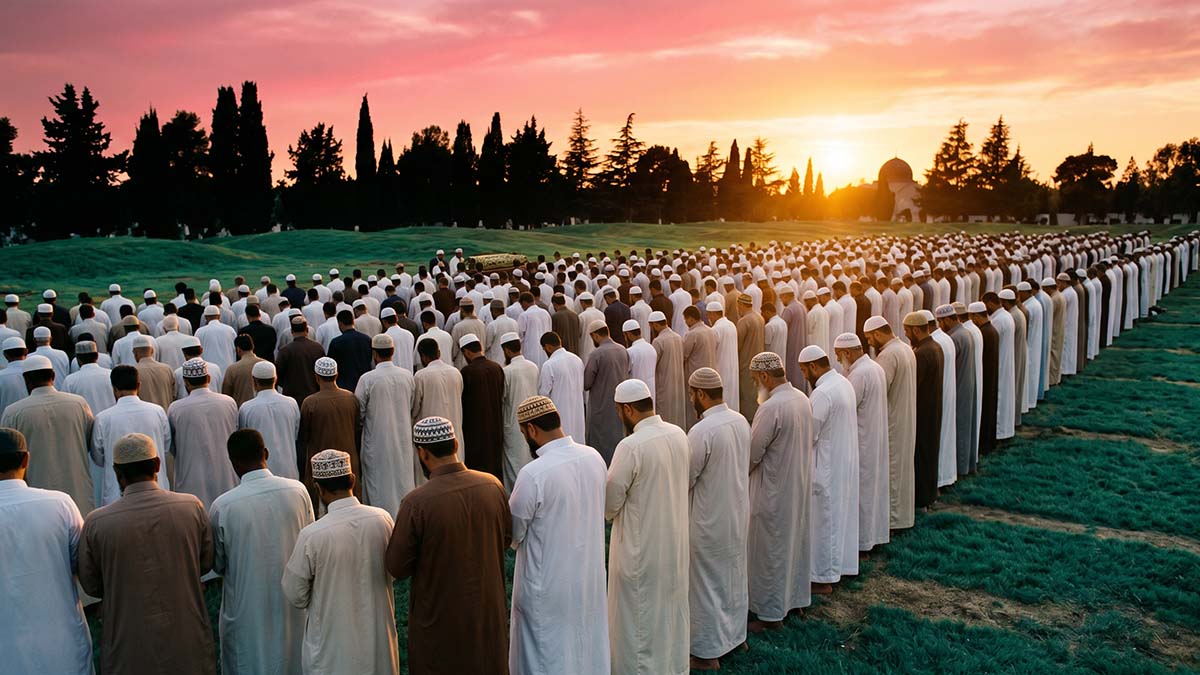
Janaza
The final act of love for the deceased
Friday Khutbah
Condolences in Islam
Burial in Islam
Ghusl for the Deceased
Kafan
Janaza
Circumcision in Islam
Tahnik
Naming a Baby in Islam
Islamic Events: Sacred Days, Months and Life Occasions
Islamic events are the sacred days, blessed months, and meaningful life occasions that shape the rhythm of a Muslim’s year. From the fasting of Ramadan and the joy of the two Eids to the pilgrimage of Hajj, the sacred months, and the milestones of birth, marriage, and farewell, these occasions connect believers to their faith, their history, and one another. This page is your complete guide to every one of them.
Across the Islamic calendar, these occasions fall into seven categories: the month of Ramadan, the festivals of Eid, the pilgrimage, the sacred months and key moments of history, family and life occasions, funeral rites, and weekly worship. Below you will find each category explained, with links to in-depth guides on every event so you can explore whichever you wish to learn more about.
یَسۡـَٔلُوۡنَکَ عَنِ الۡاَہِلَّۃِ ؕ قُلۡ ہِیَ مَوَاقِیۡتُ لِلنَّاسِ وَالۡحَجِّ
“They ask you about the crescent moons. Say, they are means to mark the passage of time for the people and for the pilgrimage.”
Understanding Islamic Events
At the heart of every occasion is the lunar calendar, the cycle of the moon by which Muslims mark their months and seasons of worship. The Quran describes the phases of the moon as a means of measuring time for people and for the pilgrimage, which is why the dates of Ramadan, the two Eids, and Hajj shift gently through the seasons each year. Understanding this calendar helps the believer anticipate and prepare for each occasion as it comes around.
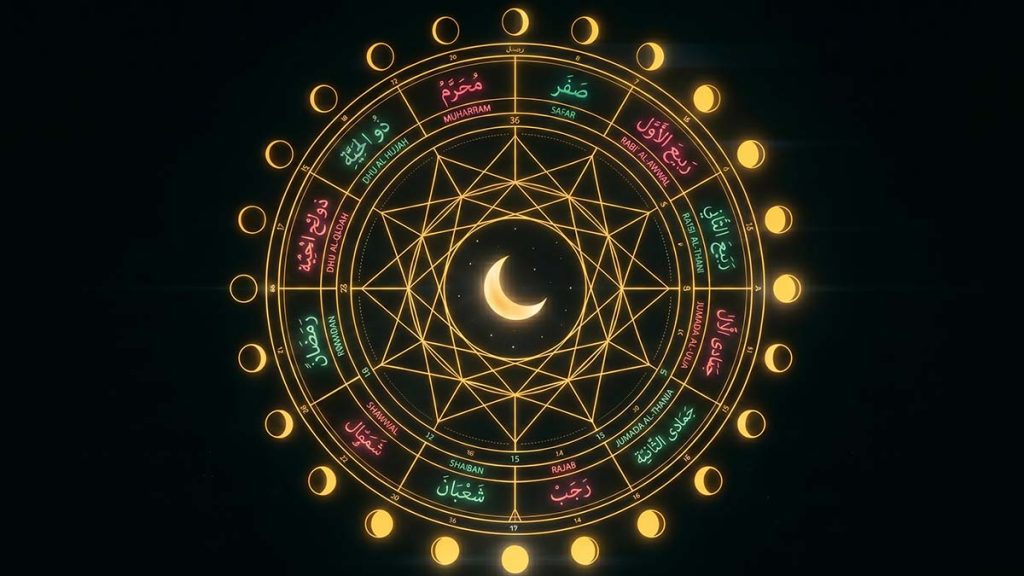
Islamic events are far more than dates to be observed. Each one carries deep meaning, reward, and lessons, whether it is a month of fasting, a day of festival, a rite of pilgrimage, or a moment of welcoming new life or bidding farewell to a loved one. Together they form a beautiful rhythm of worship that runs throughout the believer’s year.
The number of months with Allah is twelve and four of them are sacred a measure ordained by Him since the creation of the heavens and the earth
Family and Life Occasions in Islam
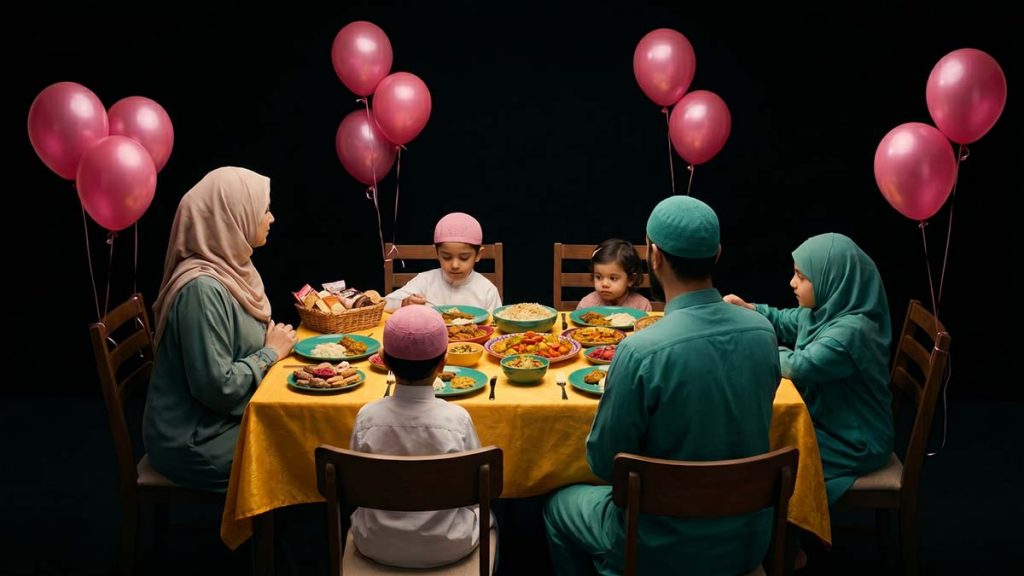
Islam surrounds the milestones of life with worship, gratitude, and blessing. A new union is celebrated through Nikah, the marriage contract, and the Walima, the wedding feast. The arrival of a child is welcomed with the Aqiqah sacrifice, the gentle Sunnah of Tahnik, the care taken in naming the baby, and the practice of circumcision. You can also explore the wider wisdom of marriage in Islam and aqiqah in Islam in our dedicated guides.
Sacred Months and Islamic History
The Islamic year opens with the Islamic New Year and the sacred month of Muharram, within which falls the blessed day of Ashura. The calendar is rich with sacred and significant months, including Dhul Hijjah, the month of Hajj, the honoured month of Rajab, and Shaban, the gateway to Ramadan, followed by Shawwal with its six blessed fasts. The month of Rabi al-Awwal turns hearts towards the birth of the Prophet (pbuh). These months also carry the memory of pivotal moments in history, such as the Hijrah, the Isra and Mi’raj, and the Battle of Badr.
There is certainly in their stories a lesson for people of understanding a confirmation and a guidance and a mercy for those who believe
Weekly Worship: The Friday Gathering
Not every Islamic event arrives once a year. Each week brings Jummah, the blessed Friday prayer that gathers the community in congregation, preceded by the Friday Khutbah, the sermon of guidance and reminder. As the best day of the week, Friday is a weekly occasion of worship, unity, and renewal for believers everywhere.
Funeral Rites in Islam
Islam honours the believer in death with the same dignity it shows in life. The community gathers for the Janaza, the funeral prayer, after the gentle washing of the deceased and the wrapping in the simple Kafan, or burial shroud. The burial returns the believer to the earth in simplicity and hope, while offering condolences comforts the grieving and reminds the whole community of the mercy of Allah and the life to come.
The Blessed Month of Ramadan
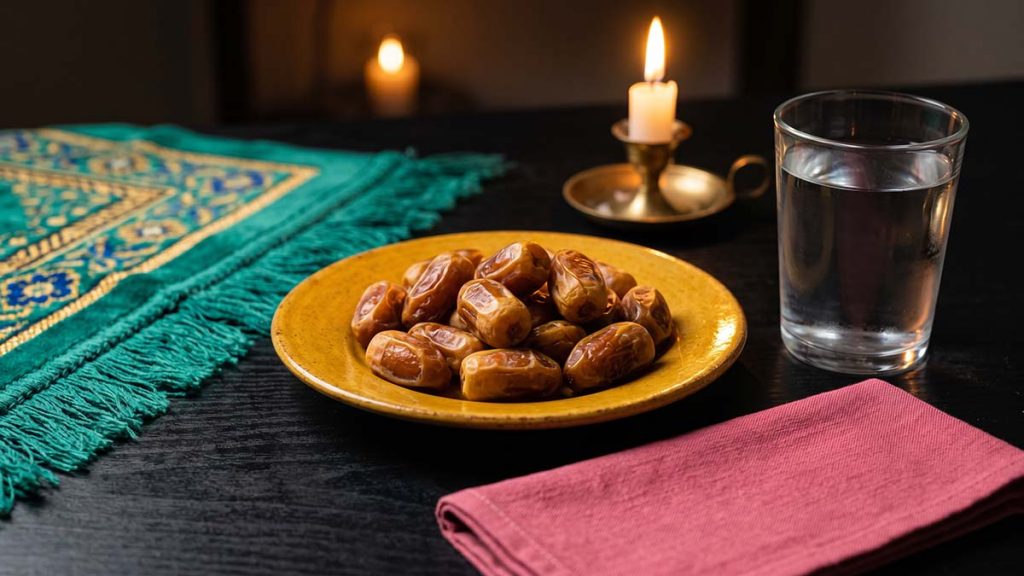
The greatest season of worship in the year is Ramadan, the month of fasting in which the Quran was revealed. It begins with the first day of Ramadan and a renewed intention to draw closer to Allah, and its days are shaped by the pre-dawn meal of Suhoor and the breaking of the fast at Iftar. The nights come alive with the special prayer of Taraweeh, and the month reaches its peak in the last ten nights, the search for Laylatul Qadr, and the spiritual retreat of Itikaf. As the month draws to a close, believers give Zakat al-Fitr so that the poor may share in the joy of the festival to come.
The Two Festivals of Eid
Islam has two great festivals, each a day of joy, gratitude, and worship. Eid al-Fitr celebrates the completion of Ramadan and begins with the Eid prayer and the joyful Takbir of Eid. Eid al-Adha, the festival of sacrifice, falls during the days of Hajj and is marked by the Qurbani, offered in remembrance of the devotion of Prophet Ibrahim. Both festivals bring families and communities together in celebration and remind the believer to share their blessings with others.
Allah has given you two days of celebration better than the days you once had the festival of breaking the fast and the festival of sacrifice
Hajj and Umrah: The Sacred Pilgrimage
The pilgrimage to Makkah is among the most powerful journeys in a believer’s life. Hajj is the fifth pillar of Islam, performed once in a lifetime, while Umrah, the lesser pilgrimage, can be undertaken at any time of year. The rites of Hajj unfold across several blessed sites, including the standing at the Day of Arafah, the night at Muzdalifah, the tent city of Mina, and the stoning of the pillars. At the heart of it all stands the Kaaba, the sacred house that Muslims around the world face in every prayer.
And proclaim the pilgrimage to all people they will come to you from every distant path on foot and on every lean camel
Why These Islamic Events Matter
Taken together, these Islamic events form a beautiful framework that keeps the believer connected to Allah throughout the year. They are seasons of reward and forgiveness, occasions of joy and community, and reminders of the great lessons of faith and history. Many are rooted in the practices of the Prophet (pbuh) and the example of the prophets before him, from the fasting of Ramadan to the devotion of Ibrahim at Hajj. By understanding and honouring each one, the believer turns the passing of time into a continuous act of worship, drawing strength from the wider Muslim ummah. To explore more, visit our guides to the Holy Quran, the 99 Names of Allah, and the Islamic monuments of the world.
Want a beautiful reminder for every occasion in the Islamic year? It’s About Islam shares short, shareable guidance on these events and so much more. Find us on YouTube, Instagram and Threads.
Frequently Asked Questions About Islamic Events
Islamic events are the sacred days, blessed months, and life occasions observed in Islam, such as Ramadan, the two Eids, Hajj, the sacred months, and the milestones of birth, marriage, and death. They follow the lunar Islamic calendar and form a yearly rhythm of worship.
The main Islamic events include the month of Ramadan, Eid al-Fitr and Eid al-Adha, the pilgrimage of Hajj and Umrah, the sacred months such as Muharram and Dhul Hijjah, and key moments of history like the Hijrah and the Isra and Mi’raj.
Islamic events follow the lunar calendar because the Quran describes the phases of the moon as a means of measuring time for people and for the pilgrimage. As the lunar year is shorter than the solar year, the dates of these events shift gently through the seasons over time.
Many regard the month of Ramadan as the most blessed time of the year, while the Day of Arafah during Hajj is described as the greatest single day. Both are seasons of immense reward, forgiveness, and worship for the believer.
Yes, Eid al-Fitr and Eid al-Adha are the only two festivals in Islam. Eid al-Fitr celebrates the completion of Ramadan, while Eid al-Adha marks the time of Hajj and the sacrifice in remembrance of Prophet Ibrahim.
This page links to in-depth guides on every Islamic event, organised by category. You can explore detailed articles on Ramadan, the two Eids, Hajj and Umrah, the sacred months, family occasions, funeral rites, and the weekly Friday gathering.
Whichever occasion you are preparing for, may Allah accept your worship and fill your year with His blessings. Bookmark this page as your gateway to every Islamic event, and explore the guides above to make the most of each sacred day, month, and milestone.