
Iftar: Breaking the Fast in Ramadan
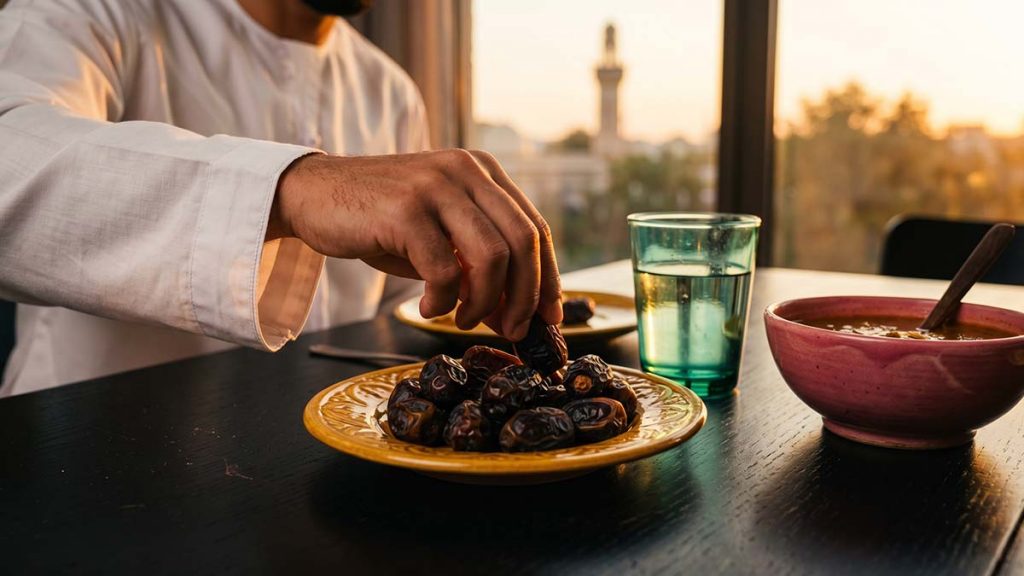
Iftar is the moment every fasting Muslim waits for, the joyful breaking of the fast as the sun slips below the horizon. After a long day of patience and self-restraint, the believer turns to Allah in gratitude, takes a sip of water or a sweet date, and feels the quiet relief that only fasting can teach. Yet this beloved sunset meal is far more than food on a table. It is a Sunnah rich with mercy, a time of answered prayers, and a daily reminder of the blessings we so easily overlook. In this guide we explore what it is, why it matters, and how to honour it as the Prophet (pbuh) did.
The Quran reminds the believers that the fast is completed at the coming of night, marking the blessed moment when the fast is gently broken.
وَكُلُواْ وَٱشۡرَبُواْ حَتَّىٰ يَتَبَيَّنَ لَكُمُ ٱلۡخَيۡطُ ٱلۡأَبۡيَضُ مِنَ ٱلۡخَيۡطِ ٱلۡأَسۡوَدِ مِنَ ٱلۡفَجۡرِۖ ثُمَّ أَتِمُّواْ ٱلصِّيَامَ إِلَى ٱلَّيۡلِ
“And eat and drink until the white thread of dawn becomes distinct to you from the black thread of night. Then complete the fast until the night.”
What Is Iftar?
Iftar is the meal that breaks the daily fast at sunset, the instant the Maghrib call to prayer is heard. From the pre-dawn Suhoor until this moment, the believer abstains from food, drink, and wrongdoing, then ends the fast with thankfulness to Allah. It is observed every day of Ramadan and on any voluntary fast throughout the year.
At Iftar, the Prophet (pbuh) loved to break his fast simply and quickly, usually with a few fresh dates or, if none were available, a sip of water, before praying Maghrib and then eating a fuller meal. This gentle, unhurried approach keeps the heart focused on worship rather than only on food, and protects the body from the heaviness of rushing into a large meal on an empty stomach.
6 Beautiful Sunnah Acts at Iftar
To make the breaking of the fast a true act of worship rather than only a meal, follow the way of the Prophet (pbuh). Here are six beautiful Sunnah acts to bring into every sunset:
- Break the fast promptly the moment the sun has set, without delay.
- Begin with dates or water, as the Prophet (pbuh) loved to do.
- Make heartfelt dua, for the fasting person’s prayer is answered.
- Thank Allah for the strength to fast and the food before you.
- Pray Maghrib on time, then return to eat a fuller meal.
- Feed others, sharing your meal to earn the reward of the fast.
Breaking the Fast in the Quran and Sunnah
The Quran ties the end of the fast to the arrival of night, in the same passage of Surah Al-Baqarah that frames the whole fast. The Prophet (pbuh) urged Muslims to break the fast as soon as the sun had set, without delay, because hastening to do so is a sign of holding to the Sunnah and the goodness of the community.
The people will remain upon goodness and blessing as long as they hasten to break the fast at sunset
Why This Sunset Moment Matters
Iftar on time is an act of obedience, gratitude, and joy. It marks the believer’s reward for a day of patience, it follows the example of the Prophet (pbuh), and it gathers families and communities around a shared table at exactly the same moment. Above all, it is a time when the heart is soft and humble, and Allah does not turn away the sincere supplication of the fasting person who calls upon Him.
The Special Dua at Sunset

The minutes of Iftar, just before and at sunset, are among the most precious of the day for supplication. The Prophet (pbuh) told the believers that the dua of the fasting person at the time of breaking the fast is answered, so it is a beautiful habit to pause, raise the hands, and ask Allah for the best of this life and the next before taking the first bite.
The fasting person at the moment of breaking the fast has a supplication that is never rejected so raise your hands before the first date or sip of water
The Reward of Feeding Others
Generosity at Iftar multiplies the blessing of the day. The Prophet (pbuh) promised that whoever gives a fasting person something to break their fast earns a reward equal to theirs, without lessening the faster’s own reward in the slightest. This is why mosques and homes fill with shared meals, turning charity in Islam and generosity into a nightly joy.
Whoever gives food to a fasting person to break the fast will have a reward like his without his own reward being reduced
What to Eat When Breaking the Fast
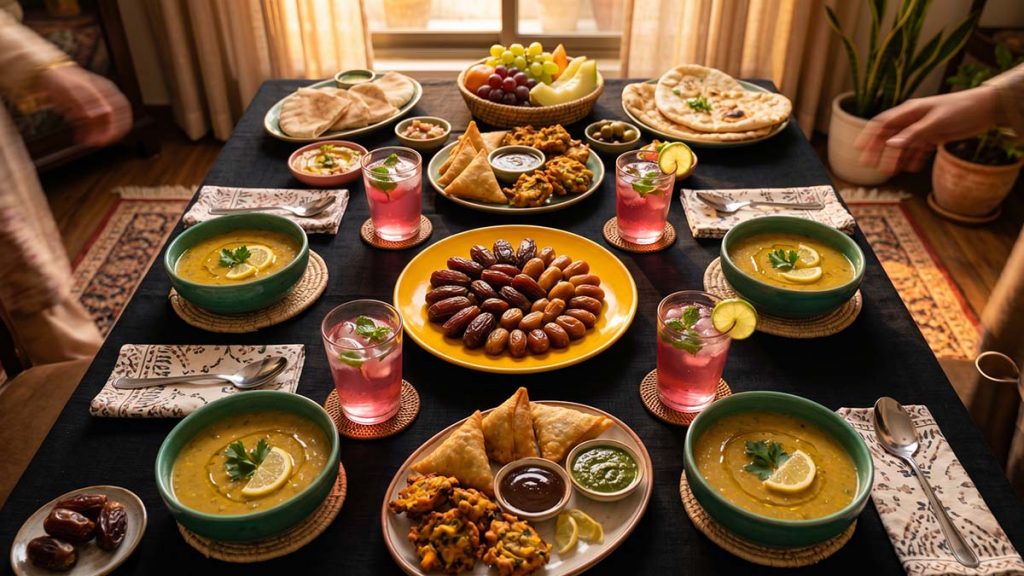
The Sunnah at Iftar is balance, not excess. Breaking the fast gently protects the stomach after a long day and keeps the body light for the prayers that follow. There is no need for an elaborate spread; a few wholesome choices nourish far better than a heavy feast. A blessed table often includes:
- Fresh or dried dates to raise energy quickly, followed by water.
- A light soup or fruit before the main meal to ease digestion.
- Balanced portions of carbohydrates, protein, and vegetables.
- Plenty of water through the evening to rehydrate after the fast.
- Less deep-fried and very sugary food, which causes heaviness and thirst.
Common Iftar Mistakes to Avoid
A few habits can take away from the spirit and the health of the meal. Try to avoid the following:
- Delaying the breaking of the fast past the time of sunset.
- Overeating until the body is too heavy for Maghrib and night prayer.
- Skipping the special dua in the rush to start eating.
- Turning the table into waste and excess rather than gratitude.
- Forgetting Maghrib prayer or praying it hastily after the meal.
The Joy of Breaking the Fast Together
Few scenes capture the spirit of Ramadan like a shared Iftar table at sunset. Across the world, families, neighbours, and whole congregations gather as the call to prayer rings out, passing dates and water down long rows in the mosque. Strangers sit side by side as equals, the rich beside the poor, building the warmth and brotherhood among Muslims that lingers long after the month has ended.
Each evening in Ramadan close to two billion Muslims worldwide break their fast within the same short window as sunset travels across the earth
Hosting and visiting one another also revives a beautiful Sunnah of generosity. Inviting guests, sending food to neighbours, and welcoming travellers all turn an ordinary evening into an act of worship, weaving the community closer together one sunset at a time.
A Shared Moment Around the World
The foods on the Iftar table change from one land to the next, yet the Sunnah at the heart of the meal stays the same. In one country the fast is broken with dates and dried fruit, in another with soup, lentils, or sweet drinks, each carrying its own beloved traditions. What unites more than a billion Muslims is not the menu but the moment itself, the same shared instant of gratitude and relief as the sun finally sets on another day of fasting.
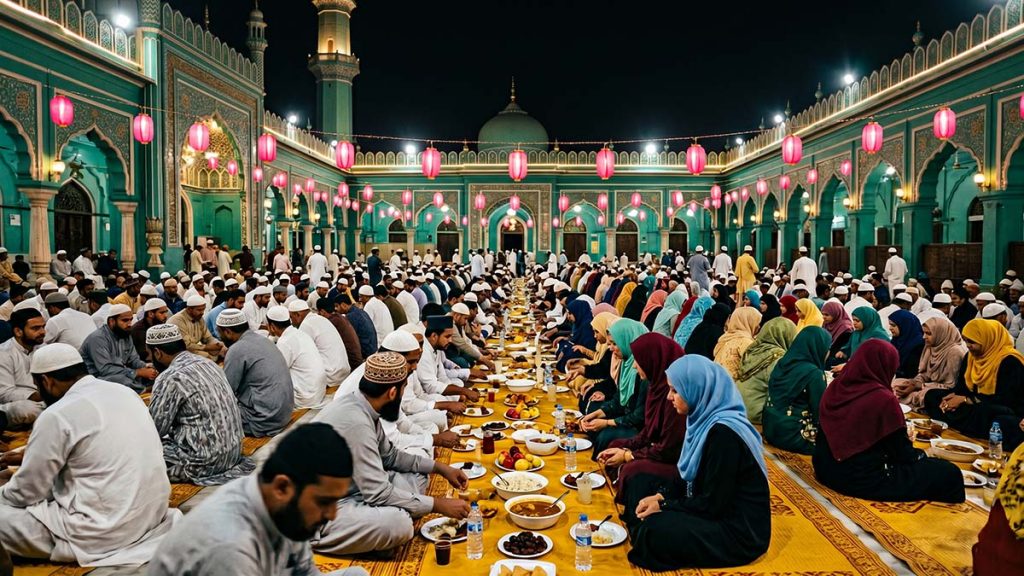
This quiet unity is one of the marvels of the month. Wherever a believer happens to be, from a small village to a vast city, the sunset meal connects them to the wider ummah and to the example of the Prophet (pbuh) who began it all.
The Spiritual Side of Breaking the Fast
For all its food and festivity, the deepest part of Iftar is unseen. After a day of holding back from things that are normally allowed, the believer breaks the fast knowing that the reward of fasting belongs to Allah alone, and that the obedience of the day is now complete. That awareness turns the first sip of water into a moment of quiet worship rather than mere relief.
It is also a daily lesson in trust. The fasting person willingly went hungry for the sake of Allah and is now provided for, a small but powerful reminder that sustenance comes from Him alone. Pausing to feel that gratitude, even for a moment before the first bite, keeps the heart soft and guards the fast from becoming an empty routine of hunger and feasting. The believer who breaks the fast mindfully carries a little of that thankfulness into every ordinary meal for the rest of the year.
Lessons the Sunset Meal Teaches Us
That first sip of water after a long fast teaches a lesson words cannot. It reminds the believer how dependent we are on Allah’s gifts, how the hungry feel each day, and how sweet gratitude tastes. Like gratitude in Islam and patience in Islam, the daily breaking of the fast trains the heart to thank Allah and to care for others.
Want more gentle reminders to enrich your Ramadan nights? It’s About Islam shares short, beautiful fasting reflections you can share with loved ones. Find us on YouTube, TikTok and Facebook.
Frequently Asked Questions About Iftar
Iftar is the meal that breaks the daily fast at sunset, the moment the Maghrib call to prayer is heard. It marks the end of a day of fasting that began with Suhoor before dawn.
Iftar is at sunset, when the Maghrib prayer time begins. The Prophet (pbuh) encouraged breaking the fast promptly at this moment without delay.
Following the Sunnah, it is best to break the fast with fresh or dried dates and water, then pray Maghrib before eating a fuller meal.
The Prophet (pbuh) said the fasting person has a supplication that is not rejected, so the moments before and at breaking the fast are a precious time to make dua.
Whoever gives a fasting person food to break their fast receives a reward equal to that of the faster, without reducing the faster’s own reward at all.
The Sunnah is to break the fast lightly with dates and water, pray Maghrib on time, and then return to eat the main meal once the obligatory prayer has been offered.
Making Every Iftar Blessed
Iftar is a daily celebration of patience rewarded, a sunset moment when the heart turns to Allah in gratitude and hope. By breaking the fast promptly, beginning with dates and water, making sincere dua, praying on time, and sharing food with others, the believer turns a simple meal into worship. May Allah accept your fasting, answer all of your heartfelt prayers, and gather you and those you love in His endless mercy.