
Taraweeh: The Special Night Prayer of Ramadan
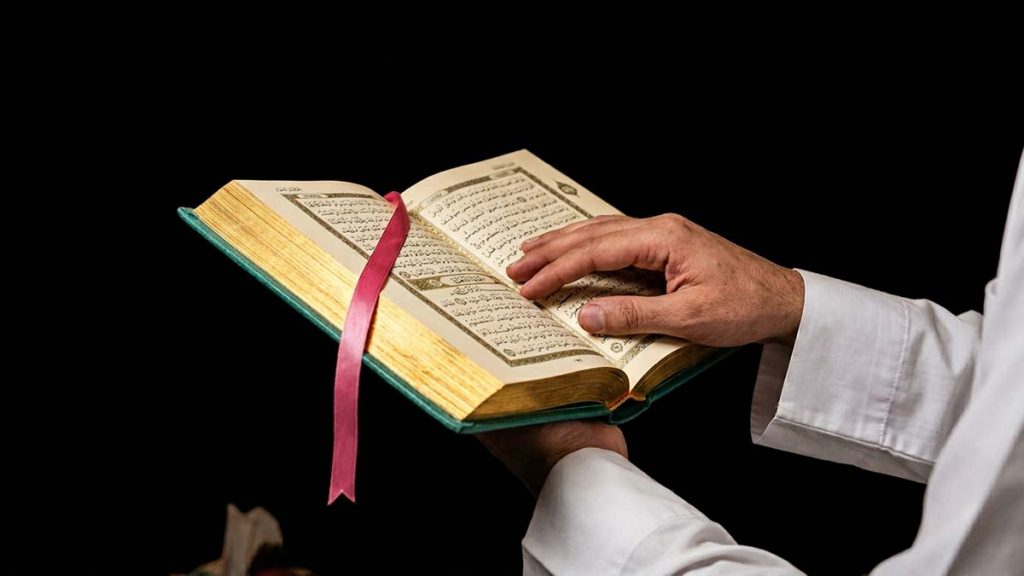
Taraweeh is the gentle rhythm of Ramadan nights, the long, peaceful prayer that fills the mosques after the fast is broken and the dark settles in. Standing shoulder to shoulder, listening to the Quran recited beautifully, the believers turn the late hours into worship and rest for the soul. For many Muslims it is the most loved part of the month, a nightly habit that brings forgiveness, calm, and a deep sense of closeness to Allah. In this guide we explore what it is, why it matters, and why it is worth praying every single night of the blessed month.
The Quran praises those who forsake their beds to call upon their Lord in hope and fear, the very spirit that fills the night prayer of Ramadan.
تَتَجَافَىٰ جُنُوبُهُمۡ عَنِ ٱلۡمَضَاجِعِ يَدۡعُونَ رَبَّهُمۡ خَوۡفٗا وَطَمَعٗا وَمِمَّا رَزَقۡنَٰهُمۡ يُنفِقُونَ
“Their sides part from their beds, calling upon their Lord in fear and hope, and they spend out of what We have provided them.”
What Is Taraweeh?
Taraweeh is the voluntary night prayer offered in congregation during Ramadan, after the obligatory Isha prayer. Its name comes from the Arabic word for rest, because worshippers pause briefly after every few units of prayer. It is prayed in sets of two units, and many mosques complete the recitation of the entire Quran across the nights of the month.
While it is not obligatory, it is a powerful and beloved Sunnah that the Prophet (pbuh) prayed and encouraged. He led it for a few nights, then deliberately stayed home so it would not be made compulsory on a community he wished to protect, yet he still praised in the warmest terms the one who stands in prayer through the month. That balance of earnest worship and gentle ease runs through all of his guidance.
7 Beautiful Reasons to Pray Taraweeh Every Night
If you have ever wondered whether the effort of standing each night is worth it, the rewards make the answer clear. Here are seven beautiful reasons to keep the night prayer all month:
- Forgiveness of past sins for the one who prays with faith and sincerity.
- The reward of a whole night of worship when praying in congregation.
- Hearing the Quran recited beautifully across the nights of the month.
- Standing before Allah at the time His mercy descends most generously.
- Unity with the community, praying side by side night after night.
- Calm and peace for a heart tired by the day’s fasting and work.
- Preparation for Laylatul Qadr, the greatest night of the year.
The Night Prayer in the Quran and Sunnah
The Quran honours the people of the night who leave their sleep to worship their Lord, a theme echoed in Surah As-Sajdah, and Ramadan turns this into a shared, nightly act. The Prophet (pbuh) tied the night prayer of this month directly to the forgiveness of sins, giving the believer a clear and beautiful reason to keep it.
Whoever stands in prayer during Ramadan out of faith and seeking reward will have all his past sins forgiven by the mercy of Allah
Why Standing in Prayer Matters
Taraweeh carries some of the greatest rewards of the month. It is a cause of forgiveness, a chance to hear and reflect on the words of the Quran, and a means of standing before Allah at the very time of night He sends down His mercy. It also unites the community night after night, the young beside the old, building the same brotherhood found in the Friday prayer and other gatherings of worship.
Whoever prays the night prayer with the imam until the imam finishes is recorded as having prayed through the whole of the night
How Many Rak’ahs Should You Pray?
There is a gentle difference of opinion among the scholars on the number of units. Some pray eight units followed by the Witr prayer, following certain narrations of the Prophet’s night prayer, while others pray twenty, as was widely practised in the time of the companions. Both are valid and rewarded, and there is no need to argue over which is better, since both rest on the practice of the early generations. What truly matters is that the believer prays with calmness and presence of heart, completing the bowing and prostration properly.
The History of the Ramadan Night Prayer
The roots of this prayer reach back to the Prophet (pbuh) himself, who prayed it in the mosque on several nights. Crowds gathered behind him, but he soon stopped leading it in public, fearing that constant congregation might make it an obligation his community could not bear. The companions then prayed it individually or in small groups.
Later, in the time of Umar ibn al-Khattab, the believers were gathered once more behind a single imam so they could pray together in an orderly way, and he described the arrangement as a beautiful thing. From that day the night prayer of Ramadan has filled the mosques of the world, linking every generation back to the practice of the Prophet (pbuh).
In mosques across the world today the entire Quran is recited aloud from its first verse to its last over the nights of a single Ramadan
Following the Quran Through the Month
One of the great joys of Taraweeh is following the Quran from beginning to end. Many imams recite roughly one of the thirty parts each night, so that the whole Book is completed by the month’s close. Listening with attention turns the prayer into a journey through revelation and deepens the believer’s bond with the words of Allah, much as reflecting on the Quran on hardship and ease softens the heart. Even those who do not understand Arabic can follow a translation beforehand, so each night’s portion becomes familiar and the meaning settles in the heart while the imam recites it aloud in the stillness of the mosque.
Witr: Sealing the Night in Prayer
Taraweeh is traditionally closed with Witr, an odd-numbered prayer the Prophet (pbuh) never abandoned. After the long standing of the congregation, it acts as a gentle seal on the night’s worship, often including a heartfelt supplication known as the qunut in which the believer pours out hopes and needs before Allah. Ending the night this way leaves the heart calm and complete.
The night prayer is offered in pairs and when one fears the dawn approaching let him pray a single unit as Witr to make all that has passed odd
Praying With Khushu and Focus
Quality of worship matters far more than speed. A few simple habits help the heart stay present through the long prayer:
- Eat lightly at Iftar so the body is not too heavy to stand.
- Learn the meaning of the surahs being recited to follow along in the heart.
- Pray slowly and calmly, without rushing the bowing and prostration.
- Choose a mosque with recitation that helps you focus and reflect.
- Renew your intention each night to seek Allah’s reward, not habit alone.
Taraweeh for Beginners
For anyone praying these nights for the first time, the long standing can feel daunting, but the path is gentle. The believer can begin with a few units, pray part of the congregation and complete the rest at home, or simply sit and listen when tired, returning to stand when able. What matters is sincerity and consistency, not perfection on the very first night, and Allah rewards every sincere effort to stand before Him.
Quietly building stamina across the early nights makes the demanding last ten nights far more reachable. A heart that learns to love the prayer slowly will find itself longing for it by the end of the month, and missing it once Ramadan has gone.
Bringing the Night Prayer Home
The mosque is not the only place Taraweeh comes alive. Many believers, especially women and those caring for young children, pray beautifully at home, and the Prophet (pbuh) taught that much of a person’s voluntary prayer is best offered in the home. A family that prays together in the late hours fills the house with calm and gives children a memory of worship they will carry for life.
Whether in a crowded mosque or a quiet living room, the heart of the prayer is the same: standing before Allah, listening to His words, and seeking His mercy. What matters is that the believer prays with sincerity and presence, turning the nights of Ramadan into a season of nearness rather than letting them slip by in distraction.
Lessons This Prayer Teaches Us
Choosing worship over sleep, night after night, builds a discipline that outlasts the month. The night prayer teaches the believer to love the Quran, to value standing before Allah, and to find rest in remembrance rather than only in comfort. Like patience in Islam, it strengthens a quiet resolve that carries into the rest of the year.
Love the peace of Ramadan nights? It’s About Islam shares short, beautiful reminders on prayer and the Quran to keep your heart connected all month. Find us on YouTube, X and Pinterest.
Frequently Asked Questions About Taraweeh
Taraweeh is the voluntary night prayer offered in congregation during Ramadan, after the obligatory Isha prayer. It is prayed in sets of two units and often includes long, beautiful recitation of the Quran.
No, it is a strongly encouraged Sunnah, not an obligation. The Prophet (pbuh) prayed it and praised those who stand in prayer during Ramadan, but he did not make it compulsory.
Both eight and twenty units are valid, depending on the school of thought, usually followed by the Witr prayer. The believer should choose calmness and focus over rushing.
It is prayed at night during Ramadan, after the obligatory Isha prayer and before the Witr prayer, usually in congregation at the mosque.
Yes, women may pray it at the mosque or at home. Many pray at home, while others join the congregation, and both are rewarded.
The Prophet (pbuh) said whoever prays at night during Ramadan with faith and sincerity will have their past sins forgiven, making it one of the great rewards of the month.
Standing Through the Blessed Nights
Taraweeh is the heartbeat of Ramadan after dark, a nightly invitation to stand before Allah, hear His words, and seek His forgiveness. By praying it each night with calmness and sincerity, eating lightly, and reflecting on the Quran, the believer fills the month with mercy and prepares to meet its greatest nights. May Allah accept your standing in prayer and forgive all the sins that have passed.