
Jummah: Meaning, Importance and Friday Prayer in Islam
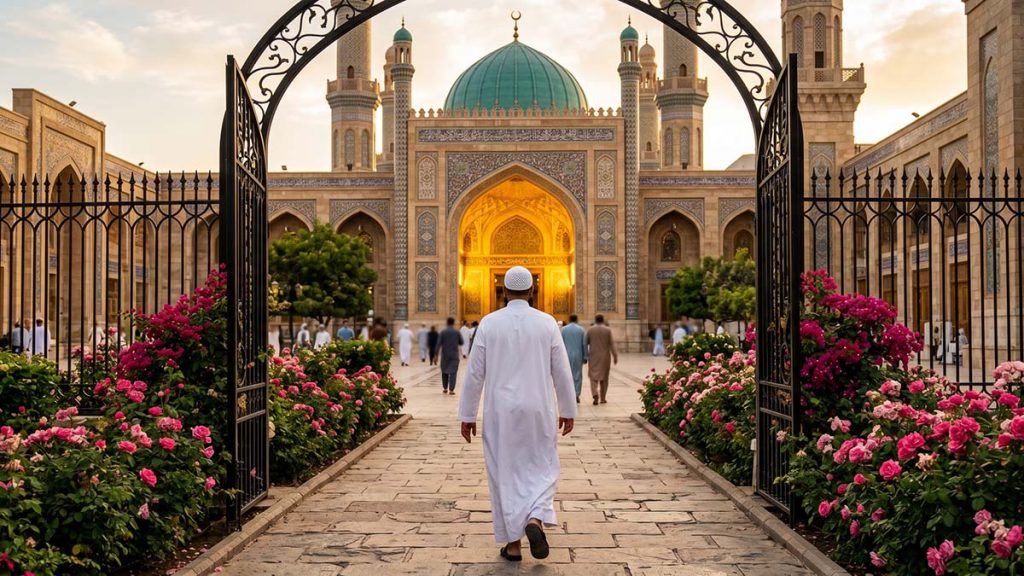
Friday holds a special place in the heart of every Muslim. It is the day of Jummah, the blessed weekly gathering when Muslims come together for the Friday congregational prayer. Across the world, from small village mosques to vast halls holding thousands, believers pause their work, purify themselves, and turn towards Allah as one community. Jummah is also written as Jumu’ah or Jum’ah, and however it is spelled, it carries the same beautiful meaning: gathering, unity, and devotion. In this guide we explore what Jummah is, why it matters, and how you can make the most of every Friday.
The Quran itself highlights the importance of this day, instructing believers to hasten towards the remembrance of Allah the moment the Friday call to prayer is made.
يَٰٓأَيُّهَا ٱلَّذِينَ ءَامَنُوٓاْ إِذَا نُودِيَ لِلصَّلَوٰةِ مِن يَوۡمِ ٱلۡجُمُعَةِ فَٱسۡعَوۡاْ إِلَىٰ ذِكۡرِ ٱللَّهِ وَذَرُواْ ٱلۡبَيۡعَۚ ذَٰلِكُمۡ خَيۡرٞ لَّكُمۡ إِن كُنتُمۡ تَعۡلَمُونَ
“O you who believe! When the call is made for prayer on the day of Jumu’ah, hasten to the remembrance of Allah and leave off trade. That is better for you, if you only knew.”
What Is Jummah?
The word Jummah comes from the Arabic root meaning “to gather” or “to come together”. It refers to the Friday congregational prayer that replaces the usual midday Zuhr prayer once a week. Instead of praying alone or in small groups, Muslims gather at the mosque to listen to a sermon and pray together behind one imam.
Friday is so important that an entire chapter of the Quran is named after it, Surah Al-Jumu’ah. The day is a gift of mercy from Allah, the Al-Jami (The Gatherer), who brings hearts and communities together in worship.
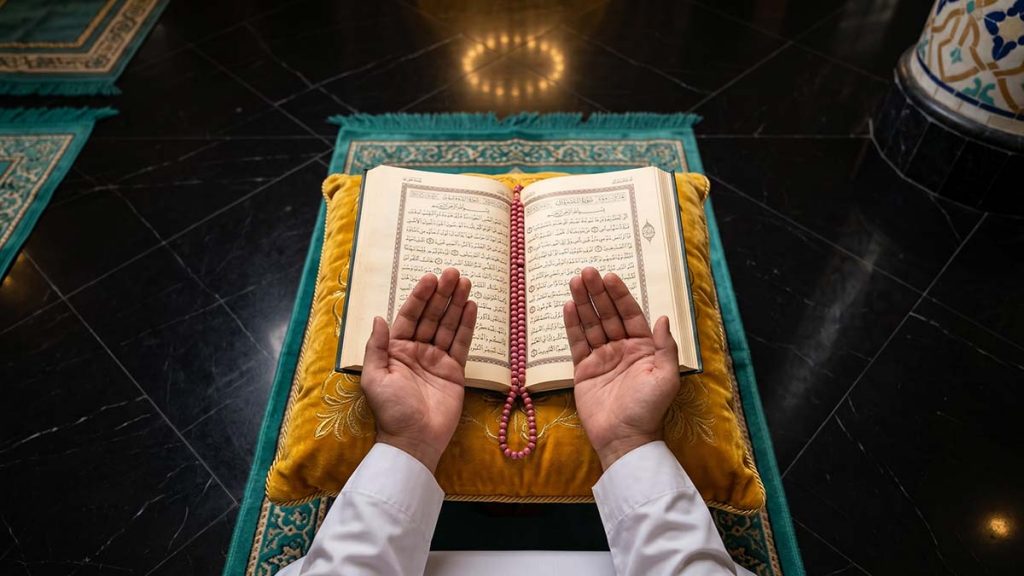
In many Muslim countries, shops close for an hour or two so people can attend the mosque. Even where Friday is a normal working day, Muslims make a special effort to step away from their tasks and prepare their hearts. This weekly pause is one of the most beautiful rhythms of Muslim life.
7 Sunnah Acts on Friday
To honour this blessed day, the Prophet Muhammad (pbuh) encouraged a number of beautiful practices. Here are seven simple Sunnah acts you can follow every Friday:
- Take a full bath (ghusl) to be clean and fresh for the gathering.
- Wear clean, presentable clothes, ideally your best outfit.
- Apply a pleasant fragrance out of respect for the day and those around you.
- Go to the mosque early to find a place in the front rows and earn extra reward.
- Listen attentively to the khutbah (the Friday sermon) without talking or distractions.
- Send blessings upon the Prophet Muhammad (pbuh), which is especially recommended on Fridays.
- Make sincere dua, as Friday contains a special hour when supplications are answered.
Many Muslims also recite Surah Al-Kahf on Fridays, and Friday is a wonderful time to renew your habit of dua in Islam.
Increase your blessings upon the Prophet (pbuh) the day of Jummah
None of these acts are complicated, and that is part of their beauty. Even doing two or three with sincerity can transform how the day feels and build a deep love for Jummah that stays with you for life, a love Muslims have shared since the very first Friday gathering.
How Did Jummah Begin?
The Friday prayer was established in the earliest days of Islam. According to Islamic teachings, the first Jummah was prayed shortly after the Prophet Muhammad (pbuh) migrated from Makkah to Madinah. On his journey into the city, he stopped among a community on the outskirts and led the believers in their first Friday congregation, marking the start of a practice that Muslims have continued without break ever since.
From that day, the mosque became the beating heart of the Muslim community. Friday was the moment when believers came together not only to worship but to hear guidance and support one another. That same spirit lives on today in every masjid around the world.
Why Is Jummah Important in Islam?
The Friday prayer is far more than a routine. It is a weekly spiritual reset, a chance to leave behind the noise of daily life and reconnect with Allah.
As the opening verse from Surah Al-Jumu’ah (62:9) reminds us, trade and worldly business are paused so the heart can focus fully on Allah. The Friday gathering strengthens the bonds of the community, reminds us of our shared faith, and renews our commitment to prayer in Islam. It is a day of Allah’s mercy, forgiveness, and answered supplications.
The best day on which the sun rises is Friday
This honour is not just symbolic. Friday is a day for seeking forgiveness, increasing in good deeds, and showing kindness to family and neighbours. For many Muslims, Jummah becomes the anchor that holds the whole week together.
What Happens During the Friday Prayer?
Friday prayer has a simple but meaningful structure. It begins with the khutbah, a sermon delivered by the imam from the minbar (pulpit). The khutbah usually comes in two parts and reminds the congregation of their duties to Allah, encourages good character, and offers guidance for daily life.
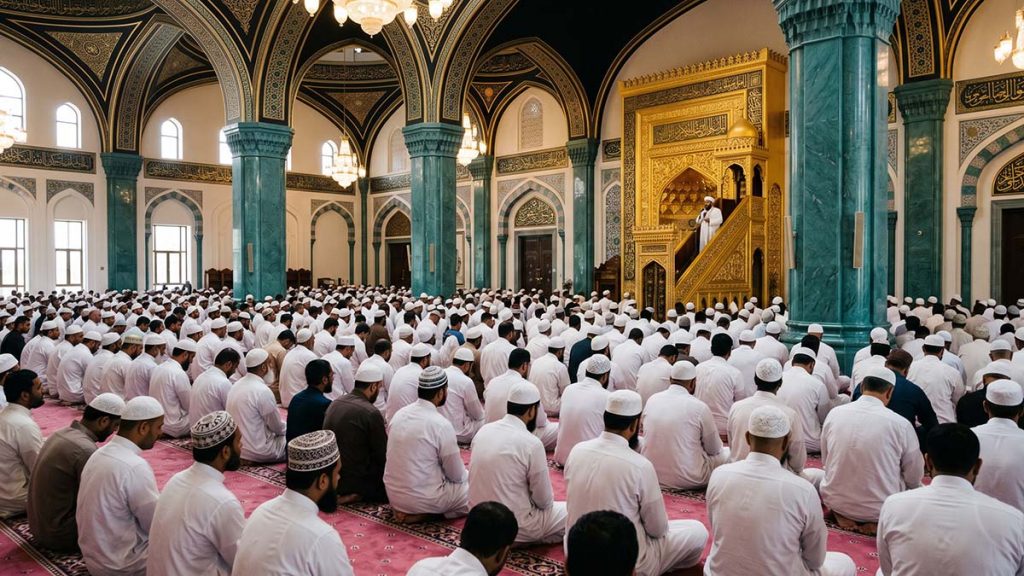
After the khutbah, the congregation stands shoulder to shoulder and prays two rak’ahs (units of prayer) led by the imam. These two rak’ahs take the place of the four rak’ahs of Zuhr on a normal day. The whole gathering is meant to be calm, attentive, and unifying. Many worshippers also offer voluntary prayers before and after the obligatory part.
The prayer usually begins with the adhan, the call to prayer, after which the imam climbs the minbar to deliver the sermon. He sits briefly between the two parts of the khutbah, then leads everyone in prayer. Listening quietly and attentively is an important part of the worship, and there is a deep beauty in seeing rows of believers, rich and poor, young and old, standing perfectly level before Allah.
Friday holds a special hour when every sincere dua is answered
Who Should Attend the Friday Prayer?
In general, Friday prayer is considered obligatory for adult Muslim men who are able to attend, while women, children, travellers, and those who are unwell are usually excused, though they may still attend if they wish. The exact rulings can differ slightly between schools of thought, so it is always best to consult a qualified local scholar or imam for guidance on your own situation.
What unites every worshipper is the spirit of gathering. Standing together each week builds the same sense of brotherhood among Muslims and unity among Muslims that the Prophet Muhammad (pbuh) cherished so deeply.
For those who are excused, there is no blame in praying Zuhr at home instead, as Islam is a faith of ease. At the same time, anyone able to attend is encouraged to make the effort, because the reward of joining the congregation is great. If you are ever unsure whether Jummah applies to you, a trusted local imam is the best person to ask.
Common Mistakes to Avoid on Friday
Even with good intentions, it is easy to fall into a few habits that take away from the blessings of the day. Try to avoid the following:
- Arriving late and missing the khutbah or the prayer itself.
- Talking or scrolling on your phone while the imam is speaking.
- Treating it only as a social meet-up rather than an act of worship.
- Neglecting cleanliness, fresh clothes, or proper preparation.
- Rushing away the moment the prayer ends without any reflection or dua.
The good news is that every one of these is easy to fix. Leaving home a few minutes earlier or switching your phone to silent makes a real difference. The goal is simply to give Jummah the attention it deserves and to leave feeling refreshed rather than rushed.
Jummah Mubarak: Can Muslims Say It?
“Jummah Mubarak” simply means “Blessed Friday”, and many Muslims share the greeting with family and friends as a kind reminder of the day’s importance. Others prefer to focus only on practices that are clearly established in the Sunnah and choose not to use it as a fixed greeting.
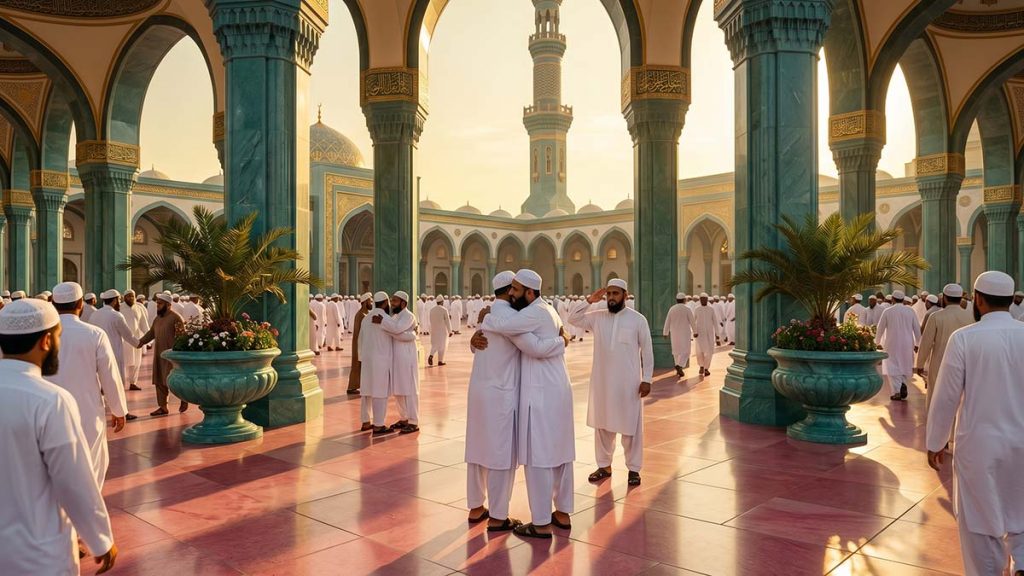
Both views come from a place of love for the faith, so there is no need for argument. If you say “Jummah Mubarak”, do so with sincerity and good intentions, and respect those who choose differently. What matters most is that the greeting reminds us of the blessing of the day and encourages us towards worship, not that it becomes a debate.
Lessons Muslims Can Learn from Friday Prayer
Friday teaches lessons that reach far beyond the mosque walls. It is a weekly reminder of unity, as people of every age and background stand together as equals. It builds discipline, calling us to pause our routines and prioritise worship. It nurtures remembrance of Allah, brotherhood, and humility, reminding us that we all return to the same Creator.
Jummah also teaches gratitude and consistency. Pausing once a week to thank Allah keeps the heart soft, and it reminds us that small, regular acts of worship are more beloved to Allah than grand gestures done only once. These are lessons we can carry into every other day.
Masjid al-Haram in Makkah is the largest mosque in the world holding over two million worshippers
From the vast courtyards of The Prophet Mosque in Madinah to your own small local masjid, every Friday gathering carries the very same spirit. Above all, the Friday gathering is a chance for spiritual renewal. Just as fasting in Islam cleanses the soul during Ramadan, and acts of charity in Islam purify our wealth, the Friday gathering refreshes the heart every single week. Family milestones such as a marriage in Islam or an aqiqah are often shared with the community in the same spirit of togetherness.
Love this kind of content? Follow It’s About Islam for daily reminders, beautiful Islamic quotes, and simple guidance you can share. Find us on YouTube, Instagram and Threads.
Frequently Asked Questions About Jummah
Jummah comes from the Arabic word for “gathering”. It refers to the Friday congregational prayer when Muslims come together at the mosque to listen to the khutbah and pray as one community.
Jummah prayer is generally obligatory for adult Muslim men who are able to attend. Women, children, travellers, and those who are unwell are usually excused. For your own situation, it is best to ask a qualified local scholar.
Jummah takes place at the time of the midday Zuhr prayer, replacing it once a week. Exact timings vary by location and season, so check with your local mosque for the precise start time of the khutbah.
Yes. While Friday prayer is not obligatory for women, they are welcome to attend the mosque and many do. Women who do not attend simply pray Zuhr as usual at home.
On Friday, Muslims are encouraged to bathe, wear clean clothes, apply fragrance, go to the mosque early, listen to the khutbah, send blessings upon the Prophet Muhammad (pbuh), make plenty of dua, and recite Surah Al-Kahf.
Jummah is prayed in congregation on Friday and includes a khutbah followed by two rak’ahs. Zuhr is the regular four-rak’ah midday prayer on the other six days. On Friday, Jummah takes the place of Zuhr for those who attend.
Making Every Friday Count
Jummah is a weekly gift, a chance to step away from the world and stand before Allah with a clean heart and a clear mind. By preparing well, arriving early, listening with attention, and making heartfelt dua, you can turn every Friday into a day of true worship, reflection, and renewal.
Whether you pray in a great historic mosque or a small room with a few others, the reward and the spirit are the same. Make Jummah a habit you look forward to and let it lift your whole week. May Allah make your Jummah blessed and accept your prayers. Jummah Mubarak.