
Umrah: The Lesser Pilgrimage to Makkah
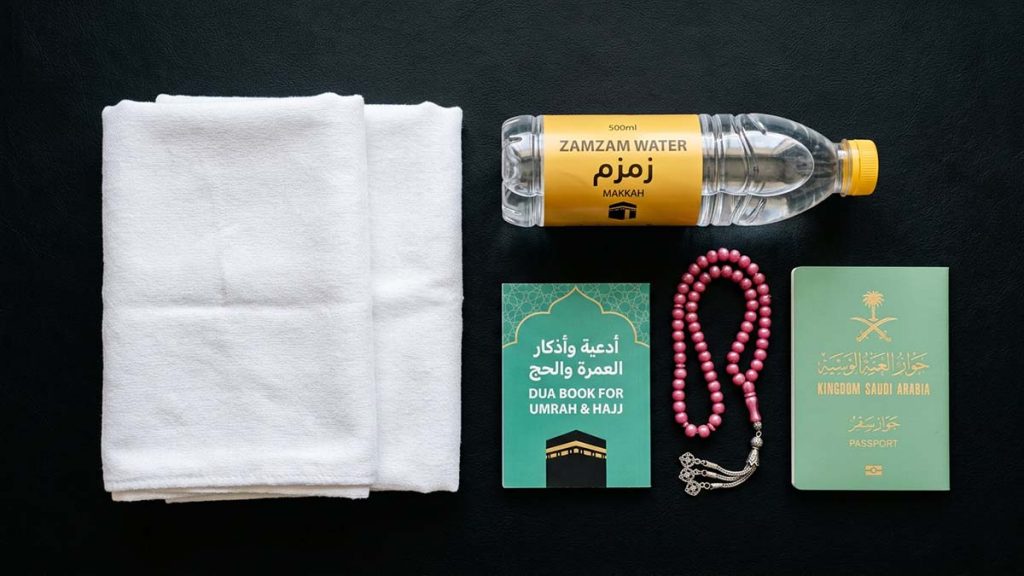
Umrah is the beloved lesser pilgrimage to Makkah, a journey of worship that a Muslim can undertake at any time of the year. Though shorter and simpler than the great pilgrimage of Hajj, it carries deep reward and a sweetness all of its own, drawing the believer to circle the sacred house and walk in the footsteps of Hajar. Many perform it again and again throughout their lives, seeking forgiveness, renewal, and the peace of standing in the holiest place on earth. In this guide we explore what it is, why it matters, and the beautiful steps every pilgrim follows.
The Quran joins the two pilgrimages together, commanding the believers to complete both the Hajj and the Umrah for the sake of Allah.
وَأَتِمُّواْ ٱلۡحَجَّ وَٱلۡعُمۡرَةَ لِلَّهِ
“And complete the Hajj and Umrah for Allah.”
What Is Umrah?
Umrah is a pilgrimage to the holy city of Makkah that, unlike Hajj, can be performed at any time of the year and in far less time. Often called the lesser pilgrimage, it consists of a small number of rites centred on the Kaaba, and while it is not obligatory in the way Hajj is, it remains a deeply rewarding and beloved act of worship.
The pilgrim enters the sacred state of ihram, circles the Kaaba in tawaf, walks between the hills of Safa and Marwah, and then trims or shaves the hair to complete the journey. In a few hours, the believer can fulfil a profound act of devotion that cleanses the heart and renews their bond with Allah.
6 Beautiful Steps of Umrah
The lesser pilgrimage follows a clear and gentle sequence. Here are six beautiful steps every pilgrim follows during Umrah:
- Enter ihram with sincere intention and, for men, the two white garments.
- Recite the talbiyah, the call announcing your response to Allah.
- Perform tawaf, circling the Kaaba seven times in worship.
- Pray two units behind the Station of Ibrahim after the tawaf.
- Walk between Safa and Marwah, retracing the steps of Hajar seven times.
- Trim or shave the hair to exit ihram and complete the pilgrimage.
The Lesser Pilgrimage in the Quran and Sunnah
The lesser pilgrimage is mentioned directly in Surah Al-Baqarah, where Allah commands the believers to complete both the Hajj and the Umrah for His sake. The Prophet (pbuh) performed Umrah several times in his life and spoke of its great reward, encouraging the believers to seek it as a means of drawing near to Allah and washing away their sins.
Complete the Hajj and the Umrah for the sake of Allah seeking His pleasure and the cleansing of your sins
Why Umrah Matters
Though voluntary, this beloved journey carries immense reward. The Prophet (pbuh) taught that one Umrah to the next is an expiation for the sins committed between them, and that one performed during Ramadan equals the reward of a Hajj with him. Each one is a precious opportunity to seek forgiveness, renew faith, and stand in the most sacred place on earth, available to the believer at almost any time.
One Umrah to the next wipes away the sins between them and an accepted pilgrimage has no reward but Paradise
Entering the State of Ihram
Like Hajj, this journey begins with ihram, entered at an appointed boundary with a sincere intention. Men wear two plain white sheets while women wear modest ordinary clothing, and all set aside perfume, the cutting of hair and nails, arguments, and harm to living things. This sacred state strips away worldly distinctions and prepares the heart for pure, focused worship at the House of Allah.
Tawaf and the Walk of Hajar
At the centre of the journey, the pilgrim circles the Kaaba seven times in tawaf, pouring out prayer and dua with every circuit. Afterwards comes the walk between Safa and Marwah, retracing the desperate search of Hajar for water for her infant son Ismail, a search Allah honoured with the spring of Zamzam that still flows today. Each step is a living memory of trust in Allah.
The Blessing of Zamzam
No visit to Makkah is complete without drinking the blessed water of Zamzam, the spring that gushed forth for Hajar and Ismail by the mercy of Allah. The Prophet (pbuh) described it as blessed and nourishing, and pilgrims drink it with hope and dua, for it is said that the water of Zamzam serves whatever purpose it is drunk for. It is a tangible reminder of Allah’s care for those who trust in Him.
Umrah and the Visit to Madinah
Although it is a separate journey and not a part of the pilgrimage itself, many travellers combine their journey with a visit to the Prophet’s Mosque in Madinah. There they send peace upon the Prophet (pbuh) and pray in a mosque he himself built. This visit deepens the experience, connecting the believer to the city that welcomed and supported the Prophet (pbuh) and the early believers.
Common Mistakes to Avoid
To keep the lesser pilgrimage focused and accepted, avoid these slips:
- Performing the rites without learning their meaning beforehand.
- Treating the journey as tourism rather than sincere worship.
- Breaking the conditions of ihram out of carelessness.
- Rushing the tawaf and the walk without dua or reflection.
- Neglecting good manners and patience in the busy crowds.
The Reward of Umrah in Ramadan
Among the most beautiful teachings about this journey is its special reward during Ramadan. The Prophet (pbuh) told a woman who had missed Hajj that performing the lesser pilgrimage in the holy month would equal the reward of Hajj performed with him, an astonishing virtue that draws countless believers to Makkah during the nights of fasting.
This does not remove the obligation of Hajj itself, but it shows the immense generosity of Allah, who multiplies the reward of sincere worship in His most blessed month.
A lesser pilgrimage in Ramadan equals the reward of Hajj performed in the company of the Prophet himself
A Journey Shared by Millions
Throughout the year, and especially in Ramadan, vast numbers of believers travel to Makkah to perform this worship. The sacred mosque never empties, with pilgrims circling the House at every hour of the day and night. Joining this endless stream of worshippers gives the believer a profound sense of belonging to a faith that spans the entire globe.
At every hour of day and night pilgrims circle the sacred House in unbroken worship that never ceases through the year
Performing It More Than Once
Because it can be done at any time and takes only a few hours, many believers perform it repeatedly during a single stay in Makkah or across their lifetime. Each one is an opportunity to wipe away sins and refresh the heart. Yet quality always matters more than quantity, and a single visit performed with presence and devotion is far greater than many done in haste.
The Peace of the Sacred Mosque
Beyond the rites themselves, there is a deep peace that settles on the heart within the sacred mosque of Makkah. Surrounded by worshippers from every corner of the earth, gazing upon the House that Muslims face in every prayer, the believer feels a closeness to Allah that is hard to find anywhere else. Many describe their time there as the most tranquil of their lives.
This peace is part of the gift of the journey. It reminds the believer that the heart finds its true rest not in worldly comfort but in the remembrance of Allah and the warmth of His sacred house.
Lessons Umrah Teaches Us
The lesser pilgrimage teaches the believer humility, trust in Allah, and the joy of returning to Him. The example of Hajar reminds us to strive while relying on our Creator, and the simple white garments remind us that we are all equal before Him. It is a beautiful lesson in patience and the endless mercy of Al-Ghafur, the Most Forgiving.
Longing to circle the sacred house? It’s About Islam shares short, beautiful reminders on Umrah, worship, and the holy city you can keep close to your heart. Find us on YouTube, Threads and LinkedIn.
Frequently Asked Questions About Umrah
Umrah is the lesser pilgrimage to Makkah, which can be performed at any time of the year. It consists of entering ihram, tawaf around the Kaaba, walking between Safa and Marwah, and trimming the hair.
Hajj is the obligatory pilgrimage performed only in Dhul Hijjah with many rites over several days, while Umrah is a shorter, voluntary pilgrimage that can be done any time of year.
Umrah is not obligatory in the way Hajj is, though scholars differ on its exact ruling. It is a highly rewarding and beloved act of worship that many perform more than once.
Enter ihram with intention, recite the talbiyah, perform tawaf around the Kaaba, pray two units behind the Station of Ibrahim, walk between Safa and Marwah, and trim or shave the hair.
The Prophet (pbuh) said one Umrah to the next is an expiation for the sins between them, and that an Umrah in Ramadan equals the reward of Hajj with him.
Yes. Because it is short and can be done any time, many believers perform it repeatedly, though a single Umrah done with devotion is better than many done in haste.
A Sacred Journey of Renewal
Umrah is a beautiful gift, a pilgrimage of worship and renewal that the believer can seek at almost any time. By entering ihram with sincerity, circling the Kaaba, walking the path of Hajar, and pouring out heartfelt dua, the pilgrim cleanses the soul and refreshes their bond with Allah. May Allah call you to His House, accept your Umrah, and forgive all that has passed.