
Hajj: The Sacred Pilgrimage to Makkah
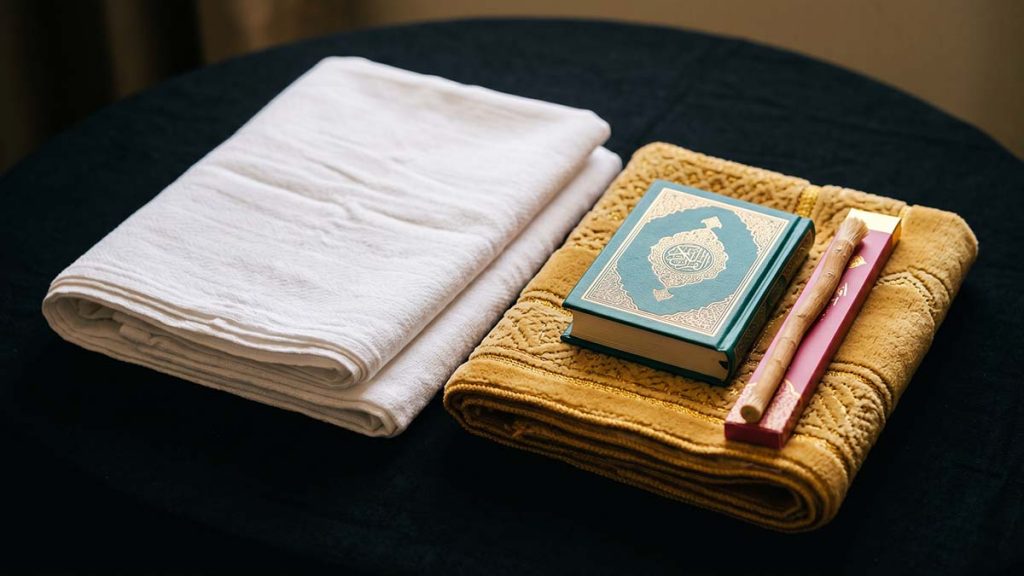
Hajj is the greatest journey of a Muslim’s life, the sacred pilgrimage to Makkah that stands as the fifth pillar of Islam. Once in a lifetime, every believer who is able is called to leave behind their home, wealth, and worldly status to stand before Allah in a sea of millions, all dressed alike and all equal. It is a journey of forgiveness, renewal, and submission that retraces the footsteps of the Prophets Ibrahim and Muhammad (pbuh). Few experiences move the heart so deeply or wash the soul so completely. In this guide we explore what it is, why it matters, and the essential steps every pilgrim performs.
The Quran makes the duty clear, declaring pilgrimage to the House a right owed to Allah by every person who is able to find a way to it.
وَلِلَّهِ عَلَى ٱلنَّاسِ حِجُّ ٱلۡبَيۡتِ مَنِ ٱسۡتَطَاعَ إِلَيۡهِ سَبِيلٗا
“And due to Allah from the people is a pilgrimage to the House, for whoever is able to find a way to it.”
What Is Hajj?
Hajj is the annual pilgrimage to the holy city of Makkah, performed during the month of Dhul Hijjah, and it is the fifth pillar of Islam. It is required once in a lifetime of every adult Muslim who has the physical health and financial means to undertake it safely. Over a few intense days, the pilgrims perform a series of rites first established by Prophet Ibrahim and later perfected by the Prophet Muhammad (pbuh).
The journey centres on the Kaaba, the sacred house of worship that Muslims around the world face in their daily prayers. Yet Hajj is far more than a visit to a place; it is a complete act of worship that strips away rank and wealth, gathering kings and labourers side by side in simple white cloth, all standing as equals before their Creator.
7 Essential Steps of Hajj
The pilgrimage unfolds as a sequence of sacred rites over several days. Here are seven essential steps every pilgrim performs during Hajj:
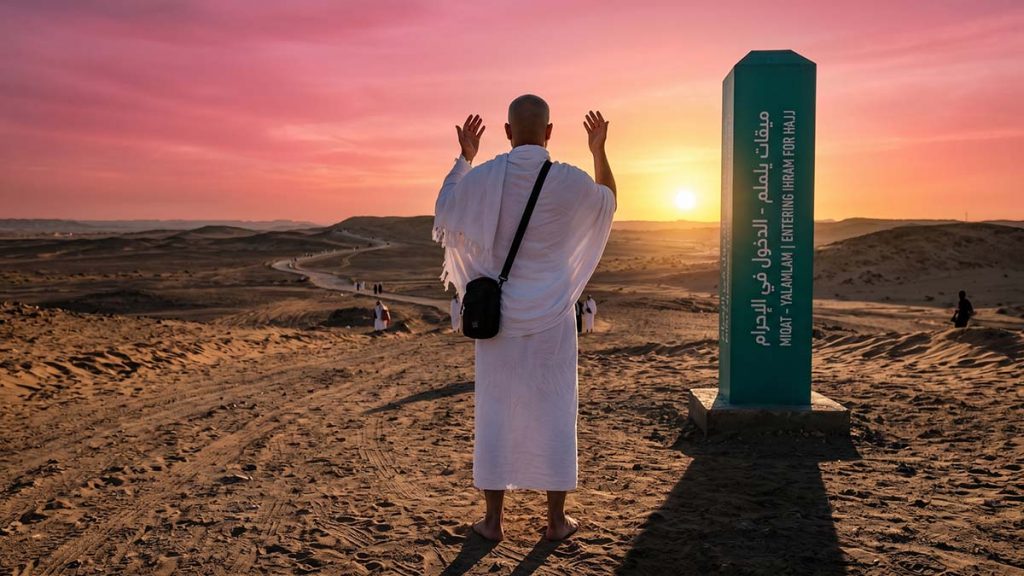
- Enter the state of ihram, the sacred condition marked by white garments and intention.
- Perform tawaf, circling the Kaaba seven times in worship.
- Walk between Safa and Marwah, retracing the search of Hajar for water.
- Stand at Arafah, the great day of supplication and forgiveness.
- Spend the night at Muzdalifah, gathering pebbles for the stoning.
- Stone the pillars at Mina and offer the sacrifice.
- Complete the farewell tawaf before leaving the sacred city.
The Pilgrimage in the Quran and Sunnah
The obligation of Hajj is stated plainly in Surah Ali Imran, where Allah declares that pilgrimage to the House is a duty owed to Him by all who are able. The Prophet (pbuh) performed Hajj once in his life, in what is known as the Farewell Pilgrimage, teaching the believers each rite by his own example and delivering a sermon whose lessons still guide the ummah today.
Pilgrimage to the House is a duty owed to Allah by all who can find a way for whoever is able to make the journey to it
Why Hajj Matters
Hajj holds a unique place in the life of a believer. It is a pillar of the faith, a once-in-a-lifetime duty, and a journey that promises the forgiveness of sins for the one who performs it sincerely. The Prophet (pbuh) gave the beautiful glad tiding that the one who completes the pilgrimage without sin or wrongdoing returns as pure as the day they were born, free of the burdens of the past.
It is also a powerful lesson in equality and humility. Stripped of fine clothes and titles, the rich and poor, the powerful and the unknown, all stand together in identical white cloth, reminded that before Allah there is no distinction but piety. Few experiences teach the heart so vividly how small we are and how great our Creator is.
Whoever performs the pilgrimage without indecency or wrongdoing returns free of sin as pure as the day he was born
The State of Ihram
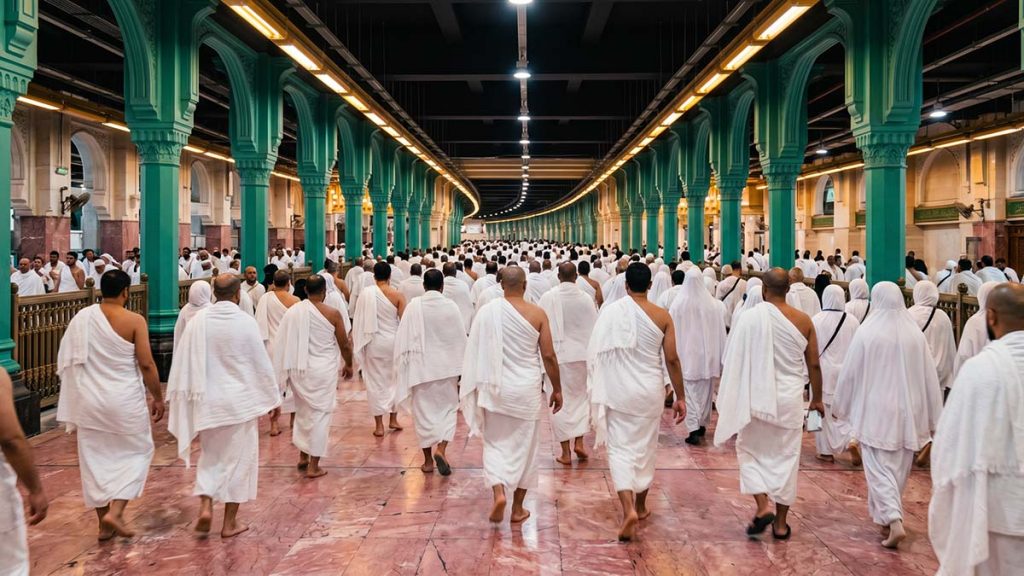
The pilgrimage begins with ihram, a sacred state entered with a sincere intention and, for men, two simple white sheets of unstitched cloth. In this state the pilgrim sets aside many ordinary comforts, refraining from cutting hair or nails, wearing perfume, arguing, or harming any living thing. The plain white garments erase every sign of wealth and status, and the pilgrim steps into the journey humbled and focused entirely on Allah.
Tawaf Around the Kaaba
At the heart of Makkah, the pilgrim performs tawaf, circling the Kaaba seven times in a flowing river of worshippers. Each circuit is filled with prayer, remembrance, and dua, as hearts turn together towards the house that Ibrahim and his son Ismail raised in obedience to Allah. The motion of the crowd, all moving as one, is among the most moving sights in all of Islam.
Standing at Arafah
The greatest day of the pilgrimage is the standing at Arafah, when pilgrims gather on the vast plain to spend the afternoon in prayer and supplication. The Prophet (pbuh) said that Hajj is Arafah, for without this standing the pilgrimage is not complete. It is a day of immense mercy, when Allah draws near, forgives, and frees countless souls from the Fire, and pilgrims weep and beg for pardon until sunset.
There is no day on which Allah frees more people from the Fire than the Day of Arafah when He draws near in mercy
The Days at Mina
Much of the pilgrimage is spent at Mina, a valley near Makkah where pilgrims stay in a vast city of white tents. Here they perform the stoning of the pillars, a re-enactment of Ibrahim’s rejection of Shaytan, and offer the sacrifice that marks Eid al-Adha. The days at Mina blend worship, rest, and reflection as the rites of the pilgrimage reach their climax.
Common Mistakes to Avoid
To make the pilgrimage smooth and accepted, avoid the following:
- Neglecting to learn the rites in advance and arriving unprepared.
- Losing patience and arguing in the crowds and the heat.
- Focusing on photographs and shopping over worship and dua.
- Rushing the rites without presence of heart and reflection.
- Forgetting that good character is part of an accepted pilgrimage.
Preparing for the Journey of a Lifetime
A pilgrimage well prepared is a pilgrimage well performed. Wise pilgrims study the rites, settle their debts, seek forgiveness from those they have wronged, and save lawful wealth for the journey. They also prepare physically for long days of walking and standing in the heat, and spiritually by increasing their worship and purifying their intention so that the journey is for Allah alone.
This preparation is part of the worship itself. The believer who approaches Hajj with knowledge, patience, and a sincere heart is far more likely to taste its sweetness and return transformed, rather than merely exhausted by its hardships.
A Lesson in Equality Before Allah
Among the most striking lessons of the pilgrimage is its powerful display of human equality. In their simple white garments, kings and labourers, the famous and the unknown, become indistinguishable, standing shoulder to shoulder in the same rites. In his Farewell Sermon, delivered to the gathered pilgrims, the Prophet (pbuh) declared that no person is better than another except through piety and good deeds, a message that echoes across the centuries.
This equality is not only symbolic but deeply spiritual. Stripped of every worldly marker of status, the pilgrim is reminded that Allah looks not at wealth or appearance but at the heart, and that the only true nobility lies in devotion to Him.
All of you are from Adam and none is better than another except by piety so the noblest among you is the one most mindful of Allah
The Spiritual Impact of Hajj
For most who experience it, the pilgrimage marks a turning point in life. Standing among millions, all equal before Allah, melts away pride and worldly attachment, while the forgiveness promised to the sincere pilgrim offers a fresh and clean beginning. Many return home gentler, more grateful, and more devoted, carrying the lessons of the journey into every day that follows.
Lessons Hajj Teaches Us
The pilgrimage teaches the believer humility, equality, and total submission to Allah. It shows that wealth and status mean nothing before the Creator, that the heart is cleansed through worship and repentance, and that this life is a brief journey towards Him. It is a living lesson in patience and the forgiveness Allah offers to all who turn back to Him.
Dreaming of the sacred journey to Makkah? It’s About Islam shares short, beautiful reminders on Hajj, worship, and the Prophets you can carry with you. Find us on YouTube, Facebook and X.
Frequently Asked Questions About Hajj
Hajj is the annual pilgrimage to Makkah and the fifth pillar of Islam. It is an obligation once in a lifetime upon every adult Muslim who is physically and financially able to perform it.
Hajj takes place during the month of Dhul Hijjah, the last month of the Islamic calendar, with the main rites concentrated over several days from the eighth to the thirteenth.
They include entering ihram, performing tawaf around the Kaaba, walking between Safa and Marwah, standing at Arafah, staying at Muzdalifah, stoning the pillars at Mina, offering a sacrifice, and the farewell tawaf.
Hajj is a pillar of Islam and a journey of forgiveness and renewal. The Prophet (pbuh) said the one who performs it sincerely returns as free of sin as the day they were born.
Every adult Muslim who has the health and the lawful means to travel safely is obliged to perform Hajj once in their lifetime.
The standing at Arafah is the most important rite. The Prophet (pbuh) said that Hajj is Arafah, for without this standing the pilgrimage is not complete.
The Journey of a Lifetime
Hajj is the crowning journey of a believer’s life, a pilgrimage of submission, forgiveness, and renewal that draws millions to stand as equals before Allah. By learning the rites, preparing the heart, and performing each step with sincerity and patience, the pilgrim returns cleansed and transformed. May Allah invite you to His House, accept your pilgrimage, and return you with a heart as pure as a newborn’s.