
Dhul Hijjah: The Sacred Month of Pilgrimage
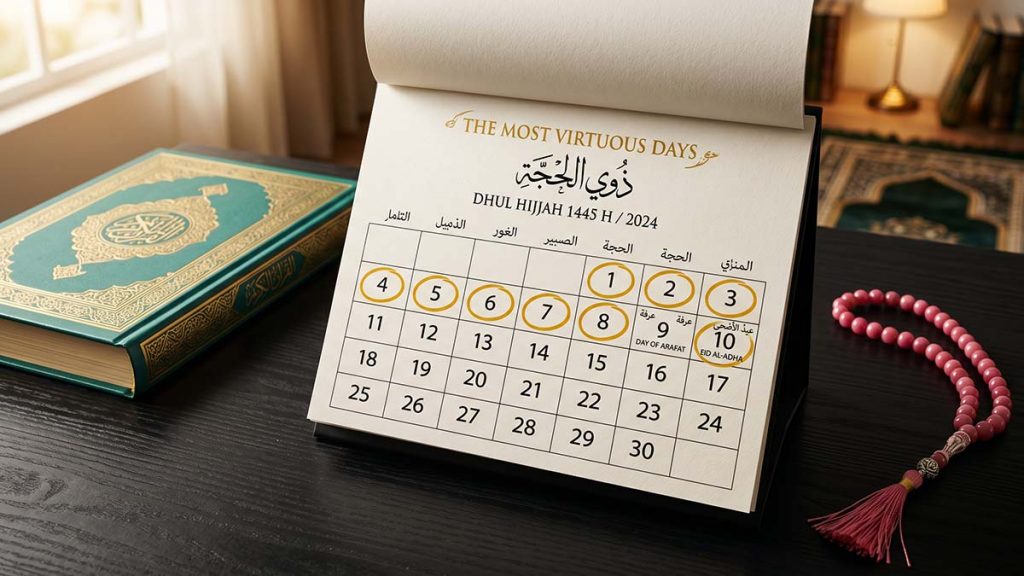
Dhul Hijjah is the final and one of the most blessed months of the Islamic year, the sacred month in which the great pilgrimage of Hajj takes place. Its first ten days are described by the Prophet (pbuh) as the most beloved days for good deeds in the entire year, a precious season of fasting, charity, remembrance, and worship. It is the month of the Day of Arafah, the festival of sacrifice, and countless opportunities for reward. In this guide we explore what it is and the powerful virtues that make this sacred month so dear to every believer.
The Quran itself swears an oath by the dawn and by the ten blessed nights, an oath that scholars connect to the first ten days of this sacred month.
وَٱلۡفَجۡرِ وَلَيَالٍ عَشۡرٖ
“By the dawn, and by the ten nights.”
What Is Dhul Hijjah?
Dhul Hijjah is the twelfth and final month of the Islamic calendar, and one of the four sacred months honoured by Allah. Its name means the possessor of the pilgrimage, for it is the month in which the great pilgrimage of Hajj is performed, drawing millions of believers to Makkah from every corner of the earth.
The month is famous for its first ten days, which the Prophet (pbuh) described as the most virtuous days of the year for good deeds. Within it fall the Day of Arafah and the festival of Eid al-Adha, making it a season overflowing with worship and reward for pilgrims and non-pilgrims alike.
6 Powerful Virtues of Dhul Hijjah
This sacred month is rich with blessings the wise believer seeks to capture. Here are six powerful virtues of the month of Dhul Hijjah:
- Its first ten days are the most beloved to Allah for good deeds.
- It is the month of Hajj, the fifth pillar of Islam.
- It contains the Day of Arafah, the greatest day of the year.
- It holds the festival of Eid al-Adha and the sacrifice.
- It is one of the four sacred months honoured in the Quran.
- Good deeds are multiplied in its blessed and honoured days.
The Sacred Month in the Quran and Sunnah
The greatness of the first ten days is hinted at in the Quran itself. In Surah Al-Fajr, Allah swears an oath by the dawn and by ten nights, an oath that many scholars understand to refer to the first ten days of this sacred month, underlining their immense status. The Prophet (pbuh) confirmed their virtue, urging the believers to fill them with good deeds.
By the dawn and by the ten blessed nights an oath from Allah to the greatness of these days
Why Dhul Hijjah Matters
The month matters because it contains the single most rewarding season of the year for good deeds. The Prophet (pbuh) said that no days are more beloved to Allah for righteous action than the first ten of this month, even greater than striving in His path, except for one who gives his life. This makes it a golden opportunity that no believer should let pass unused.
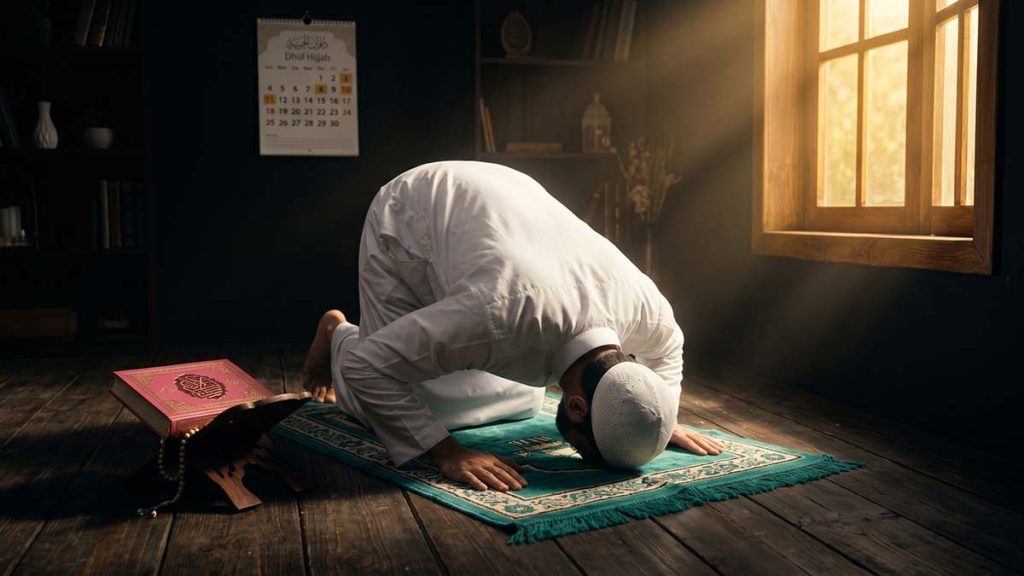
It is also a month that unites the whole ummah in worship. While the pilgrims perform the rites of Hajj, believers everywhere fast, give charity, and remember Allah, all sharing in the blessings of the same sacred days. Few months bring the global community of believers together in worship quite like this one.
There are no days in which good deeds are more beloved to Allah than these ten days so increase in worship within them
The Best Ten Days of the Year
The first ten days of the month are a treasure unlike any other. The believer is encouraged to fill them with every kind of good: fasting, especially on the Day of Arafah, reciting the Quran, giving charity, remembering Allah, and increasing in voluntary prayer. Even small, consistent acts of worship carry great weight in these blessed days, making them the perfect time for a spiritual boost.
The Day of Arafah
The ninth day of the month is the Day of Arafah, the greatest day of the entire year. On this day the pilgrims stand on the plain of Arafah in prayer and supplication, while believers elsewhere fast and seek forgiveness. The Prophet (pbuh) said that fasting it expiates the sins of two years, making it one of the most rewarding single days a believer can observe.
The Festival of Sacrifice
The tenth day brings Eid al-Adha, the festival of sacrifice, when believers offer the Qurbani in remembrance of the devotion of Prophet Ibrahim. The festival and the days that follow are filled with prayer, the takbir, the sacrifice, and the sharing of meat with the poor, crowning the sacred month with joy and generosity after its days of intense worship.

How to Make the Most of the Month
The believer can seize the blessings of the month by planning ahead and starting strong from the very first day. Increasing in fasting, prayer, dua, charity, and the remembrance of Allah, while reciting the takbir through the days, fills the season with reward. Even those unable to perform Hajj can earn immense good simply by treating these ten days as the precious gift they are.
Common Mistakes to Avoid
To capture the full reward of the month, it helps to avoid the following:
- Letting the best ten days of the year pass without extra worship.
- Treating wrongdoing lightly in days of heightened sanctity.
- Focusing only on the festival and neglecting the ten days before it.
- Missing the fast of the Day of Arafah for those able to keep it.
- Forgetting the takbir that fills these blessed days with remembrance.
A Season Shared by the Whole Ummah
There is a beautiful unity in this sacred month. As the pilgrims gather at the holy sites, believers across the world join them in spirit, fasting, giving, and remembering Allah through the same blessed days. This shared devotion links the whole community of believers and reminds each one that they belong to a single body turning together towards their Creator.
The Takbir of the Ten Days
A beautiful feature of the blessed ten days is the recitation of the takbir, proclaiming the greatness of Allah. The companions would raise their voices in takbir during these days, in the markets and the streets, so that the whole community echoed with the remembrance of Allah. Reviving this practice fills the days with devotion and unites the believer with the worship of the early generations.
From the dawn of the Day of Arafah through the days of the festival, the takbir is recited after the obligatory prayers, linking the believer at home to the pilgrims at the holy sites and keeping the greatness of Allah on every tongue.
In the blessed ten days the believers proclaim the greatness of Allah in homes and markets as the early generations did
A Spiritual Boost Before the Year Ends
Coming at the very close of the year, the month offers the believer a final, powerful chance to fill their record with good deeds. Even those who feel they have fallen short can seize these ten days as a spiritual boost, fasting, praying, giving, and seeking forgiveness with renewed energy. Each year, millions answer the call of the pilgrimage, while believers everywhere share in the blessings of the same sacred days.
There is great wisdom in ending the year with such a season of worship. It allows the believer to close one year and prepare for the next in a state of devotion, carrying the momentum of these blessed days forward into the months to come.
Each year millions of believers answer the call of the pilgrimage while the world joins them in the worship of these sacred days
Lessons Dhul Hijjah Teaches Us
The sacred month of pilgrimage teaches the believer to seize seasons of mercy, to fill blessed days with worship, and to draw near to Allah through fasting, charity, and remembrance. It reminds us that good deeds are multiplied in honoured times, and it calls us to meet the gifts of Allah with gratitude and sincere devotion.
Eager to capture the best ten days of the year? It’s About Islam shares short, beautiful reminders on Dhul Hijjah, Hajj, and worship you can share. Find us on YouTube, Facebook and X.
Frequently Asked Questions About Dhul Hijjah
Dhul Hijjah is the twelfth and final month of the Islamic calendar and one of the four sacred months. It is the month of Hajj, and its first ten days are the most blessed of the year.
The Prophet (pbuh) said no days are more beloved to Allah for good deeds than the first ten of this month, making them a precious season of fasting, charity, and worship.
The month contains the Day of Arafah, the greatest day of the year, and Eid al-Adha, the festival of sacrifice, along with the rites of Hajj at the holy sites.
Fasting, especially on the Day of Arafah, reciting the Quran, giving charity, increasing in prayer and dua, and reciting the takbir through the blessed days.
No. Even those not performing Hajj can earn immense reward by fasting, giving charity, and worshipping during the blessed first ten days of the month.
Yes, Dhul Hijjah is one of the four sacred months mentioned in the Quran, in which good deeds carry greater reward and wrongdoing is graver.
Seizing the Sacred Month
Dhul Hijjah is a treasure at the close of the year, a sacred month holding the best ten days, the great pilgrimage, the Day of Arafah, and the festival of sacrifice. By filling its days with fasting, charity, remembrance, and worship, the believer captures a season of reward unlike any other. May Allah accept your worship in these blessed days and grant you their full reward.