
Eid al-Adha: The Festival of Sacrifice

Eid al-Adha is the greater of the two Islamic festivals, a day of worship, sacrifice, and gratitude that falls at the climax of the Hajj pilgrimage. It honours the unshakeable faith of Prophet Ibrahim, who was willing to sacrifice all he loved in obedience to Allah, and it reminds every believer that true devotion means surrendering our will to our Creator. Marked by the festival prayer, the sacrifice of an animal, and the sharing of meat with the poor, the day blends deep meaning with joyful celebration. In this guide we explore what it is, why it matters, and how to honour it as the Prophet (pbuh) did.
The Quran tells the believer to turn to the Lord in prayer and sacrifice, an act of pure devotion at the heart of this festival.
فَصَلِّ لِرَبِّكَ وَٱنۡحَرۡ
“So pray to your Lord and sacrifice.”
What Is Eid al-Adha?
Eid al-Adha, meaning the festival of sacrifice, is celebrated on the tenth day of the month of Dhul Hijjah, at the conclusion of the great rites of Hajj. It commemorates the willingness of Prophet Ibrahim to sacrifice his beloved son in obedience to Allah, and Allah’s mercy in ransoming the boy with a ram, a story of submission that lies at the heart of the faith.
The festival lasts up to four days and centres on the Qurbani, the sacrifice of a permitted animal whose meat is shared with family, friends, and the poor. It blends solemn remembrance of Ibrahim’s devotion with the joy of celebration, prayer, and generosity to the needy.
7 Beautiful Sunnah Acts for Eid al-Adha
The Prophet (pbuh) showed a beautiful way to honour this day. Here are seven Sunnah acts to make your Eid al-Adha complete:
- Recite the takbir from the Day of Arafah through the days of the festival.
- Take a bath (ghusl) and wear your best, cleanest clothes.
- Delay eating until after the prayer, then eat from your sacrifice.
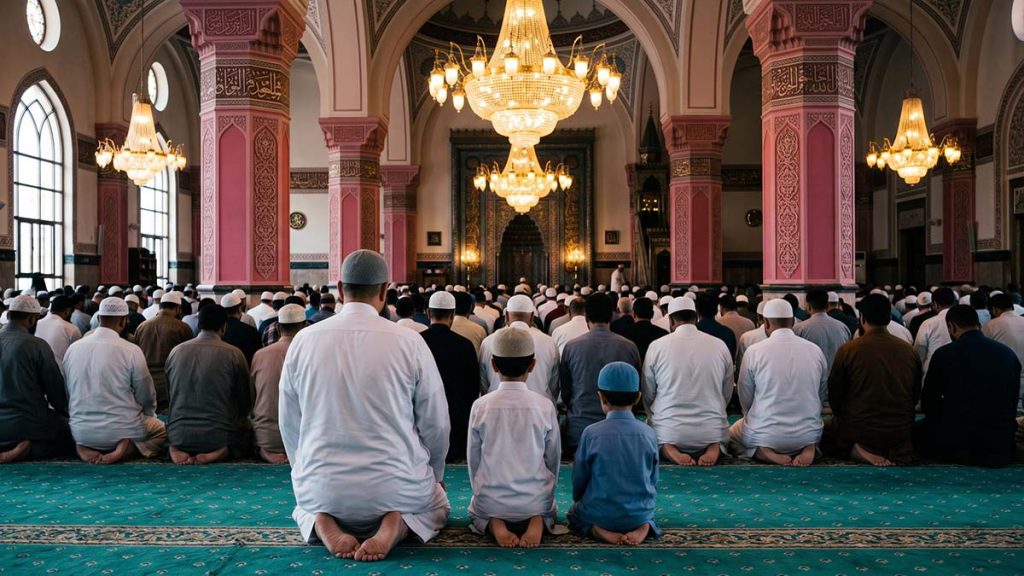
- Attend the Eid prayer in congregation in the morning.
- Offer the Qurbani, the sacrifice, after the prayer.
- Share the meat with family, neighbours, and especially the poor.
- Exchange greetings and visit loved ones in joy and gratitude.
The Festival in the Quran and Sunnah
The spirit of the day is captured in Surah Al-Kawthar, where Allah commands the Prophet (pbuh) to pray to his Lord and sacrifice. The story of Ibrahim’s trial is told in the Quran as a timeless example of submission, and the Prophet (pbuh) established this festival as a day of prayer, sacrifice, and remembrance for all the believers who came after him.
So turn to your Lord in prayer and offer the sacrifice to Him alone for He is the One who has given you abundance
Why Eid al-Adha Matters
This festival carries one of the deepest lessons in Islam: that love of Allah comes before everything we hold dear. Ibrahim’s readiness to give up his son, and the son’s willingness to submit, teach the believer that true faith means trusting Allah even when His commands are hard. The sacrifice is a living reminder to surrender our own desires to the will of our Creator.
When Ibrahim and his son both submitted fully to the command of Allah the trial was complete and the boy was ransomed with a great sacrifice
The Story of Ibrahim and His Son
At the core of the festival is the story of Prophet Ibrahim, who saw in a dream that he was sacrificing his son. Understanding it as a command from Allah, he prepared to obey, and his son willingly agreed to submit. As Ibrahim laid him down, Allah called out that he had fulfilled the vision and ransomed the boy with a magnificent ram. Their devotion is honoured by Muslims every year through the sacrifice.
The Connection to Hajj
Eid al-Adha falls in the middle of the rites of Hajj, the great pilgrimage to Makkah. While pilgrims complete the stoning of the pillars and offer their sacrifice near Mina, believers around the world join them in spirit by celebrating the same festival and offering their own. This bond links the whole ummah to the holy sites and the legacy of Ibrahim.
Sharing the Meat of the Sacrifice
A beautiful feature of the day is the sharing of the sacrificial meat. It is traditionally divided into three: one part for the family, one for relatives and friends, and one for the poor and needy. In this way the joy of the festival reaches every household, the hungry are fed, and the believer’s spirit of charity turns a personal act of worship into a gift for the whole community.
Common Eid Mistakes to Avoid
To keep the day true to its purpose, avoid the following:
- Treating the sacrifice as mere custom rather than an act of worship.
- Forgetting to share a generous portion of the meat with the poor.
- Missing the Eid prayer or arriving late to the gathering.
- Neglecting the takbir during the blessed days of the festival.
- Losing the lesson of submission amid the food and festivity.
Celebrating with Family and Community
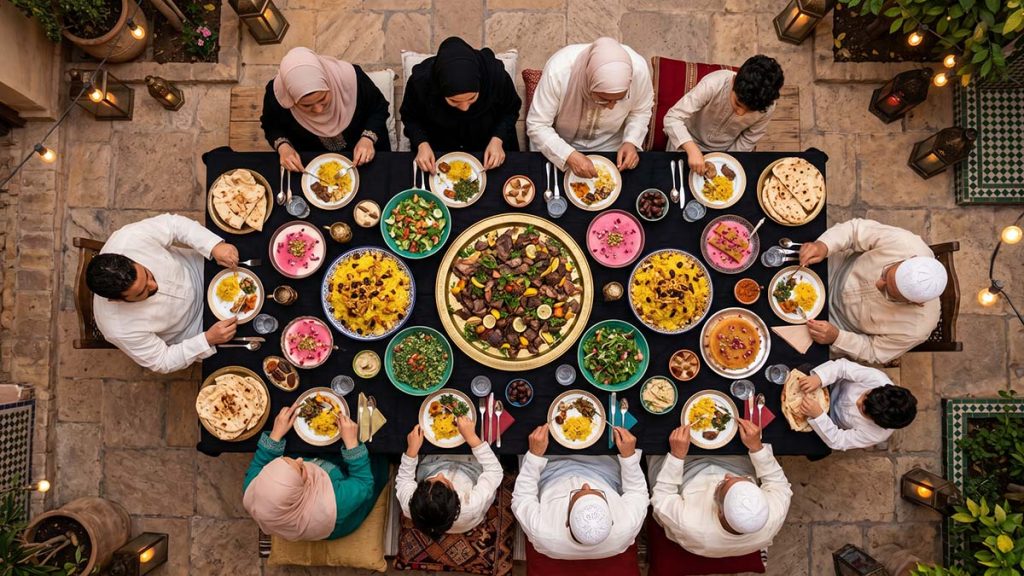
Like every festival, this is a day of warmth and togetherness. Families gather for meals built around the fresh meat of the sacrifice, children receive gifts, and neighbours exchange greetings of Eid Mubarak. Visiting relatives, welcoming guests, and remembering the lonely and the poor all reflect the generosity and joy that the Prophet (pbuh) loved to see on these blessed days.
Keeping the Spirit of Sacrifice Alive
The deeper meaning of the day should outlast the celebration. The willingness of Ibrahim to give up what he loved most invites every believer to ask what they are willing to surrender for Allah, whether a bad habit, a grudge, or some of their wealth. Carrying that spirit of submission and generosity into daily life is the truest way to honour the festival.
Neither the meat nor the blood reaches Allah from your sacrifice but it is your devotion and mindfulness of Him that reaches Him
The Blessed Days of Dhul Hijjah
Eid al-Adha sits at the climax of the first ten days of Dhul Hijjah, which the Prophet (pbuh) described as the most beloved days for good deeds in the sight of Allah. These days are filled with fasting, charity, remembrance, and the recitation of the takbir, building towards the festival itself. The believer who honours them arrives at the day of sacrifice with a heart already softened by worship.
Understanding this wider context deepens the meaning of the festival. It is not an isolated celebration but the joyful peak of ten sacred days, a season of devotion that mirrors the great gathering of the pilgrims at Hajj.
There are no days in which good deeds are more beloved to Allah than these ten days of blessed Dhul Hijjah
Generosity at the Heart of the Day
More than feasting, the festival is defined by giving. The sharing of the sacrificial meat ensures that the poor are not forgotten, and many believers go further, offering extra charity, hosting guests, and checking on the lonely and the struggling. This generosity is the natural fruit of a day built on the willingness to give up what we love for the sake of Allah.
By making generosity central to the celebration, the believer keeps the festival true to its meaning, turning personal joy into a blessing that reaches the whole community.
A Festival for the Whole Family
Like every Islamic celebration, this is a day of warmth and togetherness for families. Loved ones gather around meals built on the fresh meat of the sacrifice, children receive gifts and wear their best clothes, and homes fill with the warmth of visiting relatives. Involving children in the day, explaining the story of Ibrahim and the meaning of the sacrifice, plants a love of faith that stays with them for life.
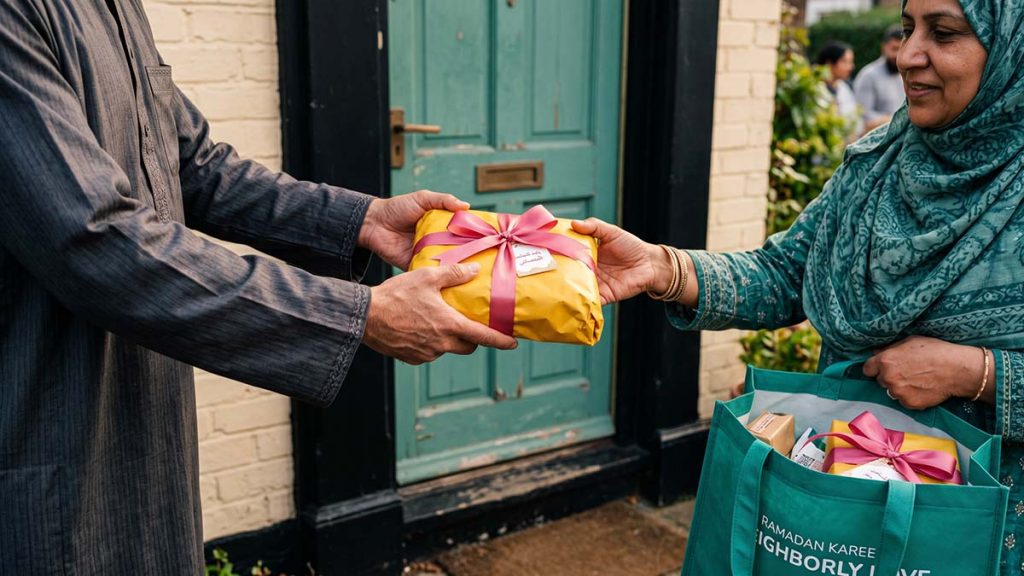
These shared moments are part of the blessing of the festival. By celebrating together while remembering the poor and the lonely, families keep the day rooted in both joy and gratitude, exactly as the Prophet (pbuh) loved to see.
Lessons Eid al-Adha Teaches Us
The festival of sacrifice teaches the believer that obedience to Allah comes before personal desire, that true faith is willing to give, and that worship and generosity belong together. It is a yearly reminder to submit to our Creator, to care for the poor, and to live with the patience and trust that Ibrahim embodied.
Reflecting on the festival of sacrifice? It’s About Islam shares short, beautiful reminders on Eid al-Adha, Hajj, and the legacy of Ibrahim you can share. Find us on YouTube, Instagram and Threads.
Frequently Asked Questions About Eid al-Adha
Eid al-Adha is the festival of sacrifice, celebrated on the tenth of Dhul Hijjah at the climax of Hajj. It honours Prophet Ibrahim’s willingness to sacrifice his son in obedience to Allah.
It falls on the tenth day of Dhul Hijjah, the last month of the Islamic calendar, coinciding with the rites of Hajj, and the celebration lasts up to four days.
It commemorates Ibrahim’s submission to Allah and Allah’s mercy in ransoming his son with a ram. It teaches that love of Allah comes before everything we hold dear.
They include reciting the takbir, taking a bath, wearing your best clothes, delaying eating until after the prayer, attending the Eid prayer, offering the Qurbani, and sharing the meat.
Eid al-Fitr ends Ramadan and is a festival of fasting completed, while Eid al-Adha falls during Hajj and centres on the sacrifice that honours Ibrahim’s devotion.
It is traditionally divided into three parts: one for the family, one for relatives and friends, and one for the poor and needy, so the joy reaches everyone.
Honouring the Festival of Sacrifice
Eid al-Adha is a profound day of worship and joy, honouring the faith of Ibrahim and reminding every believer that obedience to Allah comes first. By attending the prayer, offering the sacrifice, sharing generously with the poor, and reflecting on the lesson of submission, the believer celebrates the way the Prophet (pbuh) taught. May Allah accept your worship and sacrifice, and grant you a blessed and joyful Eid.