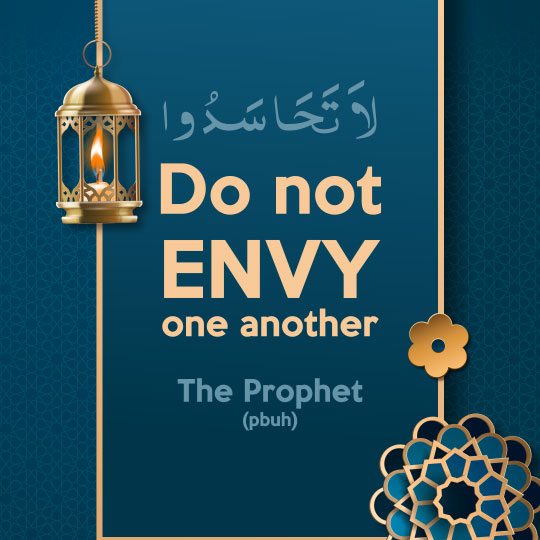
The Prophet (pbuh) commanded Muslims to avoid boycotting, turning away, hating, and envying one another (Muslim 2563). The Quran commands believers to hold firmly to the rope of Allah together and not become divided (Quran 3:103).
Yes. The Prophet (pbuh) explicitly prohibited boycotting among Muslims and said it is not permissible for a Muslim to abandon their brother for more than three days. Reconciliation is a duty, not a choice.
By forgiving quickly, avoiding gossip and envy, reaching out to those they have disagreements with, praying in congregation, and remembering that unity is a divine gift that must be actively protected.



The Prophet Said About Unity Among Muslims
لاَ تَقَاطَعُوا وَلاَ تَدَابَرُوا وَلاَ تَبَاغَضُوا وَلاَ تَحَاسَدُوا وَكُونُوا إِخْوَانًا كَمَا أَمَرَكُمُ اللَّهُ
“Do not boycott one another, do not turn your backs on one another, do not hate one another, do not envy one another, but be brothers as Allah has commanded you.”
This hadith names the five most destructive behaviours that threaten unity among Muslims: boycotting, turning away, hating, envying, and abandoning brotherhood. The Prophet (pbuh) then gives one clear instruction — be brothers as Allah has commanded. It is a teaching that diagnoses the disease and prescribes the cure in a single sentence.
The Five Poisons That Destroy Muslim Unity
The Prophet (pbuh) began with “do not boycott one another” — a warning against cutting people off as a form of punishment or control. Boycotting creates division where Islam demands connection. He then said “do not turn your backs” — meaning do not abandon each other when loyalty is needed most. These two behaviours break the structure of community. When Muslims boycott and turn away, the bonds that hold families and communities together begin to unravel, and the vulnerable are left without support.
The remaining two prohibitions — hatred and envy — target the heart. Hatred poisons the way a person sees their fellow Muslim. Envy makes them resent the blessings Allah has chosen to give someone else. Both are internal sins that eventually manifest in external actions: gossip, exclusion, sabotage, and conflict. As As-Salam, the Source of Peace, Allah commanded brotherhood to protect believers from these very poisons.
“And hold firmly to the rope of Allah all together and do not become divided. And remember the favour of Allah upon you when you were enemies and He brought your hearts together.”
This verse from Surah Ali Imran commands Muslims to hold firmly to the rope of Allah — together, not individually. Division is explicitly forbidden. Allah then reminds believers of a time when they were enemies, and it was He who united their hearts. Unity among Muslims is not a human achievement; it is a divine gift that must be protected. As Al-Jami, the Gatherer, Allah brought hearts together once and He can do it again — but only if believers choose to let go of the poisons that push them apart.
How to Rebuild and Protect Unity
The cure the Prophet (pbuh) prescribed is direct: be brothers. This does not mean pretending differences do not exist. It means choosing reconciliation over resentment, forgiveness over grudges, and connection over isolation. Brotherhood in Islam requires effort — it means reaching out when it is hard, forgiving when it hurts, and being genuinely happy when others are blessed. Unity among Muslims is built not by agreement on everything but by a shared commitment to treat each other with dignity and respect.
For the believer, this hadith is a mirror. It asks: are you boycotting anyone? Have you turned your back on someone who needs you? Do you carry hatred or envy in your heart? Unity among Muslims begins with each individual choosing to remove these poisons from their own character. The community will only be as strong as the hearts within it, and the hearts will only be clean if each Muslim takes this hadith personally and acts on it daily.
Follow our YouTube, X and Pinterest for more Islamic Quotes and reminders on unity and brotherhood in Islam.
The Prophet (pbuh) identified five: boycotting, turning away, hatred, envy, and abandoning brotherhood. Each one starts small but can destroy families, friendships, and entire communities if left unchecked.
Allah commands in Quran 3:103 that Muslims hold firmly to His rope and do not become divided. He reminds them that it was His favour that united their hearts in the first place.
The Prophet (pbuh) said it is not permissible for a Muslim to abandon their brother for more than three days. After that, the one who initiates reconciliation is the better of the two in the sight of Allah.
Envy makes a person resent the blessings Allah gave to someone else, leading to bitterness, gossip, and broken relationships. The Prophet (pbuh) prohibited envy because it directly undermines the brotherhood Allah commanded.