Islam places honouring parents second only to worshipping Allah (Quran 17:23). The Prophet (pbuh) taught that Allah’s pleasure is found through the pleasure of parents (Tirmidhi 1899).
Yes. Disobeying parents is considered one of the major sins in Islam. The Quran forbids even saying a word of annoyance to them. The Prophet (pbuh) linked parental displeasure directly to the displeasure of Allah.
The Prophet (pbuh) said that kindness to parents is one of the deeds most beloved to Allah, ranked second only to prayer at its proper time. Honouring parents is described as a path to Paradise.




The Prophet Said About Parents in Islam
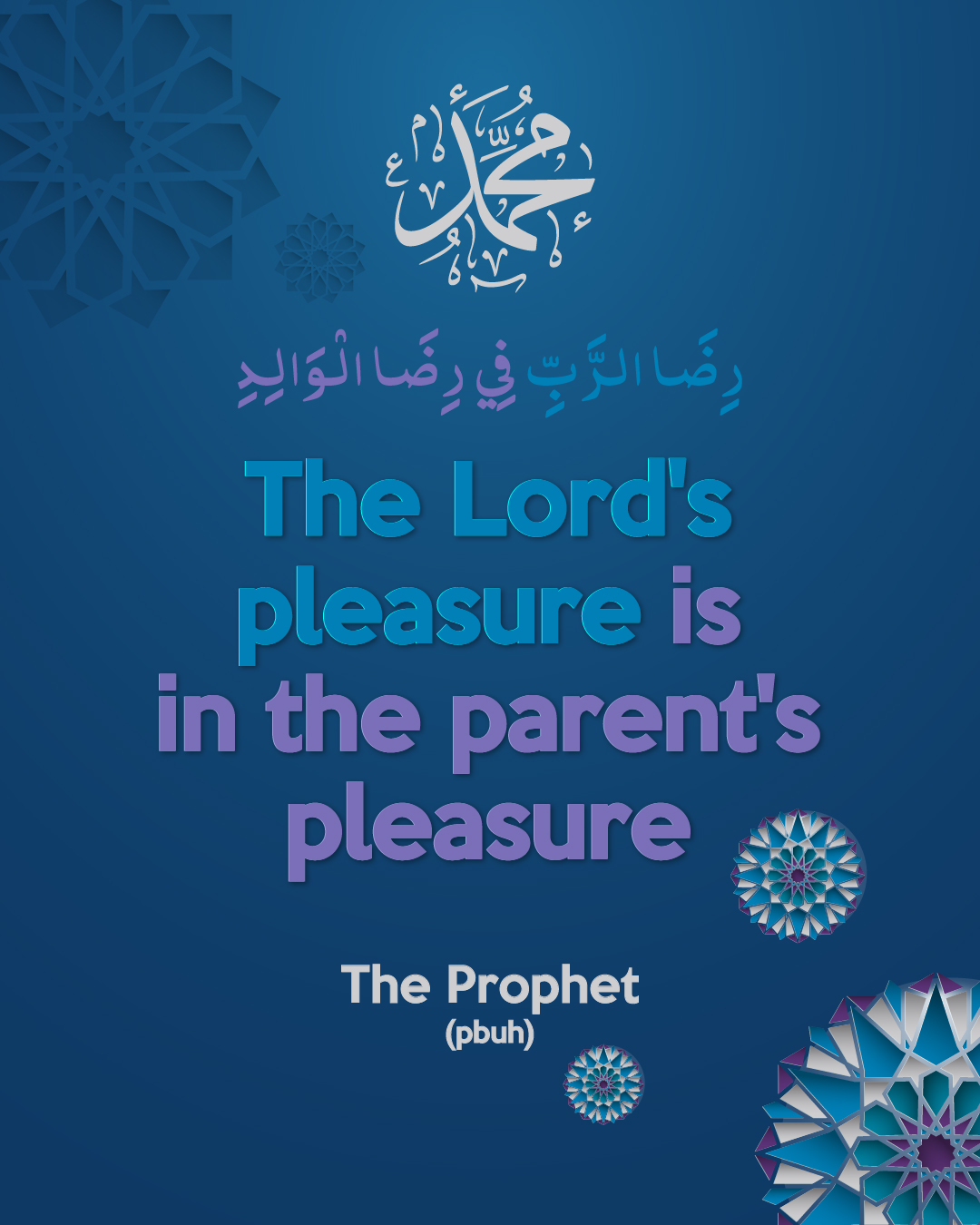
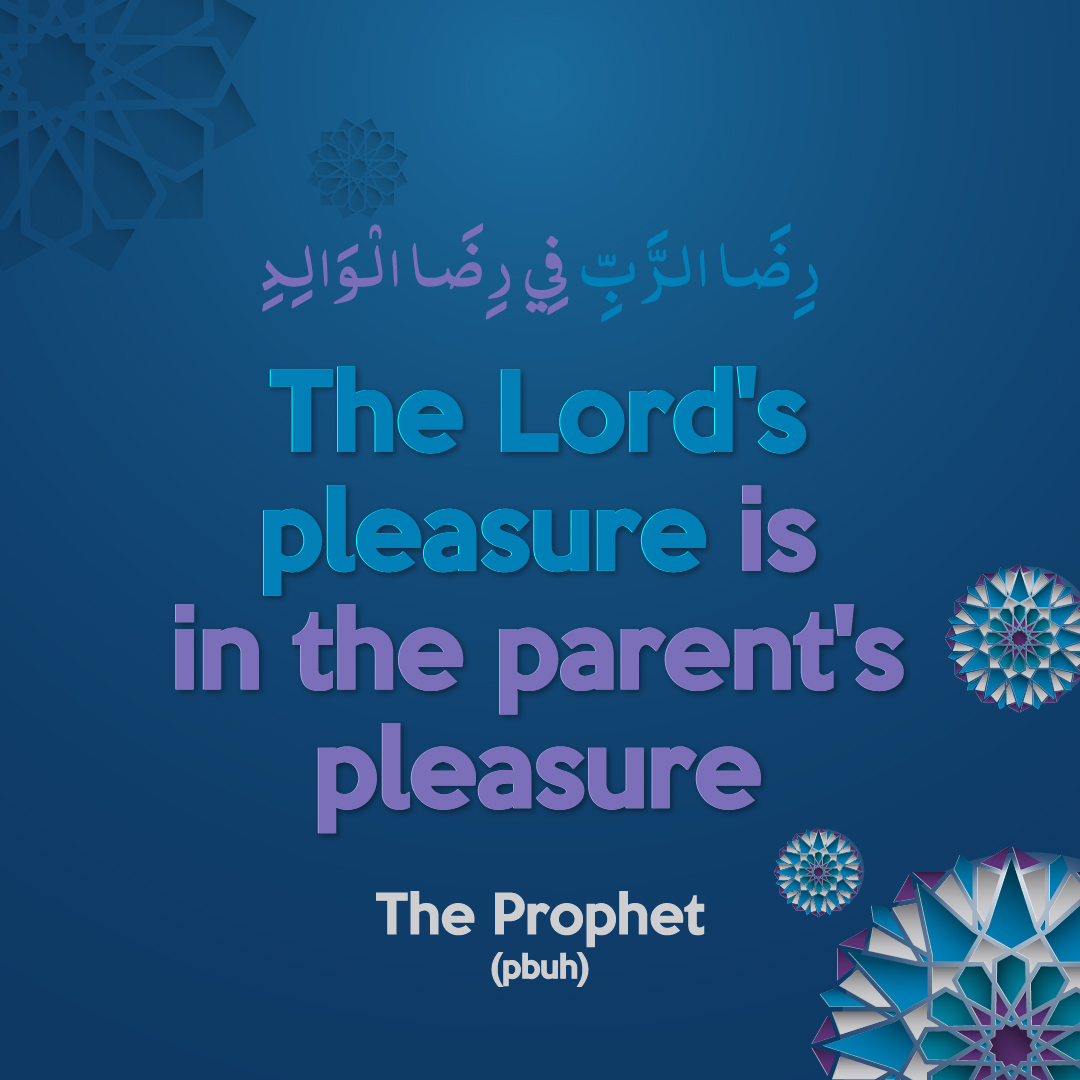
رِضَا الرَّبِّ فِي رِضَا الْوَالِدِ وَسَخَطُ الرَّبِّ فِي سَخَطِ الْوَالِدِ
“The Lord’s pleasure is in the parent’s pleasure, and the displeasure of the Lord is in the displeasure of the parent.”
This hadith draws a direct line between how a Muslim treats their parents and how Allah treats them. The Prophet (pbuh) made it unmistakably clear: parents in Islam hold a position so sacred that pleasing them is linked to pleasing Allah, and angering them risks the displeasure of the Creator Himself.
The Unbreakable Link Between Parents and Allah’s Pleasure
The Prophet (pbuh) did not say that honouring parents is merely important or highly recommended. He said that Allah’s pleasure is found through the pleasure of one’s parents. This means that a person who has a good relationship with Allah but a broken one with their parents has a gap in their faith that cannot be ignored. Conversely, a person who dedicates themselves to making their parents happy is, in reality, walking one of the shortest paths to earning Allah’s love and approval.
The second part of the hadith carries a warning: the displeasure of the Lord is in the displeasure of the parent. This is not a gentle reminder — it is a serious spiritual consequence. A Muslim who speaks harshly to their parents, neglects them in old age, or causes them grief is putting their relationship with Allah at risk. As Al-Barr, the Source of All Goodness, Allah made honouring parents one of the clearest paths to His goodness and one of the most dangerous sins to neglect.
“Your Lord has decreed that you worship none but Him, and that you be kind to parents. Whether one or both of them reach old age with you, do not say to them a word of annoyance and do not repel them.”
This verse from Surah Al-Isra places kindness to parents immediately after the command to worship Allah alone. No other human relationship receives this level of emphasis in the Quran. Allah forbids even a word of annoyance — not just shouting, not just insults, but even the slightest sound of irritation. This standard is extraordinarily high, and it reflects how deeply parents in Islam are honoured. As Ar-Raheem, the Most Merciful, Allah modelled the kind of mercy He expects children to show their parents.
Why Honouring Parents Is a Daily Priority
Honouring parents in Islam is not a one-time obligation or a seasonal gesture. It is a daily commitment that continues throughout their lives and even after their death — through dua, charity, and maintaining the friendships they valued. The Prophet (pbuh) was once asked which deed is most beloved to Allah and answered: prayer at its proper time. When asked what comes next, he said: kindness to parents. This ranking places parents above jihad, above charity, and above almost every other act a Muslim can perform.
For the believer, this hadith simplifies one of the most important questions in life: how do I earn Allah’s pleasure? The answer begins at home. Be patient with your parents when they are difficult. Be present when they are ageing. Be generous with your time, your words, and your love. Parents in Islam are not just family members — they are a direct path to Paradise, and the way you treat them is the way you shape your standing before Allah.
Follow our YouTube, Instagram and Threads for more Islamic Quotes and reminders on honouring parents in Islam.
In Quran 17:23, Allah commands kindness to parents immediately after the command to worship Him alone. He forbids even a word of annoyance and instructs believers to speak to them with humility and compassion.
Yes. The Prophet (pbuh) taught that a person can continue honouring their parents after death through dua, charity on their behalf, and maintaining relationships with the people they loved.
A man asked the Prophet (pbuh) who deserves the best treatment, and he answered: your mother — three times — before mentioning the father. This reflects the extraordinary sacrifice mothers endure through pregnancy, birth, and raising children.
Yes. When a man sought permission to join jihad, the Prophet (pbuh) asked if his parents were alive. When the man confirmed, the Prophet (pbuh) told him: then strive in their service. This places parental care above even military service.