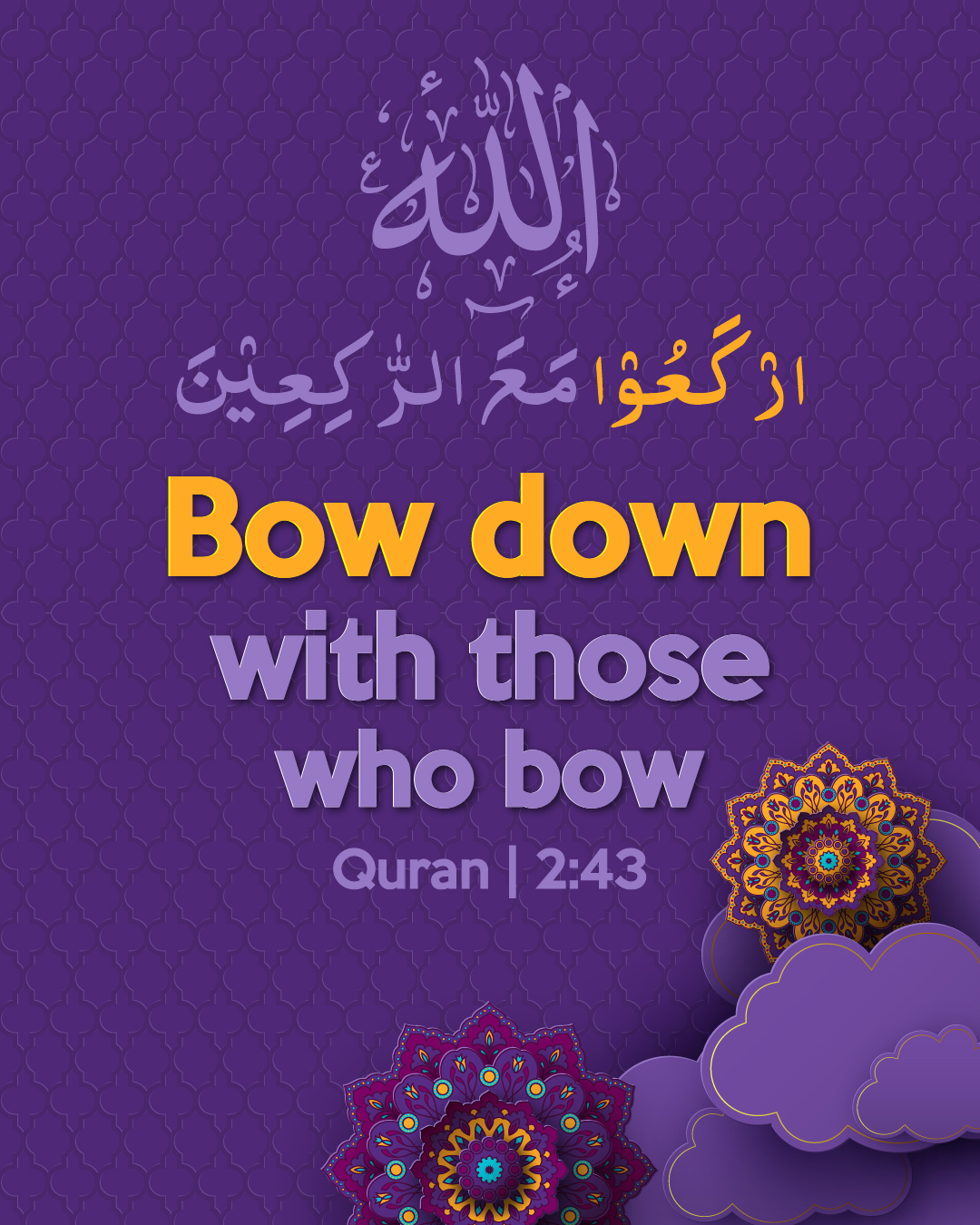
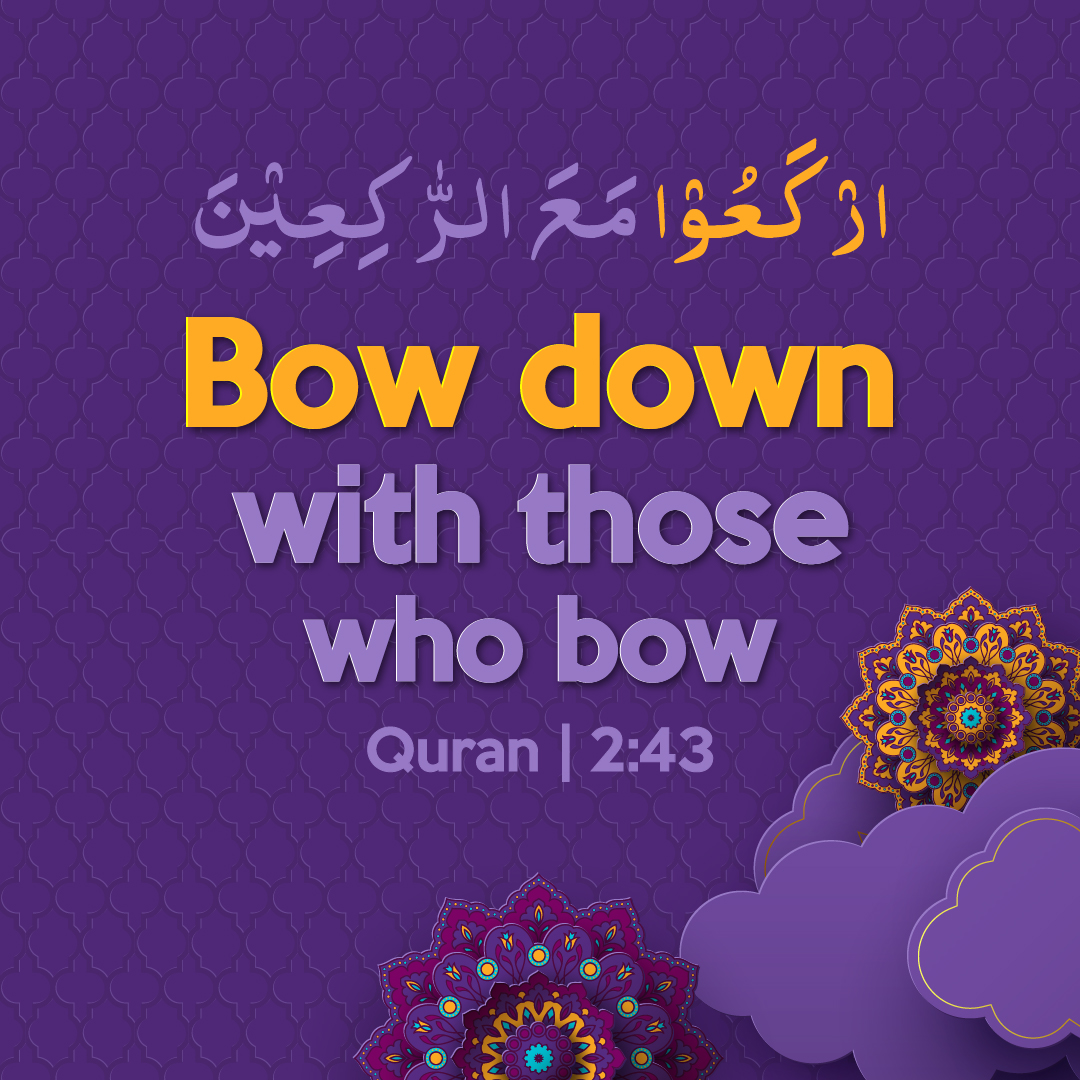
The Prophet (pbuh) said that praying in congregation is twenty-seven times more rewarding than praying alone. Allah commands Muslims in Quran 2:43 to bow down with those who bow, emphasising that worship in Islam is both personal and communal.
Scholars differ on this. Some consider it obligatory (wajib) for men, while others view it as a strongly emphasised sunnah. All agree that praying in congregation carries significantly more reward and is a core part of Islamic practice.
The Prophet (pbuh) taught that prayer in congregation is twenty-seven times more rewarding than praying alone. Beyond the spiritual reward, it builds community bonds and a sense of belonging among believers.










Allah Says About Pairs in Community Prayer in Islam
وَاَقِیۡمُوا الصَّلٰوۃَ وَاٰتُوا الزَّکٰوۃَ وَارۡکَعُوۡا مَعَ الرّٰکِعِیۡنَ ﴿۴۳﴾
“And observe Prayer and pay the Zakat, and bow down with those who bow.”
This verse from Surah Al-Baqarah ties together three pillars of the Muslim’s daily life: prayer, zakat, and praying in congregation. The final instruction — bow down with those who bow — is a direct call to community prayer in Islam, establishing it as a collective act of worship, not a solitary one.
Why Allah Commands Muslims to Pray Together
The phrase “bow down with those who bow” carries a meaning that goes beyond physical proximity. Allah is commanding Muslims to be part of a community of worshippers, to stand shoulder to shoulder, and to humble themselves before Him together. Community prayer in Islam is not merely recommended — scholars consider it a strongly emphasised sunnah, and some regard it as obligatory for men. The Prophet (pbuh) said that prayer in congregation is twenty-seven times more rewarding than praying alone, a number that reflects how much Allah values unity in worship.
By placing this instruction alongside prayer and zakat, Allah shows that worship in Islam is both personal and communal. A person prays to connect with their Creator individually, but they pray in congregation to connect with their community at the same time. Zakat requires giving to others; congregational prayer requires showing up for others. As Al-Jami, the Gatherer, Allah brings believers together — not just on the Day of Judgement but five times a day in the mosque.
“And hold firmly to the rope of Allah all together and do not become divided. And remember the favour of Allah upon you when you were enemies and He brought your hearts together.”
This verse from Surah Ali Imran reinforces the same principle: unity is a command, and division is a sin. Community prayer in Islam is one of the most practical expressions of this unity. When Muslims stand together in rows — regardless of wealth, race, or status — they demonstrate the equality that Islam demands. As As-Salam, the Source of Peace, Allah designed congregational prayer to be a space where social barriers dissolve and believers stand equal before their Lord.
The Impact of Praying in Congregation
Community prayer in Islam builds something that individual prayer alone cannot: a sense of belonging. When a Muslim walks to the mosque five times a day, they become visible to their neighbours. When they miss a prayer, they are noticed and asked about. The mosque becomes more than a place of worship — it becomes the heartbeat of the community. The Prophet (pbuh) understood this and consistently chose to pray in congregation, even during illness, because he knew that the bonds formed in the prayer rows are the bonds that hold a community together.
For the believer, this verse is a reminder that Islam was never designed to be practised in isolation. Faith grows stronger in the company of others who share it. The instruction to bow down with those who bow is an invitation to step out of solitude and into a community that lifts each other — not just spiritually, but socially, emotionally, and even financially through the zakat they give side by side.
Follow our YouTube, Threads and LinkedIn for more Islamic Quotes and reminders on the beauty of worship in Islam.
It means to pray in congregation — to join the community of Muslims in worship rather than praying alone. Allah uses this phrase in Quran 2:43 to emphasise the communal nature of Islamic worship.
Yes. Women can and do pray in congregation, both at the mosque and at home. While it is more emphasised for men to attend the mosque, women who choose to pray there have the right to do so and should not be prevented.
Allah commands Muslims in Quran 3:103 to hold firmly to His rope and not become divided. Congregational prayer is one of the most practical expressions of this unity.
Prayer and zakat appear together frequently in the Quran because they represent the two dimensions of worship: the spiritual (prayer) and the social (zakat). Together they create a believer who is connected to both Allah and the community.