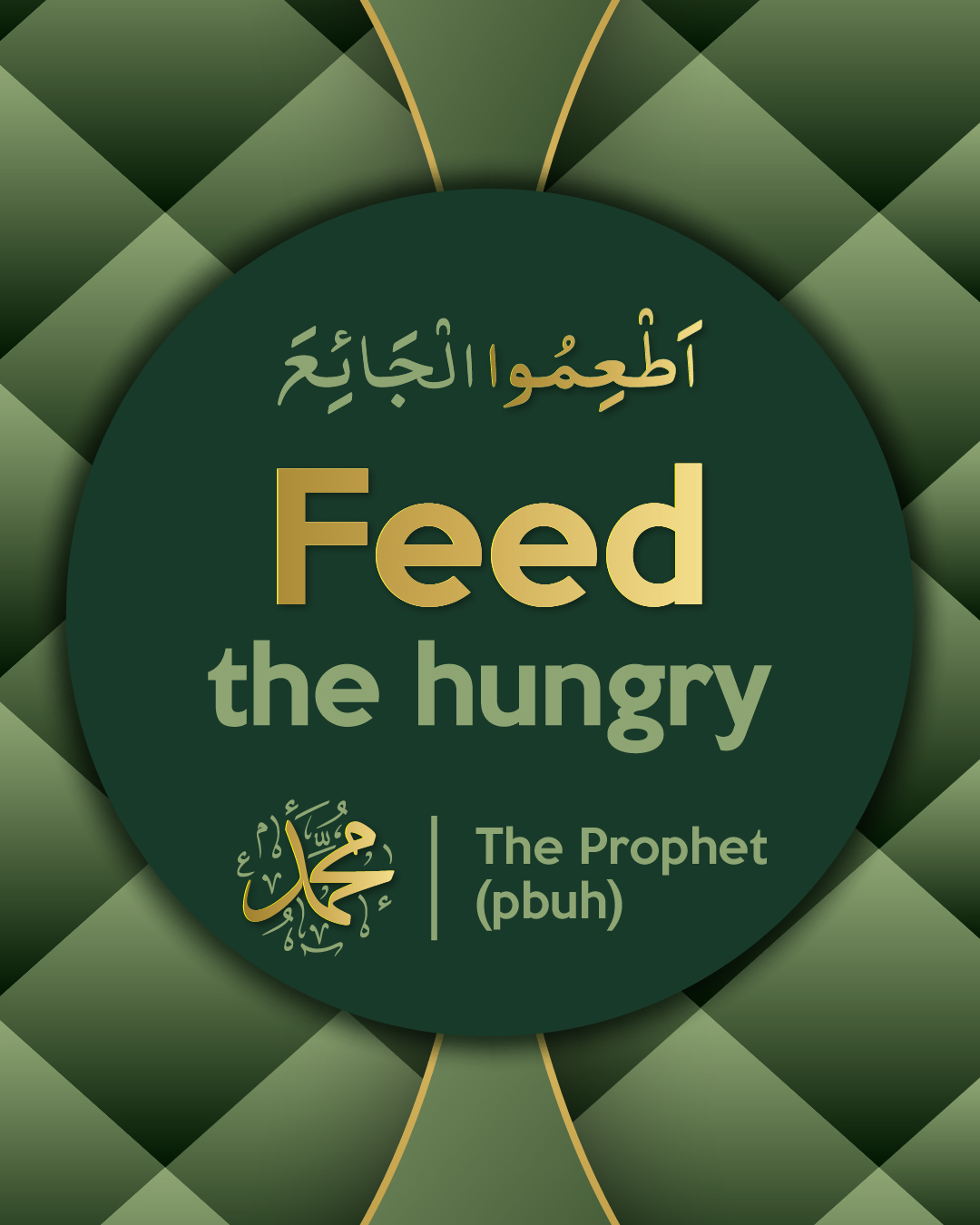
The Prophet (pbuh) commanded Muslims to feed the hungry, visit the sick, and set free the captive (Bukhari 5373). Islam treats helping others as an obligation that flows directly from faith, not as optional charity.
Feeding those in need is considered a fundamental duty in Islam. The Quran praises those who feed the needy despite their own needs (Quran 76:8-9), and the Prophet (pbuh) said that a person who sleeps full while their neighbour is hungry has not truly believed.
Allah rewards acts of compassion generously. The Quran describes those who feed the needy, the orphan, and the captive as receiving a reward that Allah Himself guarantees. Good deeds are multiplied tenfold at minimum.
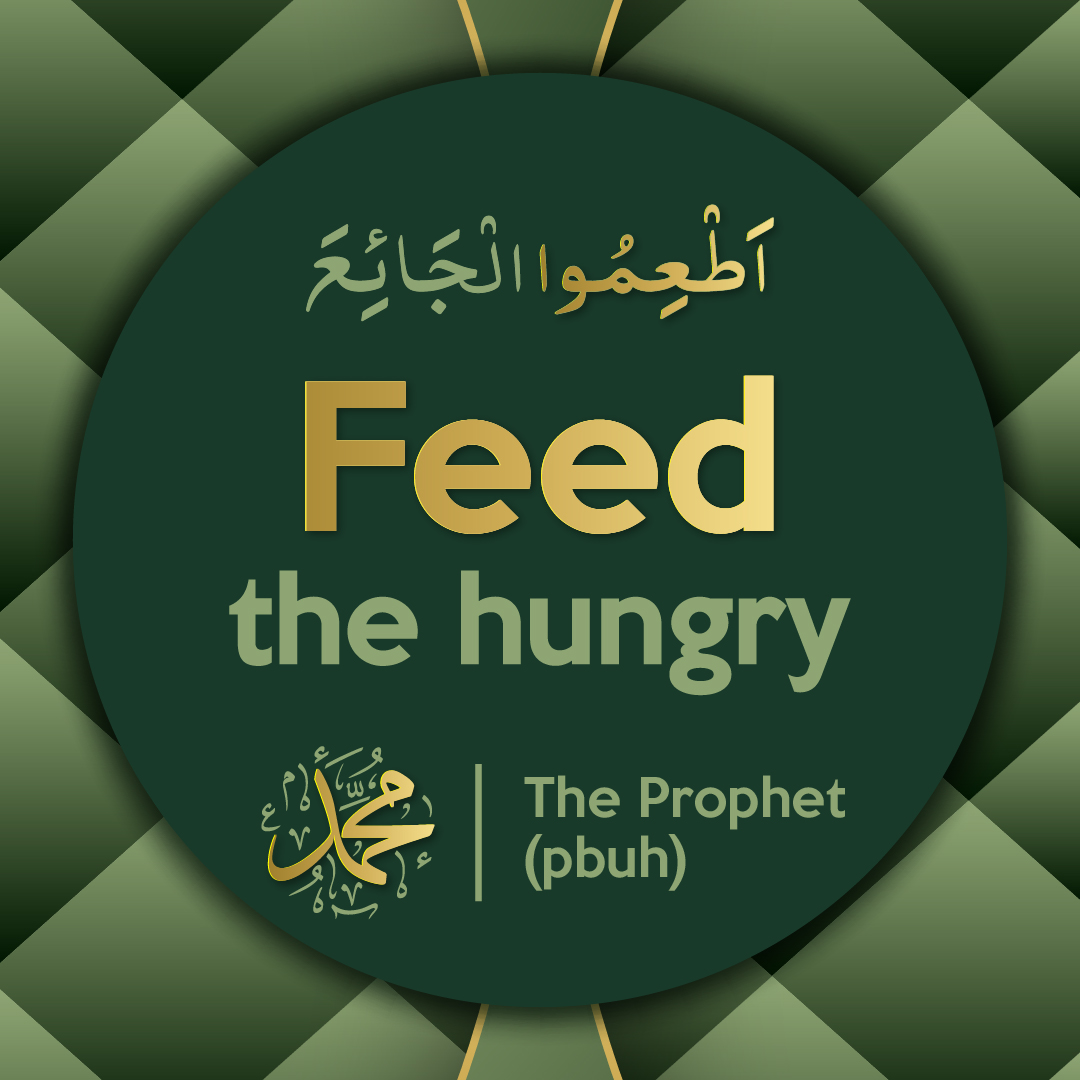






The Prophet Said About Helping Others in Islam
أَطْعِمُوا الْجَائِعَ، وَعُودُوا الْمَرِيضَ، وَفُكُّوا الْعَانِيَ
“Feed the hungry, visit the sick, and set free the captive.”
This hadith captures the essence of helping others in Islam in three direct commands. The Prophet (pbuh) did not offer vague advice about kindness — he named specific acts of compassion that address the most urgent needs of humanity: hunger, illness, and captivity.
The Three Acts of Compassion the Prophet Commanded
Feed the hungry. Visit the sick. Set free the captive. Each instruction targets a different dimension of human suffering. Feeding the hungry addresses physical need — the most basic requirement for survival. Visiting the sick addresses emotional and spiritual need — the comfort of knowing someone cares. Setting free the captive addresses injustice — the liberation of those who have been wrongfully confined. The Prophet (pbuh) chose these three because they represent the full spectrum of help a believer can offer to those around them.
What makes this hadith remarkable is its directness. There are no qualifications about who deserves help or how much a person should give. The commands are universal and unconditional. A Muslim does not ask whether the hungry person is deserving before feeding them. They do not evaluate whether the sick person is close enough to visit. Helping others in Islam is not a calculated decision; it is an instinct that faith is meant to develop. As Ar-Rahman, the Most Compassionate, Allah placed mercy in creation and expects believers to be its instruments.
“And they give food, in spite of their love for it, to the needy, the orphan, and the captive, saying: We feed you for the sake of Allah alone. We wish for no reward nor thanks from you.”
This verse from Surah Al-Insan elevates helping others in Islam to the level of worship. The believers described here give food despite their own need for it — and they do so solely for the sake of Allah. They expect nothing in return: no reward, no recognition, no gratitude. This is the purest form of generosity, and it mirrors the hadith’s spirit perfectly. As Al-Wadud, the Most Loving, Allah loves to see this kind of selfless compassion reflected in His servants.
Why Helping Others Is Central to Islamic Faith
The Prophet (pbuh) consistently taught that faith is not complete without service to others. He said that a person who sleeps full while their neighbour goes hungry has not truly believed. He described the Muslim community as one body — when one part suffers, the rest responds. Helping others in Islam is not charity in the sense of optional generosity; it is an obligation that flows directly from faith. A Muslim who claims to love Allah but ignores the suffering around them has missed a fundamental part of what Islam demands.
For the believer, this hadith is a daily call to action. It asks: who around you is hungry? Who is sick? Who is trapped in a situation they cannot escape? Helping others in Islam starts with noticing, then acting, then never expecting anything in return. The reward comes from Allah alone — and it is far greater than anything the world can offer.
Follow our YouTube, Threads and LinkedIn for more Islamic Quotes and Islamic teachings on compassion and service.
Visiting the sick provides emotional comfort and spiritual support, while freeing the captive addresses injustice. Together with feeding the hungry, these three acts cover the full spectrum of human need: physical, emotional, and social.
Muslims can help others through charity, volunteering, visiting the sick, feeding the hungry, supporting orphans, speaking up against injustice, and simply being kind and generous in everyday interactions.
Yes. The Quran describes believers who give food despite their own love for it, saying they do so for Allah alone and expect no reward or thanks (Quran 76:8-9). This is the standard of generosity Islam promotes.
The Prophet (pbuh) described the Muslim community as one body — when one part suffers, the entire body responds with fever and sleeplessness. This teaching makes helping others a communal responsibility, not just an individual choice.