The Prophet (pbuh) commanded Muslims to fulfil their obligations toward rulers and to ask their rights from Allah (Bukhari 7052). The Quran reinforces this in Quran 4:59, commanding obedience to those in authority as long as they do not contradict Allah’s commands.
No. Obedience is conditional on the ruler not commanding disobedience to Allah. The Prophet (pbuh) said there is no obedience to any created being in disobedience to the Creator. When authority contradicts divine law, a Muslim follows Allah first.
The Prophet (pbuh) advised patience and trust in Allah. He taught Muslims to fulfil their obligations while asking Allah for justice. Islam discourages rebellion that leads to greater harm while encouraging counsel and peaceful advocacy for change.







The Prophet Said About Obeying Rulers in Islam
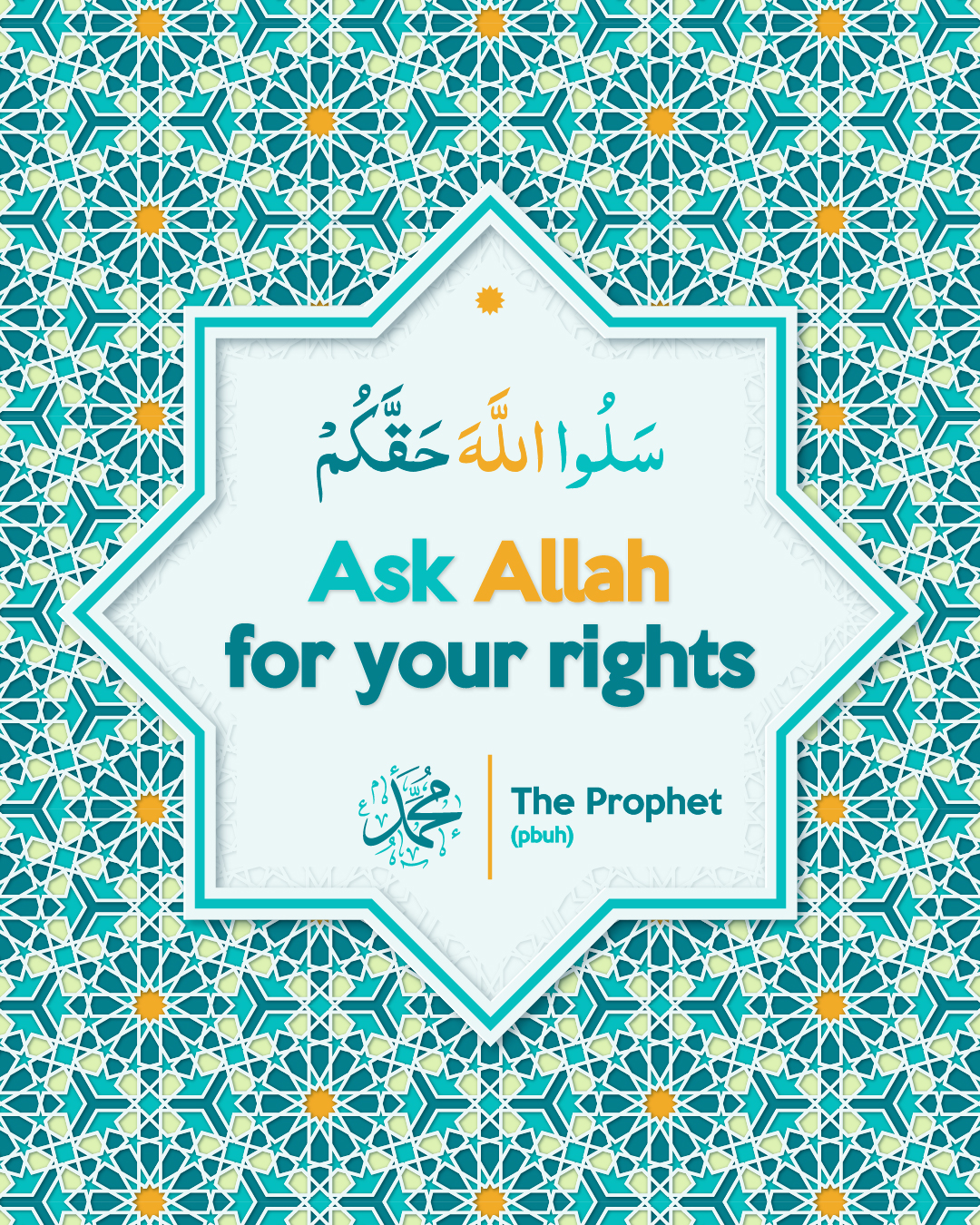
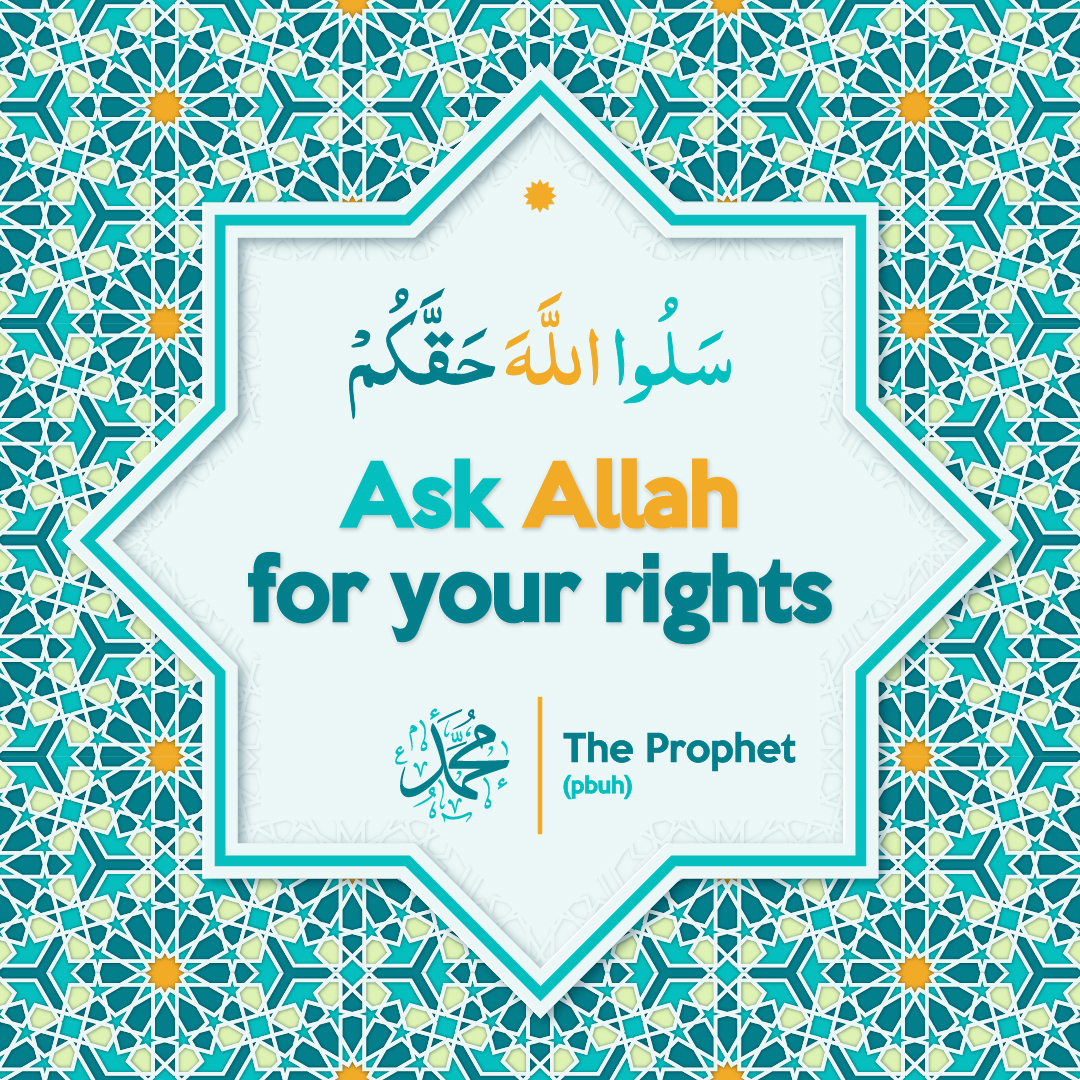
أَدُّوا إِلَيْهِمْ حَقَّهُمْ وَسَلُوا اللَّهَ حَقَّكُمْ
“Pay their rights to them (to the rulers) and ask your right from Allah.”
This hadith addresses one of the most sensitive topics in Islamic governance: the relationship between Muslims and those in authority. The Prophet (pbuh) taught that obeying rulers in Islam is a duty, but he balanced it with a profound instruction — ask your rights from Allah, not from those who may fail to provide them.
What the Prophet Taught About Authority and Obedience
The Prophet (pbuh) commanded Muslims to fulfil their obligations toward their rulers — paying dues, following laws, and maintaining social order. This instruction was given in a context where political authority was imperfect, yet the Prophet (pbuh) still emphasised obedience. The reason is practical: a society without respect for governance falls into chaos, and chaos harms the most vulnerable. Obeying rulers in Islam is not about approving of every decision; it is about maintaining the stability that allows communities to function, worship, and thrive.
The second part of the hadith is equally important: ask your right from Allah. The Prophet (pbuh) knew that rulers are human and will sometimes fall short. By redirecting the believer’s expectation toward Allah, he removed the bitterness of unmet expectations. A Muslim who trusts Allah for their rights does not become consumed by grievance when leaders disappoint. As Al-Adl, the Most Just, Allah guarantees that every right will be restored — if not in this world, then with certainty in the next.
“O you who believe, obey Allah and obey the Messenger and those in authority among you. And if you disagree over anything, refer it to Allah and the Messenger.”
This verse from Surah An-Nisa establishes the hierarchy of obedience in Islam: Allah first, then the Messenger, then those in authority. This order is critical. Obeying rulers in Islam is conditional on that authority not contradicting the commands of Allah and His Prophet (pbuh). When disagreement arises, the Quran directs believers to refer back to divine guidance — not to rebellion or chaos. As Al-Hakeem, the All-Wise, Allah designed a system that balances social order with accountability to divine law.
Why the Prophet Balanced Rights with Trust in Allah
The Prophet (pbuh) was deeply aware that leadership would not always be just. He prepared his community for this reality by separating two things: duty and expectation. A Muslim fulfils their duty toward authority because Islam commands it. But they do not place their ultimate hope in human leaders — they place it in Allah. This distinction protects the believer from despair when governance fails and from arrogance when governance favours them. It keeps the heart anchored to the only authority that never fails.
For the Muslim navigating complex political realities, this hadith offers clear guidance. Fulfil your obligations, maintain order, and do not let injustice turn you into someone who causes more harm. At the same time, never stop asking Allah for your rights — because He is the One who controls all outcomes. Obeying rulers in Islam is not blind submission; it is a disciplined trust in Allah’s greater plan.
Follow our YouTube, Instagram and LinkedIn for more Islamic Quotes and Islamic teachings on justice and governance.
In Quran 4:59, Allah commands believers to obey Him, the Messenger, and those in authority. Disputes should be referred back to the Quran and Sunnah — not resolved through rebellion.
Islam values social order because chaos harms the most vulnerable. The Prophet (pbuh) understood that stable governance, even if imperfect, protects communities and allows Muslims to practise their faith in peace.
Scholars hold varying views. Most agree that peaceful advocacy, sincere advice (nasihah), and dua to Allah are the recommended paths. Islam discourages actions that lead to greater harm or societal breakdown.
It means that when human authority fails to deliver justice, the believer redirects their hope to Allah. As Al-Adl (The Most Just), Allah guarantees that every right will be restored.