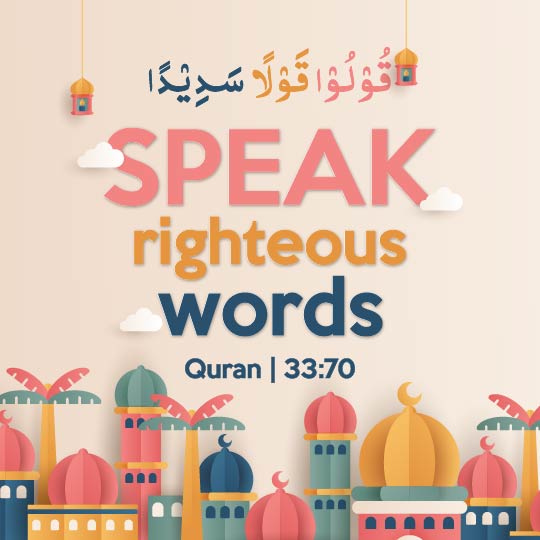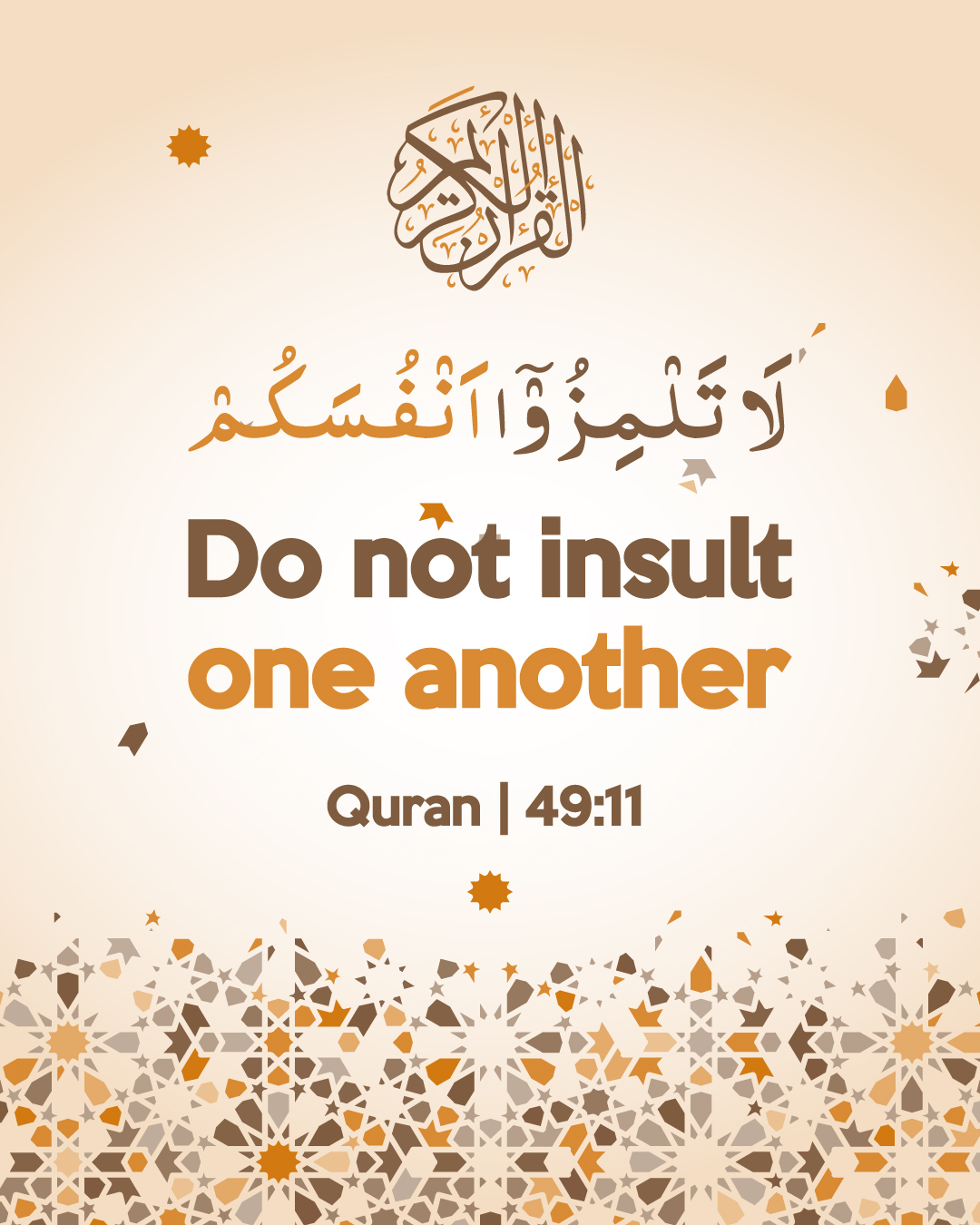
The Quran forbids ridicule, insults, and offensive nicknames in Quran 49:11. It also forbids suspicion, spying, and backbiting in the following verse (49:12).
Yes. The Quran explicitly forbids calling people by offensive nicknames and describes it as wickedness after faith. Every form of verbal bullying is condemned.
Yes. Islam teaches that Allah created every human being with honour and dignity. Ridiculing, insulting, or humiliating another person violates this God-given dignity and is treated as a serious sin.


The Quran Says About Bullying in Islam
یٰۤاَیُّہَا الَّذِیۡنَ اٰمَنُوۡا لَا یَسۡخَرۡ قَوۡمٌ مِّنۡ قَوۡمٍ عَسٰۤی اَنۡ یَّکُوۡنُوۡا خَیۡرًا مِّنۡہُمۡ وَلَا نِسَآءٌ مِّنۡ نِّسَآءٍ عَسٰۤی اَنۡ یَّکُنَّ خَیۡرًا مِّنۡہُنَّ ۚ وَلَا تَلۡمِزُوۡۤا اَنۡفُسَکُمۡ وَلَا تَنَابَزُوۡا بِالۡاَلۡقَابِ ؕ بِئۡسَ الِاسۡمُ الۡفُسُوۡقُ بَعۡدَ الۡاِیۡمَانِ ۚ وَمَنۡ لَّمۡ یَتُبۡ فَاُولٰٓئِکَ ہُمُ الظّٰلِمُوۡنَ ﴿۱۱﴾
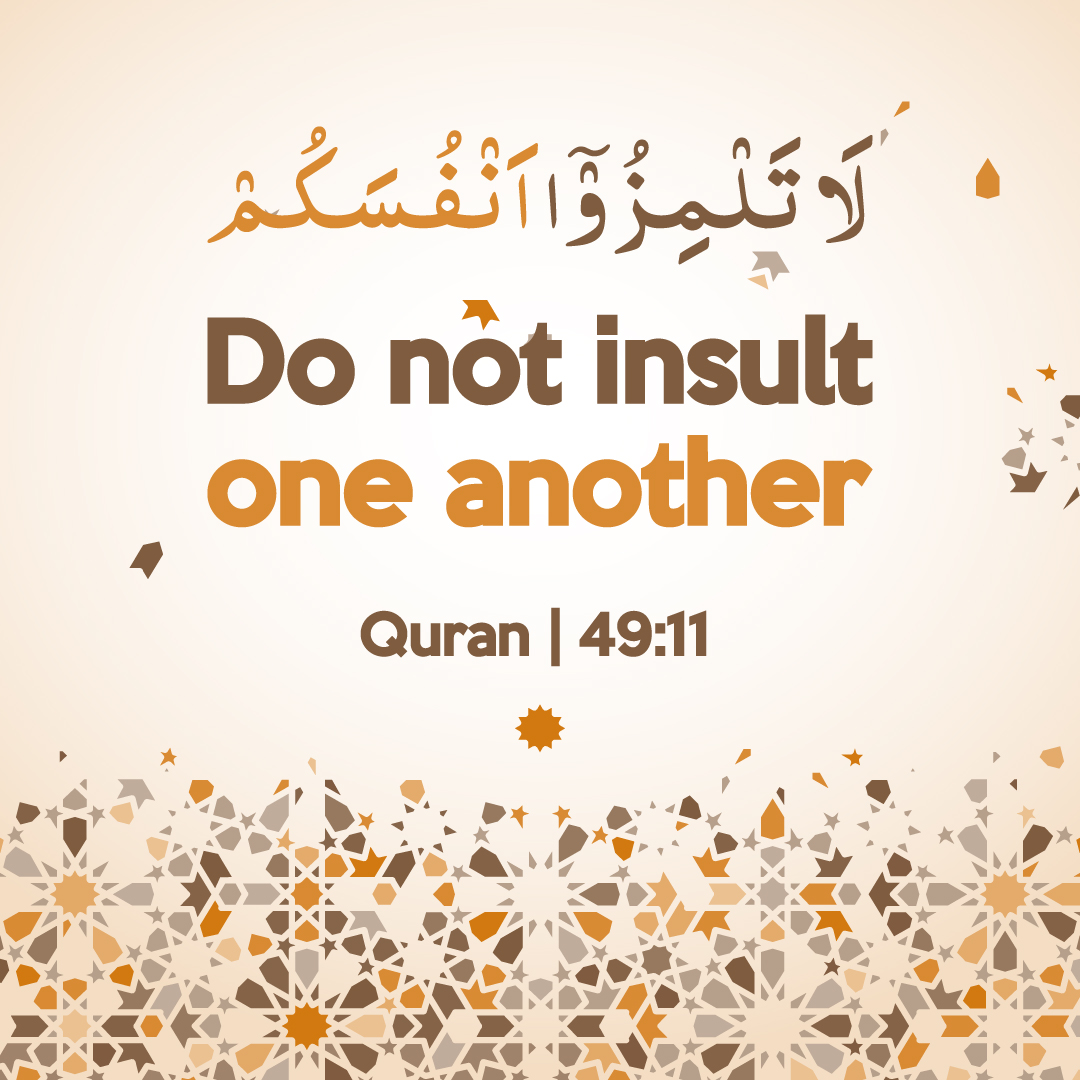
“O you who believe, let not a people ridicule another people, for they may be better than them. Nor let women ridicule other women, for they may be better than them. And do not insult one another, nor call one another by offensive nicknames. How evil is the name of wickedness after faith. And whoever does not repent, then it is they who are the wrongdoers.”
This verse from Surah Al-Hujuraat addresses bullying in Islam with a directness that leaves no room for excuse. Allah forbids ridicule, insults, and offensive nicknames — and warns that those who engage in these behaviours without repenting are wrongdoers in His sight.
What the Quran Forbids About Mockery and Insults
Allah begins by addressing both men and women separately, making it clear that no group is exempt from this command. Ridiculing others — whether through words, gestures, or social exclusion — is forbidden. The reason Allah gives is striking: the person you mock may be better than you in the sight of Allah. This reframes every act of mockery as a gamble with one’s own standing before the Creator. A bully does not just harm their victim — they expose their own spiritual poverty.
The verse then forbids insults and offensive nicknames. In many cultures, name-calling is treated as harmless banter. The Quran rejects this entirely. Calling someone by a name they find hurtful is an act of spiritual wickedness, especially after a person has embraced faith. As Al-Adl, the Most Just, Allah holds every word accountable and demands that believers treat each other with the dignity that faith requires.
“O you who believe, avoid much suspicion. Indeed, some suspicion is sin. And do not spy or backbite one another.”
The very next verse in Surah Al-Hujuraat continues the theme by forbidding suspicion, spying, and backbiting. Together, these two verses form a comprehensive code of conduct for how Muslims should treat each other. Bullying in Islam is not limited to physical aggression — it includes gossip, spying on people’s private lives, and speaking about them behind their backs. As As-Sami, the All-Hearing, Allah hears every word spoken about another person, whether in public or in private.
Why Islam Takes Words So Seriously
The Prophet (pbuh) said that a person may speak a word that seems insignificant to them but it causes them to fall into the Fire for seventy years. Words have weight in Islam. A single insult can damage a person’s self-worth, fracture a friendship, or humiliate someone in front of their community. Bullying in Islam — whether verbal, social, or physical — is treated as a serious sin because it violates the dignity that Allah has granted to every human being.
For the believer, this verse demands self-examination. Do your words build people up or tear them down? Do you use humour to connect or to hurt? Do you speak about others the way you would want them to speak about you? Bullying in Islam is not just a childhood problem — it exists in workplaces, families, and online spaces. This verse calls every Muslim to be a source of safety, not a source of harm, in every community they are part of.
Follow our YouTube, Instagram and Threads for more Islamic Quotes and reminders on dignity and respect in Islam.
Yes. Quran 49:12 forbids backbiting alongside suspicion and spying. Speaking about someone behind their back — even if what is said is true — is a form of harm that Islam treats as sinful.
Yes. Bullying in Islam includes ridicule, insults, offensive nicknames, gossip, and any form of speech that causes harm to another person’s dignity or wellbeing.
To remind the mocker that Allah’s assessment of people is different from theirs. The person being ridiculed may have a higher rank with Allah due to their faith, patience, or unseen good deeds.
A Muslim should seek support from trusted people, maintain patience, and make dua to Allah. They should also know that Islam gives them the right to defend their dignity and speak up against injustice.