Islam teaches that all believers are brothers and sisters in faith. The Quran declares in Surah Al-Hujuraat (49:10) that the believers are but brothers, and the Prophet (pbuh) commanded Muslims to avoid cutting ties, hatred, and envy in order to preserve this sacred bond.
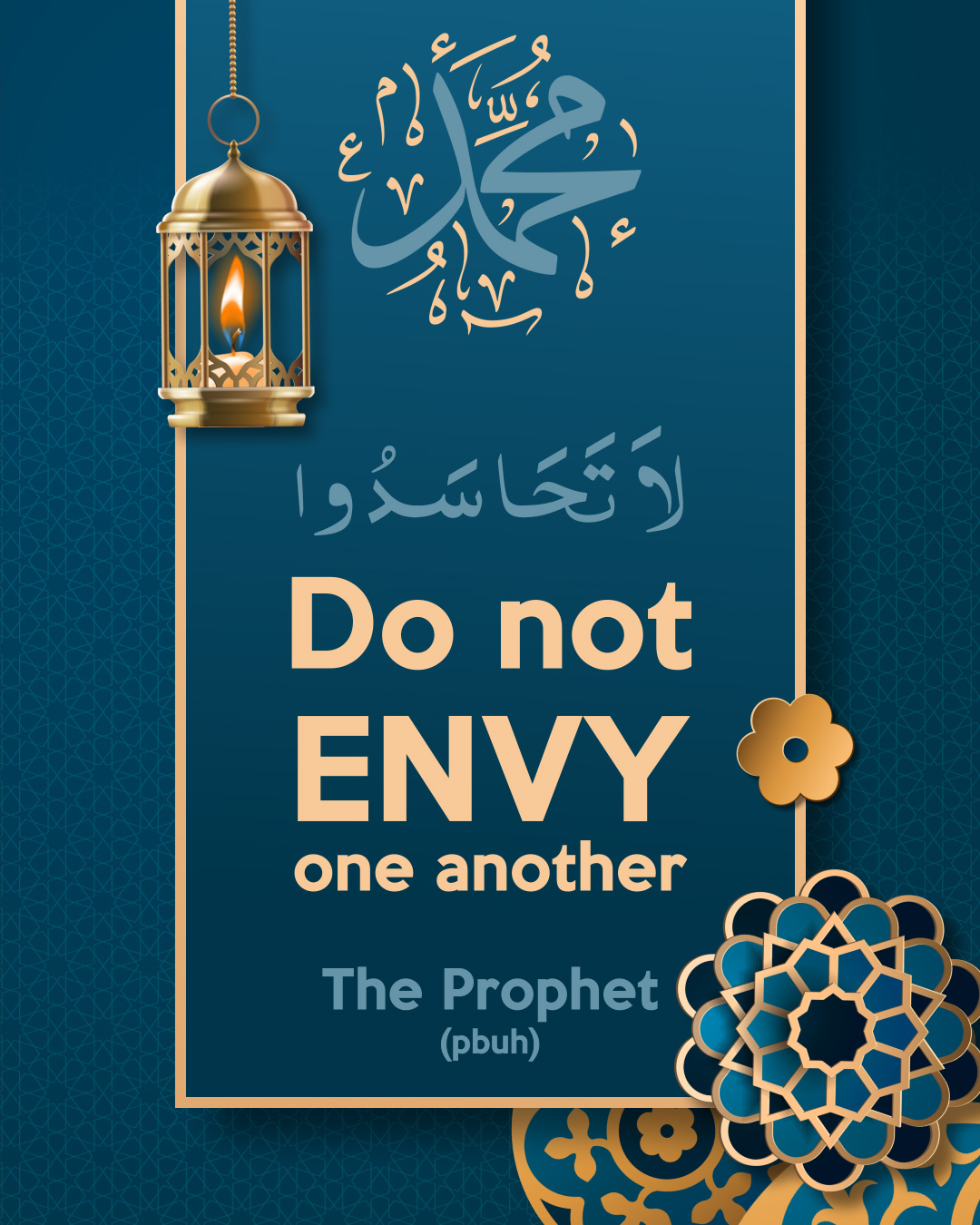
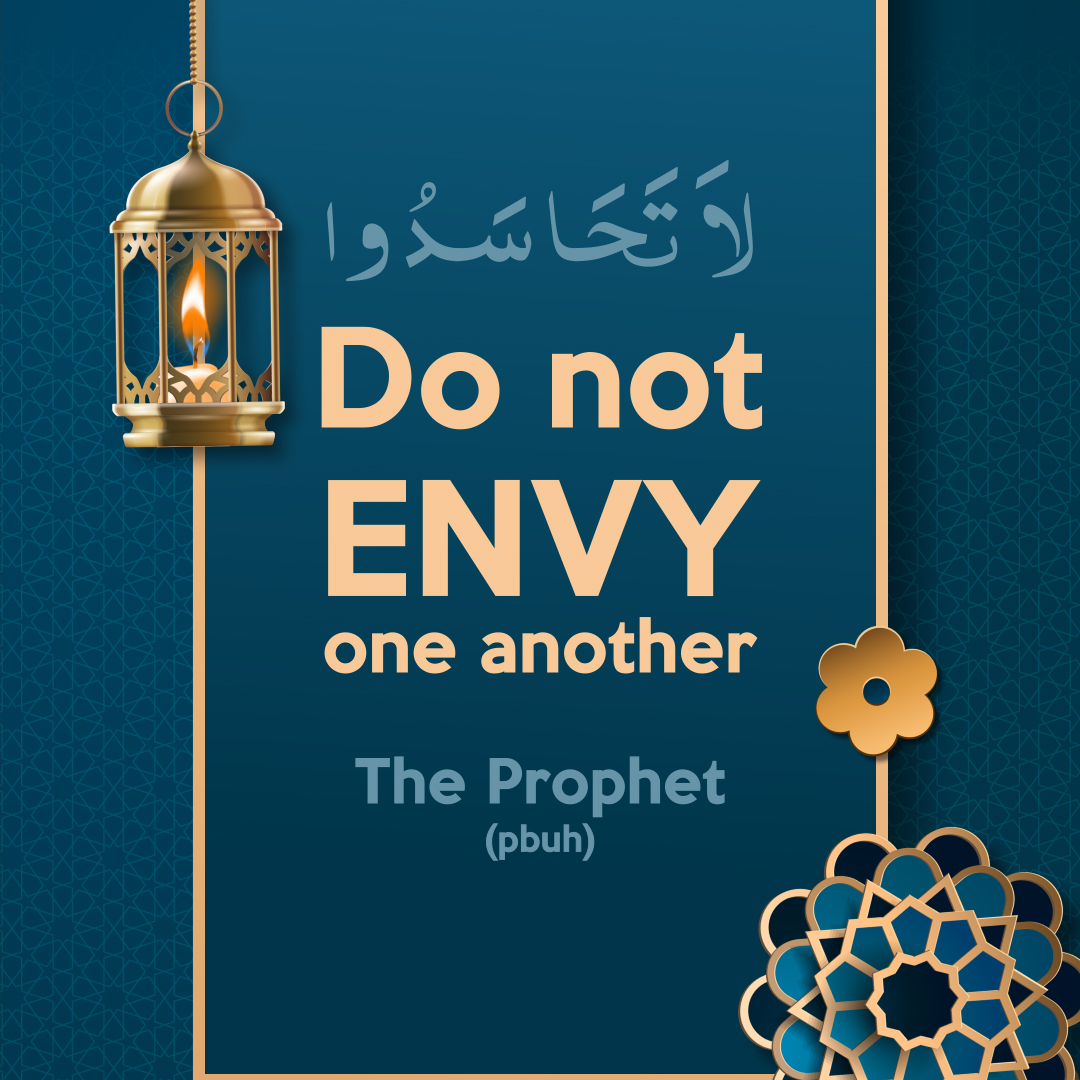
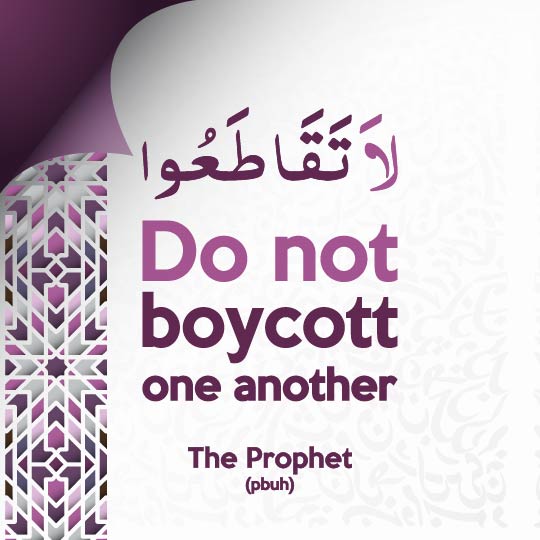
In a hadith narrated in Sahih Muslim (2563), the Prophet (pbuh) said: “Do not cut ties with one another, do not turn your backs on one another, do not hate one another, and do not envy one another. Be brothers as Allah has commanded you.”

The Prophet Said About Brotherhood Among Muslims
لاَ تَقَاطَعُوا وَلاَ تَدَابَرُوا وَلاَ تَبَاغَضُوا وَلاَ تَحَاسَدُوا وَكُونُوا إِخْوَانًا كَمَا أَمَرَكُمُ اللَّهُ
“Do not cut ties with one another, do not turn your backs on one another, do not hate one another, and do not envy one another. Be brothers as Allah has commanded you.”
This hadith addresses one of the most important teachings in Islam with remarkable directness. The Prophet (pbuh) identified four behaviours that quietly destroy the bonds between believers, then gave one clear command: be brothers as Allah has commanded you. It is a lesson about brotherhood among Muslims that speaks to every generation.
A Commandment From Allah, Not a Suggestion
The Prophet (pbuh) did not describe brotherhood among Muslims as a vague ideal or a cultural expectation. He framed it as a direct commandment from Allah, something that carries the same weight and urgency as any other obligation in the faith. By identifying four specific threats — cutting ties, turning away from one another, harbouring hatred, and envying each other — he showed that maintaining brotherhood requires constant vigilance over the heart.
These are not dramatic public sins; they are quiet, internal failings that grow slowly and silently erode the trust, love, and unity that should define the Muslim community. A grudge left unresolved can become permanent bitterness. A jealousy never confronted can poison the way a person sees everyone around them. A cold shoulder given once can turn into years of silence. The Prophet (pbuh) addressed each of these because he knew that brotherhood is not destroyed in a single moment, but through a gradual process of neglect that most people fail to recognise until the damage is already done.
“The believers are but brothers, so make reconciliation between your brothers and fear Allah that you may receive mercy.”
This verse from Surah Al-Hujuraat confirms that brotherhood among Muslims is not a recommendation but a declaration from Allah Himself. He defined the relationship between believers and placed on them the duty of reconciliation whenever conflict threatens that bond. The verse ends with a call to be mindful of Allah, linking how Muslims treat each other directly to how they stand before their Creator. As As-Salam, the Source of Peace, Allah calls every believer to reflect that peace in their dealings with one another. And as Al-Wadud, the Most Loving, He placed love between the hearts of those who believe — a gift that demands both protection and gratitude.
How to Protect Brotherhood Among Muslims Every Day
Living by this hadith means recognising that the greatest threats to brotherhood among Muslims come from within, not from outside. Envy leads a person to resent the blessings that Allah has chosen to give to someone else. Hatred clouds the heart and blinds a believer to the good in their fellow Muslim. Turning away builds walls that become harder to break with every passing day. Cutting ties severs a connection that Islam considers sacred. Each of these starts small, but left unchecked, they can tear apart families, friendships, and entire communities.
The cure that the Prophet (pbuh) prescribed is not complicated, but it demands real effort: stop these behaviours and return to what Allah has commanded. Choose forgiveness over pride, generosity over jealousy, connection over isolation, and kindness over indifference. Brotherhood among Muslims is not built through grand gestures or public declarations. It is built through the daily discipline of keeping the heart clean, forgiving quickly, and never being the one who pulls away. When a believer works to remove these poisons from their heart, they do not just strengthen one relationship — they strengthen the entire fabric of the Muslim community. This is what the Prophet (pbuh) envisioned: a community bound not by convenience but by shared obedience to Allah and genuine love for one another.
Follow us on YouTube, Instagram and Threads for more Islamic Quotes and daily Islamic reminders.
Muslims can strengthen brotherhood by forgiving quickly, avoiding jealousy and grudges, reaching out to those they have lost contact with, making reconciliation when conflicts arise, and keeping their hearts free from hatred and envy as the Prophet (pbuh) instructed.
Allah says in Surah Al-Hujuraat: “The believers are but brothers, so make reconciliation between your brothers and fear Allah that you may receive mercy” (Quran 49:10). He also warns against division in Surah Ali Imran: “And hold firmly to the rope of Allah all together and do not become divided” (Quran 3:103).
The Prophet (pbuh) identified four major threats: cutting ties, turning your back on others, harbouring hatred, and envying one another. These behaviours start quietly but can destroy families, friendships, and entire communities if left unchecked.
No. The Arabic word “ikhwaan” used in the hadith and the Quran encompasses all believers regardless of gender. The obligations to avoid hatred, envy, and cutting ties apply equally to Muslim men and women, and the bond of faith unites the entire community.