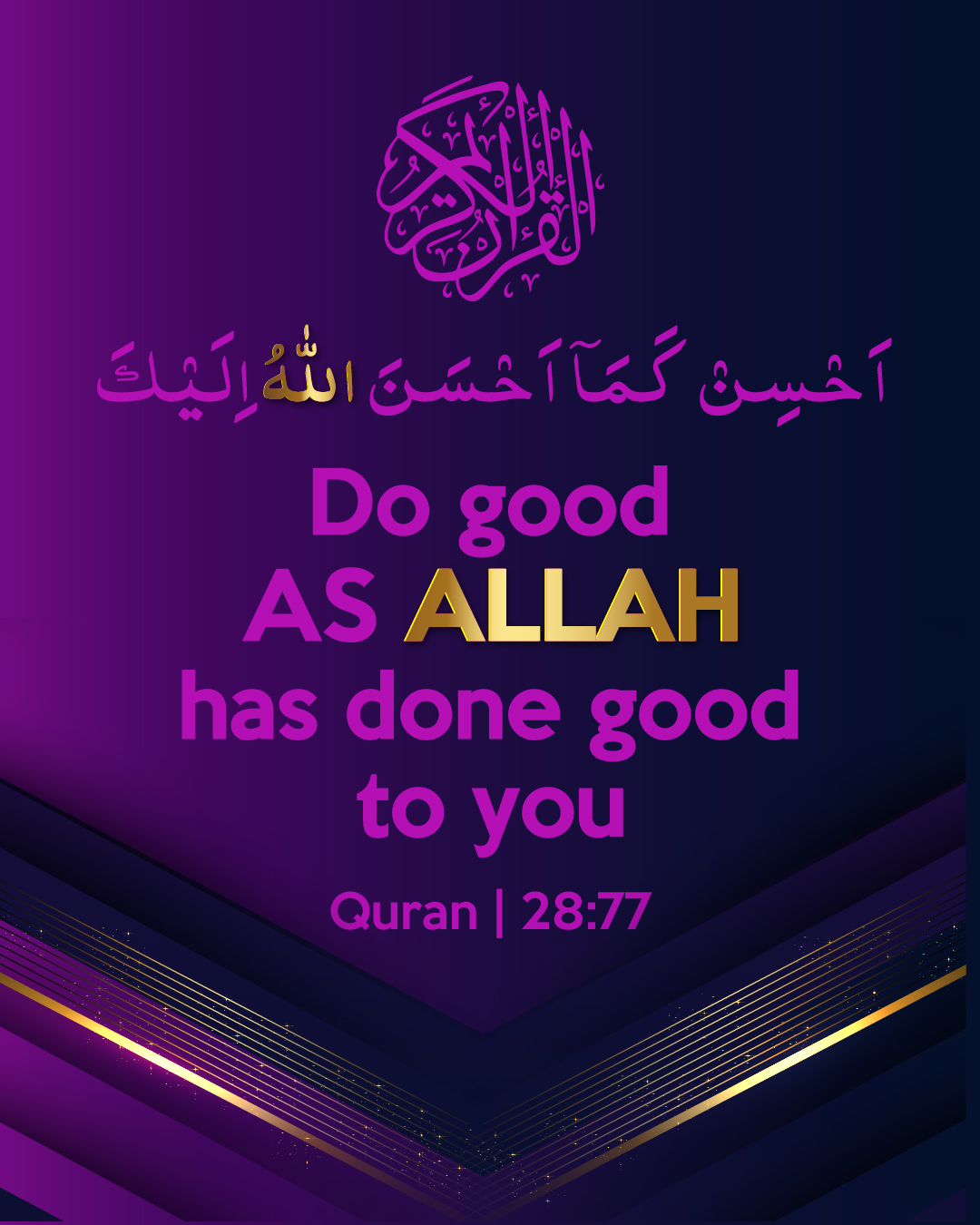
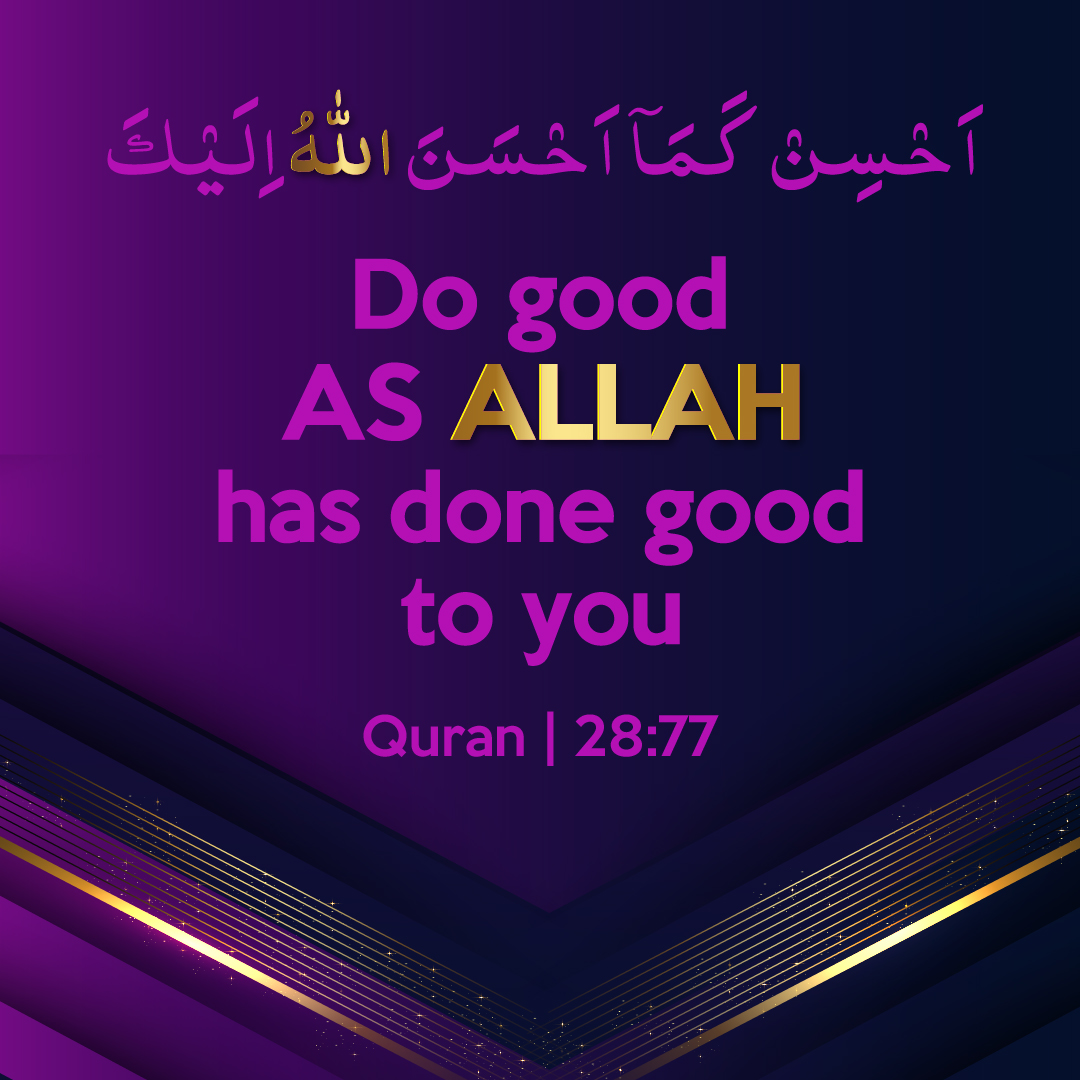
The Quran commands believers to do good as Allah has done good to them (Quran 28:77). Allah also commands justice, excellent conduct, and giving to relatives (Quran 16:90).
No. The Quran says do not forget your share of this world (Quran 28:77). Islam encourages believers to enjoy blessings lawfully while keeping the Hereafter as the ultimate goal.
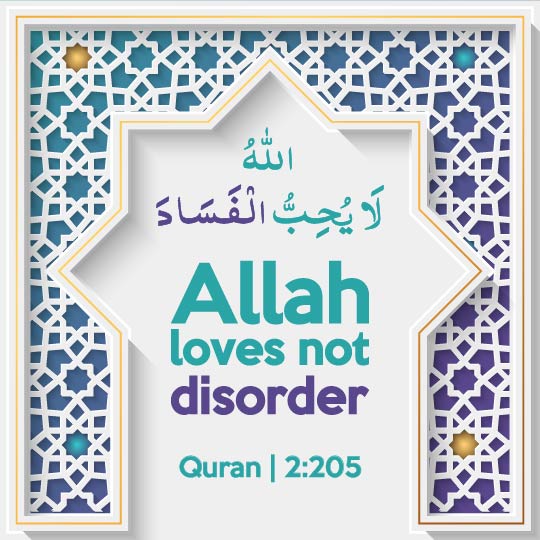
Corruption (fasad) includes spreading injustice, environmental destruction, moral decay, and any behaviour that harms the social or natural order. Allah explicitly says He does not love those who corrupt.



The Quran Says About Doing Good in Islam
وَابۡتَغِ فِیۡمَاۤ اٰتٰٮکَ اللّٰہُ الدَّارَ الۡاٰخِرَۃَ وَلَا تَنۡسَ نَصِیۡبَکَ مِنَ الدُّنۡیَا وَاَحۡسِنۡ کَمَاۤ اَحۡسَنَ اللّٰہُ اِلَیۡکَ وَلَا تَبۡغِ الۡفَسَادَ فِی الۡاَرۡضِ ؕ اِنَّ اللّٰہَ لَا یُحِبُّ الۡمُفۡسِدِیۡنَ ﴿۷۷
“Seek, through what Allah has given you, the Home of the Hereafter, and do not forget your share of this world. Do good as Allah has done good to you, and do not seek corruption in the earth. Indeed, Allah does not love the corrupters.”
This verse from Surah Al-Qasas provides one of the most balanced teachings in the Quran. Allah instructs the believer to seek the Hereafter through what they have been given — but not to forget their share of this world. Doing good in Islam is the bridge between both.
How Islam Balances This World and the Hereafter
Allah does not ask Muslims to abandon the world — He asks them to use it wisely. The verse begins with a command to seek the Home of the Hereafter through the blessings of this life. Wealth, talent, health, and opportunity are all tools that can be invested in eternal reward. But the instruction continues: do not forget your share of this world. Islam does not glorify poverty or reject comfort. It encourages believers to enjoy what Allah has given while keeping the ultimate destination in focus.
The verse then shifts to the core principle: do good as Allah has done good to you. This is a reciprocal relationship. Allah has been generous to every person — through life, provision, guidance, and countless blessings. The response He expects is not just gratitude in words but goodness in action. As Al-Muhsin, the Doer of Good, Allah models the excellence He expects from His servants.
“Indeed, Allah commands justice and good conduct and giving to relatives, and He forbids immorality, wrongdoing, and oppression. He advises you so that you may take heed.”
This verse from Surah An-Nahl lays out the framework for doing good in Islam: justice, excellent conduct, and giving to relatives. Allah then names what He forbids: immorality, wrongdoing, and oppression. This verse is considered by scholars to be one of the most comprehensive in the Quran because it covers the full spectrum of moral conduct. As Al-Adl, the Most Just, Allah commands justice not as an abstract ideal but as a practical standard for daily behaviour.
Why Doing Good Is a Debt of Gratitude
The phrase “do good as Allah has done good to you” reframes doing good in Islam as a response to blessings received. Every act of kindness, charity, or justice is a way of saying: I recognise what You have given me, and I will pass it on. This turns goodness from a burden into a natural expression of gratitude. The more a person recognises Allah’s blessings, the more naturally they will do good — not out of obligation but out of love and appreciation.
The verse ends with a stern warning: do not seek corruption in the earth. Allah does not love the corrupters. This reminder ensures that doing good in Islam is not just about adding positivity — it is also about refusing to contribute to harm. A Muslim who does good and avoids corruption has fulfilled both sides of the equation. They have used what Allah gave them wisely, they have given back to the world, and they have protected the earth from their own selfishness.
Follow our YouTube, TikTok and Pinterest for more Islamic Quotes and reflections on balance and goodness in Islam.
Use what Allah has given you — wealth, health, talent — to invest in the Hereafter through charity and good deeds, while also enjoying your lawful share of worldly blessings. Balance, not abandonment, is the Islamic ideal.
Ihsan means excellence in goodness — doing things in the best possible way, whether in worship or in dealing with others. It is the standard Allah sets when He says ‘do good as Allah has done good to you.’
To make clear that goodness is not just about adding value — it also requires actively refusing to cause harm. A complete Muslim does good and avoids contributing to corruption in any form.
Many scholars consider Quran 16:90 to be the most comprehensive verse because it covers justice, excellent conduct, generosity, and the prohibition of immorality, wrongdoing, and oppression in a single statement.