
Janaza: The Funeral Prayer in Islam

The Janaza is the funeral prayer of Islam, a dignified and compassionate act in which the community gathers to pray for one who has passed from this world. It is a collective duty upon the believers, a final act of love and respect for the deceased, and a heartfelt plea to Allah for their forgiveness and mercy. Quiet, solemn, and rooted in hope, it reminds every believer of the journey that awaits us all and the mercy of Allah that we depend upon. In this guide we explore what it is, how it is performed, and the essential things every believer should know about this final prayer.
The Quran reminds the believer of a truth no soul escapes, that every living being will taste death and be returned to Allah.
كُلُّ نَفۡسٖ ذَآئِقَةُ ٱلۡمَوۡتِ وَإِنَّمَا تُوَفَّوۡنَ أُجُورَكُمۡ يَوۡمَ ٱلۡقِيَٰمَةِ
“Every soul will taste death, and you will only be given your full reward on the Day of Resurrection.”
What Is the Janaza?
The Janaza is the Islamic funeral prayer offered for a believer who has died, asking Allah to forgive them and grant them mercy. It is a short prayer, performed standing, in which the community gathers to seek Allah’s pardon for the deceased and to fulfil a final duty towards them. It is one of the rights a Muslim holds over their fellow believers.
The prayer is part of a wider set of duties carried out for the deceased, alongside the washing of the body, the shrouding, and the burial. Together these acts honour the one who has passed and reflect the dignity and compassion with which Islam treats both the living and the dead.
6 Essential Things to Know About the Janaza
To understand this final prayer, here are six essential things to know about the Janaza:
- It is the funeral prayer offered for a believer who has died.
- It is a collective duty upon the Muslim community.
- It is performed standing, without bowing or prostration.
- Its heart is dua, seeking forgiveness for the deceased.
- It carries great reward for those who attend it.
- It is a right of every Muslim over their fellow believers.
The Reality of Death in the Quran and Sunnah
The prayer rests upon a truth the Quran states with great clarity. In Surah Ali Imran, Allah reminds us that every soul will taste death, and that the true success lies in being saved from the Fire and admitted to Paradise. The Prophet (pbuh) taught the believers to pray for their deceased with sincerity, making the funeral prayer a means of mercy for them.
Every soul shall taste death and you will be given your reward in full on the Day of Judgement
Why the Janaza Matters
The funeral prayer matters because it is a final act of love and a powerful means of mercy for the one who has died. Through it, the community gathers to beg Allah to forgive their brother or sister and to ease their journey. The Prophet (pbuh) taught that the prayers of the believers for the deceased are a source of benefit and intercession for them before Allah.
It also carries great reward for those who attend. The Prophet (pbuh) said that whoever follows a funeral and prays over it earns an immense reward, teaching the believer that caring for the dead is a noble and blessed duty. In fulfilling it, the community honours the deceased and reminds itself of the life to come.
Whoever attends the funeral until the prayer is offered earns a great reward with Allah for his care
How the Janaza Is Performed
The funeral prayer is simple and dignified. The worshippers stand in rows behind the one leading the prayer, with the deceased placed before them. The prayer consists of four declarations of the greatness of Allah, between which the believers recite the opening chapter of the Quran, send blessings upon the Prophet (pbuh), and make sincere dua for the deceased and for all the believers. There is no bowing or prostration.
A Collective Duty of the Community
The funeral prayer is a collective duty, meaning that if some members of the community perform it, the obligation is fulfilled on behalf of all, but if none do, the whole community bears the responsibility. This reflects the bonds of brotherhood in Islam, ensuring that no believer departs this world without their community gathering to pray for them and seek Allah’s mercy on their behalf.
The Reward of Attending
Attending the funeral prayer is richly rewarded. The Prophet (pbuh) taught that the one who follows a funeral, prays over it, and remains until the burial earns a great reward, likened to a mountain. This generous reward encourages the believers to support one another even in death, turning a moment of grief into an act of worship and a means of nearness to Allah.
Praying for the Deceased
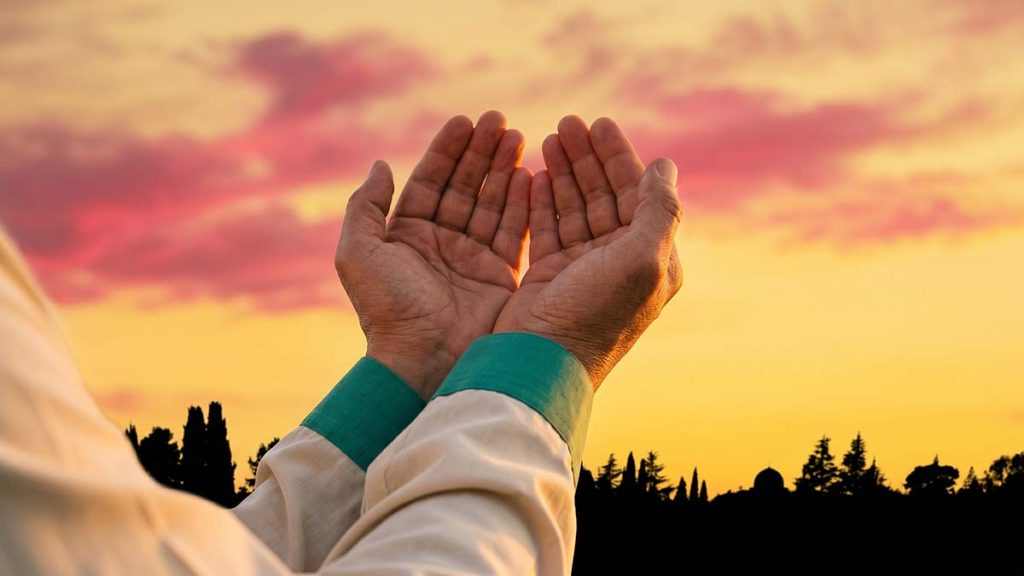
At the heart of the funeral prayer is sincere supplication for the one who has passed. The believers ask Allah to forgive the deceased, to have mercy upon them, to widen their resting place, and to grant them peace. This dua is a final gift the living can offer the dead, and a beautiful expression of the hope every believer holds in the boundless mercy of Allah.
Common Mistakes to Avoid
To honour the prayer and the deceased, it helps to avoid the following:
- Neglecting to attend when one is able to fulfil this duty.
- Treating the prayer as routine rather than a heartfelt plea for mercy.
- Giving in to loud wailing or despair rather than dignified patience.
- Delaying the funeral arrangements without a valid reason.
- Forgetting to continue praying for the deceased after the burial.
Facing Death with Faith
The funeral prayer is a powerful reminder of our own mortality and of the journey that awaits every soul. Far from being a cause for despair, it calls the believer to meet death with faith, hope, and patience, trusting in the mercy of Allah. Reflecting on it softens the heart, encourages good deeds, and reminds us to prepare for the meeting with our Creator.
Following the Funeral to the Grave
The reward for caring for the deceased grows for the one who stays until the very end. The Prophet (pbuh) taught that whoever follows the funeral, prays over it, and remains until the burial is complete earns a reward likened to two great mountains. This generous promise encourages the believer not only to pray but to accompany their brother or sister to their final resting place.
Following the funeral through to the burial is a beautiful act of loyalty and love. It reflects the believer’s commitment to honour the deceased fully and to support the grieving family in their most difficult moments.
Whoever follows the funeral and prays then remains until the burial is complete returns with a reward of two great mountains
A Reminder of the Hereafter
Beyond its benefit to the deceased, the funeral prayer is a profound reminder to the living. Standing before the body of one who only recently walked among us, the believer is moved to reflect on the brevity of life and the certainty of the meeting with Allah. The Prophet (pbuh) encouraged remembering death often, for it softens the heart and inspires good deeds.
In this way, every funeral the believer attends is a quiet lesson, gently turning the heart away from heedlessness and towards preparation for the everlasting life to come.
Remember often the destroyer of pleasures which is death for it softens the heart and turns it towards Allah
Lessons the Janaza Teaches Us
The funeral prayer teaches the believer compassion for the dead, the strength of community, and the certainty of the life to come. It reminds us that every soul returns to Allah, that praying for one another is a sacred duty, and that we should face death with faith, hope, and trust in the mercy of Allah.

Reflecting on the final duty owed to a believer? It’s About Islam shares short, compassionate reminders on the Janaza, mercy, and the life to come you can share. Find us on YouTube, TikTok and Facebook.
Frequently Asked Questions About the Janaza
The Janaza is the Islamic funeral prayer offered for a believer who has died, in which the community gathers to ask Allah to forgive the deceased and grant them mercy.
It is performed standing, with the deceased placed before the worshippers. It consists of four declarations of Allah’s greatness, with recitation of the Quran, blessings on the Prophet (pbuh), and dua for the deceased. There is no bowing or prostration.
The funeral prayer is a collective duty. If some members of the community perform it, the obligation is fulfilled for all, but if none do, the whole community bears the responsibility.
The Prophet (pbuh) said that whoever follows a funeral, prays over it, and remains until the burial earns a great reward, likened to a mountain, for caring for the deceased.
The believers recite the opening chapter of the Quran, send blessings upon the Prophet (pbuh), and make sincere dua asking Allah to forgive the deceased and grant them mercy and peace.
All members of the community are encouraged to attend the funeral prayer to fulfil this duty, support one another, and seek Allah’s mercy for the one who has passed.
A Final Act of Love and Mercy
The Janaza is a dignified and compassionate prayer, a final act of love through which the community seeks Allah’s forgiveness and mercy for one who has passed. By attending it, praying sincerely for the deceased, and facing death with faith and patience, the believer honours their brother or sister and prepares their own heart for the life to come. May Allah forgive our deceased and gather us all in His mercy.