
Nikah: Meaning, Importance and Marriage in Islam
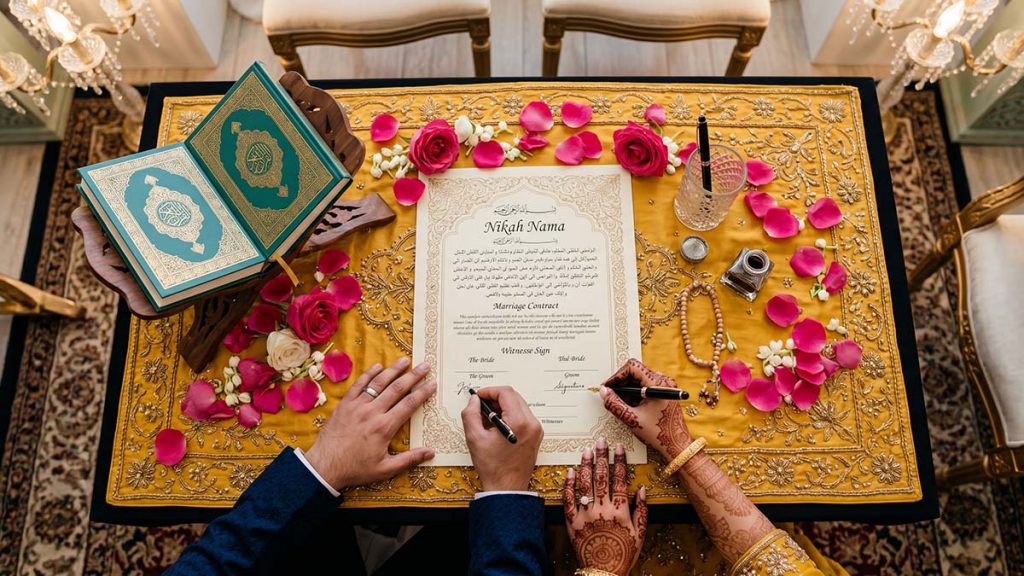
Marriage is one of the most beautiful gifts in a Muslim’s life. In Islam, this union is known as Nikah, a sacred and joyful contract that brings a man and a woman together in love, mercy, and shared faith. Far more than a wedding party, it is a serious commitment built on kindness, responsibility, and the pleasure of Allah. It is also spelled Nikkah or Nikaah, and however it is written, it carries the same meaning: a blessed bond that completes half of a believer’s faith. In this guide we explore what Nikah is, why it matters, and how a marriage is carried out in Islam.
The Quran describes marriage as one of the great signs of Allah, a relationship in which two people find peace, comfort, and tenderness in one another.
وَمِنۡ ءَايَٰتِهِۦٓ أَنۡ خَلَقَ لَكُم مِّنۡ أَنفُسِكُمۡ أَزۡوَٰجٗا لِّتَسۡكُنُوٓاْ إِلَيۡهَا وَجَعَلَ بَيۡنَكُم مَّوَدَّةٗ وَرَحۡمَةًۚ إِنَّ فِي ذَٰلِكَ لَأٓيَٰتٖ لِّقَوۡمٖ يَتَفَكَّرُونَ
“And among His signs is that He created for you mates from among yourselves, that you may find tranquillity in them, and He placed between you love and mercy. Surely in that are signs for people who reflect.”
What Is Nikah?
The word Nikah comes from Arabic and refers to the marriage contract that makes a relationship between a husband and wife lawful in the eyes of Allah. It is the foundation of family life in Islam and the only way a man and a woman may live together as partners.
Marriage in Islam is not just a ceremony or a celebration. At its heart it is a solemn agreement, freely entered into by both the man and the woman, with clear rights and responsibilities for each. It reflects the love and mercy that Allah, Al-Wadud (The Most Loving), places between two hearts. You can read more about the wider topic in our guide to marriage in Islam.
Marriage is also the way of all the prophets, who married and raised families while devoting their lives to Allah. By following this path, a Muslim continues a tradition that stretches back to the very beginning of humanity. It honours the dignity of both partners and gives a person a loving place to grow, to be supported, and to support someone else in return.
5 Essential Parts of a Valid Nikah
For a marriage to be valid, scholars generally agree on a number of important parts. Here are five essentials that are widely recognised:
- Mutual consent, where both the man and the woman freely agree to the marriage.
- The offer and acceptance (ijab and qabul), spoken clearly in the same gathering.
- The mahr, a gift from the husband to the wife that becomes her own.
- Witnesses, so the marriage is public and properly recorded.
- The wali, the guardian who supports and represents the bride in many traditions.
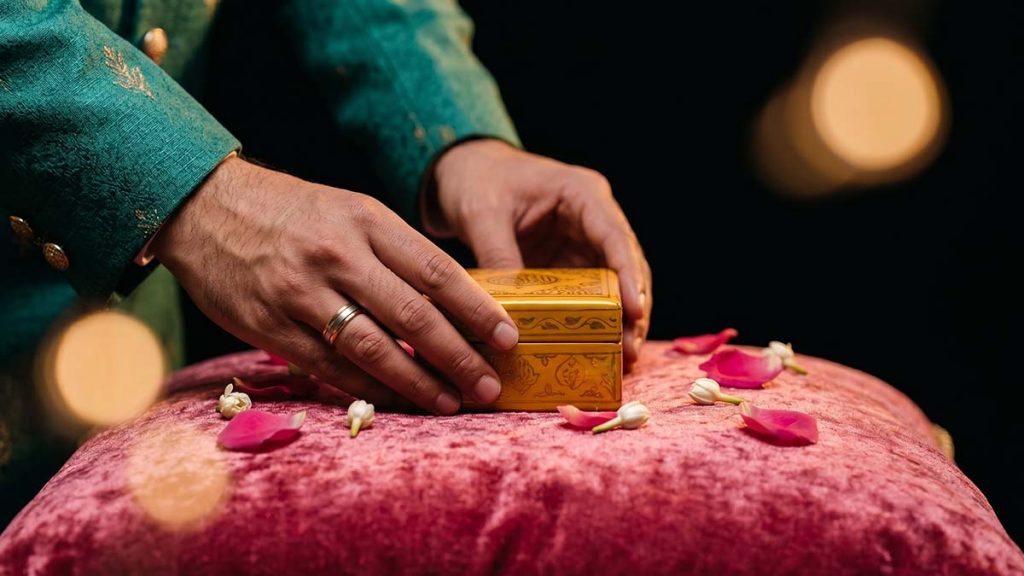
The exact details can differ slightly between schools of thought, so it is always best to speak to a qualified local scholar or imam when planning a marriage. What unites every valid marriage is sincerity, consent, and seeking the pleasure of Allah.
Why Is Nikah Important in Islam?
Marriage holds a very high place in Islam. It protects modesty, builds families, and provides a loving, lawful home in which children can be raised. The Prophet Muhammad (pbuh) strongly encouraged marriage and described it as part of his way of life.
Marriage is part of my Sunnah
Through marriage, two people support one another in faith and in life. It brings emotional comfort, companionship, and a shared sense of purpose. It is also a great act of worship, because caring for a spouse with kindness and patience is deeply rewarded by Allah. For many couples, marriage becomes a journey of growing in patience and gratitude together.
What Happens During a Nikah Ceremony?
A marriage ceremony is usually simple and dignified. It often takes place in a mosque or family home and is led by an imam or a knowledgeable person. The mahr is agreed, the offer and acceptance are spoken before witnesses, and the marriage is then declared. Many ceremonies include a short sermon reminding the couple of their duties to Allah and to one another.
This short sermon is sometimes called the khutbah of Nikah, and it sets a tone of faith and seriousness for the day. Once the words of acceptance are spoken, the couple are married in the sight of Allah. There is great beauty in how little is truly required, a reminder that the strength of a marriage lies in the hearts of the two people, not in the size of the event.

After the words are exchanged and witnessed, everyone present often makes dua for the couple, asking Allah to bless their union with love, harmony, and righteous children. The beauty of the contract is that it does not need to be expensive or grand to be valid and blessed.
Whoever marries has completed half of his faith
Sunnah Acts for a Blessed Muslim Wedding
The Prophet Muhammad (pbuh) showed us that the best weddings are simple, joyful, and free of waste. A few beautiful Sunnah practices include:
- Keeping the mahr and the expenses easy rather than a heavy burden.
- Announcing the marriage openly so the community shares in the joy.
- Making dua for the couple, asking Allah to bless and unite them.
- Holding a walima, a marriage feast, to celebrate the new union.
- Treating each other with gentleness and good character from the very first day.
The most blessed marriage is the one with the least burden
The Rights of Husband and Wife
Islam gives both the husband and the wife clear rights, and a happy marriage grows when each fulfils their part with love. The husband is responsible for providing, protecting, and treating his wife with kindness. The wife has the right to be respected, supported, and cared for. Both are asked to be loyal, patient, and forgiving with one another.
The mahr is a gift from the husband that belongs entirely to the wife
The Prophet Muhammad (pbuh) was the best of all people to his family, and he taught that the best of believers are those who are best to their wives. This gentle example is the perfect model for every Muslim home, reflecting the endless mercy of Allah, Ar-Rahman.
Common Nikah Mistakes to Avoid
With good intentions, families sometimes fall into habits that take away from the blessings of marriage. Try to avoid the following:
- Turning the wedding into a competition of spending and show.
- Demanding an unreasonable mahr or heavy financial conditions.
- Ignoring the consent of the bride or groom.
- Mixing in customs that go against Islamic teachings.
- Forgetting that marriage is worship, not just a celebration.
The good news is that all of these are easy to avoid. Keeping things simple, sincere, and within the limits set by Allah turns a wedding into a truly blessed beginning rather than a source of stress.
Walima: The Marriage Feast
After the marriage, it is a beautiful Sunnah for the husband to host a walima, a wedding feast that shares the happy news with family and friends. The walima does not need to be lavish. Even a simple meal offered with a warm heart fulfils this Sunnah and spreads joy throughout the community.
The purpose of the walima is to celebrate the marriage openly and to thank Allah for His blessing. Inviting neighbours, the less fortunate, and those close to the couple keeps the spirit of generosity alive and turns the feast into an act of kindness as well as celebration.
Lessons Muslims Can Learn from Nikah
Marriage teaches lessons that shape a person for life. It teaches responsibility, as two people commit to caring for one another before Allah. It teaches mercy and patience, since no marriage is free of challenges, and it is kindness that keeps love alive. It also teaches gratitude, reminding us to thank Allah for the gift of a loving partner.
Above all, marriage teaches us that the family is the heart of a healthy society. A home built on faith, love, and mercy raises children who carry those same values forward. Welcoming children through a joyful aqiqah is often the next beautiful step, and the cycle of mercy described in Surah Ar-Rum continues into a new generation.
Love this kind of content? Follow It’s About Islam for daily reminders, beautiful Islamic quotes, and simple guidance you can share. Find us on YouTube, TikTok and Pinterest.
Frequently Asked Questions About Nikah
Nikah is the Arabic word for the Islamic marriage contract. It makes the bond between a husband and wife lawful before Allah and forms the foundation of family life in Islam.
Scholars generally agree a valid Nikah needs mutual consent, a clear offer and acceptance, a mahr, witnesses, and in many traditions a wali for the bride. For your situation, it is best to ask a qualified local scholar.
Yes. The mahr is a gift the husband gives to the wife, and it belongs entirely to her. It can be small or large, but it should never be a heavy burden. Islam encourages keeping it easy.
This is a matter where the schools of thought differ. Many require a wali for the bride, while some allow more flexibility. Because the rulings vary, it is important to consult a trusted scholar before proceeding.
Nikah is the religious marriage contract under Islamic teachings, while a civil marriage is the legal registration recognised by the state. Many Muslims complete both so their marriage is valid in faith and in law.
The walima is a strongly encouraged Sunnah rather than a strict obligation. It can be as simple as a modest meal. Its purpose is to announce the marriage and share the joy with the community.
Making Nikah a Lifelong Blessing
Nikah is a beautiful beginning, not the end of the story. It is a promise made before Allah to walk through life together with love, mercy, and patience. By keeping the marriage simple, sincere, and rooted in faith, a couple builds a home filled with peace and barakah.

Whether the wedding is large or modest, the reward and the spirit are the same when hearts are sincere. May Allah bless every Nikah with lasting love, understanding, and tranquillity, and may He keep every Muslim home filled with His mercy. Ameen.