
Suhoor: The Blessed Pre-Dawn Meal in Ramadan
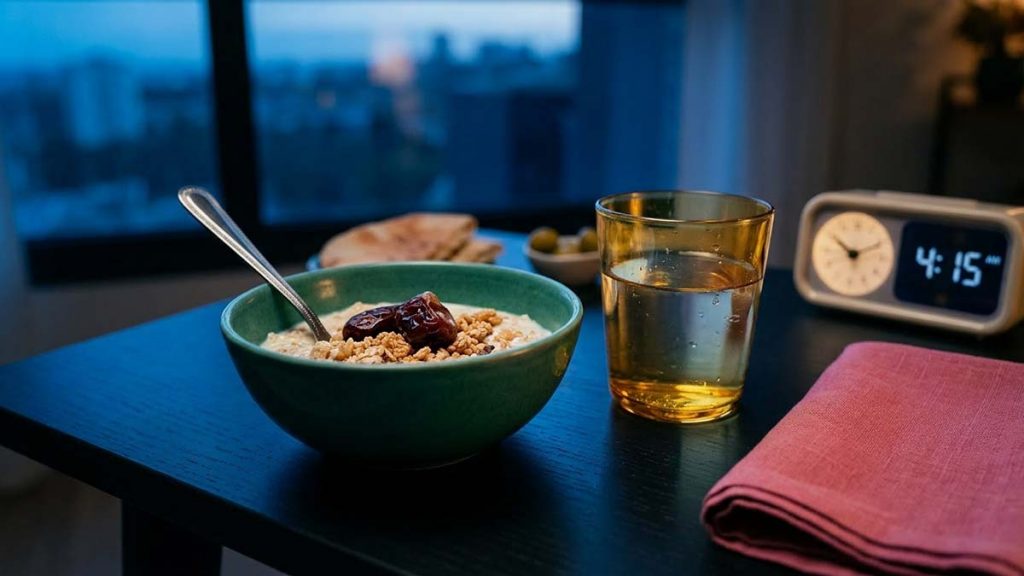
Suhoor is the blessed meal that Muslims eat before dawn during the month of fasting, the quiet start to a day given fully to Allah. While the rest of the world sleeps, believers rise in the last hours of the night to eat, drink, pray, and prepare their hearts for a long day without food or water. Far from being a simple breakfast, it is a Sunnah full of mercy and reward, and learning to make the most of it can transform the whole experience of fasting. In this guide we explore what it is, why it matters, and how to honour it the way the Prophet (pbuh) taught.
The Quran sets the gentle limit of this meal, telling the believers to eat and drink through the night until the first light of dawn appears.
وَكُلُواْ وَٱشۡرَبُواْ حَتَّىٰ يَتَبَيَّنَ لَكُمُ ٱلۡخَيۡطُ ٱلۡأَبۡيَضُ مِنَ ٱلۡخَيۡطِ ٱلۡأَسۡوَدِ مِنَ ٱلۡفَجۡرِۖ ثُمَّ أَتِمُّواْ ٱلصِّيَامَ إِلَى ٱلَّيۡلِ
“And eat and drink until the white thread of dawn becomes distinct to you from the black thread of night. Then complete the fast until the night.”
What Is Suhoor?
Suhoor, also spelled sahur, is the meal taken in the final part of the night, before the break of dawn and the call to the Fajr prayer. The moment Fajr enters, eating and drinking stop and the fast begins, lasting until sunset and the breaking of the fast at Iftar. It is observed throughout Ramadan and on any voluntary fast kept during the year.
Though it can be as small as a few dates and a glass of water, Suhoor carries enormous spiritual weight. The word itself comes from the Arabic for the last part of the night, the very hour the Prophet (pbuh) singled out as a time of blessing, mercy, and answered prayer. It is the believer’s way of answering the Sunnah, fuelling the body for worship, and beginning the day with obedience rather than neglect.
7 Powerful Sunnah Tips for Suhoor
To turn this meal into an act of worship rather than a rushed snack, the Prophet’s guidance offers a clear path. Here are seven simple Sunnah-based tips to make every Suhoor count:
- Renew your intention to fast for the sake of Allah before dawn.
- Begin with dates and water, foods the Prophet (pbuh) loved and praised.
- Choose slow-release foods like oats, wholegrains, and eggs for lasting energy.
- Drink enough water through the night so you stay hydrated all day.
- Avoid overeating, as the Sunnah is moderation, not stuffing the stomach.
- Make sincere dua in the blessed last third of the night.
- Pray Fajr in congregation and stay for morning remembrance afterwards.
The Pre-Dawn Meal in the Quran and Sunnah
The Quran permits eating and drinking through the night until the white light of dawn becomes clear from the darkness, then commands completing the fast until night. This verse from Surah Al-Baqarah frames the entire window in which the meal is taken and shows that nourishing the body before the fast is part of the religion, not against it.
Eat and drink until the white thread of dawn becomes clear to you then complete the fast until the coming of night
Why the Last Meal Before Dawn Matters
Suhoor matters for both body and soul. It provides the energy and hydration that carry a person through long hours without food or drink, it follows a clear Sunnah, and it draws down divine blessing on the one who eats it. It also sets the spiritual tone of the day, beginning the fast with intention and remembrance of Allah rather than rushing into hunger unprepared. A fast begun with a calm, grateful heart feels lighter and more rewarding than one started by accident or in haste.
The Barakah and Mercy of Eating Before Dawn
There is a special mercy attached to those who rise at this hour. The Prophet (pbuh) explained that Allah and the angels send blessings upon them, even if it is only a single mouthful or a sip of water. Few daily acts carry such reward for so little effort, a quiet gift from Ar-Razzaq, the Provider, who feeds His servants and rewards them for the very act of eating in obedience.
Allah and His angels send blessings upon those who take the pre-dawn meal seeking the reward of the fast even with a sip of water
The Best Time to Eat
It is a confirmed Sunnah to delay Suhoor until close to the end of the night. The companions described the gap between finishing it and standing for Fajr as roughly the length of reciting fifty verses, a short and unhurried window. Delaying it gives the body fresh strength for the day and keeps the believer awake for the precious early-morning hours, which connect naturally to fasting in Islam and quiet supplication before sunrise.
The last third of the night the very time of Suhoor is when Allah descends to answer the prayers of His servants so let no need go unasked
What to Eat for Lasting Energy
The aim of Suhoor is steady energy and good hydration, not heaviness. A balanced pre-dawn plate keeps hunger and thirst manageable through the day. Following the example of the Prophet (pbuh), who praised dates, helpful choices include:
- Complex carbohydrates such as oats, wholegrain bread, and brown rice.
- Protein from eggs, yoghurt, beans, or lean meat to stay full longer.
- Fruits and vegetables for fibre, vitamins, and slow energy release.
- Dates and plenty of water, following the Prophet’s beloved example.
- Less salt, fried food, and sugar, which bring on thirst and a midday crash.
Common Suhoor Mistakes to Avoid
Even with sincere intentions, a few habits can drain the blessing and the energy of the meal. Try to avoid the following:
- Skipping it altogether and starting the fast weak and unprepared.
- Eating far too early in the night instead of close to dawn.
- Overeating heavily, which causes sluggishness and a heavy fast.
- Loading up on salty or sugary foods that trigger thirst and hunger.
- Going back to sleep and missing the Fajr prayer after eating.
Staying Energised Through the Fasting Day
What a person eats and drinks before dawn shapes how the rest of the day feels. A balanced, unhurried plate keeps blood sugar steady, while gulping coffee or sugary drinks leads to thirst and a midday slump. Drinking water slowly across the final hours of the night, rather than all at once, hydrates the body far more effectively for the long stretch ahead.
Slow-release carbohydrates eaten before dawn keep blood sugar steady for hours which leaves the hunger and thirst of fasting far easier for the body to manage
Just as important is rest. Sleeping a little earlier, taking a short nap during the day where possible, and pacing physical effort all help the body adapt. With a sensible routine, the fast becomes a source of focus and lightness rather than exhaustion, freeing the mind for prayer, reflection, and good deeds throughout the long hours of the day.
On Voluntary Fasts Through the Year
Although Suhoor is most associated with Ramadan, this pre-dawn meal accompanies every fast a believer keeps. The Prophet (pbuh) regularly fasted on Mondays and Thursdays, on the three white days in the middle of each lunar month, and on blessed days such as the Day of Arafah and Ashura. On each of these, rising before dawn to eat keeps the same Sunnah alive.
Building the habit outside Ramadan also makes the month itself far easier. A person used to waking gently in the night steps into Ramadan already prepared, with a body and a routine that welcome the long days rather than dreading them.
A Quiet Family Moment Before Dawn
For many households, this is the most tender time of the whole day. Parents wake softly, the table is set in the stillness before Fajr, and the family eats together while the world sleeps. Children who join in, even with a small plate, grow up loving the rhythm of the fast and the warmth of these shared early hours.
Waking loved ones for the meal is itself a Sunnah and a kindness, and it carries a hidden reward. By encouraging others to eat, pray, and seek Allah in the last part of the night, a believer shares in the good of every fast kept that day, strengthening bonds of family and faith at once.
Lessons the Pre-Dawn Meal Teaches Us
Rising in the dark to eat and pray builds discipline, patience, and gratitude. It teaches the believer to value simple blessings like food and water, to guard the prayer, and to begin each day in remembrance of Allah. Like patience in Islam and gratitude in Islam, the habit reshapes the heart long after the month has passed.
Hungry for more reminders to make your Ramadan truly count? It’s About Islam shares short, beautiful fasting and Suhoor tips every week. Find us on YouTube, Threads and LinkedIn.
Frequently Asked Questions About Suhoor
Suhoor is the pre-dawn meal eaten before the Fajr prayer during fasting. It marks the start of the fast, which then lasts until sunset and the breaking of the fast at Iftar, and keeping it is a beloved Sunnah of the Prophet (pbuh).
It is a strongly encouraged Sunnah rather than an obligation. The fast is still valid without it, but the Prophet (pbuh) urged Muslims to keep it for its blessing and strength.
It is best to delay it until close to the end of the night, finishing shortly before the Fajr call to prayer, following the Sunnah of the Prophet (pbuh).
Slow-release foods like oats and wholegrains, protein such as eggs or yoghurt, fruit, dates, and plenty of water give the steadiest energy and hydration for the day.
The Prophet (pbuh) said there is blessing in it and that Allah and the angels send blessings upon those who take it, even a single sip of water.
Yes, the fast remains valid if you miss it, but skipping it means missing a Sunnah and the energy it provides, so it is best not to leave it out by choice.
Making Every Suhoor Count
Suhoor is a gentle gift in the heart of the night, a few quiet moments that strengthen the body and lift the soul. By rising for it with a willing heart, eating with moderation, praying Fajr in its time, and turning to Allah in the last hours before dawn, the believer turns a simple meal into a doorway of blessing. May Allah accept your fasts and fill your nights with His mercy.