
Aqiqah: The Sacrifice for a Newborn Child
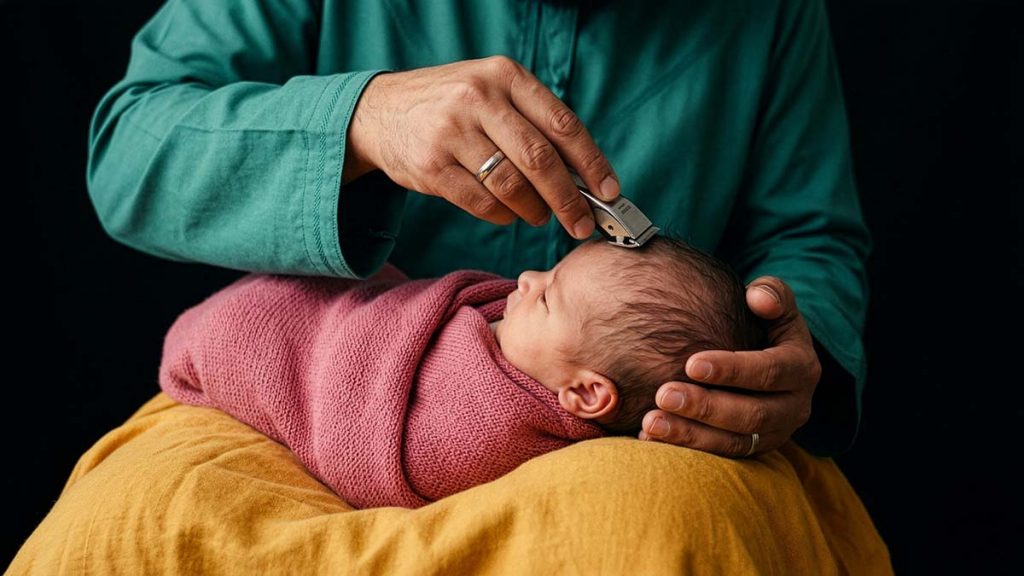
The Aqiqah is a beautiful act of worship and gratitude performed when a child is born, in which an animal is sacrificed and its meat shared with family and the poor. A cherished Sunnah of the Prophet (pbuh), it is a way of thanking Allah for the precious gift of a child, seeking blessings and protection for the newborn, and welcoming them into the community. Joining worship, charity, and celebration, it reflects the deep value Islam places on children and family. In this guide we explore what it is, the Sunnah behind it, and the beautiful things every parent should know about this cherished sacrifice.
The Quran teaches the believer to ask Allah for the comfort of righteous spouses and children, and to be grateful leaders among the God-fearing.
رَبَّنَا هَبۡ لَنَا مِنۡ أَزۡوَٰجِنَا وَذُرِّيَّٰتِنَا قُرَّةَ أَعۡيُنٖ وَٱجۡعَلۡنَا لِلۡمُتَّقِينَ إِمَامًا
“Our Lord, grant us from among our spouses and offspring comfort to our eyes, and make us a leader for the righteous.”
What Is the Aqiqah?
The Aqiqah is the sacrifice of an animal, usually a sheep or goat, offered in thanks to Allah on the occasion of the birth of a child. The meat is then shared among family, friends, and the poor. It is a confirmed Sunnah of the Prophet (pbuh) and a beautiful way of welcoming a newborn into the world and the community of believers.
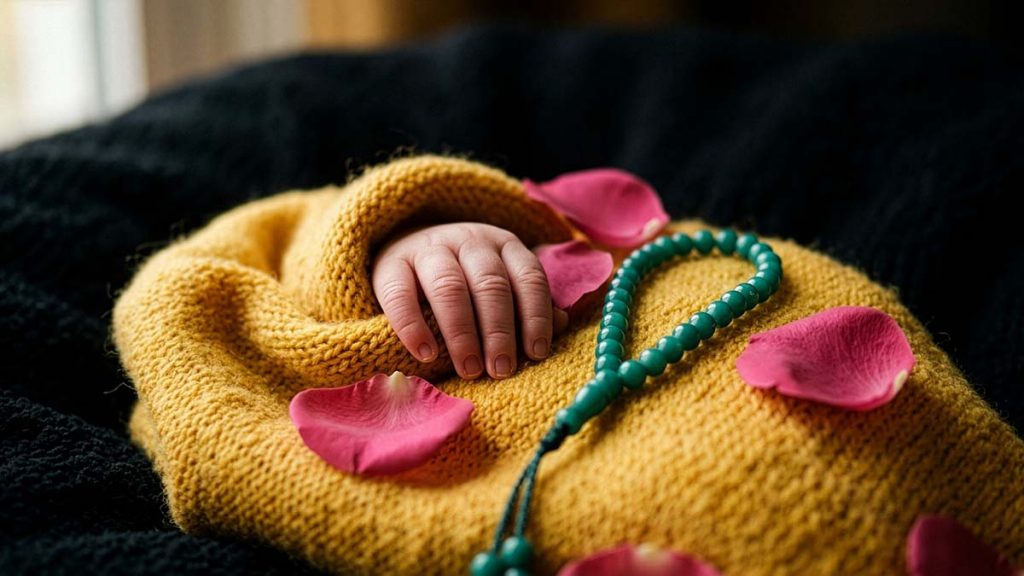
The sacrifice is traditionally accompanied by other Sunnahs of welcoming a child, such as choosing a good name and shaving the baby’s head. Together these acts express gratitude for the gift of a child and seek the blessing and protection of Allah for the new life He has granted, in the spirit of the wider Sunnah of aqiqah in Islam.
6 Beautiful Things to Know About the Aqiqah
To appreciate this cherished Sunnah, here are six beautiful things to know about the Aqiqah:
- It is a sacrifice offered in thanks for a newborn child.
- It is a Sunnah of the Prophet (pbuh) for welcoming a baby.
- It is traditionally done on the seventh day after birth.
- The meat is shared with family, friends, and the poor.
- It accompanies naming the child and shaving the head.
- It expresses gratitude to Allah for the gift of a child.
The Sacrifice in the Quran and Sunnah
The Quran shows the believer’s deep yearning for righteous children and gratitude for them, as in Surah Al-Furqan, where the servants of the Most Merciful pray for the comfort of pious offspring. The Prophet (pbuh) established the sacrifice for the newborn as a Sunnah, teaching that every child is, in a sense, pledged by it, and instructing the believers to offer it on the child’s behalf.
Our Lord grant us the comfort of righteous spouses and children and make us leaders among the God-fearing
Why the Aqiqah Matters
The sacrifice matters because it is a profound expression of gratitude to Allah for the immense blessing of a child. It marks the arrival of a new life with worship and thanksgiving rather than mere celebration, anchoring the joy of parenthood in faith from the very first days. The Prophet (pbuh) himself performed it for his grandchildren, underlining its importance.
It also brings the community together and remembers the poor. By sharing the meat of the sacrifice with relatives, neighbours, and the needy, the family welcomes their child into a wider circle of love and turns a personal blessing into a shared one, reflecting the generosity at the heart of the faith.
Every newborn child is pledged by its sacrifice offered on its behalf on the seventh day
When the Aqiqah Is Performed
The sacrifice is traditionally offered on the seventh day after the child’s birth, the same day on which the child is named and the head is shaved. If it is not possible on the seventh day, scholars have allowed it to be done later, on the fourteenth or twenty-first day, or whenever the family is able. The aim is to perform it as a glad and grateful welcome for the child, without undue hardship.
How Many Animals to Offer
The guidance passed down from the Prophet (pbuh) distinguishes between a boy and a girl: traditionally two sheep are offered for a boy and one for a girl. Both are equally beloved gifts from Allah, and the difference in number is simply a matter of the Sunnah’s instruction. A family that can only afford one sheep for a boy may still do so, for Allah does not burden a soul beyond its capacity.
Sharing the Meat of the Sacrifice
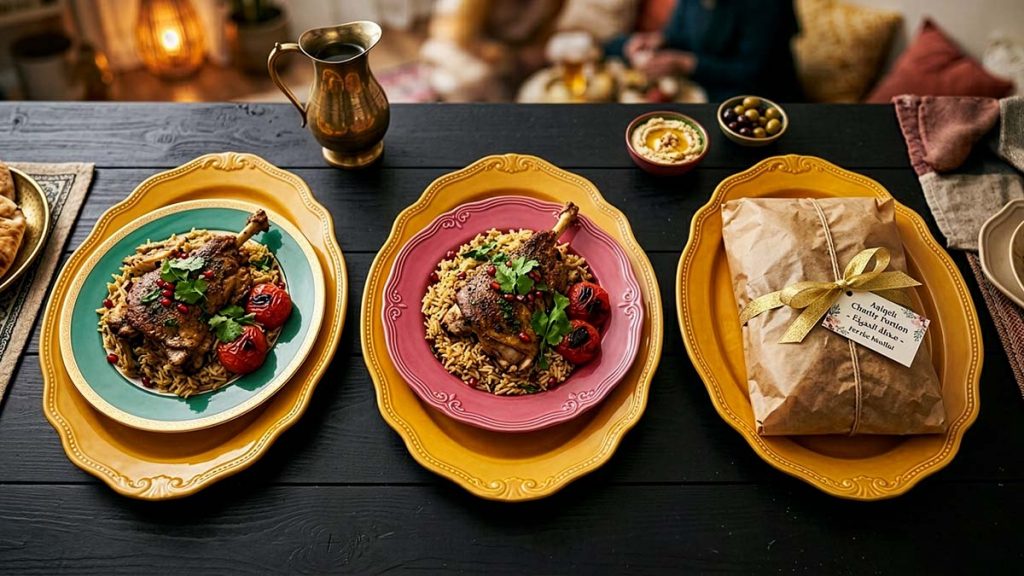
As with other sacrifices in Islam, the meat of the Aqiqah is shared generously. It is commonly divided so that a portion is kept for the family, a portion given to relatives and friends, and a portion distributed to the poor. This sharing turns the sacrifice into a source of joy and nourishment for many, echoing the spirit of charity in Islam and binding the community around the newborn.
Naming and Shaving the Head
The sacrifice is part of a beautiful set of Sunnahs performed for a newborn. On the same seventh day, the child is given a good name and the head is gently shaved, with charity often given equal to the weight of the hair in silver. These acts of naming the child and welcoming the newborn together form a loving and faith-filled welcome into the world.
Common Mistakes to Avoid
To keep the sacrifice true to the Sunnah, it helps to avoid the following:
- Delaying it indefinitely when one has the means to perform it.
- Keeping all the meat and forgetting the share owed to the poor.
- Treating it as empty custom rather than an act of gratitude to Allah.
- Overspending or competing rather than offering within one’s means.
- Neglecting the accompanying Sunnahs of naming and showing kindness.
A Joyful Welcome Rooted in Faith
The sacrifice transforms the arrival of a child into an act of worship. By thanking Allah, seeking His blessing for the newborn, and sharing with the community, the family roots the joy of parenthood in faith from the very beginning. Approaching it with gratitude and love, rather than as a mere formality, fills the occasion with true blessing for the child and the family alike.
The Prophet’s Sacrifice for His Grandsons
The importance of this Sunnah is shown clearly in the example of the Prophet (pbuh) himself, who offered the sacrifice for his beloved grandsons Hasan and Husayn. By performing it for the children dearest to him, he taught the believers that welcoming a newborn with this act of worship is a beautiful and cherished tradition. His example gives parents a loving pattern to follow for their own children.
Following the practice of the Prophet (pbuh) in such matters connects a family’s joy to his blessed example. It transforms a personal celebration into a revival of his Sunnah and a means of drawing the new life closer to the way of the faith.
The Prophet offered the sacrifice for his grandsons Hasan and Husayn welcoming them with worship and gratitude
Charity in the Weight of the Hair
Part of the beautiful tradition surrounding a newborn is the gentle shaving of the baby’s head, after which charity is given equal in value to the weight of the hair in silver. The Prophet (pbuh) instructed this when his own grandson was born, joining the joy of a new life to an act of generosity towards the poor. It is a touching way to begin a child’s life with giving.
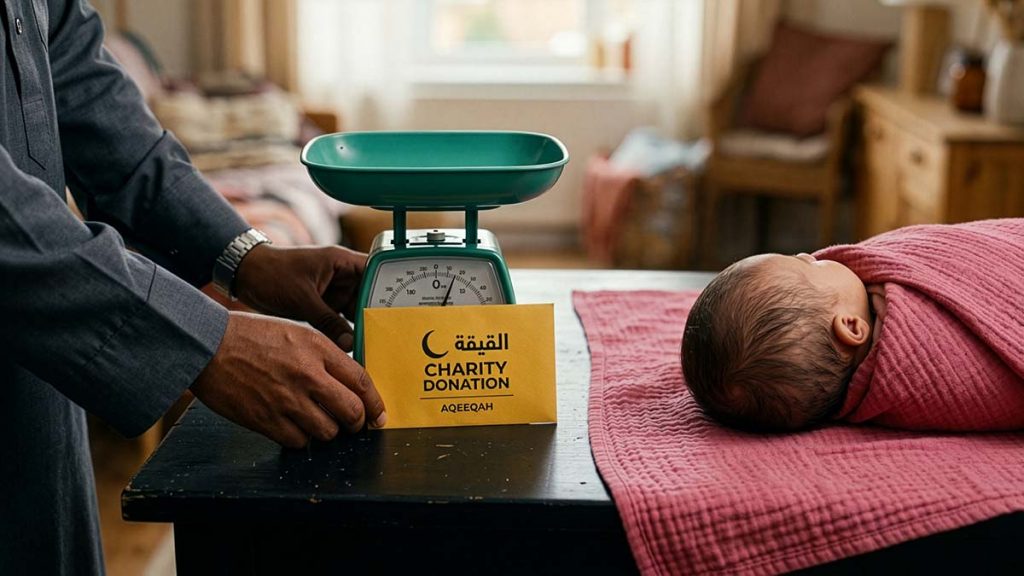
This small act carries a profound lesson, teaching that even the hair of a newborn can become a means of charity and blessing. It roots the child’s earliest days in the spirit of generosity that runs through the whole of Islam.
Shave the head of the newborn and give in charity the weight of its hair in silver a gift to the poor and a blessing for the child
Lessons the Aqiqah Teaches Us
The sacrifice for a newborn teaches the believer gratitude for the gift of children, generosity towards the poor, and the value of welcoming new life with worship. It reminds us to thank Allah for His blessings, to share our joys with others, and to raise our children from the very first days in an atmosphere of faith and gratitude.
Welcoming a little one into the world? It’s About Islam shares short, beautiful reminders on the Aqiqah, children, and gratitude to Allah you can share. Find us on YouTube, Instagram and Threads.
Frequently Asked Questions About the Aqiqah
The Aqiqah is the sacrifice of an animal offered in thanks to Allah when a child is born, with its meat shared among family, friends, and the poor. It is a Sunnah of the Prophet (pbuh).
It is traditionally performed on the seventh day after birth, alongside naming the child and shaving the head, though it may be done later if the seventh day is not possible.
Following the Sunnah, two sheep are traditionally offered for a boy and one for a girl, though a family may offer what they are able, as Allah does not burden a soul beyond its capacity.
The meat is shared generously, commonly divided between the family, relatives and friends, and the poor and needy, turning the sacrifice into a blessing for many.
The Aqiqah is a strongly encouraged Sunnah of the Prophet (pbuh) rather than a strict obligation. He performed it for his grandchildren, underlining its importance.
On the same seventh day the child is given a good name and the head is gently shaved, with charity often given equal to the weight of the hair, as a loving welcome into the world.
Welcoming a Child with Gratitude
The Aqiqah is a beautiful Sunnah that welcomes a newborn with worship, gratitude, and generosity. By offering the sacrifice, sharing the meat with the poor, and pairing it with naming and kindness, the family roots the joy of a new life in faith from its very first days. May Allah bless every child with health and righteousness and fill every home with the comfort of pious offspring.