
Tahnik: The Sweet Welcome for a Newborn
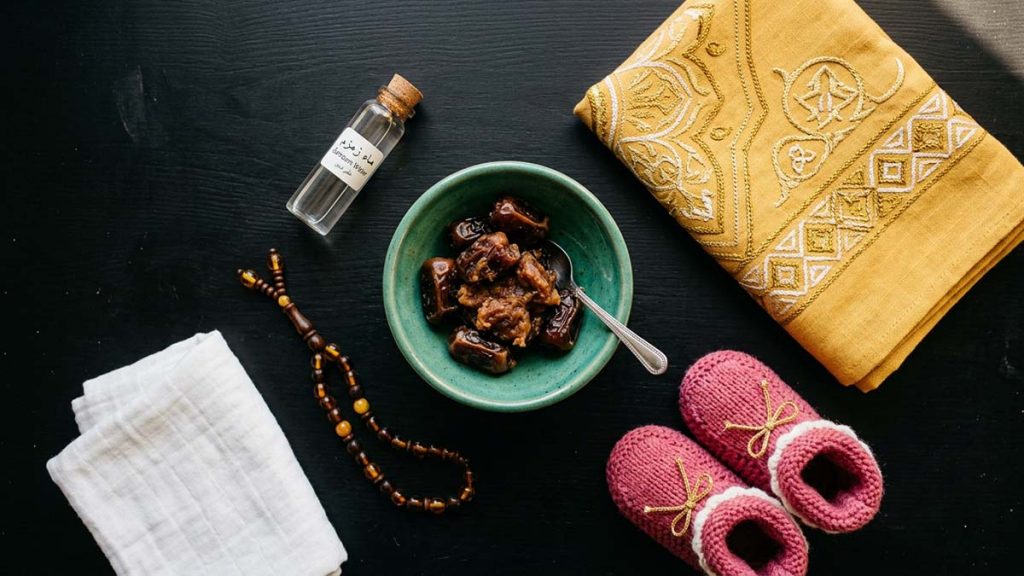
Tahnik is one of the gentlest and most heartwarming Sunnahs of Islam, the practice of welcoming a newborn baby by placing something sweet, traditionally a softened date, on the roof of its tiny mouth. A beloved practice of the Prophet (pbuh), it is a tender way of greeting a new life with sweetness and blessing, often accompanied by heartfelt prayers for the child. Simple yet deeply meaningful, it reflects the love and care Islam pours upon children from their very first moments. In this guide we explore what it is, how it is done, and the beautiful things every parent should know about this gentle Sunnah.
The Quran reminds the believer that Allah brought us forth from our mothers’ wombs knowing nothing, then granted us hearing, sight, and hearts, that we might be grateful.
وَٱللَّهُ أَخۡرَجَكُم مِّنۢ بُطُونِ أُمَّهَٰتِكُمۡ لَا تَعۡلَمُونَ شَيۡـٔٗا وَجَعَلَ لَكُمُ ٱلسَّمۡعَ وَٱلۡأَبۡصَٰرَ وَٱلۡأَفۡـِٔدَةَ لَعَلَّكُمۡ تَشۡكُرُونَ
“And Allah brought you out of the wombs of your mothers knowing nothing, and made for you hearing, vision, and hearts, that perhaps you would be grateful.”
What Is Tahnik?
Tahnik is the practice of softening a small piece of date, or something else sweet, and gently rubbing it on the palate of a newborn baby soon after birth. It is a tender Sunnah of the Prophet (pbuh), who performed it for the children brought to him, blessing them and praying for their wellbeing as he welcomed them into the world.
The practice is one of several beautiful acts of welcoming a child in Islam, alongside choosing a good name and offering the Aqiqah sacrifice. It is a gentle, loving gesture that greets a new life with sweetness and seeks the blessing of Allah for the child from its very first days.
6 Beautiful Things to Know About Tahnik
To appreciate this gentle Sunnah, here are six beautiful things to know about Tahnik:
- It welcomes a newborn with something sweet, often a date.
- It is a Sunnah the Prophet (pbuh) performed for children.
- It is accompanied by prayers for the child’s wellbeing.
- A date is traditionally used, softened and gently applied.
- A righteous person is often asked to perform it.
- It is an act of love and seeking blessing for the baby.
The Practice in the Quran and Sunnah
While the practice itself comes from the Sunnah, its spirit of gratitude for the gift of a child fits the teaching of the Quran. In Surah An-Nahl, Allah reminds the believer that He brought us into the world knowing nothing and granted us our faculties so that we might give thanks. The Prophet (pbuh) embodied this gratitude by lovingly welcoming newborns and praying for them.
Allah brought you from the wombs of your mothers knowing nothing and gave you hearing and sight that you might be grateful
Why Tahnik Matters
The practice matters because it greets a new life with love, sweetness, and the blessing of prayer from its very first moments. It reflects the immense value Islam places on children and the care with which they are to be welcomed. By following this Sunnah, parents begin their child’s life with an act of faith and affection rather than mere routine.
It also connects the family to the example of the Prophet (pbuh), who personally performed this gentle act for the children of his companions. Reviving such a Sunnah brings the warmth of his example into the home and surrounds the newborn with the blessings of heartfelt dua and good intentions from the start.
The Prophet would take the newborn soften a date and place it in its mouth then pray for the child and ask Allah to bless it
How Tahnik Is Performed
The practice is simple and gentle. A small piece of date is softened, traditionally by chewing or mashing it, and then a tiny amount is rubbed carefully on the roof of the baby’s mouth. It is done with great care and tenderness, and is usually followed by a sincere prayer for the child’s health, righteousness, and wellbeing. The whole act is one of love and blessing rather than ritual formality.
Why a Date Is Used
The date holds a special place in Islam, praised by the Prophet (pbuh) and mentioned often in the Quran as a wholesome and blessed food. Using a date for this gentle welcome connects the child to a fruit beloved in the faith and rich in goodness. While a date is traditional, scholars note that anything sweet and wholesome may be used if a date is not available, keeping the practice accessible to every family.
Seeking a Righteous Person
It is part of the tradition to ask a righteous or knowledgeable person to perform the practice and to pray for the newborn, seeking the blessing of their supplication. The companions would bring their children to the Prophet (pbuh) for this very reason. Where this is not possible, a loving parent or relative may perform it themselves, for the heart of the act is sincere prayer and care for the child.
A Loving Welcome into the World
Above all, the practice is a beautiful expression of love. It greets a fragile new life with sweetness, gentleness, and prayer, setting a tone of warmth and faith from the very beginning. Pairing it with the other Sunnahs of welcoming a child, naming and the Aqiqah, surrounds the newborn with blessing and reflects the tenderness at the heart of Islam.
Common Mistakes to Avoid
To keep the practice gentle and true to the Sunnah, it helps to avoid the following:
- Using too much sweetness or being rough with the delicate newborn.
- Treating it as superstition rather than a loving Sunnah and prayer.
- Insisting on it in a way that risks the baby’s health or comfort.
- Forgetting the heartfelt prayer that is the heart of the practice.
- Neglecting hygiene and care when performing the gentle act.
Beginning Life with Sweetness and Prayer
This tender Sunnah teaches that a child’s life should begin wrapped in love, sweetness, and the blessings of prayer. It is a beautiful reminder that faith touches even the smallest and earliest moments of life, and that welcoming a newborn with gratitude and supplication sets a foundation of warmth and devotion for the years to come.
The Blessing of the Date
The date, used so often for this gentle welcome, is a fruit of special honour in Islam. It nourished Maryam, the mother of the Prophet Isa, in her hour of need, when Allah told her to shake the palm so that ripe dates would fall to comfort and strengthen her. Choosing a date to welcome a newborn connects the child to a fruit that the Quran itself links to the blessing of birth and the care of Allah.
Beyond its place in the Quran, the date is wholesome and sweet, a fitting first taste for a new life. Its gentle sweetness and rich goodness make it a beautiful symbol of the warm welcome the faith encourages for every child.
Shake the trunk of the palm towards you and ripe dates will fall upon you so eat and drink and be comforted
A Tradition of the Companions
The companions of the Prophet (pbuh) cherished this gentle practice, bringing their newborns to him so that he might perform it and pray for their children. They understood the value of seeking the blessing of his supplication for their little ones from the very first days. This eager devotion shows how beloved the practice was among the early believers and how deeply they valued prayer for their children.
Their example invites parents today to welcome their own children with the same love and faith. Even where the Prophet’s own blessing is no longer possible, the heart of the practice, sincere prayer for the newborn, remains open to every believing family.
The companions would bring their newborns to the Prophet to be welcomed and blessed seeking the goodness of his prayer for their children
Lessons Tahnik Teaches Us
The sweet welcome of the newborn teaches the believer love, gratitude, and the care Islam shows even to the youngest of lives. It reminds us to greet Allah’s blessings with thankfulness and prayer, to follow the gentle example of the Prophet (pbuh), and to surround our children with faith and affection from their very first breath, in an atmosphere of gratitude.
Greeting a newborn the Sunnah way? It’s About Islam shares short, beautiful reminders on Tahnik, children, and the gentle example of the Prophet (pbuh) you can share. Find us on YouTube, TikTok and Pinterest.
Frequently Asked Questions About Tahnik
Tahnik is the Sunnah of welcoming a newborn by gently rubbing something sweet, traditionally a softened date, on the roof of its mouth, accompanied by prayers for the child’s wellbeing.
A small piece of date is softened and a tiny amount is gently rubbed on the baby’s palate with great care, usually followed by a sincere prayer for the child’s health and righteousness.
The date is a wholesome and blessed food praised in the Quran and by the Prophet (pbuh). If a date is unavailable, scholars allow anything sweet and wholesome to be used instead.
It is traditional to ask a righteous or knowledgeable person to perform it and pray for the newborn. Where this is not possible, a loving parent or relative may do it themselves.
No, Tahnik is a recommended Sunnah rather than an obligation. It is a gentle, loving act of welcoming a child and seeking the blessing of Allah for the newborn.
It is done soon after the birth of the child, as one of the first gentle acts of welcoming the newborn into the world with sweetness and prayer.
A Sweet and Blessed Welcome
Tahnik is a tender Sunnah that welcomes a newborn with sweetness, gentleness, and the blessing of prayer. By following the loving example of the Prophet (pbuh) and pairing it with heartfelt supplication for the child, parents begin their little one’s life rooted in faith and affection. May Allah bless every newborn with health and righteousness and grant every parent the joy of pious children.