
Walima: The Marriage Feast in Islam
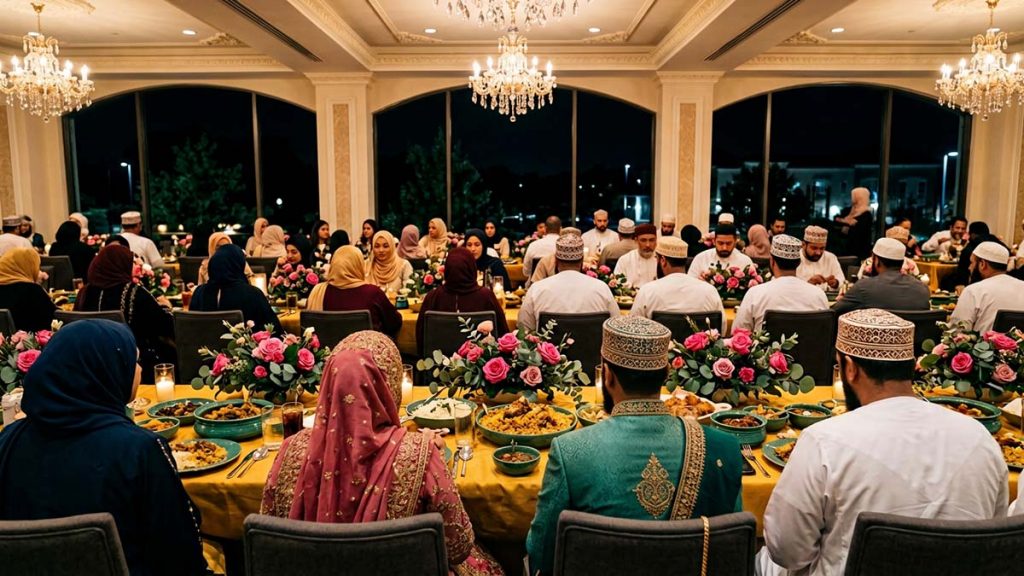
The Walima is the joyful marriage feast of Islam, a celebration held after a wedding to share the happy news with family, friends, and the wider community. Far more than a simple meal, it is a beloved Sunnah of the Prophet (pbuh), a public announcement of the marriage, and an act of gratitude to Allah for the blessing of union. Generous, welcoming, and rooted in faith, it reflects the beautiful balance Islam strikes between worship and joy. In this guide we explore what it is, its etiquette, and the beautiful things every believer should know about this cherished feast.
The Quran invites the believers to eat from the good and lawful provisions that Allah has granted them and to be grateful to Him.
يَٰٓأَيُّهَا ٱلَّذِينَ ءَامَنُواْ كُلُواْ مِن طَيِّبَٰتِ مَا رَزَقۡنَٰكُمۡ وَٱشۡكُرُواْ لِلَّهِ
“O you who believe, eat from the good things We have provided for you and be grateful to Allah.”
What Is the Walima?
The Walima is the wedding feast held after a marriage in Islam, traditionally provided by the groom to celebrate and announce the union. It is a gathering at which food is shared with relatives, friends, and members of the community, marking the joy of a new family being formed and giving thanks to Allah for the blessing of Nikah.
More than a social event, it is a confirmed Sunnah of the Prophet (pbuh), who held a feast upon his own marriages and instructed his companions to do the same. It serves to make the marriage publicly known, to spread happiness, and to bring the community together around the couple in a spirit of generosity and celebration.
6 Beautiful Things to Know About the Walima
To appreciate this cherished Sunnah, here are six beautiful things to know about the Walima:
- It is the wedding feast held to celebrate a marriage.
- It is a confirmed Sunnah of the Prophet (pbuh).
- It announces the marriage publicly to the community.
- It is an act of gratitude to Allah for the blessing of union.
- The poor should be included, not only the wealthy and well-known.
- Accepting the invitation to it is strongly encouraged.
The Feast in the Quran and Sunnah
The spirit of sharing good food in gratitude is encouraged throughout the Quran, including in Surah Al-Baqarah, where Allah invites the believers to eat of the good things He has provided and to give thanks. The Prophet (pbuh) brought this to life by holding a feast at his marriages and urging the believers to mark their unions with one, however modest.
Eat of the good and lawful things that Allah has provided for you and be grateful to Him alone
Why the Walima Matters
The feast matters because it publicly proclaims the marriage and protects its honour. By gathering the community to share in the joy, it leaves no doubt that a lawful union has taken place, distinguishing marriage from anything hidden or shameful. The Prophet (pbuh) emphasised announcing the marriage, and the feast is one of the most beautiful ways to do so.
It also strengthens the bonds of the community. A shared meal brings together relatives, neighbours, and friends in celebration, spreading happiness and reinforcing ties of kinship and brotherhood. In this way the feast turns a private joy into a shared blessing for everyone present.
Hold a wedding feast even if only with a single sheep to announce the marriage and share its joy
The Sunnah of the Prophet’s Feasts
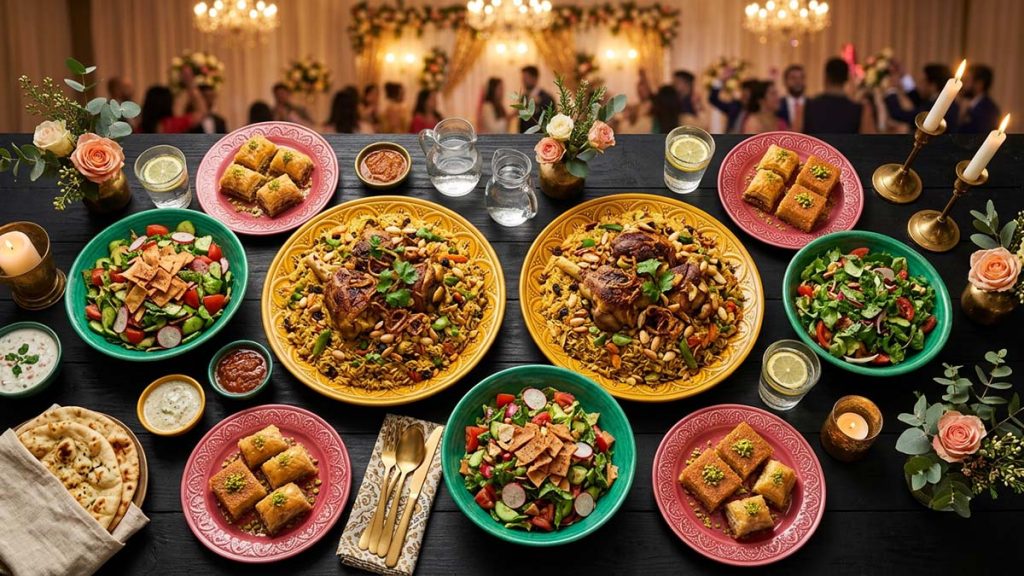
The Prophet (pbuh) set a clear example with his own marriage feasts, which varied in size according to what was available, sometimes with meat and bread, and at other times with simpler fare. This teaches the believer that the feast need not be extravagant; what matters is the intention to celebrate the marriage and to share with others, within one’s means and without burdening oneself with debt or excess.
Including the Poor in the Feast
One of the most important teachings about the feast concerns who is invited. The Prophet (pbuh) warned against a feast to which only the rich are called while the poor are left out, describing such a meal as the worst kind of feast. A true Walima opens its doors to the needy alongside the wealthy, reflecting the spirit of helping others in Islam and ensuring the blessing is shared by all.
The worst of feasts is one to which the rich are invited and the poor left out so welcome the needy alongside the well-known
Accepting the Invitation
Islam places great value on accepting an invitation to a wedding feast. The Prophet (pbuh) taught that the one who is invited should respond and attend, as a way of honouring the host and strengthening community ties. Unless there is a genuine reason or something unlawful at the gathering, declining without excuse is discouraged, showing how seriously the faith treats kindness and the bonds between believers.
Keeping the Feast Within Means
While generosity is encouraged, Islam warns against extravagance and waste. A feast that plunges a family into debt or competes to outdo others misses the spirit of the Sunnah, which is gratitude and sharing, not display. The believer is encouraged to hold a feast that is generous yet sensible, befitting their means and free from the showing-off that the faith strongly discourages.
Avoiding the Unlawful at Celebrations
A wedding celebration should remain a source of blessing, free from anything that displeases Allah. Keeping the feast away from the unlawful, while preserving modesty and good conduct, ensures that the joy of the occasion is wholesome and that the gathering earns reward rather than regret. A celebration rooted in gratitude and good manners is a beautiful reflection of the faith.
Common Mistakes to Avoid
To keep the feast true to the Sunnah, it helps to avoid the following:
- Inviting only the wealthy while leaving out the poor and needy.
- Overspending to the point of debt or competing with others.
- Turning the celebration into wasteful extravagance and display.
- Declining a genuine invitation without a valid reason.
- Allowing the unlawful to spoil the blessing of the occasion.
A Celebration Rooted in Gratitude
At its heart, the feast is an expression of thankfulness to Allah for the gift of marriage. By gathering loved ones, sharing food generously, and remembering the poor, the believer turns the joy of a new union into an act of worship. Approaching the celebration with gratitude, rather than mere social obligation, is what fills it with true blessing.
The Joy of Sharing Food
Few things bring people together like a shared meal, and Islam treasures the act of feeding others. The Prophet (pbuh) encouraged the believers to spread the greeting of peace and to feed people, linking generosity with food to the warmth of the community. The wedding feast is a beautiful expression of this teaching, gathering loved ones around a table in happiness and gratitude to Allah.
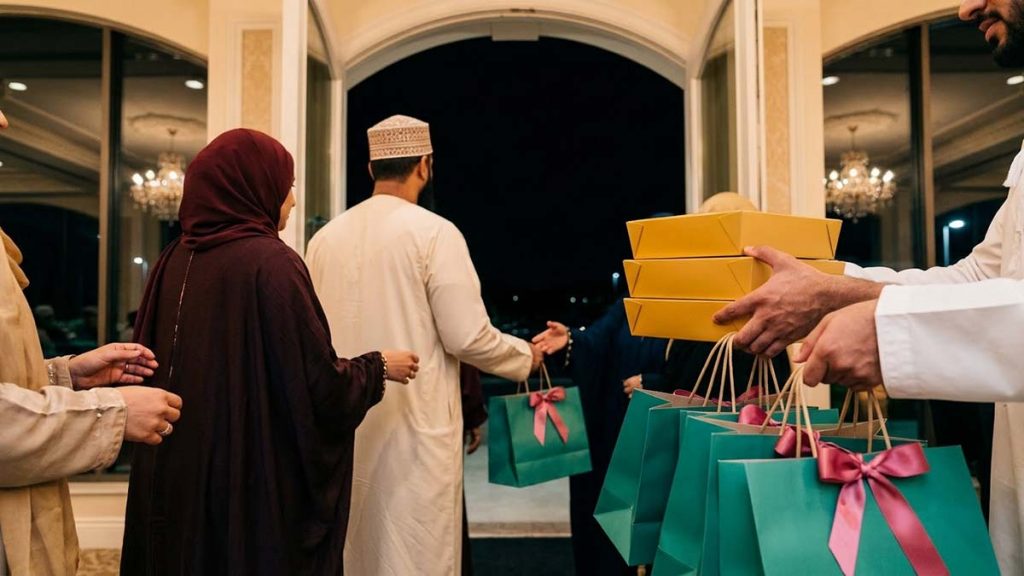
By opening the home and sharing food generously, the host earns reward and strengthens bonds of affection. The feast becomes not just a celebration of one couple but a moment of joy and unity for everyone who attends.
Spread the greeting of peace feed others generously and you will enter the gardens of Paradise in peace
A Beautiful Start to Married Life
The feast also marks a hopeful beginning for the new couple. Surrounded by the prayers and good wishes of family and friends, the bride and groom start their life together within a circle of love and support. Beginning a marriage with an act of worship and community, rather than mere festivity, sets a tone of gratitude and faith for the home they are about to build.
In this way the celebration is woven into the fabric of the marriage itself, reminding the couple that their union is a blessing from Allah meant to be honoured, shared, and lived with thankfulness.
Lessons the Walima Teaches Us
The marriage feast teaches the believer generosity, gratitude, and care for the whole community. It reminds us to announce and honour marriage, to include the poor in our joy, and to celebrate within our means and free from extravagance. It is a beautiful lesson in turning happiness into gratitude and sharing the blessings of marriage in Islam with others.
Celebrating a new union the Sunnah way? It’s About Islam shares short, beautiful reminders on the Walima, marriage, and gratitude to Allah you can share. Find us on YouTube, Instagram and LinkedIn.
Frequently Asked Questions About the Walima
The Walima is the wedding feast held after a marriage in Islam, traditionally provided by the groom to celebrate and announce the union and to share food with family and the community.
The Walima is a strongly confirmed Sunnah of the Prophet (pbuh) rather than a strict obligation, though it is highly encouraged as a way to announce and celebrate the marriage.
Traditionally the groom provides the wedding feast, though families often share in the arrangements. What matters is that it is held within one’s means and without extravagance.
Yes. The Prophet (pbuh) warned against a feast to which only the rich are invited and the poor left out, so a true Walima welcomes the needy alongside everyone else.
The Prophet (pbuh) taught that one invited to a wedding feast should attend, unless there is a genuine reason or something unlawful at the gathering, as a way of honouring the host.
It should be generous yet sensible, within the host’s means. The Prophet’s own feasts varied in size, showing that the intention to celebrate and share matters more than extravagance.
Celebrating Marriage with Gratitude
The Walima is a beautiful Sunnah that turns the joy of marriage into an act of gratitude and community. By holding a feast within one’s means, welcoming the poor alongside the rich, and keeping the celebration wholesome, the believer follows the example of the Prophet (pbuh) and shares the blessing of union with others. May Allah bless every marriage and fill its celebration with goodness and gratitude.