
Muharram: The First and Most Sacred Month
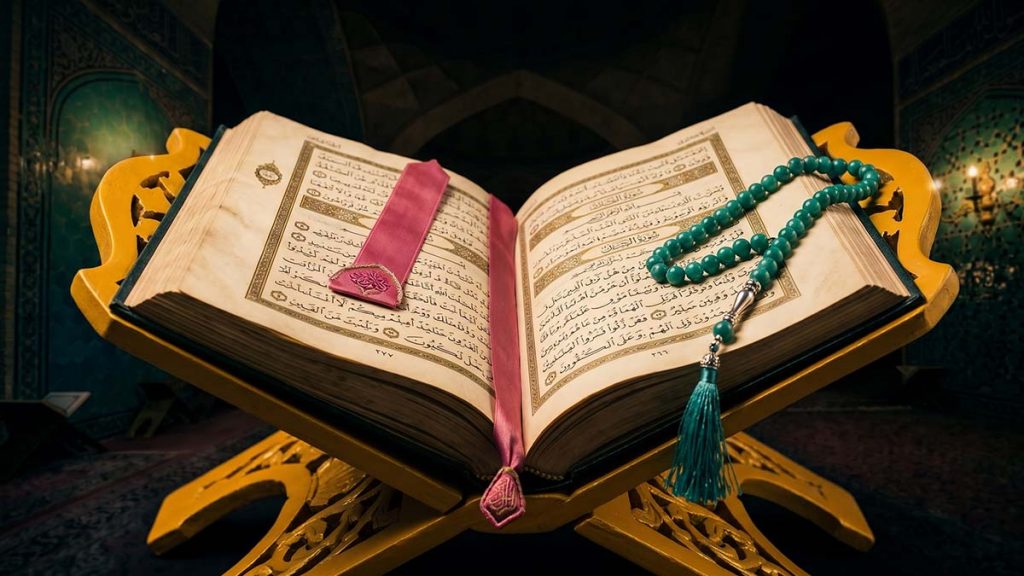
Muharram is the first month of the Islamic year and one of the four sacred months that Allah has honoured above the rest. Its very name means forbidden, pointing to the heightened sanctity in which wrongdoing is graver and good deeds are more richly rewarded. It is a month the Prophet (pbuh) called the month of Allah, a time of voluntary fasting, reflection, and renewed devotion that opens the Hijri year on a note of worship. In this guide we explore what it is, its powerful virtues, and how the believer can make the most of this blessed sacred month.
The Quran declares that the number of months with Allah is twelve, of which four are sacred, a measure set in place since the creation of the heavens and the earth.
إِنَّ عِدَّةَ ٱلشُّهُورِ عِندَ ٱللَّهِ ٱثۡنَا عَشَرَ شَهۡرٗا فِي كِتَٰبِ ٱللَّهِ يَوۡمَ خَلَقَ ٱلسَّمَٰوَٰتِ وَٱلۡأَرۡضَ مِنۡهَآ أَرۡبَعَةٌ حُرُمٞ
“Indeed, the number of months with Allah is twelve months in the register of Allah from the day He created the heavens and the earth; of these, four are sacred.”
What Is Muharram?
Muharram is the opening month of the Hijri calendar and marks the Islamic New Year. It is one of the four sacred months mentioned in the Quran, alongside Dhul Qadah, Dhul Hijjah, and Rajab, periods in which Allah commands the believers to be especially mindful of their deeds.
The name of the month comes from a root meaning forbidden or sacred, reflecting the ancient prohibition of fighting during these blessed times. For the believer today, it is a month to increase in worship, reflect on the new year, and revive the Sunnah of fasting, especially on the day of Ashura.
6 Powerful Virtues of Muharram
This sacred month carries blessings that the wise believer seeks to capture. Here are six powerful virtues of the month of Muharram:
- It is one of the four sacred months honoured by Allah in the Quran.
- It opens the Hijri year, setting a tone of worship and reflection.
- The Prophet called it the month of Allah, a sign of its great status.
- Fasting in it is beloved, second only to the fasting of Ramadan.
- The day of Ashura within it carries immense reward.
- Good deeds are magnified and wrongdoing is graver in its days.
The Sacred Month in the Quran and Sunnah
The sanctity of these months is established directly in Surah At-Tawbah, where Allah states that twelve months were appointed at creation, four of them sacred. The Prophet (pbuh) singled out this month with special honour, calling it the month of Allah and pointing to the great reward of fasting within it for those who seek nearness to their Lord.
The number of months with Allah is twelve and four of them are sacred so do not wrong yourselves during these honoured months
Why Muharram Matters
The month matters because it is a rare season of heightened mercy and reward at the very start of the year. The Prophet (pbuh) taught that the best fasting after Ramadan is in this sacred month, making it a precious opportunity for voluntary worship. Beginning the Hijri year with such devotion sets a powerful spiritual direction for the months to come.
It also calls the believer to a deeper mindfulness. Because wrongdoing carries greater weight in these sacred days, the month is a reminder to guard the tongue, the heart, and the limbs, and to fill the time with prayer, charity, and good character rather than heedlessness.
The best fasting after Ramadan is fasting in the sacred month of Allah a beloved act of worship for those who seek His nearness
The Meaning of a Sacred Month
To call a month sacred is to mark it as a time of special reverence. In the days before Islam, fighting was forbidden during these months so that people could travel and trade in safety, and Islam preserved their honour. For the believer, their sanctity is a call to elevate their worship and to treat these days with the seriousness and care they deserve.
The Virtue of Fasting in Muharram
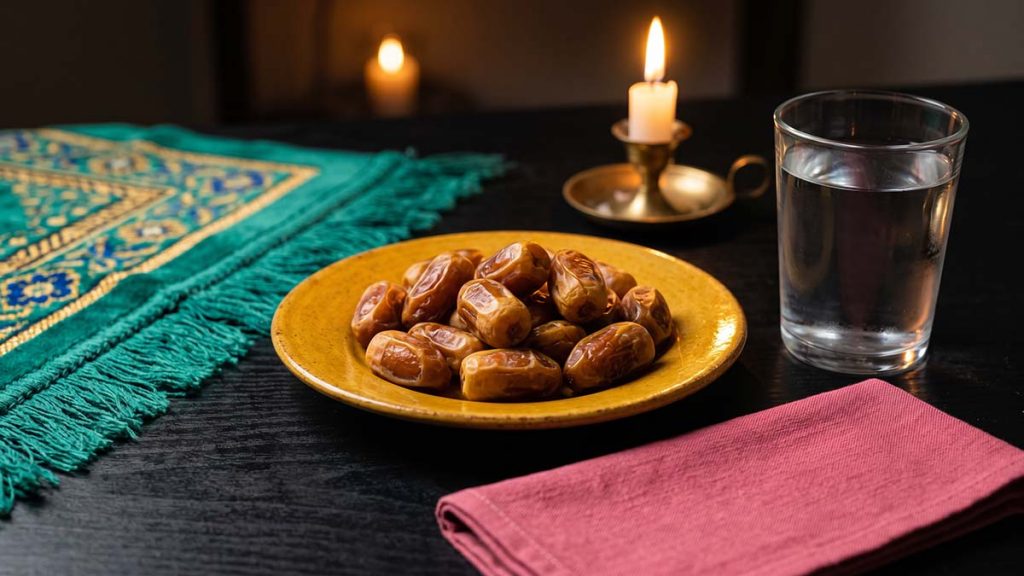
Voluntary fasting is the worship most associated with this month. The Prophet (pbuh) described fasting in it as the most rewarding after the obligatory fasts of Ramadan, encouraging the believers to seize its blessings. Many fast several days through the month, while almost all focus on the day of Ashura, reviving a Sunnah of immense reward.
The Day of Ashura
The most celebrated day of the month is the tenth, known as Ashura. The Prophet (pbuh) fasted on this day and recommended it, for it commemorates how Allah saved the Prophet Musa and his people from Pharaoh. Fasting it is said to expiate the sins of the past year, a beautiful mercy at the very start of the Hijri calendar.
How to Make the Most of the Month
The believer can honour these sacred days by increasing their worship across the board: fasting voluntarily, praying with greater focus, reciting the Quran, giving charity, and seeking forgiveness. Setting good intentions for the new year and reflecting on the lessons of the migration deepen the meaning of the month and carry its blessings forward.
Common Mistakes to Avoid
To keep the worship of the month sincere and sound, avoid the following:
- Letting the sacred month pass without any extra worship or fasting.
- Treating wrongdoing lightly in days of heightened sanctity.
- Inventing rituals for the month with no basis in the Sunnah.
- Focusing only on a single day and neglecting the wider month.
- Reducing the month to custom rather than sincere devotion to Allah.
A Blessed Start to the Year
There is great wisdom in opening the year with a sacred month. It encourages the believer to begin with worship rather than heedlessness, to take account of the soul, and to enter the new year with a heart turned towards Allah. A strong, devout start in this month can set the pattern for a year filled with consistency and good deeds across the wider ummah.
Reviving the Sunnah of the Month
One of the joys of this sacred month is the chance to revive a beloved Sunnah that many overlook. Voluntary fasting, especially on the tenth day, was a practice the Prophet (pbuh) held dear, and reviving it brings both great reward and a sense of connection to his example. Across the world, countless believers fast these blessed days, reflecting on the new year and seeking the forgiveness that the month so generously offers.
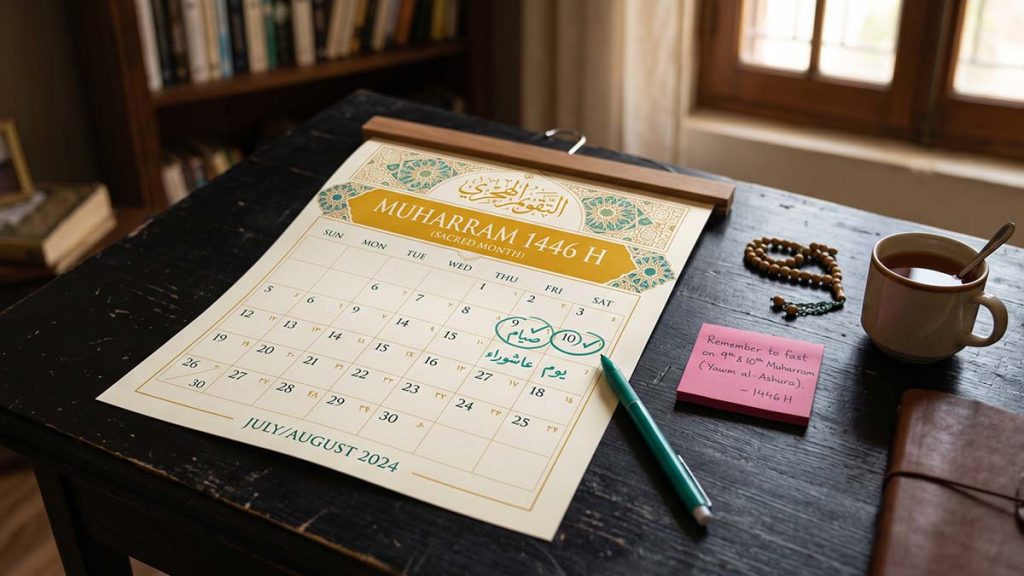
Beyond fasting, the believer can revive other acts of devotion in the month: extra prayer, generous charity, and sincere repentance. Reviving forgotten good deeds in a sacred season is a beautiful way to honour the time and to draw nearer to Allah.
Each year in this sacred month countless believers revive the fast of the Prophet seeking forgiveness and nearness to Allah
A Month to Guard the Soul
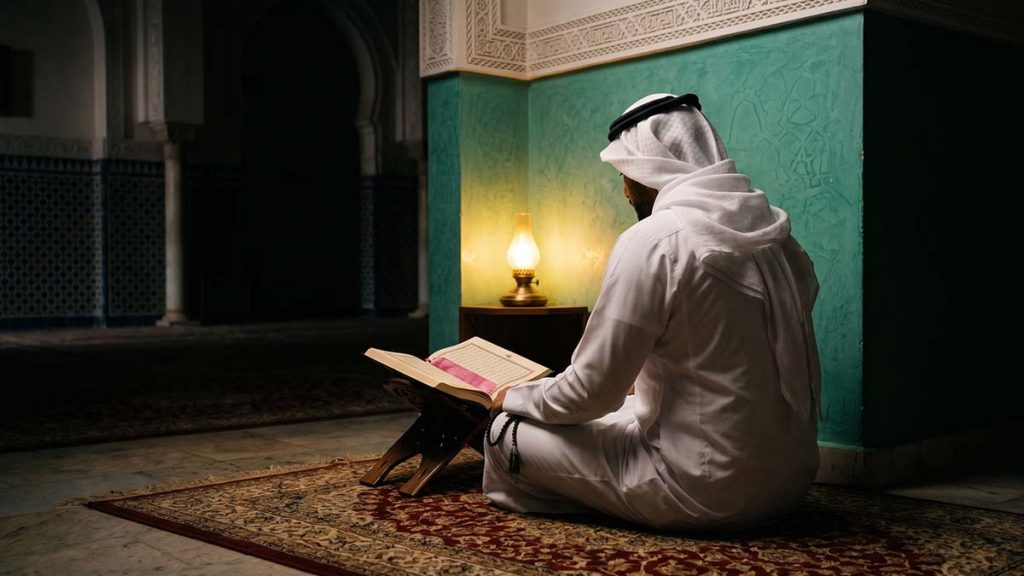
Because wrongdoing carries greater weight in the sacred months, this is a time to guard the soul with special care. The believer watches the tongue against gossip and falsehood, the heart against envy and pride, and the limbs against sin, knowing that deeds in these honoured days are weightier in the sight of Allah. This heightened mindfulness is itself a form of worship.
Guarding the soul in the sacred month also trains the believer for the rest of the year. The discipline built in these blessed days, of restraint, reflection, and devotion, can carry forward and shape the months that follow with the same care and attention.
In the sacred months wrong themselves not with sin and disobedience for good deeds are magnified and so too is their harm
Lessons Muharram Teaches Us
The first sacred month teaches the believer to value time, to seize seasons of mercy, and to begin the year in worship and reflection. It reminds us that good deeds are magnified in honoured days, that fasting draws us near to Allah, and that the new year is a fresh opportunity to live with gratitude and devotion to our Creator.
Want to begin the Hijri year with worship? It’s About Islam shares short, beautiful reminders on Muharram, fasting, and the sacred months you can share. Find us on YouTube, Facebook and X.
Frequently Asked Questions About Muharram
Muharram is the first month of the Islamic calendar and one of the four sacred months honoured by Allah in the Quran. Its name means forbidden, pointing to its heightened sanctity.
Allah declared four of the twelve months sacred, and Muharram is one of them. In these months wrongdoing is graver and good deeds carry greater reward.
Voluntary fasting is the worship most encouraged. The Prophet (pbuh) said the best fasting after Ramadan is in this sacred month, especially on the day of Ashura.
Ashura is the tenth day of Muharram. The Prophet (pbuh) fasted it and recommended it, as it commemorates Allah saving the Prophet Musa and his people from Pharaoh.
No, fasting in Muharram is voluntary, not obligatory. It is, however, highly rewarding, and the Prophet (pbuh) especially encouraged fasting the day of Ashura.
Muharram has long been counted as the first month, and the Hijri calendar, set from the year of the migration, opens with it as a sacred beginning to the year.
Honouring the Month of Allah
Muharram is a precious gift at the start of the Hijri year, a sacred month of heightened reward, voluntary fasting, and quiet reflection. By increasing worship, reviving the fast of Ashura, and entering the new year with a mindful heart, the believer honours the month the Prophet (pbuh) called the month of Allah. May Allah accept your worship and bless the year it opens.