
Islamic New Year: The Beginning of the Hijri Year
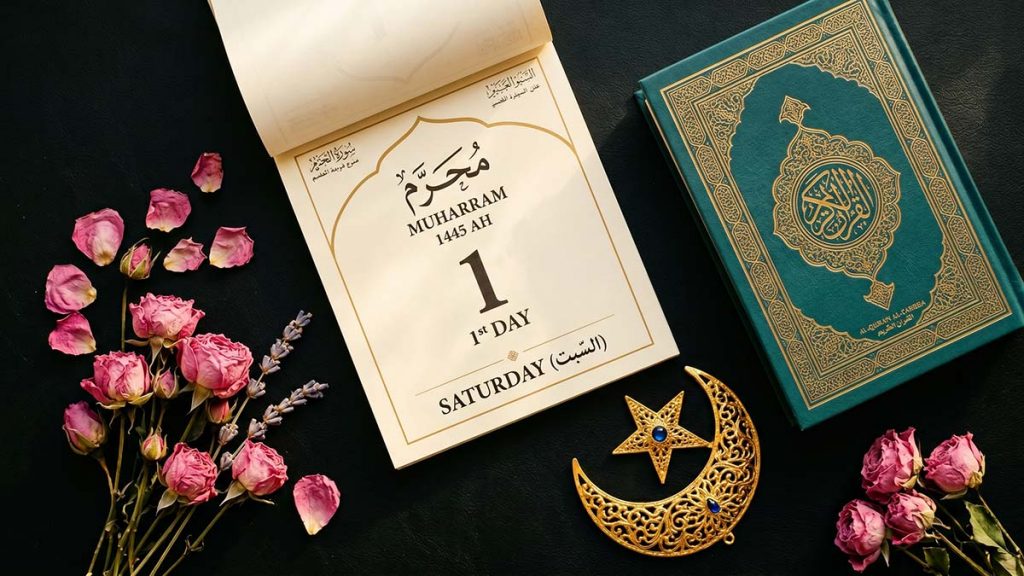
The Islamic New Year is a quiet but meaningful occasion that marks the start of a fresh year in the Hijri calendar. Unlike the fireworks and celebrations of other new years, it begins gently with the sacred month of Muharram and invites the believer to pause, reflect, and renew their relationship with Allah. Rooted in the great migration of the Prophet (pbuh) from Makkah to Madinah, it carries deep lessons about sacrifice, trust, and new beginnings. In this guide we explore what it is, how it began, and the beautiful lessons this blessed new year offers every believer.
The Quran reminds the believer that Allah alternates the night and the day and appointed the months and years as signs for people who reflect.
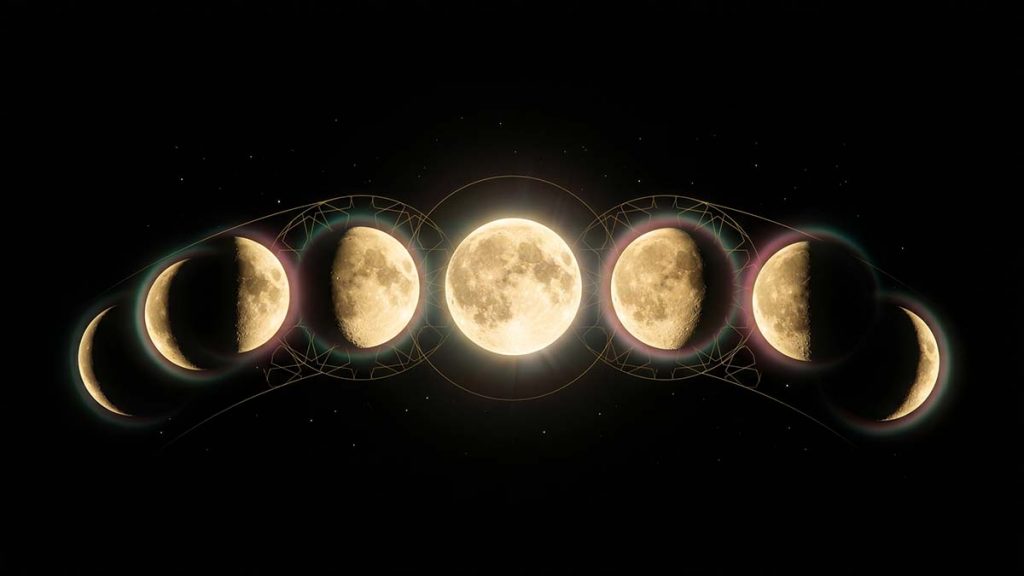
هُوَ ٱلَّذِي جَعَلَ ٱلشَّمۡسَ ضِيَآءٗ وَٱلۡقَمَرَ نُورٗا وَقَدَّرَهُۥ مَنَازِلَ لِتَعۡلَمُواْ عَدَدَ ٱلسِّنِينَ وَٱلۡحِسَابَ
“It is He who made the sun a shining light and the moon a derived light and determined for it phases, that you may know the number of years and the account of time.”
What Is the Islamic New Year?
The Islamic New Year is the first day of the Hijri calendar, the lunar calendar used throughout the Muslim world to mark religious dates and seasons of worship. It begins with the first day of Muharram, one of the four sacred months, and signals the turning of one year into the next according to the cycles of the moon.
The Hijri calendar takes its name and starting point from the Hijrah, the migration of the Prophet (pbuh) and his companions from Makkah to Madinah. Rather than a night of feasting, the occasion is a time for gratitude, reflection on the year that has passed, and sincere intentions for the year ahead.
6 Beautiful Lessons of the Islamic New Year
This gentle occasion carries timeless wisdom for the believer. Here are six beautiful lessons of the Islamic New Year:
- The value of new beginnings and turning back to Allah with hope.
- The reward of sacrifice, shown in the migration that begins the calendar.
- Trust in Allah’s plan, even when leaving everything familiar behind.
- The blessing of time as a gift to be used in worship and good.
- Reflection over celebration, marking the year with gratitude and intention.
- The strength of community, as the migration built the first Muslim society.
The Turning of the Year in the Quran and Sunnah
The passing of months and years is presented in the Quran as a sign of Allah’s wisdom and order. In Surah Yunus, Allah describes how He shaped the sun and the moon to mark the number of years and the reckoning of time, inviting people to reflect on His signs and use their days well.
It is Allah who made the sun a shining light and measured the moon in stages that you might know the number of years and the reckoning of time
Why the Islamic New Year Matters
The occasion matters because it reconnects the believer with both their history and their purpose. It commemorates the migration that changed the course of the faith, and it offers a natural moment to take stock of one’s deeds, renew good habits, and set spiritual goals. In a busy life, such moments of pause and reflection are a quiet mercy.
It is also a reminder that time is precious and limited. Each new year that arrives is a fresh portion of life entrusted to the believer, an opportunity to draw closer to Allah and to leave behind whatever held the heart back in the year before.
The wise believer takes account of his own soul before he is taken to account and prepares for what lies ahead
The Story of the Hijri Calendar
The Hijri calendar was established during the time of the second caliph, Umar, may Allah be pleased with him, when the growing Muslim community needed a clear system for dating its affairs. The companions chose the year of the migration to Madinah as its starting point, recognising that this event, more than any battle or victory, marked the true birth of the Muslim nation.
The Sacred Month of Muharram
The year opens with Muharram, one of the four months Allah declared sacred. It is a month of heightened reward and reflection, in which the Prophet (pbuh) encouraged voluntary fasting, especially on the day of Ashura. Beginning the year with worship in a sacred month sets a beautiful tone of devotion for the months that follow.
A Time for Reflection and Renewal
More than anything, the new year is an invitation to reflect. The believer can look back honestly at the year that has passed, give thanks for its blessings, seek forgiveness for its shortcomings, and form sincere intentions to do better. This habit of self-examination, paired with hope in Allah’s mercy, turns the turning of the year into a genuine spiritual reset rather than an empty date on the calendar.
How Muslims Mark the Occasion
There is no special ritual prescribed for the day itself, and Muslims mark it simply and thoughtfully. Many increase their voluntary fasting in the sacred month, reflect on the lessons of the migration, make dua for the year ahead, and renew their commitment to prayer and good character. The occasion is honoured through worship and reflection rather than festivity.
Common Misunderstandings to Avoid
To keep the occasion in line with the faith, it helps to avoid the following:
- Treating it like other new years with excessive celebration and waste.
- Inventing special rituals for the day that have no basis in the Sunnah.
- Reducing the migration to a mere historical date with no lessons.
- Ignoring the sacred month of Muharram and its encouraged fasting.
- Making resolutions without any real intention of acting on them.
Setting Intentions for the New Year
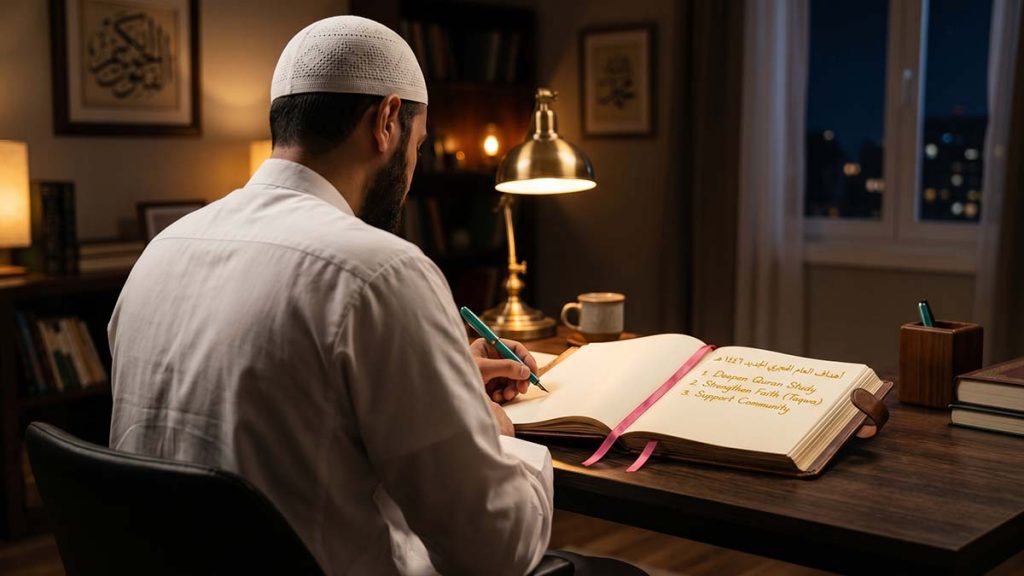
The believer can use this fresh start to set clear, sincere goals: to pray with more focus, to read more of the Quran, to control the tongue, or to give more in charity. Writing these intentions down and beginning with small, steady steps mirrors the determination of the Prophet (pbuh) and his companions, who built an entire community through patience and consistent effort after the migration.
The Wisdom of the Lunar Calendar
The Hijri calendar that the new year opens is built on the cycles of the moon, a system followed by Muslims across the world to fix the dates of fasting, pilgrimage, and the festivals. Because the lunar year is shorter than the solar one, the Islamic months move gradually through the seasons, so that Ramadan and the other sacred times are experienced in summer and winter alike over the years. This gentle rotation is a quiet sign of Allah’s wisdom in ordering time.
For the believer, the lunar calendar is more than a way of counting days; it is a constant link to acts of worship and to the rhythm of the faith, keeping the heart attentive to the seasons of mercy as they come around each year.
Across the world over a billion believers follow the Hijri calendar to mark their fasts their pilgrimage and their festivals
Carrying the Spirit of the Migration
Because the new year is rooted in the migration, it carries that event’s spirit of striving for the sake of Allah. The Quran promises that whoever migrates in the path of Allah will find in the earth many a refuge and abundance, a reassurance that sacrifice for faith is always met by the generosity of the Creator. The new year invites the believer to migrate, in their own way, towards a better and more devout life.
This is the deeper meaning behind the date: not merely the turning of a calendar, but a yearly call to leave behind what holds the heart back and to journey towards Allah with fresh resolve.
Whoever migrates for the sake of Allah will find refuge and abundance in the earth and a reward that never fails
Lessons the Islamic New Year Teaches Us
The new year teaches the believer to value time, to embrace new beginnings, and to trust in Allah’s plan as the Prophet (pbuh) did when he left his home for Madinah. It reminds us that sacrifice brings reward, that community is a source of strength, and that every year is a fresh chance to live with deeper gratitude and devotion to our Creator.
Reflecting on a fresh start in the Hijri calendar? It’s About Islam shares short, beautiful reminders on the new year, Muharram, and the migration you can share. Find us on YouTube, TikTok and Pinterest.
Frequently Asked Questions About the Islamic New Year
The Islamic New Year is the first day of the Hijri calendar, beginning with the sacred month of Muharram. It marks the turning of one lunar year into the next in the Muslim world.
It falls on the first day of Muharram, the first month of the Hijri calendar. Because the calendar is lunar, the date shifts each year relative to the solar calendar.
The companions chose the year of the migration to Madinah as the calendar’s starting point because it marked the birth of the Muslim community, more than any victory or event.
There is no prescribed ritual. Muslims mark it simply with reflection, gratitude, voluntary fasting in Muharram, dua for the year ahead, and renewed commitment to worship.
No, it is not one of the two Islamic festivals. It is a quiet occasion for reflection and renewal rather than a day of celebration and feasting.
Muharram is one of the four sacred months and the first month of the year. The Prophet (pbuh) encouraged voluntary fasting in it, especially on the day of Ashura.
Beginning the Year with Reflection
The Islamic New Year is a gentle and meaningful occasion, a time to honour the migration that shaped the faith and to renew one’s relationship with Allah. By reflecting on the year that has passed, giving thanks, and setting sincere intentions in the sacred month of Muharram, the believer begins the new year with hope and purpose. May Allah make the coming year one of blessing, growth, and nearness to Him.