
Eid al-Fitr: The Festival of Breaking the Fast
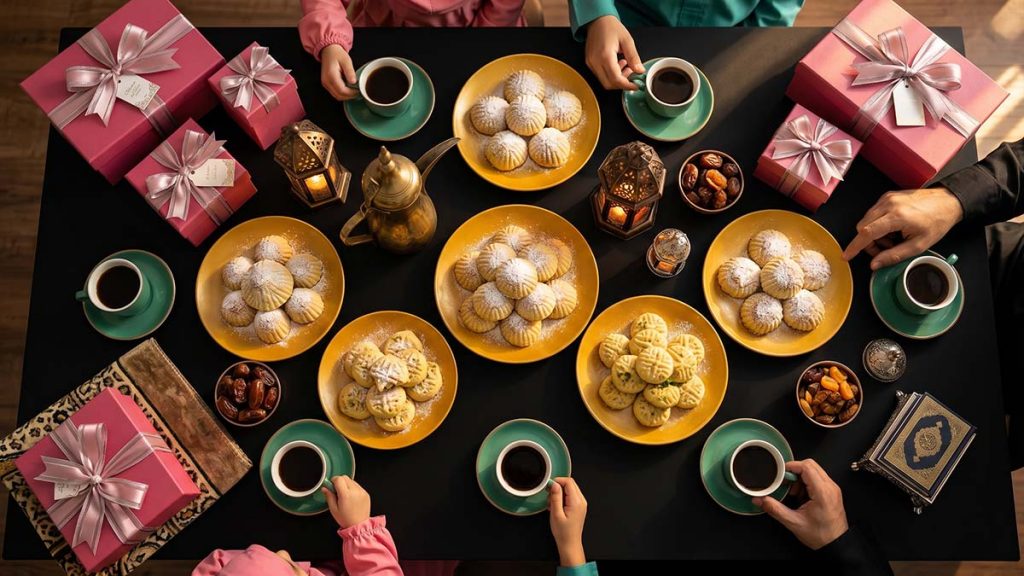
Eid al-Fitr is one of the two great festivals of Islam, a day of pure joy that crowns a month of fasting, prayer, and self-discipline. As the new moon ends Ramadan, more than a billion Muslims rise to celebrate the mercy of Allah, the gift of completing the fast, and the sweetness of community. From the special morning prayer to new clothes, shared meals, and visits to loved ones, the day overflows with gratitude and happiness. Yet beneath the celebration lies deep meaning and a beautiful set of Sunnah practices. In this guide we explore what the festival is, why it matters, and how to honour it as the Prophet (pbuh) did.
The Quran reminds the believers to complete the fast, glorify Allah for guiding them, and give thanks, the very spirit in which the day is celebrated.
وَلِتُكۡمِلُواْ ٱلۡعِدَّةَ وَلِتُكَبِّرُواْ ٱللَّهَ عَلَىٰ مَا هَدَىٰكُمۡ وَلَعَلَّكُمۡ تَشۡكُرُونَ
“…and that you complete the prescribed period and glorify Allah for having guided you, and perhaps you will be grateful.”
What Is Eid al-Fitr?
Eid al-Fitr, which means the festival of breaking the fast, is the celebration that marks the end of Ramadan and the start of the month of Shawwal. It falls on the first day after the month of fasting, beginning with the sighting of the new moon, and is a day on which fasting is not allowed, since it is a time for feasting and gratitude rather than abstaining.
It is a gift from Allah to the believers, a reward for a month of worship and patience. The festival blends joy with devotion: it opens with a special congregational prayer and the proclamation of Allah’s greatness, then unfolds into meals, gifts, and the warmth of family and friends gathering together.
7 Beautiful Sunnah Acts for Eid al-Fitr
The Prophet (pbuh) modelled a beautiful way of celebrating the day, blending worship with happiness. Here are seven Sunnah acts to make your Eid al-Fitr complete:
- Pay Zakat al-Fitr before the prayer so the poor can share in the joy.
- Take a bath (ghusl) and wear your best, cleanest clothes for the day.
- Eat something sweet, such as dates, before leaving for the prayer.
- Recite the takbir, proclaiming the greatness of Allah on the way to prayer.
- Attend the Eid prayer in congregation, ideally in an open space.
- Take different routes to and from the prayer, following the Sunnah.
- Exchange greetings and visit family, neighbours, and the wider community.
The Festival in the Quran and Sunnah
The spirit of the day is captured in Surah Al-Baqarah, where Allah, after the verses on fasting, tells the believers to complete the month, magnify Him for the guidance He gave, and be grateful. The Prophet (pbuh) established the two festivals of Islam, replacing the festivals of pre-Islamic times with days of worship, joy, and gratitude to the Creator.
Complete the prescribed number of days and glorify Allah for guiding you so that you may be among the truly grateful
Why Eid al-Fitr Matters
Eid al-Fitr is far more than a holiday. It is a day of thanksgiving for the strength to fast, a celebration of mercy and forgiveness earned during Ramadan, and a powerful display of unity as the whole community worships and rejoices together. It teaches that joy and gratitude are themselves acts of worship when they flow from a believing heart.
The Prophet gave the believers two days of celebration each year days better than those of old filled with prayer and gratitude
How the Day of Eid Is Celebrated
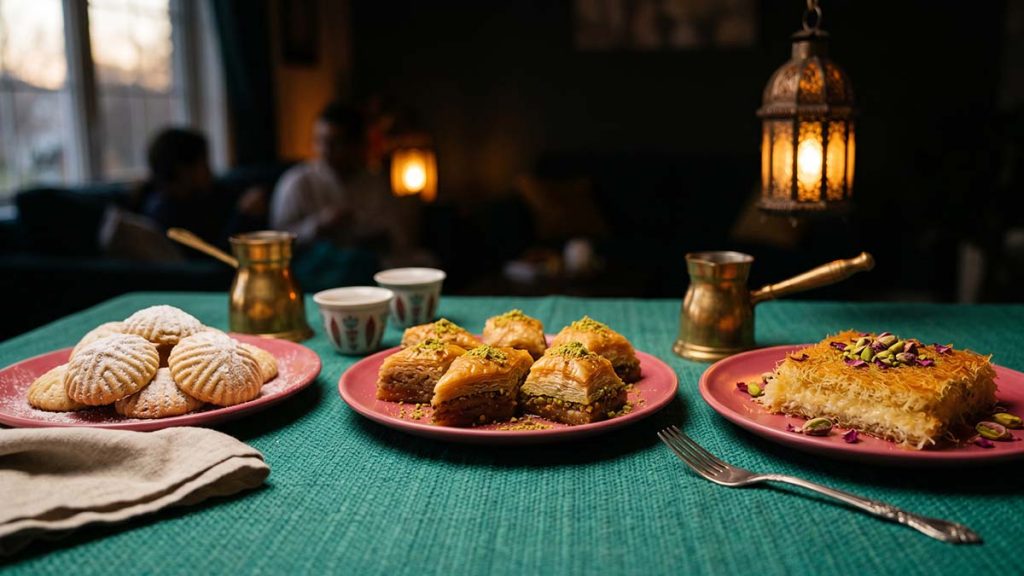
The day begins early. After a light breakfast, often a few dates, families head to the prayer ground reciting the takbir aloud. Following the special prayer and a short sermon, the celebration truly begins: warm greetings of Eid Mubarak, visits between relatives and neighbours, gifts for children, charity for the poor, and tables laden with food shared in gratitude and love.
The Takbir of the Festival
From the night before the festival until the prayer, the believers proclaim the takbir of Eid, repeating words that magnify Allah and thank Him for His guidance. Recited in homes, streets, and mosques, this joyful chant fills the air and reminds everyone that the celebration is rooted in remembrance of the One who made the day possible.
A Day of Gratitude and Forgiveness
At its heart, the festival is a celebration of gratitude in Islam. Having fasted for the sake of Allah and sought His forgiveness through the month, the believer greets the day with a heart that is lighter and cleaner. It is also a beautiful occasion to forgive others, mend broken ties, and begin afresh, carrying the mercy of Ramadan into daily life.
Sharing the Joy with the Poor
No one should be left out of the happiness of the day, which is why Zakat al-Fitr must reach the needy before the prayer. This charity ensures that even the poorest families can enjoy a meal and a sense of celebration, turning a personal festival into a shared one and reflecting the deep spirit of helping others in Islam.
Common Eid Mistakes to Avoid
In the excitement of the day, it is easy to lose sight of its purpose. Try to avoid the following:
- Forgetting to pay Zakat al-Fitr before the Eid prayer.
- Missing the Eid prayer or treating it as unimportant.
- Turning the day into pure indulgence with no worship or gratitude.
- Overspending and waste rather than mindful, joyful celebration.
- Neglecting lonely relatives, neighbours, or the poor in your festivities.
Eid Greetings and Good Manners
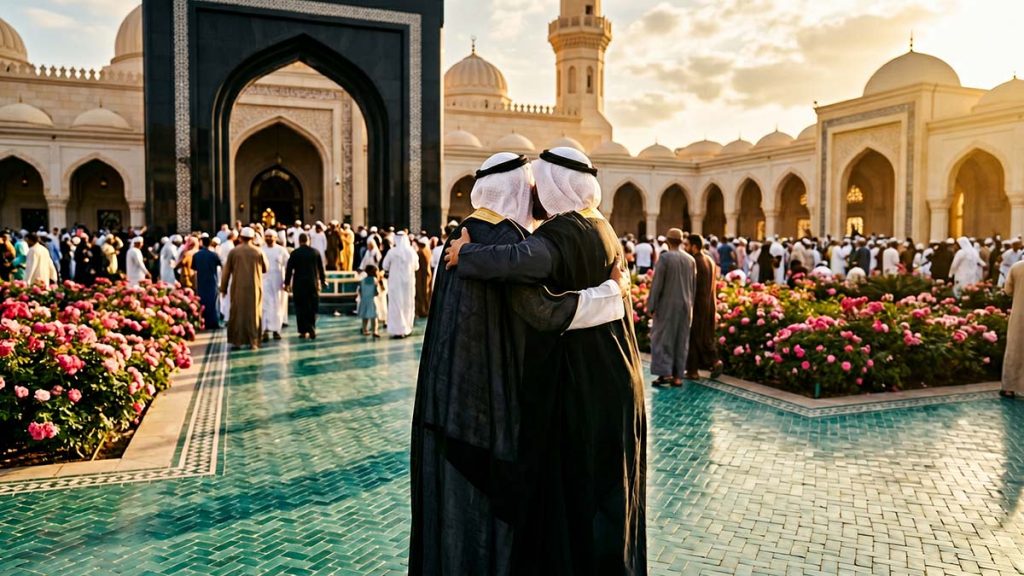
Greeting one another with warmth is a cherished part of the day. The common greeting of Eid Mubarak, meaning blessed Eid, is shared with smiles, embraces, and good wishes. The companions are reported to have greeted each other by asking Allah to accept the worship of both, a beautiful reminder of the manners of greeting in Islam that turn a celebration into an act of love.
Keeping the Spirit of Ramadan Alive
The danger after a month of worship is to abandon every good habit the moment the festival arrives. Yet the truest sign that Ramadan was accepted is that its light continues afterwards. Many believers follow the festival with six voluntary fasts in Shawwal, keep up their prayers and Quran, and hold on to the generosity and patience the month nurtured in them.
Whoever fasts Ramadan and follows it with six days of Shawwal is as though he fasted for the whole of the year
Eid al-Fitr Around the World
One of the most beautiful aspects of the festival is how the whole world celebrates it together. From the vast prayer grounds of Makkah and Madinah to small communities in distant towns, Muslims everywhere rise on the same morning to pray, feast, and rejoice. The foods and customs may differ from one land to the next, sweet pastries in one country, savoury dishes in another, but the prayer, the takbir, and the joy remain exactly the same.
This shared celebration gives the believer a deep sense of belonging to one global family. Knowing that countless others are gathering for the very same festival, in the very same spirit of gratitude, turns a local celebration into a worldwide bond of faith.
On the morning of the festival close to two billion Muslims gather to pray in mosques and open grounds rejoicing in the mercy of Allah
A Day of New Beginnings
Beyond the food and gifts, the festival is a chance to begin again. The believer steps into the day with a heart cleansed by a month of fasting and seeking forgiveness, ready to renew good intentions and let go of old grudges. It is a day to repair relationships, forgive those who have wronged us, and start the months ahead with a lighter and kinder heart.
Treating the festival as a fresh start, rather than just a break from fasting, allows its blessings to ripple far beyond a single day, shaping the way the believer lives long after the celebration has ended.
Lessons Eid al-Fitr Teaches Us
The festival teaches the believer that joy and worship belong together, that gratitude is the proper response to Allah’s gifts, and that true celebration includes the poor and the lonely. It is a yearly reminder to give thanks, to forgive, and to carry the mercy of Ramadan into a life of gratitude and care for others, so that the joy of a single day becomes a lasting change in how we live and worship.
Celebrating the end of a blessed month? It’s About Islam shares short, beautiful reminders on Eid, gratitude, and the Sunnah to brighten your day. Find us on YouTube, TikTok and Facebook.
Frequently Asked Questions About Eid al-Fitr
Eid al-Fitr is the festival that marks the end of Ramadan. It is a day of joy, gratitude, and worship, beginning with a special congregational prayer and continuing with meals, gifts, and family visits.
It falls on the first day of Shawwal, immediately after Ramadan, marked by the sighting of the new moon. Fasting is not allowed on this day, as it is a day of celebration.
They include paying Zakat al-Fitr, taking a bath, wearing your best clothes, eating something sweet before the prayer, reciting the takbir, attending the Eid prayer, and visiting loved ones.
It celebrates the completion of the fast of Ramadan and gives thanks to Allah for His mercy and guidance. It is a reward for a month of worship and patience.
The common greeting is Eid Mubarak, meaning blessed Eid. The companions also greeted one another by asking Allah to accept the worship of both.
No. Fasting is not allowed on the day of Eid al-Fitr, as it is a day of feasting and gratitude. Many do, however, fast six days of Shawwal afterwards.
Celebrating the Gift of Eid
Eid al-Fitr is a beautiful reward at the close of Ramadan, a day to rejoice in Allah’s mercy, give thanks, and share joy with family and the poor. By paying Zakat al-Fitr, attending the prayer, reciting the takbir, and keeping the spirit of the month alive, the believer celebrates in the way the Prophet (pbuh) loved. May Allah accept your fasting and worship, and grant you a blessed and joyful Eid.