Halal means lawful and permissible according to Islamic law. It applies to food, drink, income, and behaviour. In the context of food, halal means the item is clean, ethically sourced, properly slaughtered (for meat), and free from forbidden ingredients.
Haram foods include pork, blood, carrion (dead animals not slaughtered properly), animals slaughtered without mentioning Allah’s name, and intoxicants such as alcohol. The Quran specifies these prohibitions clearly.
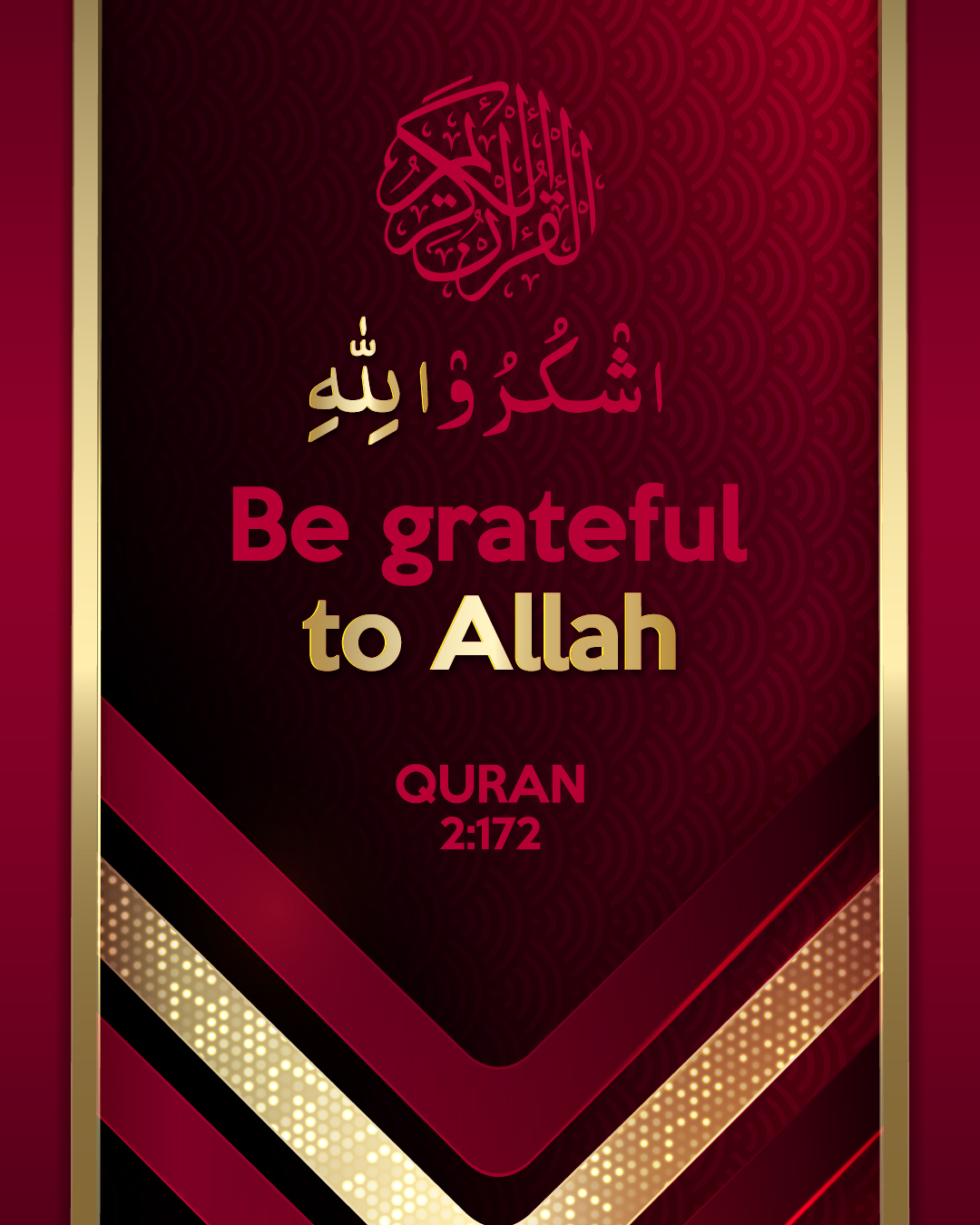
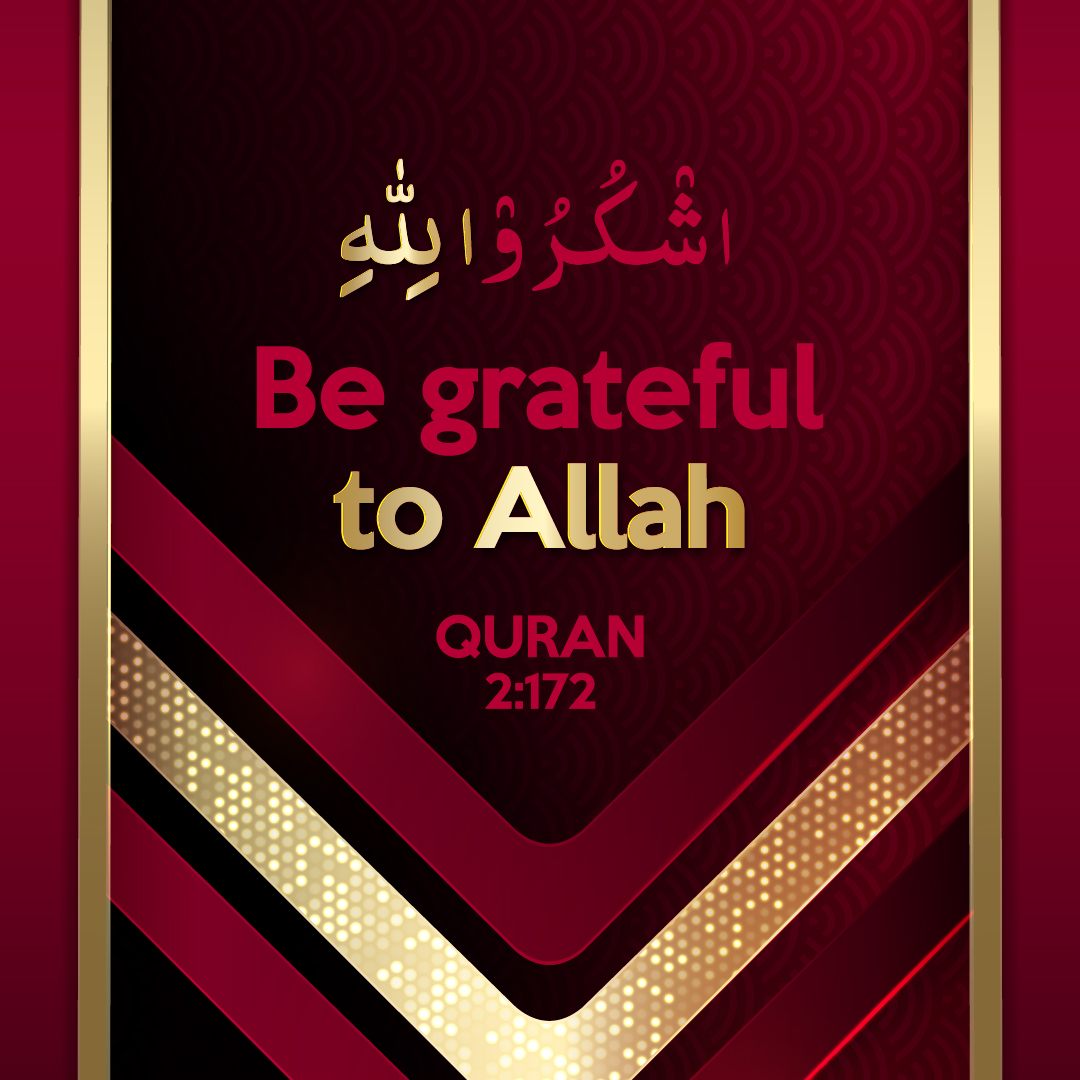
Halal food ensures physical purity and spiritual wellbeing. The Quran links eating lawful food to gratitude and worship (Quran 2:172), and the Prophet (pbuh) taught that Allah accepts only what is pure.

The Quran Says About Halal Food in Islam
یٰۤاَیُّہَا الَّذِیۡنَ اٰمَنُوۡا کُلُوۡا مِنۡ طَیِّبٰتِ مَا رَزَقۡنٰکُمۡ وَاشۡکُرُوۡا لِلّٰہِ اِنۡ کُنۡتُمۡ اِیَّاہُ تَعۡبُدُوۡنَ ﴿۱۷۲﴾
“O you who believe, eat from the good and lawful things We have provided for you, and be grateful to Allah if it is truly Him that you worship.”
This verse from Surah Al-Baqarah addresses believers directly with a clear instruction: eat from what is good and lawful, and be grateful. Halal food in Islam is not simply about avoiding what is forbidden — it is about choosing what is wholesome, pure, and provided by Allah as a blessing to be enjoyed with thanks.
What the Quran Teaches About Eating Halal
Allah uses two words in this verse: “tayyibat” (good, wholesome, pure) and what He has “provided.” This means halal food in Islam goes beyond just avoiding pork or alcohol. It encompasses everything that is clean, nutritious, and ethically sourced. The food a Muslim eats should be good for the body, obtained through honest means, and consumed with awareness that it is a provision from Allah. This elevates eating from a physical necessity into a spiritual act.
The verse ends with a condition: “if it is truly Him that you worship.” This links eating halal directly to worship and sincerity. A person who claims to worship Allah but is careless about what they eat has a gap in their practice. As Ar-Razzaq, the Provider, Allah is the source of all food. Acknowledging that through gratitude and obedience is what transforms a meal from an ordinary act into an expression of faith.
“O mankind, eat from whatever is on earth that is lawful and good, and do not follow the footsteps of Satan. Indeed, he is to you a clear enemy.”
This verse, also from Surah Al-Baqarah, expands the instruction to all of mankind — not just believers. It warns against following the footsteps of Satan, who leads people toward what is harmful, impure, and forbidden. The connection between food and spiritual wellbeing is explicit: eating what is unlawful opens the door to Satan’s influence. As Al-Quddus, the Most Holy, Allah desires purity in every dimension of a Muslim’s life — including what they put in their body.
Why Halal Food Matters Beyond the Plate
Halal food in Islam is about more than ingredients. It is about the entire chain of provision: how the animal was treated, how it was slaughtered, how the food was prepared, and how the income used to purchase it was earned. The Prophet (pbuh) taught that Allah is pure and accepts only what is pure. A person who eats haram food will find their prayers unanswered, because the body built on forbidden sustenance cannot produce sincere worship.
For the Muslim, choosing halal is a daily act of obedience that reinforces their identity as a believer. It is a moment, multiple times a day, where a person consciously chooses to follow Allah’s guidance over convenience or desire. Halal food in Islam is not a restriction — it is a framework for living well: eating what is good, avoiding what is harmful, and thanking the One who provided it all.
Follow our YouTube, TikTok and Facebook for more Islamic Quotes and reminders on the importance of halal living in Islam.
Tayyib means good, wholesome, and pure. When the Quran says eat from tayyibat, it means food that is not only permissible (halal) but also clean, nutritious, and ethically obtained.
Yes. The Prophet (pbuh) taught that food purchased with haram income is itself compromised. Halal food in Islam requires that the entire chain — from earning to purchasing to preparation — follows Islamic principles.
The Prophet (pbuh) said that a body nourished on haram is more deserving of the Fire. He also taught that a person who eats haram food may find their prayers unanswered. Avoiding haram food is essential for spiritual wellbeing.
No. While halal slaughter rules apply specifically to meat, the broader concept of halal covers all food and drink. Any item containing forbidden ingredients (alcohol, pork derivatives, etc.) is not halal.