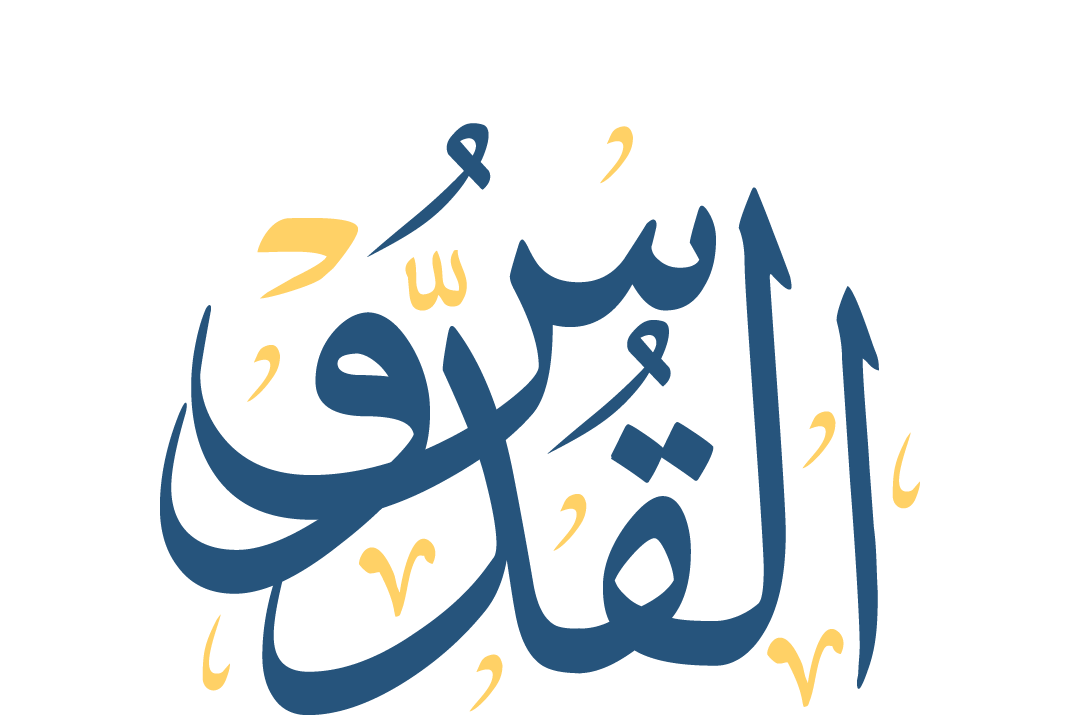
Al-Quddus
The Most Holy
Al-Quddus (ٱلْقُدُّوسُ) is the fourth of the 99 Names of Allah and means “The Most Holy” or “The Pure One.” It tells us that Allah is completely free from every flaw, every deficiency, and every imperfection that the human mind can imagine. While creation is marked by limitation and change, Al-Quddus stands beyond all of it — perfect, sacred, and utterly pure.
يُسَبِّحُ لِلَّهِ مَا فِى ٱلسَّمَـٰوَٰتِ وَمَا فِى ٱلۡأَرۡضِ ٱلۡمَلِكِ ٱلۡقُدُّوسِ ٱلۡعَزِيزِ ٱلۡحَكِيمِ
“Whatever is in the heavens and whatever is on the earth glorifies Allah, the Sovereign, the Most Holy, the Exalted in Might, the Wise.”
Meaning and Root of Al-Quddus
The name Al-Quddus comes from the Arabic root Qaf-Dal-Sin (ق-د-س), which conveys the meaning of holiness, purity, and sacredness. It is the same root that gives us words like quds (holiness), muqaddas (sacred), and Bayt al-Maqdis (Jerusalem — the Holy Land). When applied to Allah, it means the One who is absolutely pure and free from every deficiency, fault, or shortcoming.
The intensive form of the word — quddus — indicates that this purity is not partial or limited. It is total and absolute. Allah is free from injustice, free from forgetfulness, free from weakness, free from need, and free from every imperfection that belongs to created things. No flaw has ever touched Him and none ever will. This is what sets Allah apart from everything else in existence: His holiness is complete and eternal.
Scholars explain that Al-Quddus also means the One who is praised and glorified by all of creation. The heavens and the earth, the mountains and the seas, the birds and the trees — everything in the universe declares His purity, whether we perceive it or not. This is why the concept of tasbih (glorification) is so closely tied to this name.
Al-Quddus in the Quran
The name Al-Quddus appears twice in the Quran by name — in Surah Al-Hashr (59:23) and Surah Al-Jumu’ah (62:1). In both places, it is mentioned alongside Al-Malik (The Sovereign), showing that Allah’s kingship is rooted in holiness and purity. He is not a king who rules through force alone — He rules because He is perfect.
In Surah Al-Hashr, Allah lists some of His most majestic names in a single verse — Al-Malik, Al-Quddus, As-Salam, Al-Mu’min, Al-Muhaymin. This sequence tells a powerful story: the Sovereign who is Holy, who is Peace, who is the Guardian of Faith, who watches over everything. Each name builds upon the last, and Al-Quddus sits at the heart of it.
هُوَ ٱللَّهُ ٱلَّذِى لَآ إِلَـٰهَ إِلَّا هُوَ ٱلۡمَلِكُ ٱلۡقُدُّوسُ ٱلسَّلَـٰمُ ٱلۡمُؤۡمِنُ ٱلۡمُهَيۡمِنُ
“He is Allah, other than whom there is no deity, the Sovereign, the Most Holy, the Perfection, the Granter of Security, the Overseer.”
Beyond the direct mention of the name, the concept of Allah’s holiness runs throughout the entire Quran. In Surah Al-Baqarah (2:30), when Allah informed the angels that He would place a khalifah (vicegerent) on earth, the angels responded: “We glorify Your praise and sanctify You (nuqaddisu laka).” The very word the angels used — nuqaddisu — comes from the same root as Al-Quddus, showing that the declaration of Allah’s holiness has been the purpose of creation from the very beginning.
The Angels and Al-Quddus
The relationship between the angels and the name Al-Quddus is deeply significant. The angels are the purest of Allah’s creation — they do not sin, they do not disobey, and they spend their existence in constant worship. Yet even they, in all their purity, dedicate themselves to declaring Allah’s holiness. If the most flawless of creation glorifies Al-Quddus without ceasing, it reminds us of how far beyond any created purity Allah truly is.
We glorify Your praise and sanctify You
This angelic declaration is not merely ceremonial. It establishes the principle that the highest calling of any created being — whether angel or human — is to recognise and proclaim Allah’s absolute purity. The angels understood this before humanity was even created, and it is a tradition that Muslims continue through every prayer, every act of dhikr, and every moment of worship.
Al-Quddus — Free from All Imperfection
Understanding Al-Quddus means understanding what Allah is not. He is not subject to fatigue — “Neither drowsiness overtakes Him nor sleep” (Ayat al-Kursi, 2:255). He is not subject to injustice — “Your Lord does not wrong anyone” (18:49). He is not limited by time or space, He does not forget, and He has no needs that remain unfulfilled. Every attribute of Allah is in its most perfect form, untouched by the limitations that define all created beings.
There is nothing like unto Him
This verse from Surah Ash-Shura captures the essence of Al-Quddus in the fewest possible words. No analogy can fully describe Him, no image can capture Him, and no human concept can contain Him. He is utterly unique — holy beyond comparison. For believers, this is a source of profound awe and comfort: the God they worship is perfect in every way, and His perfection guarantees that His justice, His mercy, and His promises are all absolutely reliable.
Glorifying Al-Quddus in Prayer
The Prophet Muhammad (pbuh) had a deep connection with this name. After completing the Witr prayer at night, he would say “Subhan al-Malik al-Quddus” (Glory be to the Sovereign, the Most Holy) three times, raising his voice on the third repetition. (Sunan an-Nasa’i 1699). This practice shows that the Prophet (pbuh) chose to close his nightly worship by affirming Allah’s holiness — making it one of the last words on his lips before rest.
Glory be to the Sovereign the Most Holy
In another narration, Aisha (may Allah be pleased with her) reported that the Prophet (pbuh) would say in his bowing and prostration: “Subbuhun Quddus, Rabb al-mala’ikati war-ruh” — “Most Glorious, Most Holy, Lord of the angels and the Spirit.” (Sahih Muslim 487). By pairing Subbuh (Glorious) with Quddus (Holy), the Prophet (pbuh) showed that these two qualities are inseparable in Allah: His glory is pure and His purity is glorious.
How Believers Can Reflect Al-Quddus
While no human can achieve the absolute purity of Al-Quddus, believers are encouraged to pursue purity in their own lives — purity of intention, purity of speech, purity of heart, and purity of action. Islam places great emphasis on taharah (purification), both physical and spiritual. The act of wudu (ablution) before prayer is not merely hygienic; it is a symbolic cleansing that prepares the believer to stand before the Most Holy.
Reflecting on Al-Quddus also means striving for honesty and integrity. A believer who understands that Allah is free from all fault is inspired to remove dishonesty, hypocrisy, and corruption from their own character. It means purifying one’s worship from showing off, purifying one’s wealth through zakah, and purifying one’s relationships from envy and malice.
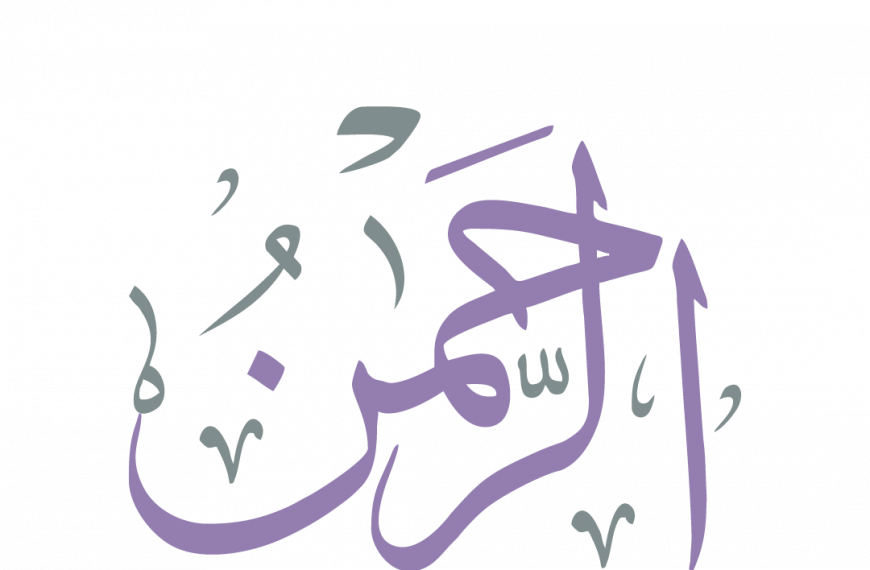
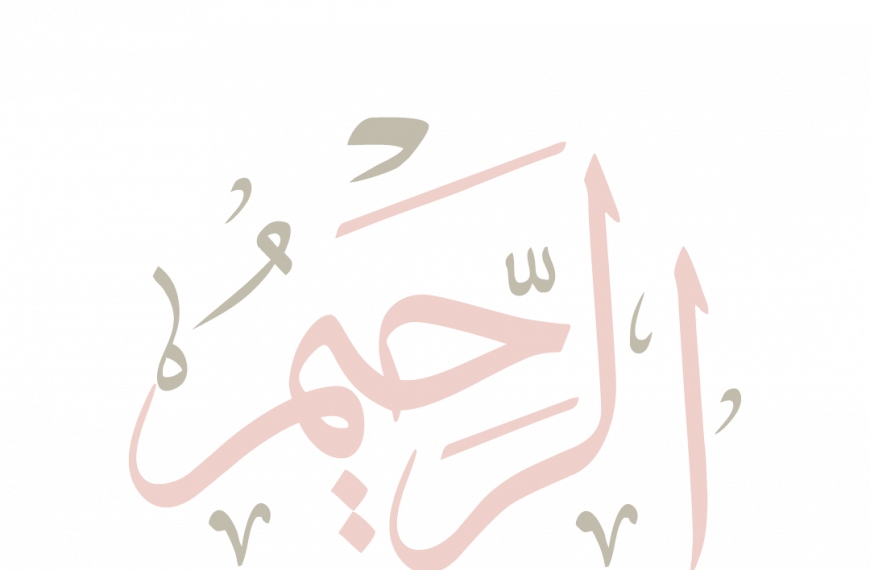
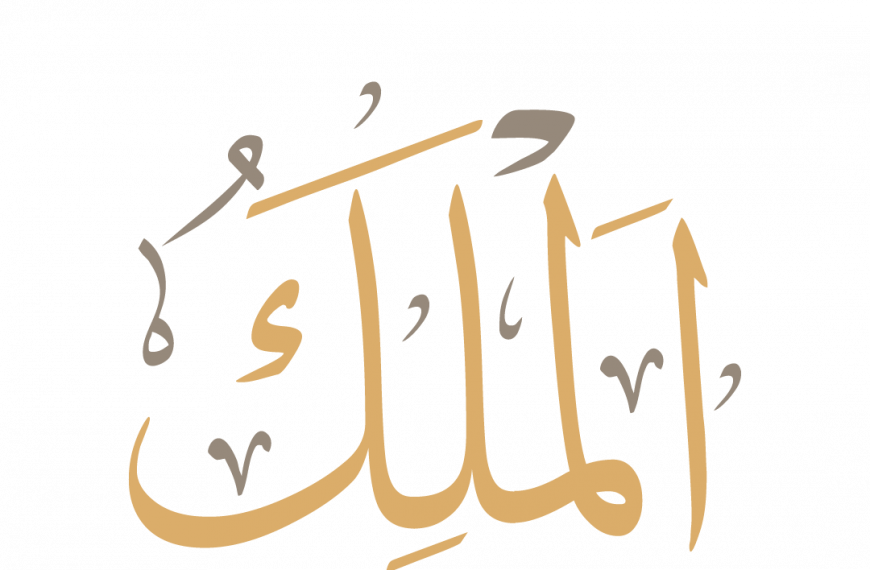
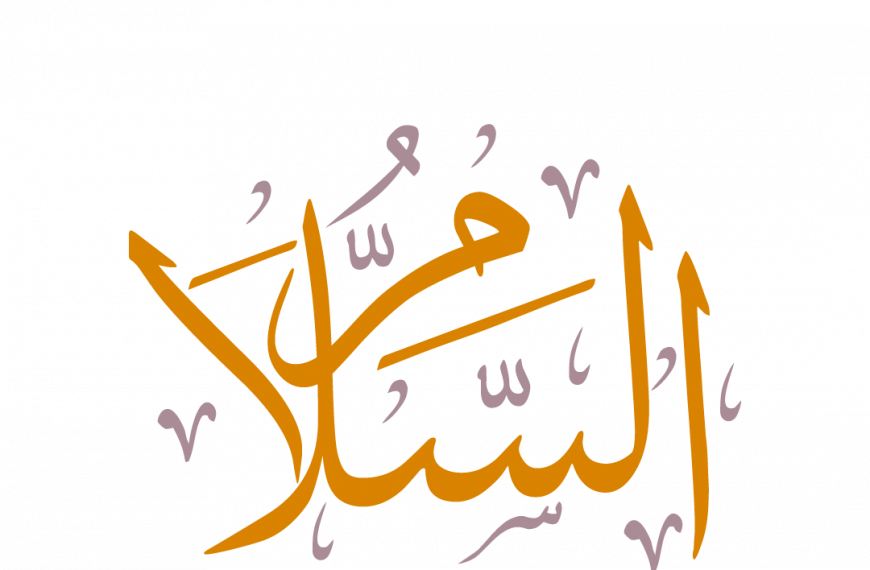
As we continue to explore the 99 Names of Allah, Al-Quddus stands as a call to reverence. From Ar-Rahman (The All-Compassionate) to Al-Malik (The Sovereign) to As-Salam (The Source of Peace), each name reveals a dimension of who Allah is — and Al-Quddus reminds us that every one of those dimensions is absolutely perfect, absolutely pure, and absolutely holy.
Join us on YouTube, LinkedIn and Facebook to explore more content on Al-Quddus and the 99 Names of Allah.
Frequently Asked Questions
Al-Quddus (ٱلْقُدُّوسُ) means “The Most Holy” or “The Pure One.” It comes from the Arabic root Qaf-Dal-Sin (ق-د-س), which conveys holiness, purity, and sacredness. It is the fourth of the 99 Names of Allah and declares that Allah is completely free from every flaw, deficiency, or imperfection — perfect in His essence, His attributes, and His actions.
The name Al-Quddus appears twice by name in the Quran: in Surah Al-Hashr (59:23) and Surah Al-Jumu’ah (62:1). In both verses, it appears alongside Al-Malik (The Sovereign). The related concept of sanctification (taqdis) also appears in Surah Al-Baqarah (2:30), where the angels say: “We sanctify You.”
The angels are intimately connected to the name Al-Quddus. In Surah Al-Baqarah (2:30), when Allah announced the creation of humanity, the angels responded: “We glorify Your praise and sanctify You (nuqaddisu laka).” The word they used — nuqaddisu — comes from the same root as Al-Quddus. The Prophet Muhammad (pbuh) also described Allah as “Lord of the angels and the Spirit (Rabb al-mala’ikati war-ruh)” when glorifying Al-Quddus during prayer.
The name Al-Quddus with the definite article “Al-” is reserved for Allah alone, as absolute holiness belongs exclusively to Him. However, a person can be named Abd Al-Quddus (عبد القدوس), meaning “Servant of the Most Holy,” which is a beautiful and permissible name in Islam. The related word muqaddas (sacred/holy) is used to describe places like Jerusalem (al-Ard al-Muqaddasa — the Holy Land).
The Prophet Muhammad (pbuh) would say “Subhan al-Malik al-Quddus” (Glory be to the Sovereign, the Most Holy) three times after completing the Witr prayer, raising his voice on the third repetition (Sunan an-Nasa’i 1699). He also said in his bowing and prostration: “Subbuhun Quddus, Rabb al-mala’ikati war-ruh” — “Most Glorious, Most Holy, Lord of the angels and the Spirit” (Sahih Muslim 487). These practices show the special place this name held in the Prophet’s worship.