
Authentic supplications from the Quran and Sunnah, with Arabic, transliteration, and clear meaning for every need and every moment of your day.


Islamic Duas: Authentic Supplications for Every Moment of Life
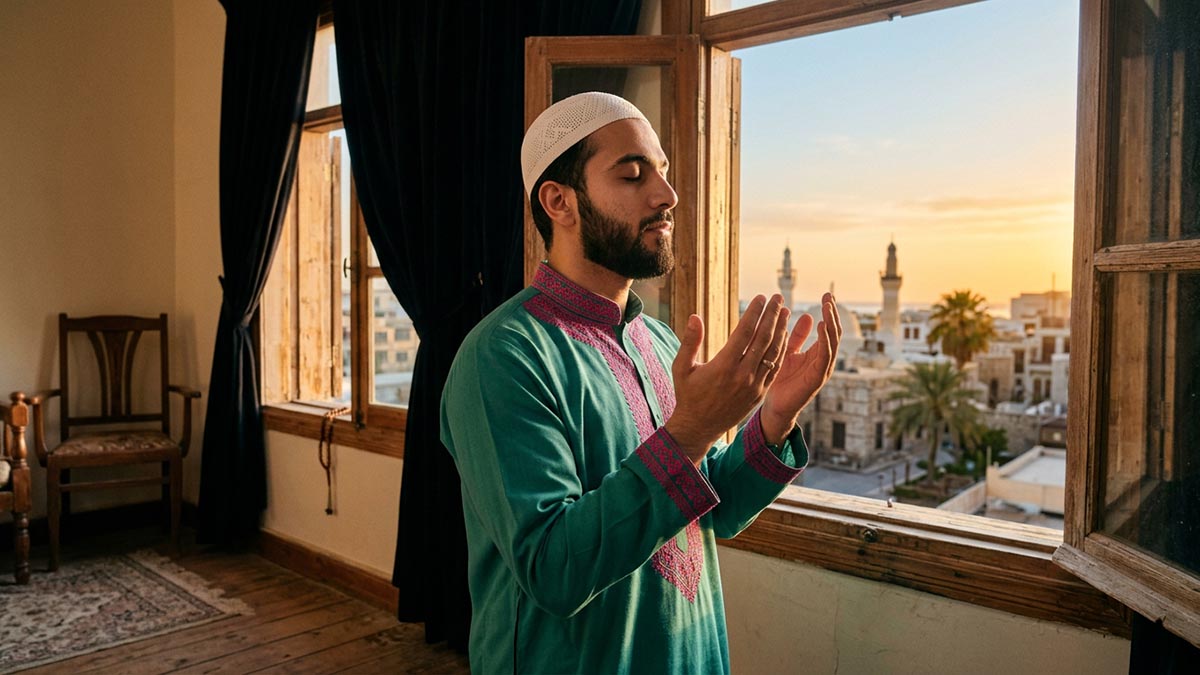
Islamic Duas are the heartfelt supplications a Muslim makes to Allah, calling on Him for guidance, mercy, protection, and every need of this life and the next. To make dua is to speak directly to your Creator, with no intermediary, at any time and in any language. This page gathers a growing collection of authentic Islamic Duas drawn from the Quran and the Sunnah, each presented with its Arabic text, transliteration, and clear English meaning so you can read, understand, and memorise it with confidence. If the subject is new to you, it helps to first understand what dua truly means in Islam and why it sits at the very centre of worship.
Whether you are building a morning routine, searching for words of comfort in a hard moment, praying for your parents and children, or reaching for the supplications tied to Ramadan and Hajj, you will find them here organised by theme and occasion. Every supplication is rooted in revelation, so you can be certain that the words you raise to Allah are pleasing to Him. Browse the full collection above, or read on to discover the most important duas for each part of your day and the etiquette that makes a supplication more likely to be answered.
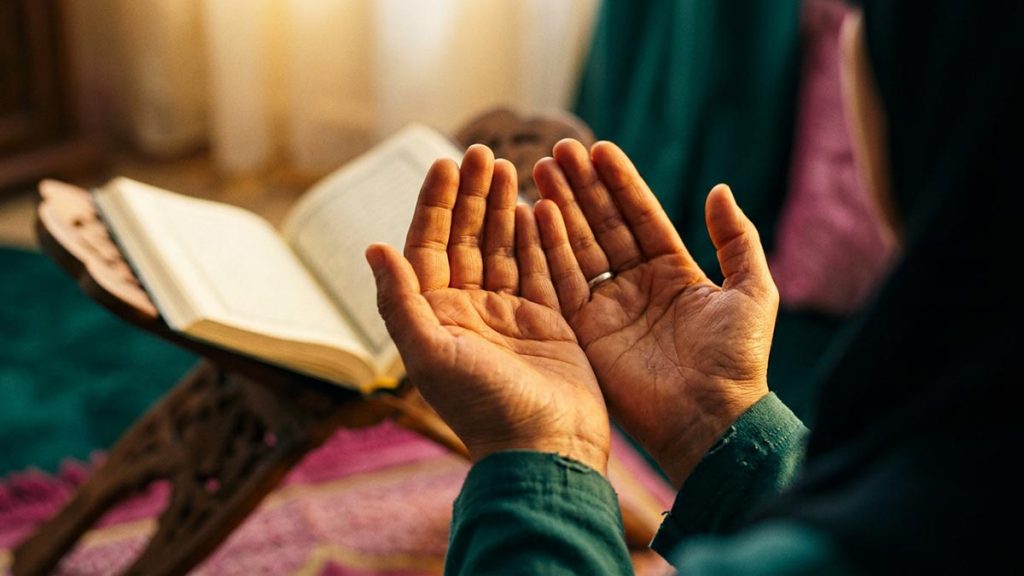
What Is a Dua in Islam?
A dua is an act of turning to Allah in need, praise, or gratitude. The Prophet Muhammad (pbuh) described supplication as the essence of worship itself, because in the moment of asking a servant admits their complete dependence on their Lord and their certainty that He alone can answer. Allah invites this closeness in the most tender terms, promising that He is nearer to us than we imagine and that He answers the one who calls. When you make dua you are speaking to Al-Mujib, the One who answers prayers, and drawing on the truth of His nearness to every servant who reaches out to Him.
And when My servants ask you about Me, indeed I am near
Daily Duas for Morning, Evening, and Sleep
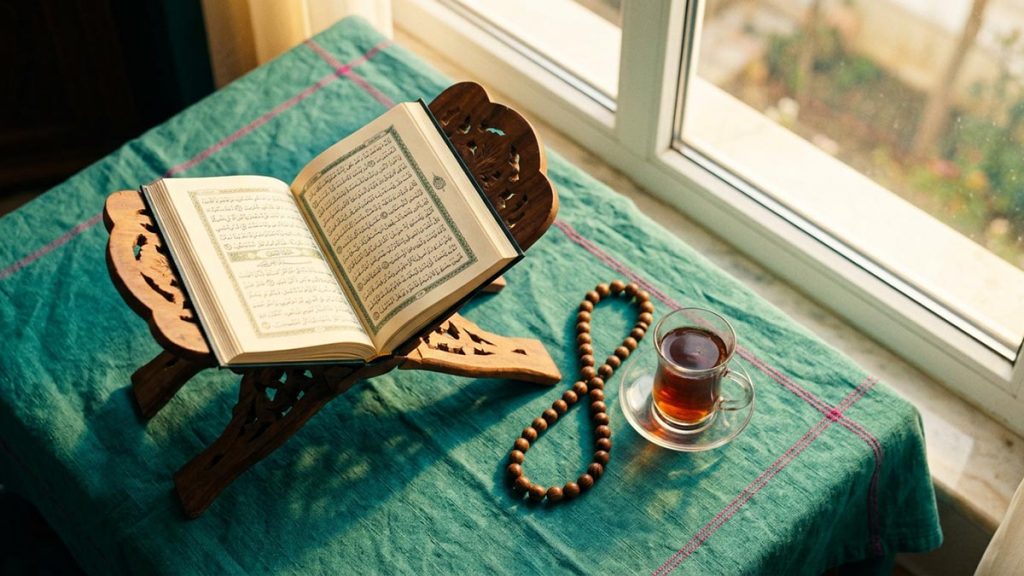
The believer’s day is framed by remembrance. Opening the morning and closing the evening with supplication keeps the heart anchored to Allah through every task in between. Begin your day with the morning dua and seal it with the evening dua, seek Allah’s protection before sleeping and thank Him again upon waking up, say His name before eating, and remember Him when entering the home. These small, consistent supplications turn ordinary moments into acts of worship and fill the day with barakah.
Duas for Protection, Anxiety, and Hard Times
No one is spared moments of fear, worry, or grief, and it is precisely then that dua becomes a lifeline. When the heart is heavy, the dua for anxiety and the supplications for times of hardship return it to calm, while the dua for forgiveness lifts the weight of sin. Seek refuge in Allah from the evil eye and from Shaytan, and remember the dua of Prophet Yunus (AS), whose cry from the darkness became the most powerful prayer of relief in the Quran. Every hardship carries the promise that ease is tied to it, a truth Allah repeats to comfort the believer.
Nothing is more honourable to Allah than supplication.
Duas for Family, Children, and Provision
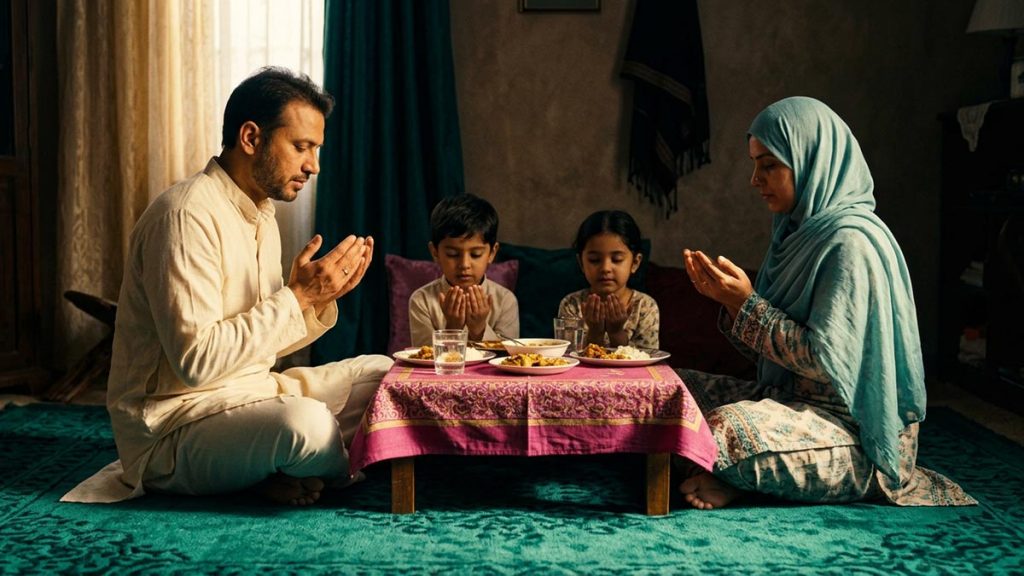
Some of the most beloved supplications are those we make for the people we love. Pray for your parents as they once prayed for you, ask Allah to guide and protect your children, and seek His blessing over your marriage. When it comes to your livelihood, turn to Allah for lawful and sufficient provision, remembering that He is Ar-Razzaq, the Provider, from whom all sustenance flows. A sincere dua for your family is a quiet act of love that reaches them even when words cannot.
Indeed, it is Allah who is the Provider the firm possessor of strength.
Duas for Health and Healing
Sickness is a test that draws the believer closer to Allah, the ultimate source of every cure. Recite the dua for healing when illness strikes, and keep the beautiful sunnah of visiting the sick alive by supplicating for those who are unwell. These prayers do not replace seeking treatment; they place your trust in the One who gives every medicine its effect.
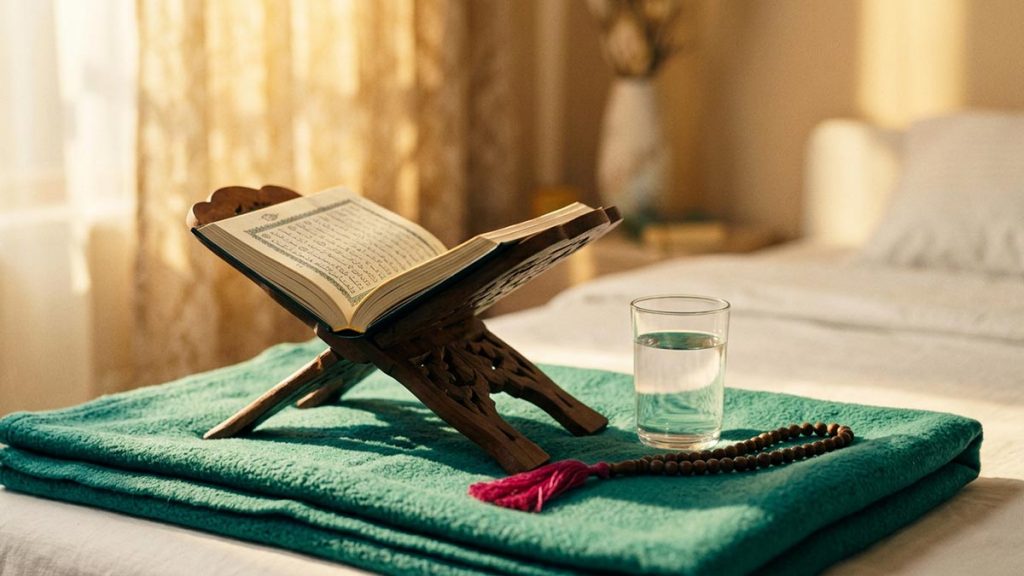
Duas for Worship, Ramadan, and Hajj
Acts of worship come with their own supplications that deepen their reward. Throughout Ramadan, make dua before Taraweeh and again when breaking the fast, and pour out your heart with the dua for Laylatul Qadr, the Night of Decree, when a single prayer can outweigh a lifetime of worship.
Beyond Ramadan, seek Allah’s direction with the prayer of istikharah before any major decision, rise for Him in the last third of the night with the dua for Tahajjud, and answer the call of the pilgrimage with the Talbiyah. You can explore each of these sacred occasions in depth through our guide to the Islamic events of the year, and revisit Ramadan and the pilgrimage of Hajj whenever their seasons return.
Duas from the Quran and the Prophets
The Quran preserves the very words the prophets used to call on Allah, and there is no better model for our own supplication. Learn the dua of Prophet Ayyub (AS), whose patience through years of illness the Quran holds up as an example, ask Allah for guidance as the righteous did, and seek the patience and gratitude that defined the messengers. Reciting these prayers connects you to a chain of believers reaching back to the earliest revelation, and you can read many of them in context within the surahs of the Holy Quran.
There is no deity except You exalted are You indeed, I was among the wrongdoers.
Remembering Loved Ones: Duas for the Deceased
When someone we love passes on, our dua becomes one of the greatest gifts we can still offer them. A sincere dua for the deceased and a continued prayer for our parents after their passing reaches them as ongoing mercy, long after the funeral has ended. In supplicating for the departed, we are reminded that the same mercy awaits us, and that a righteous descendant who prays is a treasure that never stops giving.
The Etiquette and Power of Making Dua
A supplication is more readily answered when it is offered with the right manners. Begin by praising Allah and sending blessings upon the Prophet Muhammad (pbuh), call on Allah by His beautiful names that match your need, and ask with full certainty that He will respond. Face the qiblah where you can, choose the blessed times, seek forgiveness for your shortcomings, and never grow impatient or give up, for Allah loves the servant who keeps knocking at His door. Above all, call on Ar-Rahman, the Most Merciful, and Al-Ghafur, the Most Forgiving, and close your dua as the believers do, with a heartfelt Ameen.
Supplication is the essence of worship.
Islamic Duas are meant to be lived, not just read. For a daily reminder to keep your tongue moist with the remembrance of Allah, follow It’s About Islam on YouTube, Instagram, Facebook, X, TikTok, Pinterest, Threads, and LinkedIn.
Frequently Asked Questions About Islamic Duas
A dua is a supplication, a direct and personal call to Allah for help, forgiveness, guidance, or gratitude. It requires no intermediary and can be made at any time, in any place, and in any language. The Prophet Muhammad (pbuh) taught that dua is the essence of worship, because it expresses a servant’s complete reliance on their Lord.
Dua can be made at any moment, but some times are especially blessed. These include the last third of the night, while fasting and at the breaking of the fast, during prostration in prayer, between the adhan and the iqamah, on Fridays, and on the Day of Arafah and Laylatul Qadr. Choosing these moments makes a supplication more likely to be answered.
Yes. While the duas taught in the Quran and Sunnah are in Arabic and carry great reward, Allah understands every language and every unspoken thought. You are encouraged to learn the authentic Arabic supplications over time, but you may always pour out your heart to Allah in the language you know best.
Begin by praising Allah and sending blessings upon the Prophet Muhammad (pbuh), then call on Allah by His beautiful names, face the qiblah where possible, and ask with certainty and humility. Seek forgiveness, avoid asking for anything sinful, and never lose hope or grow impatient if the answer is delayed, for Allah answers every sincere dua in the way that is best.
Every supplication in this collection is taken from the Quran or from authentic hadith of the Prophet Muhammad (pbuh), and each is presented with its Arabic, transliteration, reference, and meaning. This lets you make dua with confidence that the words you raise to Allah are established in revelation.