
Morning Dua
7 Powerful Supplications for a Blessed Day

The morning dua is the way a believer opens the day by placing it entirely in the hands of Allah. Before the first task, the first message or the first worry, the heart turns to its Creator and acknowledges that this whole day belongs to Him. The Prophet Muhammad (pbuh) taught his companions a beautiful set of words to recite at daybreak, and these supplications have been preserved with care for over fourteen centuries.
أَصْبَحْنَا وَأَصْبَحَ الْمُلْكُ لِلَّهِ، وَالْحَمْدُ لِلَّهِ، لَا إِلَهَ إِلَّا اللَّهُ وَحْدَهُ لَا شَرِيكَ لَهُ، لَهُ الْمُلْكُ وَلَهُ الْحَمْدُ وَهُوَ عَلَى كُلِّ شَيْءٍ قَدِيرٌ، رَبِّ أَسْأَلُكَ خَيْرَ مَا فِي هَذَا الْيَوْمِ وَخَيْرَ مَا بَعْدَهُ، وَأَعُوذُ بِكَ مِنْ شَرِّ مَا فِي هَذَا الْيَوْمِ وَشَرِّ مَا بَعْدَهُ، رَبِّ أَعُوذُ بِكَ مِنَ الْكَسَلِ وَسُوءِ الْكِبَرِ، رَبِّ أَعُوذُ بِكَ مِنْ عَذَابٍ فِي النَّارِ وَعَذَابٍ فِي الْقَبْرِ
Asbahnā wa asbahal-mulku lillāh, wal-hamdu lillāh, lā ilāha illā Allāhu wahdahu lā sharīka lah, lahul-mulku wa lahul-hamd, wa huwa ‘alā kulli shay’in qadīr. Rabbi as’aluka khayra mā fī hādhal-yawmi wa khayra mā ba’dah, wa a’ūdhu bika min sharri mā fī hādhal-yawmi wa sharri mā ba’dah. Rabbi a’ūdhu bika minal-kasali wa sū’il-kibar. Rabbi a’ūdhu bika min ‘adhābin fin-nāri wa ‘adhābin fil-qabr.
“We have entered the morning and with it the whole dominion belongs to Allah. All praise is for Allah. There is no god but Allah alone with no partner. To Him belongs the dominion and to Him belongs all praise and He has power over everything. My Lord I ask You for the good of this day and the good that follows it and I seek refuge in You from the evil of this day and the evil that follows it. My Lord I seek refuge in You from laziness and the misery of old age. My Lord I seek refuge in You from punishment in the Fire and punishment in the grave.”
This guide gathers seven authentic morning supplications drawn from the Quran and the Sunnah. You will find what the morning adhkar involves, when to say it, the meaning behind each supplication, and a simple way to build the habit so that the practice of dua in Islam becomes a natural part of every sunrise.
What Is the Morning Dua and Why It Matters
The morning adhkar is a short collection of supplications and words of remembrance recited soon after the Fajr prayer. It is not a single sentence but a small treasury of phrases, each one teaching the heart a different truth. One phrase affirms that the dominion belongs to Allah. Another seeks His forgiveness. A third asks for protection from harm. Together they tune the soul before the noise of the day begins.
The reason this practice matters so much is that mornings shape everything that follows. A heart that begins in remembrance carries a quiet steadiness into work, study and family life. The Quran itself ties the glorification of Allah to the edges of the day, reminding the believer that dawn is a moment made for turning back to Him.
فَسُبْحَانَ اللَّهِ حِينَ تُمْسُونَ وَحِينَ تُصْبِحُونَ
Fa subhanallahi hina tumsuna wa hina tusbihun
So glorify Allah when you reach the evening and when you reach the morning
Reciting the morning adhkar is therefore an act of both worship and protection. It is a declaration of dependence on Allah and a shield asked for at the very start of the day. Even a few of these supplications, said with presence of heart, change the way the hours that follow are lived.
When to Recite the Morning Dua

The ideal time for the morning adhkar is the window between the dawn and the rising of the sun, the same period the Prophet (pbuh) reserved for remembrance after Fajr. This is a blessed time when the world is still and the heart is fresh, and it allows the believer to begin the day already connected to Allah.
Life does not always allow that exact moment, and the scholars have been gentle here. If the early window passes, the morning adhkar may still be recited at any point before midday, and the reward of remembrance is not lost. What matters most is consistency. A believer who says even a small portion every single morning gains far more than one who recites the full set occasionally and then forgets it for weeks.
The Prophet’s (pbuh) Morning Supplication
The supplication shown at the opening of this guide, beginning with Asbahna wa asbahal-mulku lillah, is the heart of the morning adhkar. In it the believer hands the entire day to Allah, asks for the good contained in it, and seeks refuge from its harm, from laziness, and from the trials of old age and the grave. It is comprehensive, covering this world and the next in a few short lines.
Closely tied to it is Sayyidul Istighfar, which the Prophet (pbuh) called the master of seeking forgiveness. He promised that whoever says it during the day with firm belief and dies before evening, or says it at night and dies before morning, will be among the people of Paradise. It is recorded in the collection of Imam Bukhari, and its opening words set the tone for the whole supplication.
اللَّهُمَّ أَنْتَ رَبِّي لَا إِلَٰهَ إِلَّا أَنْتَ خَلَقْتَنِي وَأَنَا عَبْدُكَ
Allahumma anta Rabbi la ilaha illa anta khalaqtani wa ana ‘abduk
O Allah You are my Lord there is no deity except You You created me and I am Your servant
These two supplications alone form a complete morning routine for anyone short on time. One places the day in the ownership of Allah, the other cleanses the heart through repentance, and between them they carry the believer into the morning with humility and hope.
Quranic Protection Each Morning
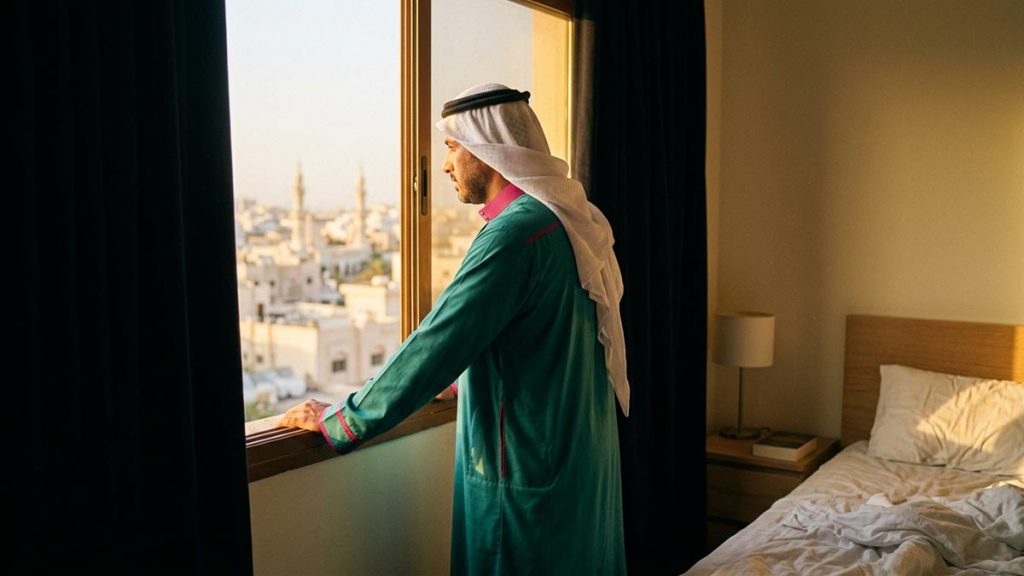
Beyond the prophetic phrases, the morning adhkar draws directly on the Quran for protection. The greatest of these is Ayat al-Kursi, the Throne Verse, which the Prophet (pbuh) taught will keep a guardian over the one who recites it until evening. Its opening affirms the absolute life and sustaining power of Allah, and reciting it at dawn wraps the believer in that protection for the rest of the day.
اللَّهُ لَا إِلَٰهَ إِلَّا هُوَ الْحَيُّ الْقَيُّومُ
Allahu la ilaha illa huwal-Hayyul-Qayyum
Allah there is no deity except Him the Ever-Living the Sustainer of all that exists
Alongside the Throne Verse, the three protective chapters known as the Quls are recited three times each morning. These are Surah Al-Ikhlas, Surah Al-Falaq and Surah An-Nas. The Prophet (pbuh) taught a companion that reciting these three suffices him against every harm. You can read the meaning of Ayat al-Kursi in full on its verse page.
A further verse completes this layer of protection. The Prophet (pbuh) taught that whoever says the verse of reliance from Surah At-Tawbah seven times in the morning and evening, Allah will be sufficient for all that worries him. It is a direct surrender of every concern to the One who controls all things.
Praising Allah at the Start of the Day
The morning remembrance is not only protection. It is also pure praise, lifting the heart with gratitude before the day demands anything. One of the most loved phrases of remembrance is the glorification of Allah joined with His praise, which the Prophet (pbuh) described as light on the tongue yet heavy on the scale. He taught that whoever says it one hundred times in the morning has his sins forgiven even if they were like the foam of the sea.
سُبْحَانَ اللَّهِ وَبِحَمْدِهِ
Subhanallahi wa bihamdih
Glory be to Allah and praise be to Him his sins are forgiven though they be like the foam of the sea
Another supplication expresses contentment with the gifts of faith. By declaring pleasure with Allah as Lord, with Islam as religion, and with Muhammad (pbuh) as Messenger, the believer renews the foundation of belief each morning. The Prophet (pbuh) promised that Allah takes it upon Himself to please whoever says these words three times at the start and the end of the day.
رَضِيتُ بِاللَّهِ رَبًّا وَبِالْإِسْلَامِ دِينًا وَبِمُحَمَّدٍ رَسُولًا
Radhitu billahi Rabban wa bil-islami dinan wa bi Muhammadin rasula
I am pleased with Allah as my Lord with Islam as my religion and with Muhammad (pbuh) as Messenger
This praise rests on knowing Allah by His names. He is Al-Hayy, the Ever-Living, and Al-Qayyum, the Sustainer who never tires. Beginning the day in His remembrance is a way of receiving the mercy of Allah before the sun has fully risen.
Seven Morning Supplications at a Glance
To make these supplications easy to follow, here are the seven supplications gathered in this guide, in the order a believer can recite them after Fajr.
- The morning declaration that the dominion belongs to Allah, beginning Asbahna wa asbahal-mulku lillah.
- Sayyidul Istighfar, the master of seeking forgiveness.
- Ayat al-Kursi, the Throne Verse, for protection until evening.
- The three Quls, Al-Ikhlas, Al-Falaq and An-Nas, recited three times.
- The verse of reliance from Surah At-Tawbah, recited seven times.
- The words of contentment with Allah, Islam and the Messenger (pbuh).
- The glorification and praise of Allah, recited one hundred times.
The Benefits and Virtues of the Morning Dua
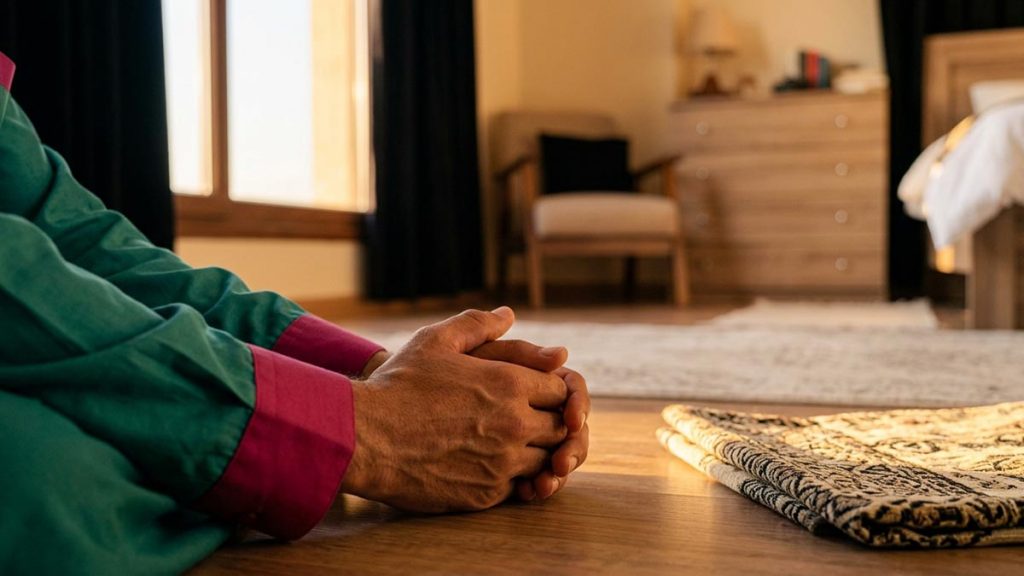
The rewards attached to the morning adhkar are remarkable. Some of these supplications carry a direct promise of Paradise. Others guarantee protection from every harm, or the forgiveness of sins, or the sufficiency of Allah against all that troubles the heart. To gain so much from a few minutes of remembrance is a mercy that the believer should never take lightly.
Beyond the specific promises, the morning adhkar shapes character over time. A heart that begins each day in gratitude grows less anxious and more trusting. Worries shrink when the day has already been handed to Allah. The believer steps into work and relationships with a calm that comes from knowing the affair is in the hands of the Most Merciful, and that steadiness is itself one of the quiet gifts of the morning adhkar.
How to Build a Consistent Morning Dua Routine
The simplest way to make this remembrance a habit is to start small. Choose one or two supplications, perhaps the opening declaration and Sayyidul Istighfar, and recite them every morning until they settle in the heart. Once they feel natural, add Ayat al-Kursi, then the Quls, then the rest, until the full set flows without effort.
Pairing the morning adhkar with the evening dua completes the daily cycle of remembrance the Prophet (pbuh) lived by. Keeping a small card or an app nearby helps in the early weeks, and reciting aloud aids memorisation. Above all, let the practice grow from gratitude in Islam rather than pressure, so that each sunrise becomes a moment you look forward to rather than a task to complete.
Mornings set the tone for everything that follows, and a heart anchored in dhikr carries that calm into the busiest day. Keep the habit alive with us on YouTube, where each supplication is recited aloud, on Instagram for a daily verse to wake up to, and on Threads where readers share how the morning adhkar reshaped their routine.
Frequently Asked Questions
The morning dua is a set of authentic supplications and words of remembrance recited at the start of the day, mostly after the Fajr prayer. It includes declaring that the day belongs to Allah, seeking His forgiveness, asking for protection, and praising Him, all taught by the Prophet (pbuh).
The best time is after Fajr in the window between dawn and sunrise, the period the Prophet (pbuh) reserved for remembrance. If you miss that window, you may still recite the morning adhkar at any point before midday.
The central morning supplication begins with Asbahna wa asbahal-mulku lillah, recorded in the collection of Imam Muslim. Alongside it, Sayyidul Istighfar, the master of seeking forgiveness, and Ayat al-Kursi for protection are among the most important.
Reciting the core morning adhkar takes only a few minutes. You can begin with one or two supplications and add more as they become familiar, so even a busy schedule leaves room for the morning dua.
It is best to recite the supplications in their original Arabic, since the exact words carry the reward. If the Arabic is difficult, begin with the transliteration and the meaning while you learn, and aim to memorise the Arabic over time.
The morning dua brings protection from harm through the day, plants gratitude in the heart, draws down the mercy of Allah, and builds a steady daily bond with Him. Several of these supplications carry specific promises of reward from the Prophet (pbuh).