
Dua After Breaking the Fast
3 Things to Know About This Sunnah

After breaking the fast at sunset, the Prophet Muhammad (pbuh) would recite a beautiful supplication expressing gratitude that the day of fasting was complete and the reward secured. This dua declares that the thirst is gone, the veins are moistened, and the reward is confirmed, if Allah wills, capturing the joy and hope of the fasting believer. The dua after breaking the fast is this beautiful conclusion to the fast, turning to Allah in gratitude and hope for the acceptance of the days worship.
ذَهَبَ الظَّمَأُ وَابْتَلَّتِ الْعُرُوقُ وَثَبَتَ الْأَجْرُ إِنْ شَاءَ اللَّهُ
Dhahaba-z-zama’u wabtallatil-‘urūqu wa thabatal-ajru in shā’a-llāh.
“The thirst is gone, the veins are moistened, and the reward is confirmed, if Allah wills.”
Marking the end of the fast with the remembrance of Allah is a beloved Sunnah, reminding the believer that the fast was an act of worship and its reward rests with Allah. This guide explains the dua after breaking the fast and three things to know about this Sunnah, so that the believer may complete the fast in gratitude, hopeful that Allah has accepted their fasting and secured its reward, as they declare the thirst gone and the reward confirmed.
The Supplication of the Prophet at Iftar
When the Prophet (pbuh) broke his fast, he would recite the beautiful words quoted above: the thirst is gone, the veins are moistened, and the reward is confirmed, if Allah wills. This supplication captures the experience of the fasting believer at iftar: the thirst of the day has passed, the body is refreshed with food and drink, and, most importantly, the reward of the fast is secured with Allah. It is a beautiful expression of gratitude and hope.

The most striking part of this dua is its focus on the reward. While the relief of food and drink is felt by the body, the believer is reminded that the true value of the fast lies in the reward Allah has promised. By saying the reward is confirmed, if Allah wills, the believer expresses hope that their fast has been accepted, ending the day not just satisfied in body but hopeful in heart. The dua after breaking the fast keeps the focus on Allah.
ذَهَبَ الظَّمَأُ وَابْتَلَّتِ الْعُرُوقُ وَثَبَتَ الْأَجْرُ
Dhahabaz-zama’u wabtallatil-‘uruqu wa thabatal-ajr
The thirst is gone and the reward is confirmed
Three Things to Know About This Sunnah
Marking the end of the fast with this dua is a beautiful Sunnah. These three things help the believer understand the dua after breaking the fast.
- It is recited after breaking the fast, expressing gratitude that the fast is complete and the reward secured.
- It keeps the focus on the reward, reminding the believer that the true value of the fast is with Allah.
- It ends the fast in hope, trusting that Allah has accepted the fasting, if He wills.
Ending the Fast in Gratitude
The dua after breaking the fast ends the day of fasting in gratitude and hope, declaring the thirst gone, the body refreshed, and the reward confirmed with Allah. By reciting this Sunnah after breaking the fast, keeping the focus on the reward rather than only the relief of food and drink, and ending the fast in hope of acceptance, the believer completes the fast with a heart turned to Allah. The Prophet (pbuh) marked iftar with this beautiful dua, reminding the believer that the true reward of the fast rests with Allah.
This supplication pairs naturally with the dua before breaking the fast and the dua for accepting fasting. Together they help the believer complete the fast in gratitude and hope of acceptance.
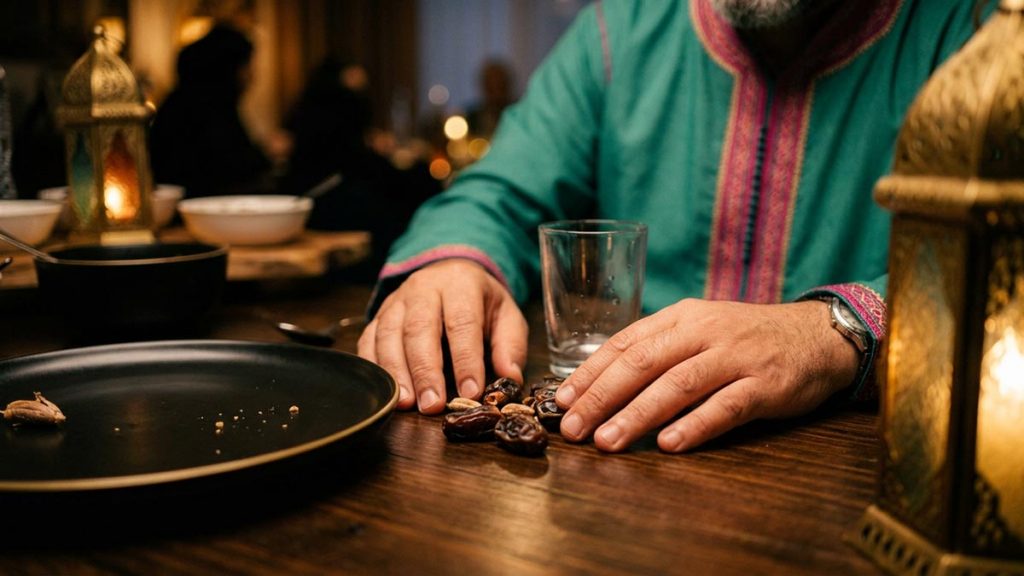
The thirst is gone, the veins are moistened, and the reward is confirmed, recited the Prophet (pbuh) after breaking his fast. Learn the duas of Ramadan with us on YouTube, where the supplications are recited aloud, on Threads for a reminder of this beautiful Sunnah, and on LinkedIn where readers share how they end their fast.
Frequently Asked Questions
The dua after breaking the fast is Dhahaba-z-zamau wabtallatil-uruqu wa thabatal-ajru in sha Allah, the thirst is gone, the veins are moistened, and the reward is confirmed, if Allah wills. The Prophet (pbuh) recited it at iftar.
It is recited after breaking the fast at sunset, once the believer has eaten or drunk. It expresses gratitude that the fast is complete and hope that its reward is secured with Allah.
It declares that the thirst of the day has gone, the body is refreshed, and the reward of the fast is confirmed, if Allah wills. It keeps the focus on the reward and the acceptance of the fast.
Because while the relief of food and drink is felt by the body, the true value of the fast lies in the reward Allah has promised. The dua reminds the believer that they fasted for Allah and their reward is with Him.
Yes, the Prophet (pbuh) recited this supplication when he broke his fast, so reciting it after breaking the fast follows his beautiful Sunnah. It ends the day of fasting with gratitude and hope.