
What Does InshaAllah Mean?
InshaAllah is among the most spoken phrases in the Muslim world — the words a believer adds whenever they speak of the future, placing their plans in Allah’s hands. It means “if Allah wills.” But what does this phrase truly mean, where does it come from, and why do Muslims say it so often? This guide explains.
Placing the Future in Allah’s Hands
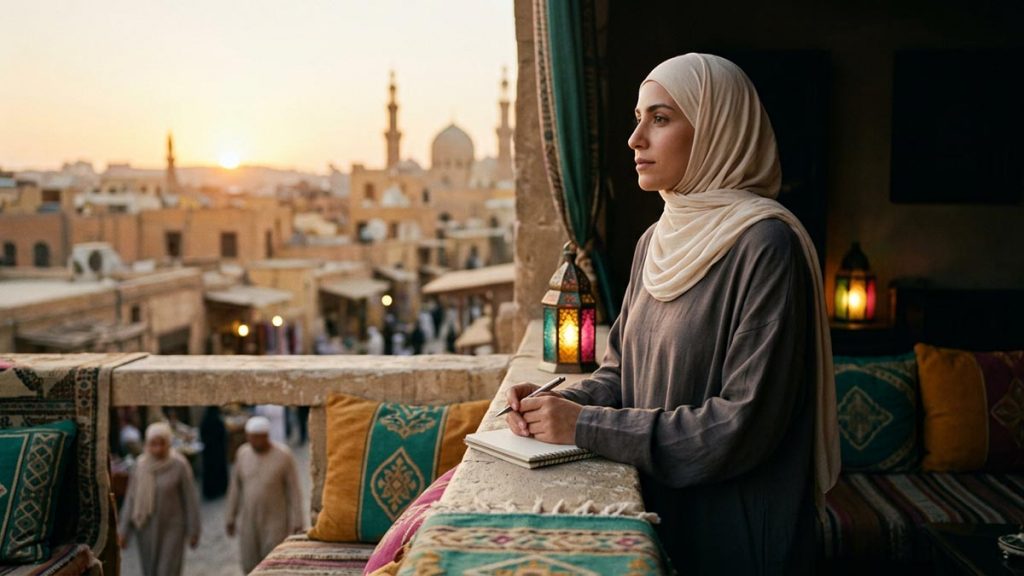
At its simplest, InshaAllah (إِنْ شَاءَ اللَّه) means “if Allah wills” or “God willing.” It is added when a believer speaks of doing something in the future, acknowledging that nothing happens unless Allah allows it.
It is a small phrase with a deep meaning. Rather than claiming to control tomorrow, a Muslim admits that the future belongs to Allah — making even a simple plan an act of humility and trust in God.
Rather than claiming to control tomorrow, a believer admits the future is Allah’s — a plan wrapped in trust.
Breaking Down InshaAllah

To feel the full weight of the phrase, it helps to unpack it word by word:
- In — إِنْ — “if,” opening a condition.
- Sha’a — شَاءَ — “wills” or “wishes,” the act of willing.
- Allah — اللَّه — “Allah,” whose will decides all that will be.
Together the words hand every plan to the will of Allah — a humility and trust at the heart of dua and reliance on God.
In sha’a means if He wills, Allah whose will decides all.
A Command from the Quran
Saying InshaAllah is not just a habit; it answers a direct instruction in the Quran. In Surah Al-Kahf, Allah teaches the Prophet (pbuh) never to say of anything “I will do that tomorrow” without adding “if Allah wills.”
The lesson is one of humility: the future is not ours to command. To add these words is to remember that all plans rest on Allah’s will, and to seek His blessing on what we hope to do — the same trust that runs through relying on God in all things.
The Quran teaches never to say I will do that tomorrow without adding, if Allah wills.
When Do Muslims Say InshaAllah?

The phrase belongs to every mention of the future. A believer adds it when making a plan, a promise, or an appointment, and when expressing hope that something good will happen.
It is also a gentle way of committing to something while leaving the outcome to Allah — “I’ll be there, InshaAllah.” Said sincerely, it is a promise of intention wrapped in trust. Wherever tomorrow is spoken of, this is the phrase that hands it to God.
Said making a plan, a promise, *or expressing a hope*.
5 Beautiful Moments Muslims Say InshaAllah
The phrase runs all through talk of the future. Here are five common moments:
- Making plans. Any plan for the future is placed in Allah’s hands with these words.
- Making a promise. A commitment is given sincerely, its outcome left to Allah.
- Expressing hope. Wishing for something good, a believer adds it in trust that Allah may grant it.
- Setting an appointment. A meeting or a journey is arranged “InshaAllah,” acknowledging Allah’s will.
- Facing a challenge. Resolving to do something hard, a Muslim relies on Allah’s help to see it through.
In each case the phrase does the same beautiful thing: it hands a hope for the future over to the will of Allah.
To hold the future lightly is to trust that His will is best.
InshaAllah and Related Phrases

It pairs naturally with MashaAllah, “what Allah has willed” — one for the future, the other for a blessing already given. It also sits beside Allahu A’lam, “Allah knows best,” leaving both outcome and knowledge with God.
And any good work begun in the future is opened with Bismillah, “in the name of Allah” — beginning, as well as planning, in His name.
Why This Phrase Matters

It is easy to speak of the future as though it were ours to command. InshaAllah gently corrects that, reminding a believer that tomorrow belongs to Allah and that every plan depends on His will.
In adding it to their plans, a Muslim keeps their heart humble and hopeful. To place the future in Allah’s hands is not to give up on it, but to hold it lightly — trusting that whatever He wills will be best.
If this deepened your love for the words you already say every day, come and learn with us. Follow It’s About Islam on YouTube, Instagram and Threads for daily reminders, Quran reflections and the beautiful meanings behind the phrases every Muslim knows by heart.
It means “if Allah wills” or “God willing.” Muslims add it when speaking of the future, acknowledging that nothing happens unless Allah allows it.
Whenever they speak of the future — making a plan, a promise, or an appointment, expressing hope, or resolving to do something. It places the future in Allah’s hands.
Yes, in principle. In Surah Al-Kahf (18:23-24), Allah instructs never to say of anything “I will do that tomorrow” without adding “if Allah wills.”
Properly, no — it is a sincere “God willing,” committing to something while leaving the outcome to Allah. It is sometimes used loosely to soften a “maybe,” but its true meaning is trust in Allah’s will, not avoidance.
InshaAllah, “if Allah wills,” is said about the future. MashaAllah, “what Allah has willed,” is said about a blessing that has already happened.