
What Does Bismillah Mean?
Bismillah is one of the most repeated phrases in a Muslim’s life. It is whispered before meals, spoken at the start of a journey, and written at the top of countless pages and messages. Yet many people say it out of habit without pausing on its meaning. So what does this phrase actually mean, where does it come from, and why do believers begin almost everything with it? This guide breaks it all down.
Bismillah in Plain English
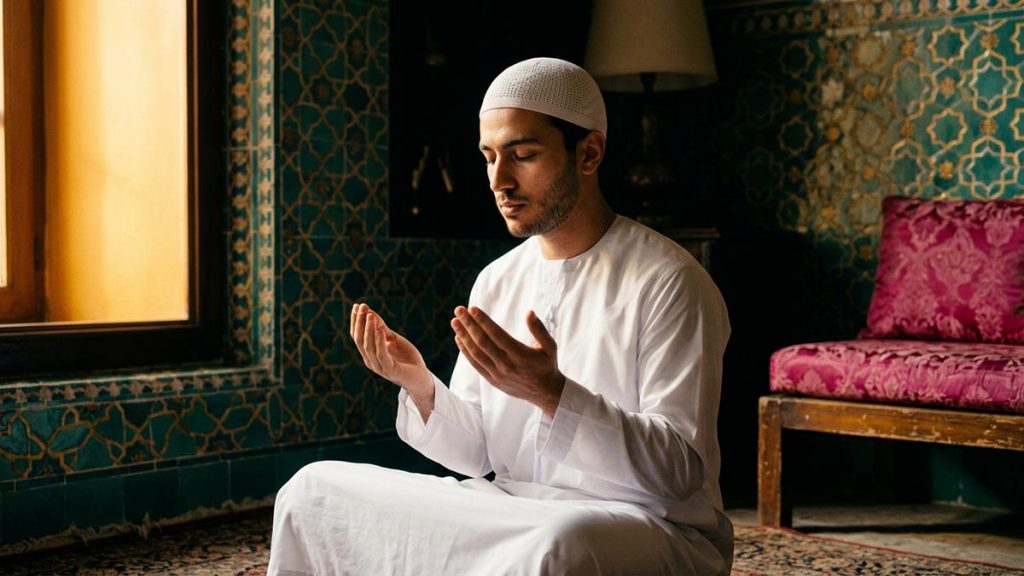
The word Bismillah (بِسْمِ اللَّه) translates simply as “In the name of Allah.” In its complete and most familiar form — Bismillahir-Rahmanir-Raheem — it means “In the name of Allah, the Most Gracious, the Most Merciful.” It is a short sentence carrying enormous weight: by saying it, a person begins an action not for their own sake, but in the name of their Creator, seeking His help, His permission, and His blessing.
Muslims say it to dedicate an act to Allah before it even begins. Whether the task is as small as sipping water or as large as signing a contract, the phrase reframes it as something done consciously in remembrance of God rather than in heedlessness. That single shift — from doing something for oneself to doing it in the name of Allah — is the heart of what these words mean.
These few words turn an ordinary action into an act done for the sake of God rather than for oneself.
Breaking Down the Bismillah Word by Word
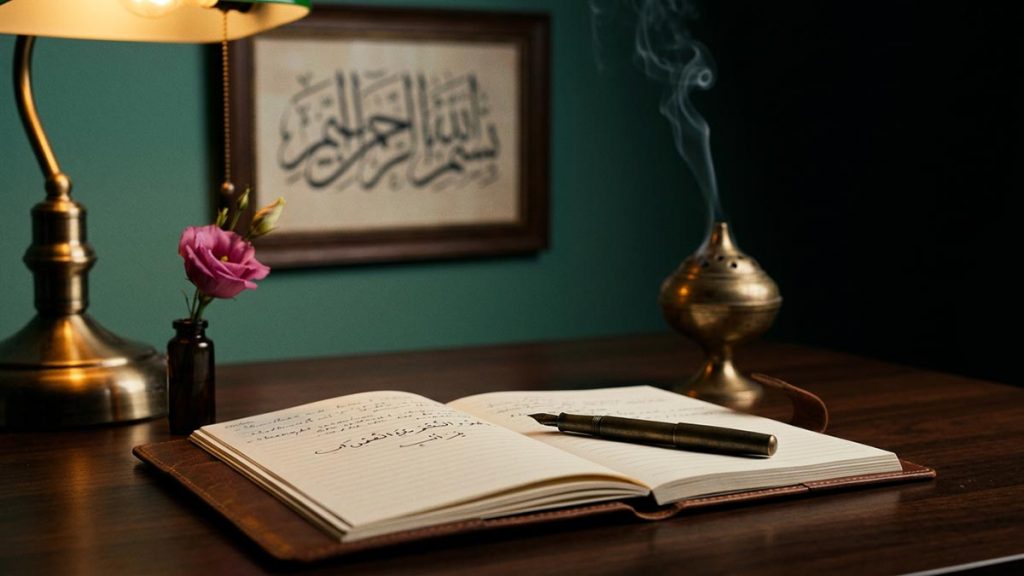
To fully appreciate its depth, it helps to unpack the phrase into its parts. Each piece adds a layer of meaning that is easy to miss when the words are spoken quickly:
- Bi — “in” or “with”, carrying the sense of beginning by means of, and seeking help through, what follows.
- Ism — “name”. Invoking Allah’s name is invoking His presence and His authority over the act.
- Allah — the personal name of the One God, the Creator worshipped in Islam.
- Ar-Rahman — “the Most Gracious”, a mercy so vast that it embraces the whole of creation, believer and disbeliever alike.
- Ar-Raheem — “the Most Merciful”, a special, lasting mercy reserved for the believers, especially in the Hereafter.
Placed side by side, these two names of mercy are no accident. Of all His countless beautiful names, Allah chose to open His Book — and almost every chapter within it — by naming Himself through mercy. Before a single command or story is told, the reader is reminded that the God speaking to them is, first and foremost, compassionate.
Ar-Rahman and Ar-Raheem both flow from rahmah, the Arabic root of mercy a mercy that is boundless and never-ending.
5 Everyday Moments Muslims Say Bismillah
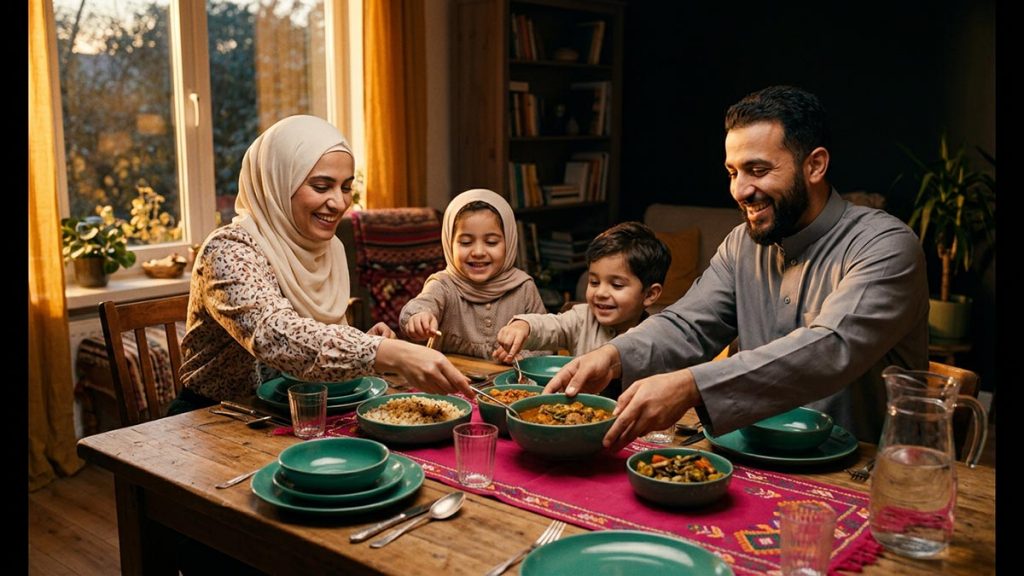
Saying Bismillah is not reserved for formal worship. The Prophet Muhammad (pbuh) wove the phrase into the fabric of daily life, so that the most ordinary moments become quiet acts of remembrance. Here are five of the most common:
- Before eating and drinking. Every meal begins with the name of Allah, turning simple nourishment into gratitude. This is one of the clearest sunnahs of eating in Islam.
- Before starting a task or journey. From leaving the house to beginning work, study, or travel, the phrase places the outcome in Allah’s hands. It sits at the heart of making du’a throughout the day.
- Before performing wudu (ablution). Purifying oneself for prayer traditionally opens with the name of Allah, framing worship from its very first step.
- Before reciting the Quran. After seeking refuge in Allah, readers begin with the phrase, honouring the words of the Holy Quran they are about to read.
- Before sleeping and on waking. Closing and reopening the day in Allah’s name turns even rest into an act of trust and remembrance.
In every one of these moments, the phrase does the same quiet work: it transforms a routine act into a conscious connection with God, so that a life full of small tasks becomes a life full of small acts of worship.
The Prophet (pbuh) told the young to mention the name of Allah before eating and eat with the right hand.
The Short Form and the Full Basmala
Bismillah appears in two forms, and knowing the difference deepens its meaning. On its own, the single word means simply “In the name of Allah.” This shorter form is what most people use in casual, everyday speech — a quick dedication murmured before a small act.
The complete phrase is Bismillahir-Rahmanir-Raheem, often called the Basmala. It adds two of Allah’s most beautiful names, Ar-Rahman and Ar-Raheem, both drawn from mercy. This fuller version is the one written at the head of the Quran’s chapters and recited in prayer, framing every beginning not with Allah’s power or majesty, but with His mercy.
The choice is deliberate. Of all the names a believer could reach for at the start of an action, the Basmala reaches first for compassion — a quiet reminder that the God being called upon is, above all else, merciful.
The full phrase begins every action in the name of the Most Gracious, the Most Merciful not power or might.
Where Bismillah Appears in the Quran
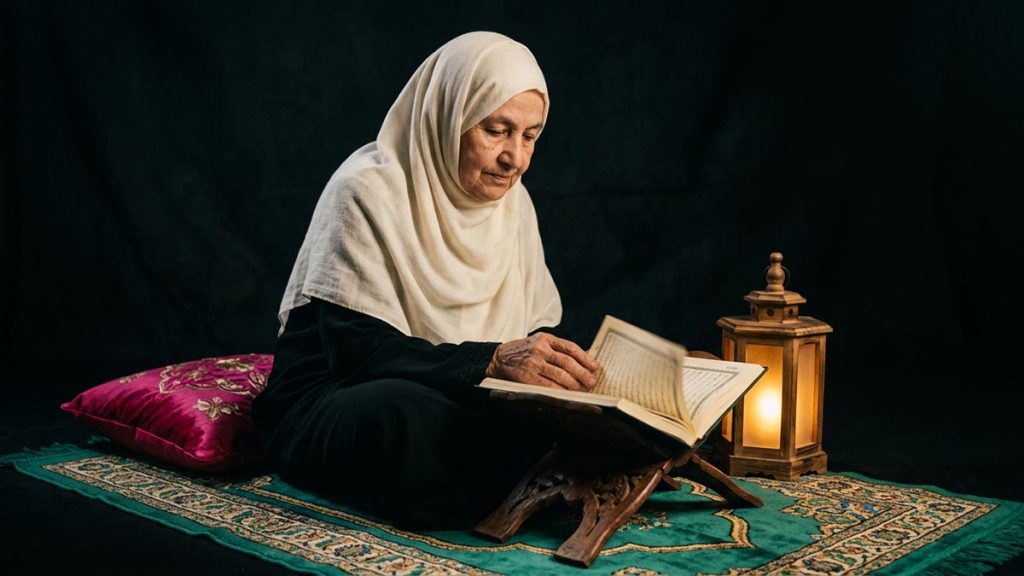
The Bismillah is far more than a decorative heading. It is woven directly into the text of the Quran itself, appearing in some of the most powerful moments of revelation.
It opens almost every chapter. It begins the vast majority of the Quran’s surahs, and stands as the very first verse of Surah Al-Fatihah, the opening chapter recited in every unit of prayer. The single exception is Surah At-Tawbah, which does not begin with it.
It appears in the story of Prophet Sulaiman. In Surah An-Naml, his letter to the Queen of Sheba famously begins in the name of Allah, the Most Gracious, the Most Merciful — showing that even a royal message was to be opened with His name.
It marked the launch of the Ark. In Surah Hud, Prophet Nuh (pbuh) was told to board the ark declaring that its sailing and its anchoring are in the name of Allah, placing an entire voyage of survival under His care.
It echoes the very first revelation. The opening words ever revealed to the Prophet (pbuh) in Surah Al-Alaq were a command to read in the name of your Lord — the same call to begin in Allah’s name that the Bismillah carries.
It appears at the beginning of 113 of the Quran’s 114 chapters making it the most repeated line in the entire Book.
Bismillah in the Daily Life of a Muslim
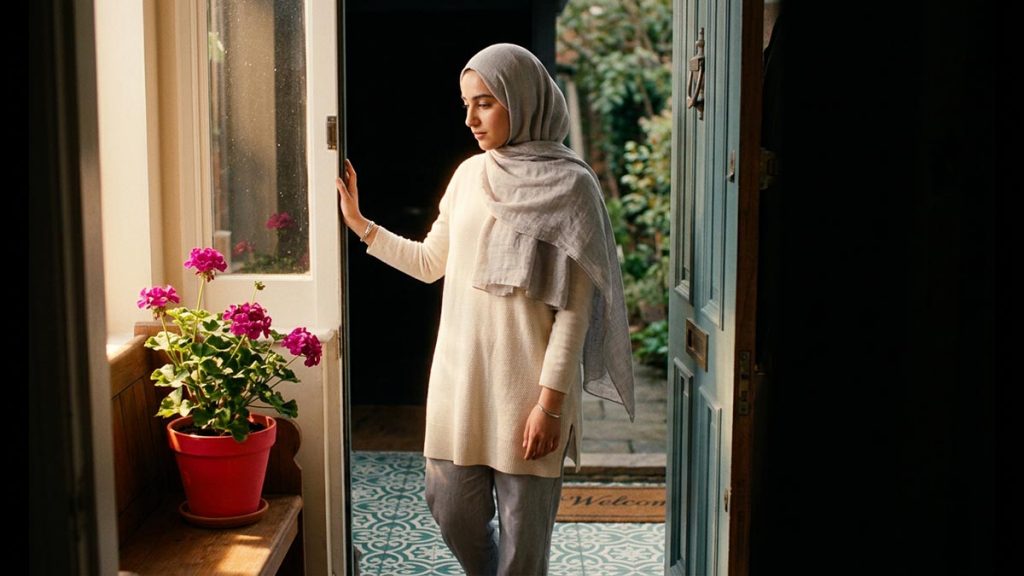
For a practising Muslim, Bismillah is not an occasional prayer but a rhythm running through the whole day. It sits at the threshold of the smallest habits and the largest decisions alike, keeping God present in moments that might otherwise pass by unnoticed.
It also belongs to a wider family of everyday phrases that keep faith alive in ordinary speech. A believer opens a meal in the name of Allah and closes it praising Him with Alhamdulillah. Speaking of tomorrow, they add InshaAllah, God willing, entrusting the future to Him. Seeing beauty or good fortune in another’s life, they say MashaAllah, acknowledging it as Allah’s gift rather than mere chance.
Beyond speech, the words are written and displayed everywhere — at the top of letters and documents, in calligraphy on walls and doorways, and on the opening page of books. Each written Bismillah carries the same intention as the spoken one: to begin in the name of God, and to ask that what follows be guided and blessed by Him.
The Spiritual Power and Virtues of Bismillah
Beyond its meaning, Bismillah carries real spiritual weight in Islam. Scholars have long taught that these brief words shape both the deed and the one performing it.
It brings barakah (blessing). Beginning an action with Allah’s name is understood to draw down blessing and to guard the deed from being empty or wasted. A well-known teaching reminds believers that any important matter not begun with the name of Allah is left deficient in blessing, its good somehow cut short.
It renews sincerity. Saying it quietly resets a believer’s intention, reminding them why they are acting at all — for Allah, the Most Merciful, whose mercy the Quran describes as encompassing all things. It is a small pause that keeps the ego in check and returns the heart to God before the hands begin their work.
It offers protection. Many prophetic supplications pair the name of Allah with seeking refuge, so that entering a home, eating, or travelling under His name becomes a shield against harm and a habit of gratitude rooted in the practice of the Prophet Muhammad (pbuh).
Small as it is, the phrase keeps a believer’s entire day anchored to God. It is a habit of the heart as much as the tongue, and it is why understanding what it means can quietly transform something you say a dozen times a day into a lifelong act of devotion.
Scholars teach that any weighty matter begun without it is cut off from its barakah and deprived of lasting blessing.
If this deepened your love for the words you already say every day, come and learn with us. Follow It’s About Islam on YouTube, Instagram and Threads for daily reminders, Quran reflections and the beautiful meanings behind the phrases every Muslim knows by heart.
Bismillah means “In the name of Allah.” In its full form, Bismillahir-Rahmanir-Raheem, it means “In the name of Allah, the Most Gracious, the Most Merciful.” Muslims say it to begin an action in the name of God, seeking His help and blessing.
Yes. It is the first verse of Surah Al-Fatihah and opens 113 of the Quran’s 114 chapters. The only surah that does not begin with it is Surah At-Tawbah.
Before almost any good or significant act — before eating, drinking, performing wudu, reciting the Quran, entering the home, sleeping, travelling, or starting work. It turns ordinary moments into acts of remembrance of Allah.
The short form simply means “In the name of Allah.” The complete phrase, Bismillahir-Rahmanir-Raheem, adds two of Allah’s names — Ar-Rahman (the Most Gracious) and Ar-Raheem (the Most Merciful) — giving the fuller “In the name of Allah, the Most Gracious, the Most Merciful.”
There is nothing preventing anyone from saying it, and many people do so out of respect or curiosity. It is simply the acknowledgement that an action is being done in the name of God, the Most Merciful.