
What Does Alhamdulillah Mean?
Alhamdulillah may be the most repeated phrase in a Muslim’s life after the name of Allah — a breath of praise and gratitude said in good times and hard ones alike. It opens the Quran, follows a meal, and answers a sneeze. But what does this phrase actually mean, where does it come from, and why do believers say it so often? This guide explains.
Praise and Gratitude in One Word
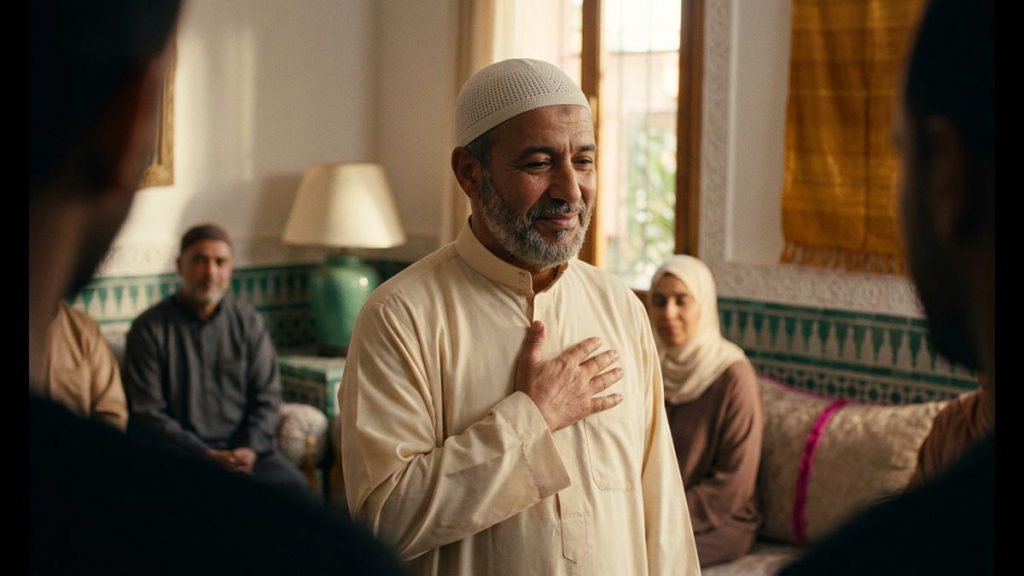
At its simplest, Alhamdulillah (الْحَمْدُ لِلَّه) means “all praise is due to Allah” or “praise be to God.” It is at once a statement of praise and an expression of thanks, giving every good thing back to the One who gave it.
It is richer than a simple “thank God.” The word hamd is praise mixed with love and gratitude, so to say Alhamdulillah is to praise Allah for who He is and to thank Him for all He gives — in a single, beautiful breath.
The word hamd is praise mixed with love and gratitude — more than a plain thank you.
Breaking Down Alhamdulillah
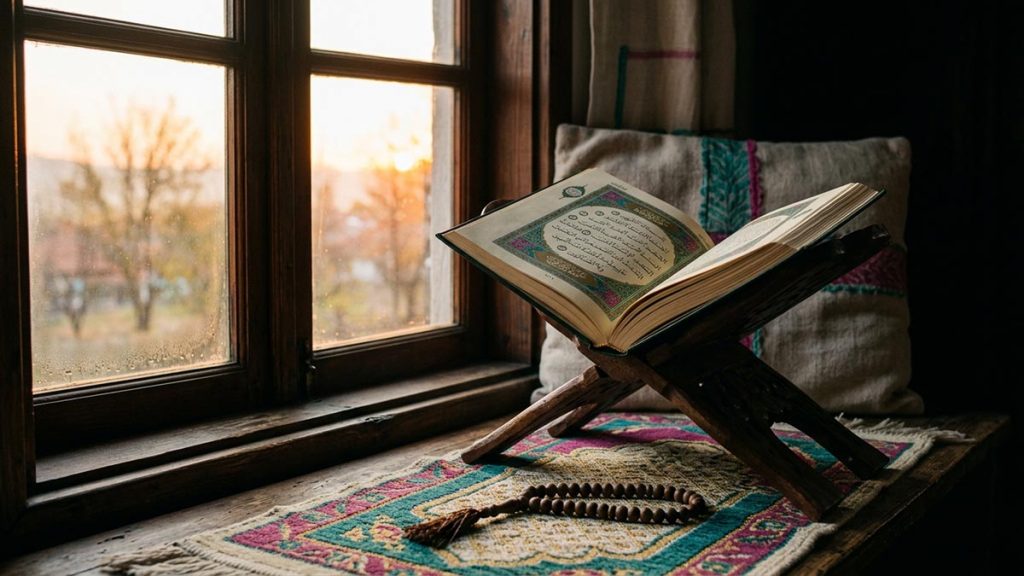
To feel the full weight of the phrase, it helps to unpack it word by word:
- Al-Hamd — الْحَمْد — “all praise,” a praise that carries love and gratitude together.
- Lillah — لِلَّه — “belongs to Allah,” joining li (“to” or “for”) with the name Allah — all praise is His alone.
Together the words hand every praise to Allah — the heart of gratitude in Islam, and the opening words of the Quran itself.
Al-hamd means all praise, lillah means belongs to Allah.
The Opening of the Quran
This phrase holds a special place: it opens Surah al Fatihah, the first chapter of the Quran, recited in every unit of prayer. Allah begins His own Book with praise of Himself, teaching believers to begin with gratitude too.
The Prophet (pbuh) called Alhamdulillah a phrase that fills the scales of good deeds, and taught that it is the best form of remembrance. To fill a life with it is to keep the heart tuned to gratitude, seeing every blessing as a gift from Ar Rahman, the Most Gracious.
Allah opens His own Book with praise of Himself — teaching us to begin with gratitude.
When Do Muslims Say Alhamdulillah?

The phrase belongs to almost every moment. A believer says it to thank Allah for a blessing, on finishing a meal, on hearing good news, when asked how they are, and simply throughout the day as remembrance.
It is also said in hardship, as a way of trusting that even trials hold good. And when a Muslim sneezes, they say Alhamdulillah, and those nearby reply yarhamukallah, “may Allah have mercy on you.” Wherever there is good to be grateful for, this is the word that names it.
Said in thanks, after a meal, *or on hearing good news*.
5 Beautiful Everyday Moments to Say Alhamdulillah

The phrase runs all through a believer’s day. Here are five of the most common moments:
- In thanks for a blessing. Any gift, large or small, is met with praise to the One who gave it.
- After finishing a meal. Muslims open eating with Bismillah and close it praising Allah, in the sunnah of eating in Islam.
- On hearing good news. Joy is turned upward, giving the credit for every happiness to Allah.
- When asked how you are. A believer often answers “Alhamdulillah,” grateful whatever the state.
- After sneezing. A sneeze is met with praise, and those nearby reply with a prayer of mercy.
In every case the phrase does the same beautiful thing: it turns a moment of good into a moment of gratitude to Allah.
It fills the scales of good deeds — so the Prophet (pbuh) taught.
Alhamdulillah and Related Phrases

It is one of the great words of remembrance, alongside SubhanAllah, “glory be to Allah,” and Allahu Akbar, “Allah is the Greatest.” Together these three form the heart of daily dhikr.
When admiring a blessing, a Muslim adds MashaAllah, “what Allah has willed” — another way of giving every good thing back to God.
Why This Phrase Matters
It is easy to enjoy a blessing and forget its source. Alhamdulillah gently corrects that, training the heart to see every good thing as a gift and to return it, at once, to Allah with praise.
In doing so it fills a life with gratitude. To say it sincerely — in joy and in hardship — is to keep a believer’s heart soft, thankful, and close to God, living out the gratitude the Quran so often praises.
If this deepened your love for the words you already say every day, come and learn with us. Follow It’s About Islam on YouTube, Instagram and Threads for daily reminders, Quran reflections and the beautiful meanings behind the phrases every Muslim knows by heart.
It means “all praise is due to Allah” or “praise be to God.” It is both praise and thanks, giving every good thing back to the One who gave it.
In thanks for a blessing, after finishing a meal, on hearing good news, when asked how they are, after sneezing, and simply throughout the day as remembrance of Allah.
Yes. It opens Surah Al-Fatihah, the first chapter of the Quran, which begins “Alhamdulillahi rabbil-alameen” — “All praise is due to Allah, Lord of all the worlds.”
You reply yarhamukallah, “may Allah have mercy on you.” The one who sneezed then answers yahdikumullah, “may Allah guide you.”
Shukran is simply “thank you,” said to people. Alhamdulillah is praise and thanks directed to Allah, giving Him the credit for every blessing.