
What Does SubhanAllah Mean?
SubhanAllah is the phrase a Muslim says in wonder — before a breathtaking sight, in a moment of awe, or as beloved daily remembrance. It means “glory be to Allah,” declaring Him far above any flaw. But what does this phrase truly mean, where does it come from, and when is it said? This guide explains.
Declaring Allah Free of All Flaw
At its simplest, SubhanAllah (سُبْحَانَ اللَّه) means “glory be to Allah” or “how perfect is Allah.” It declares Allah free of any fault, weakness, or imperfection — exalted far above anything unworthy of Him.
It is a phrase of praise and wonder. To say it is to lift Allah high above all shortcomings, whether marvelling at the perfection of His creation or clearing His name of anything a person might wrongly attribute to Him.
To say it is to lift Allah high above all shortcomings — free of every flaw and weakness.
Breaking Down SubhanAllah
To feel the full weight of the phrase, it helps to unpack it word by word:
- Subhana — سُبْحَانَ — “glory” or “perfection” — declaring Allah utterly free of any flaw.
- Allah — اللَّه — “Allah,” Al-Quddus, the Most Holy, the One being glorified.
Together the words lift Allah above every imperfection — the meaning of the tasbih that fills a believer’s prayer.
Subhana means glory and perfection, Allah the Most Holy.
The Praise That Fills Creation
This phrase is called the tasbih, and it is woven through worship and the world alike. The Quran describes all of creation — the heavens, the earth, the birds, and the mountains — as glorifying Allah in their own way.
For the believer, it is beloved daily remembrance: said many times after the prayer, in moments of amazement, and to declare Allah’s perfection. The Prophet (pbuh) taught that SubhanAllah and its companion praises are among the dearest words to Allah, honouring Al-Quddus, the Most Holy.
The Quran says all creation glorifies Allah — the heavens, the birds, the mountains.
When Do Muslims Say SubhanAllah?
The phrase belongs to moments of wonder and worship. A believer says it before a beautiful or astonishing sight, in surprise at something good or striking, and after the daily prayers as remembrance.
It is also said to declare Allah free of any wrong idea about Him, and simply as constant dhikr. Wherever a Muslim is moved to marvel at Allah’s perfection, this is the phrase that gives it words.
Said before a sunset, in amazement, *or after the prayer*.
5 Beautiful Moments Muslims Say SubhanAllah
The phrase fills a believer’s day with wonder. Here are five common moments:
- Before the wonders of creation. A sunset, a mountain, a newborn — all move a believer to glorify Allah.
- In amazement. At something striking or unexpected, the phrase bursts out in awe.
- After the prayer. It is a sunnah to say it many times in the remembrance following each prayer.
- To declare Allah’s perfection. When Allah is wrongly described, a Muslim clears His name with these words.
- As daily remembrance. Kept on the tongue, the tasbih fills the heart with praise, as in prayer.
In each moment the phrase does the same beautiful thing: it lifts Allah high above every flaw, in wonder and praise.
Among the dearest words to Allah — so the Prophet (pbuh) taught.
SubhanAllah and Related Phrases
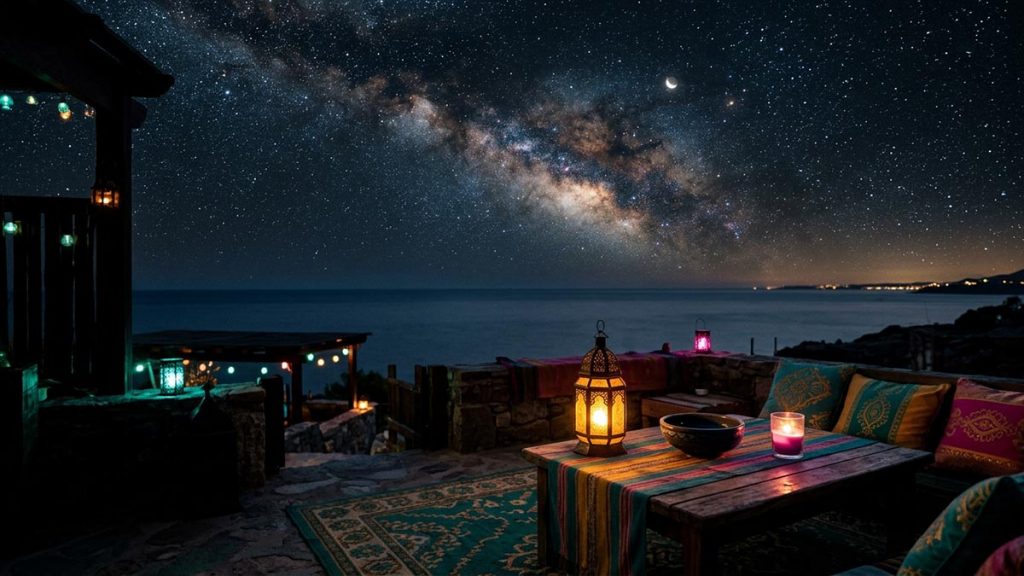
It is one of the great words of remembrance, alongside Alhamdulillah, “all praise is due to Allah,” and Allahu Akbar, “Allah is the Greatest” — the three often said together after prayer.
It sits close to the testimony of faith, La ilaha illallah, “there is no god but Allah” — both declaring the perfection and oneness of God.
Why This Phrase Matters
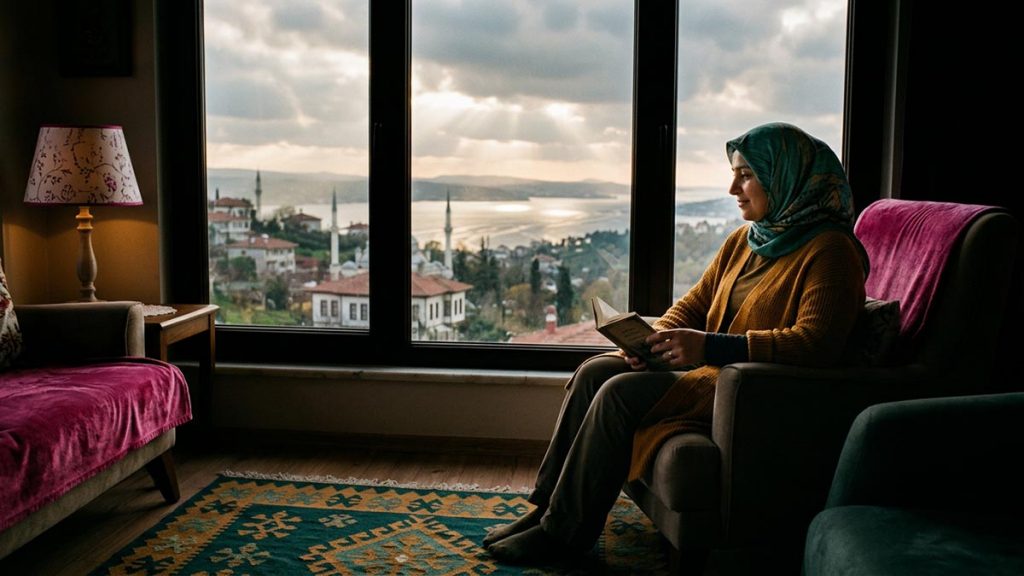
It is easy to pass through a beautiful world without a second thought. SubhanAllah opens the eyes, turning every wonder into a reason to glorify the One who made it and to declare Him free of any flaw.
In filling the day with these words, a Muslim keeps their heart awake to the perfection of Allah. To glorify Him in wonder is among the dearest of deeds — and it fills a life with awe, gratitude, and praise.
If this deepened your wonder at Allah, come and learn with us. Follow It’s About Islam on YouTube, TikTok and Facebook for daily reminders, Quran reflections and the beautiful meanings behind the phrases every Muslim knows by heart.
It means “glory be to Allah” or “how perfect is Allah.” It declares Allah free of any flaw, weakness, or imperfection, exalted far above anything unworthy of Him.
Before the wonders of creation, in amazement, after the daily prayers, to declare Allah’s perfection, and as constant remembrance throughout the day.
The tasbih is saying SubhanAllah, “glory be to Allah.” It is a beloved form of dhikr, said many times after the prayer and in moments of wonder.
SubhanAllah, “glory be to Allah,” declares Allah free of any flaw. Alhamdulillah, “all praise is due to Allah,” praises and thanks Him for His blessings. Both are beloved remembrance.
Yes. The Quran repeatedly glorifies Allah with this phrase and describes all of creation as glorifying Him, so declaring His perfection runs all through the Book.