
What Does TabarakAllah Mean?
TabarakAllah is a phrase of praise a Muslim says on seeing something beautiful or wonderful — a lovely face, a fine creation, a great blessing. It means “blessed is Allah,” praising Him as the source of all good and beauty. But what does this phrase truly mean, where does it come from, and when is it said? This guide explains.
Blessed Is the Maker of All Beauty
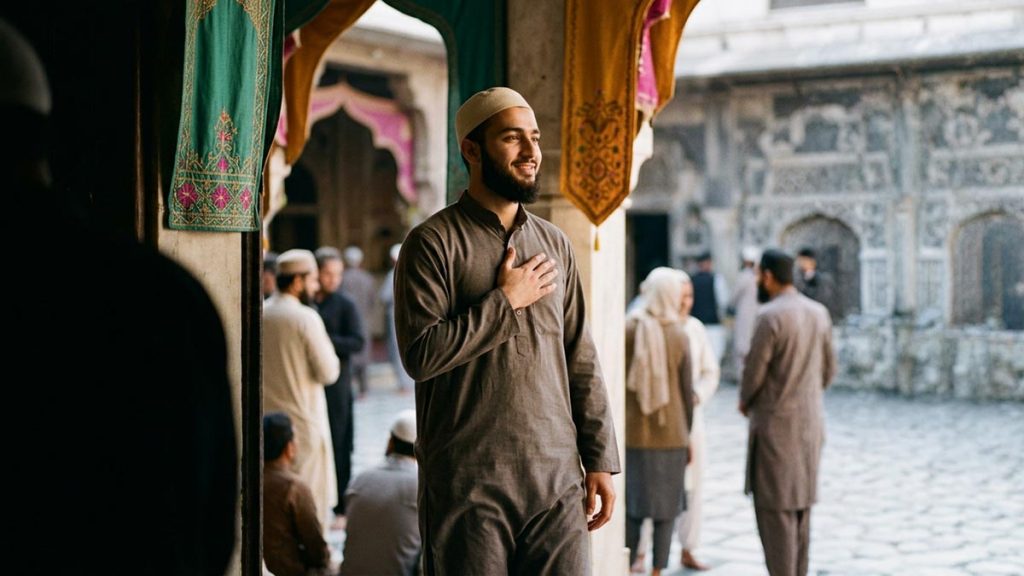
At its simplest, TabarakAllah (تَبَارَكَ اللَّه) means “blessed is Allah” or “how blessed and exalted is Allah.” It praises Allah as the One overflowing with goodness, from whom every blessing and beauty flows.
It is a phrase of wonder and praise. On seeing something lovely, a believer does not stop at the thing itself but praises its Maker — declaring that the beauty before them is a sign of how blessed and majestic Allah is.
A believer does not stop at the beautiful thing but praises its Maker — blessed and majestic Allah.
Breaking Down TabarakAllah
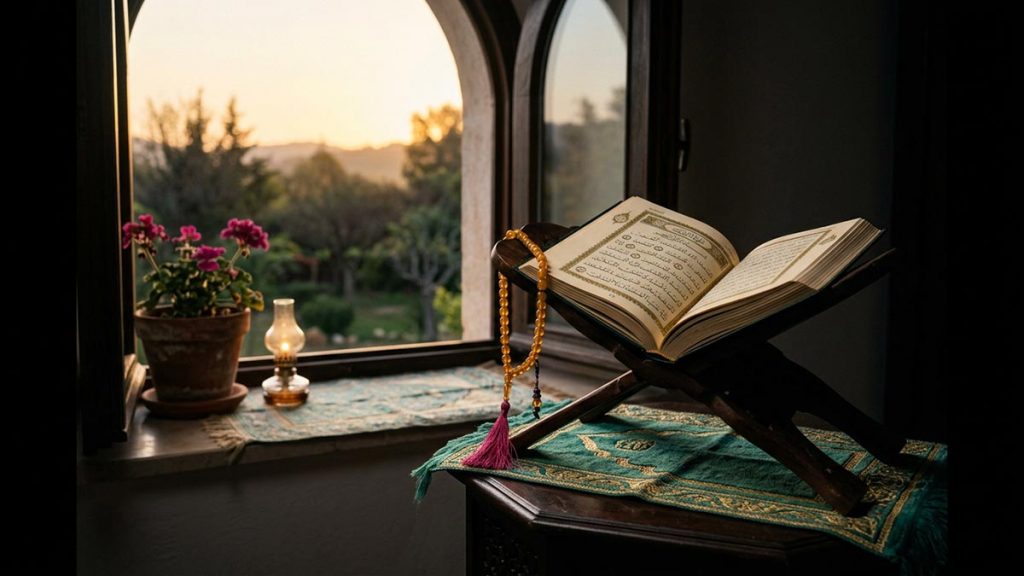
To feel the full weight of the phrase, it helps to unpack it word by word:
- Tabaraka — تَبَارَكَ — “blessed is” or “exalted in blessing,” from barakah — overflowing, abundant good.
- Allah — اللَّه — “Allah,” Al-Barr, the Source of all goodness, being praised.
Together the words praise Allah as the blessed source of all good — a wonder rooted in gratitude to the Giver.
Tabaraka means blessed and exalted, Allah the Source of all good.
A Word from the Quran
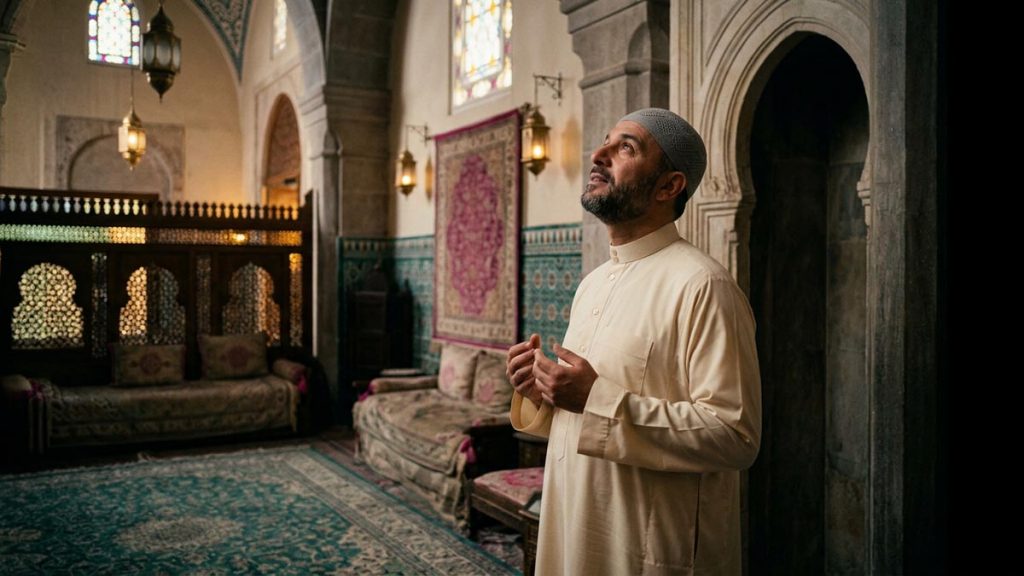
This phrase comes straight from the Quran, where Allah is praised with the words tabaraka Allah — “blessed is Allah, the best of creators,” and “blessed is Allah, Lord of the worlds.” It is His own praise, placed on the believer’s tongue.
For a Muslim, it is a way of marvelling at creation while giving the glory to its Maker. Like its companion MashaAllah, it guards the heart from envy and the admirer from pride, tying every beautiful thing back to Al-Barr, the Source of goodness.
The Quran praises Him: blessed is Allah — the best of creators.
When Do Muslims Say TabarakAllah?
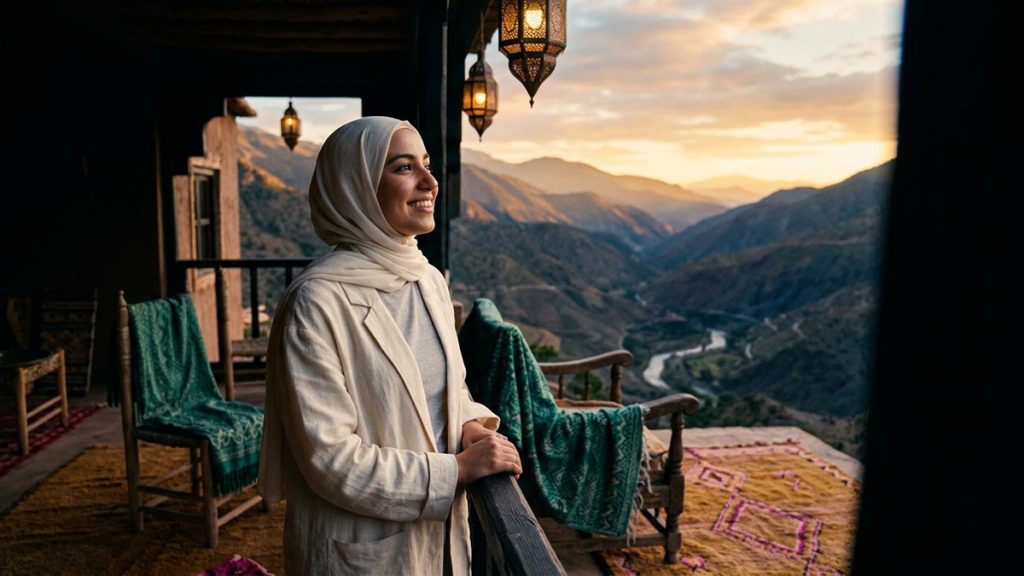
The phrase belongs to moments of admiration and awe. A believer says it on seeing beauty in a person or in nature, marvelling at a fine creation, or receiving a great blessing — praising Allah as its source.
It is close to MashaAllah in use, and the two are sometimes said together. Wherever something moves a Muslim to wonder, TabarakAllah is a way of praising the blessed Maker behind it.
Said admiring beauty, marvelling at nature, *or receiving a great blessing*.
5 Beautiful Times Muslims Say TabarakAllah
The phrase fits every moment of beauty and blessing. Here are five:
- Admiring beauty in a person. Struck by a lovely face or a good character, a believer praises the Maker.
- Marvelling at nature. A stunning landscape or sky is met with praise for its blessed Creator.
- Seeing a fine creation. Any work of wonder is admired as a sign of Allah’s abundant good.
- Receiving a great blessing. A large gift or good fortune is answered by praising its Giver, in gratitude.
- Alongside MashaAllah. The two are said together to admire a blessing while giving all credit to Allah.
In each case the phrase does the same beautiful thing: it praises Allah as the blessed source of every good and lovely thing.
His signs are everywhere for the heart that praises Him.
TabarakAllah and Related Phrases
It is close in meaning to MashaAllah, “what Allah has willed,” and often said with it when admiring a blessing. It also pairs with Allahumma Barik, “O Allah, bless.”
All three tie a blessing back to Allah, as does the great praise SubhanAllah, “glory be to Allah” — declaring His perfection and abundant goodness.
Why This Phrase Matters
It is easy to admire beauty and stop at the thing itself. TabarakAllah lifts the gaze higher, praising the blessed Maker behind every lovely thing and giving Him the glory for it.
In saying it, a Muslim keeps their heart full of wonder and free of pride. To praise Allah as the source of all beauty is to see His signs everywhere — and to turn every moment of admiration into praise of God.
If this deepened your wonder at Allah, come and learn with us. Follow It’s About Islam on YouTube, X and Pinterest for daily reminders, Quran reflections and the beautiful meanings behind the phrases every Muslim knows by heart.
It means “blessed is Allah” or “how blessed and exalted is Allah.” It praises Allah as the One from whom every blessing and beauty flows.
On seeing beauty in a person or in nature, marvelling at a fine creation, or receiving a great blessing — praising Allah as the blessed source of it all.
Both are said admiring a blessing. MashaAllah, “what Allah has willed,” credits the blessing to Allah’s will; TabarakAllah, “blessed is Allah,” praises Him as its blessed source. They are close and sometimes said together.
Yes. The Quran praises Allah with tabaraka Allah, as in “blessed is Allah, the best of creators” and “blessed is Allah, Lord of the worlds.”
Like MashaAllah, it acknowledges a blessing as coming from Allah, which is encouraged when admiring something to keep the heart free of envy. Muslims often pair it with a prayer of blessing.