
What Does Allah Hafiz Mean?
Allah Hafiz is a warm way many Muslims say goodbye — a farewell that hands the other person into Allah’s care. Heard especially across South Asia, it turns a simple parting into a prayer of protection. But what does this phrase actually mean, where does it come from, and when is it said? This guide explains.
A Goodbye That Is a Prayer
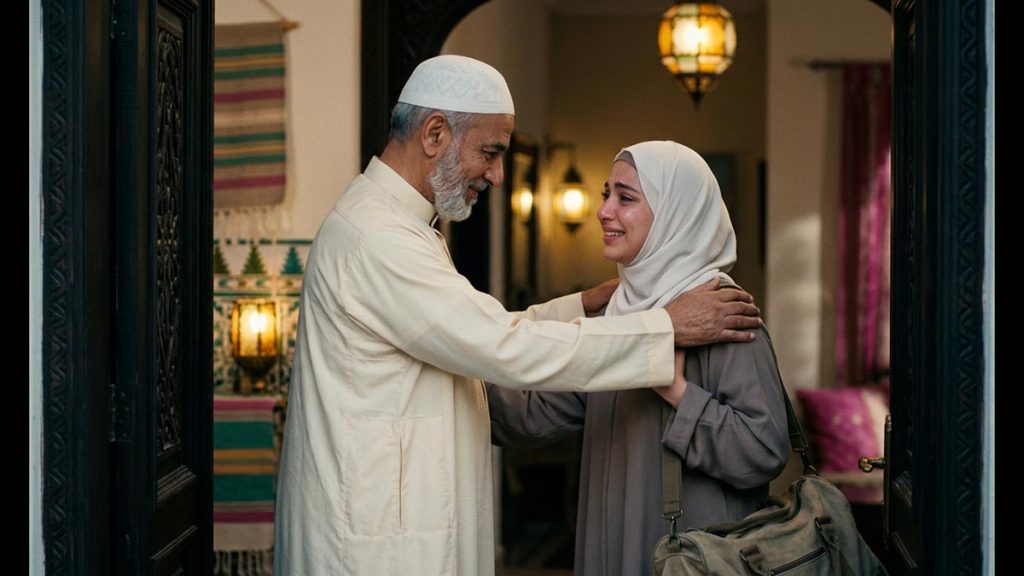
At its simplest, Allah Hafiz (اللَّه حَافِظ) means “may Allah be your protector” or “God keep you.” It is said when parting, entrusting the other person to Allah’s safekeeping until they meet again.
Where “goodbye” is just a word of leaving, this farewell is a prayer. Rather than simply parting, a believer asks Allah, the true Protector, to watch over the one they are saying goodbye to.
Where goodbye is just a word, this farewell is a prayer entrusting the other to Allah.
Breaking Down Allah Hafiz

To feel the full weight of the phrase, it helps to unpack it word by word:
- Allah — اللَّه — the One being asked to protect, Al-Wali, the Protecting Friend.
- Hafiz — حَافِظ — “protector” or “guardian,” from a root meaning to guard, keep, and watch over.
Together the words name Allah as the guardian of the one departing — a farewell that becomes a small dua for their safety.
Allah is the guardian, Hafiz means the protector.
Handing a Loved One to Allah
The phrase carries a quiet trust. When people part, they cannot protect one another across the distance; only Allah, who never sleeps and never tires, can watch over them wherever they go. So the believer entrusts their loved one to Him.
This farewell is common in Urdu and Persian-speaking cultures, often replacing the older Khuda Hafiz with the Arabic name of Allah. In every form it does the same thing: it turns leaving into a prayer, in the same caring spirit Islam gives to friends and family.
People cannot guard each other across the distance; only Allah can — so we ask Him.
When Do Muslims Say Allah Hafiz?

The phrase belongs to moments of parting. A believer says it at the end of a visit, a phone call, or a message, and when seeing someone off on a journey — a warm way to say goodbye.
It is often exchanged both ways, each person entrusting the other to Allah. Wherever people take their leave of one another, this is the farewell that asks Allah to keep them safe until they meet again.
Said at the end of a visit, a call, *or seeing someone off*.
5 Warm Times Muslims Say Allah Hafiz

The farewell fits every kind of parting. Here are five common moments:
- At the end of a visit. As guests leave or a gathering ends, they part with a prayer for one another’s safety.
- Closing a phone call. A conversation is ended by entrusting the other person to Allah.
- Seeing someone off on a journey. A traveller is sent on their way with a prayer for Allah’s protection.
- Saying goodnight. Family and friends part for the evening with this warm farewell.
- Ending a message. A note or text is signed off by placing the reader in Allah’s care.
In each parting the phrase does the same warm thing: it hands the other person over to Allah’s protection.
Wherever they go the best of protectors goes with them.
Allah Hafiz and Related Phrases

It is close in meaning to Fi Amanillah, “in the protection of Allah,” another farewell that entrusts the departing person to God. Both are prayers of protection said at parting.
And plans made at goodbye are often sealed with InshaAllah, “God willing” — as in “we will meet again, InshaAllah.”
Why This Farewell Matters

A goodbye can be an empty word. Allah Hafiz fills it with meaning, turning the moment of parting into a prayer that Allah watch over the one we are leaving.
In doing so it keeps love and faith joined in everyday life. To say goodbye by entrusting someone to Allah is to care for them even as you part — and to trust that, wherever they go, the best of protectors goes with them.
If this deepened your love for the words you already say every day, come and learn with us. Follow It’s About Islam on YouTube, TikTok and Pinterest for daily reminders, Quran reflections and the beautiful meanings behind the phrases every Muslim knows by heart.
It means “may Allah be your protector” or “God keep you.” It is a farewell that entrusts the other person to Allah’s safekeeping until they meet again.
When parting — at the end of a visit, a phone call, or a message, and when seeing someone off on a journey. It is a warm way to say goodbye.
Both are farewells meaning “may God protect you.” Khuda is the Persian word for God; Allah Hafiz uses the Arabic name of Allah. Many Muslims came to prefer the latter.
You reply with Allah Hafiz in return, each person entrusting the other to Allah’s protection as they part.
The exact phrase is a farewell from Muslim culture rather than a verse, but the Quran often describes Allah as the best protector and guardian, which is exactly what the phrase calls Him.