
Dua After Salah
5 Sunnah Adhkar to Recite After Prayer
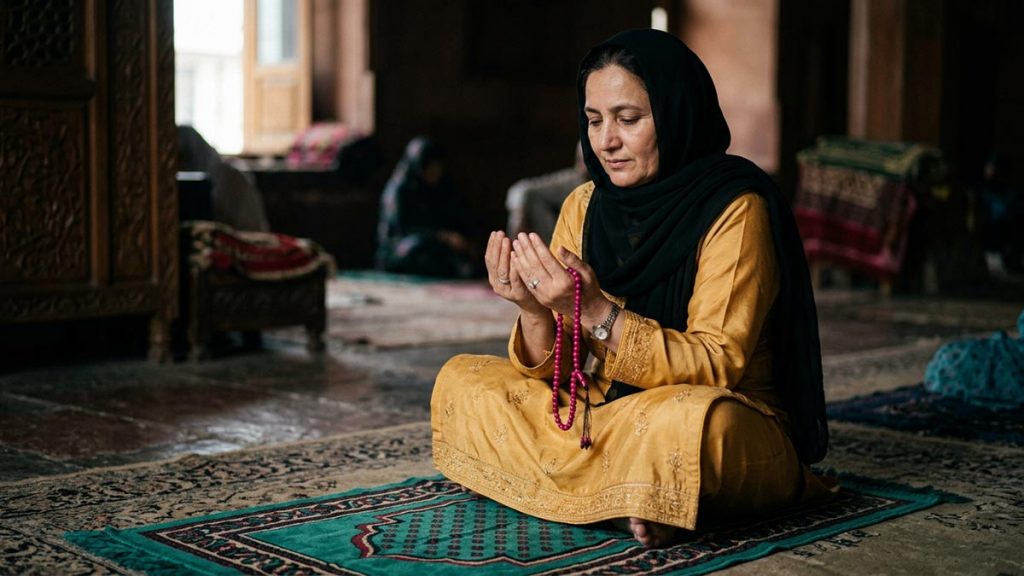
When the worshipper completes the prayer and gives the closing salam, the worship does not simply end. The Prophet Muhammad (pbuh) taught a series of beautiful remembrances, called adhkar, to recite after every prayer. They begin with seeking the forgiveness of Allah three times, then declaring Him as the source of all peace, and continue with glorification, praise and the declaration of His oneness. These adhkar after salah complete the prayer with remembrance and bring great reward.
اللَّهُمَّ أَنْتَ السَّلَامُ وَمِنْكَ السَّلَامُ، تَبَارَكْتَ يَا ذَا الْجَلَالِ وَالْإِكْرَامِ
Allāhumma antas-salāmu wa minkas-salām, tabārakta yā dhal-jalāli wal-ikrām.
“O Allah, You are Peace and from You comes peace. Blessed are You, O Possessor of Majesty and Honour.”
Reciting the dua after salah is a cherished Sunnah that keeps the heart connected to Allah after the formal prayer ends. Far from rushing away, the worshipper lingers a few moments in remembrance, glorifying and praising Allah and seeking His forgiveness. This guide explains the dua after salah and five Sunnah adhkar to recite, so that the worshipper may seal every prayer with the beautiful remembrances the Prophet (pbuh) taught.
The Remembrance After the Prayer
Immediately after giving the closing salam, the Prophet (pbuh) would seek the forgiveness of Allah three times, saying astaghfirullah, and then recite the dua quoted above, declaring that Allah is Peace and the source of all peace, blessed and full of majesty and honour. This beautiful beginning to the post-prayer remembrance acknowledges that having stood before Allah, the worshipper now seeks His forgiveness for any shortcoming and glorifies His perfection.
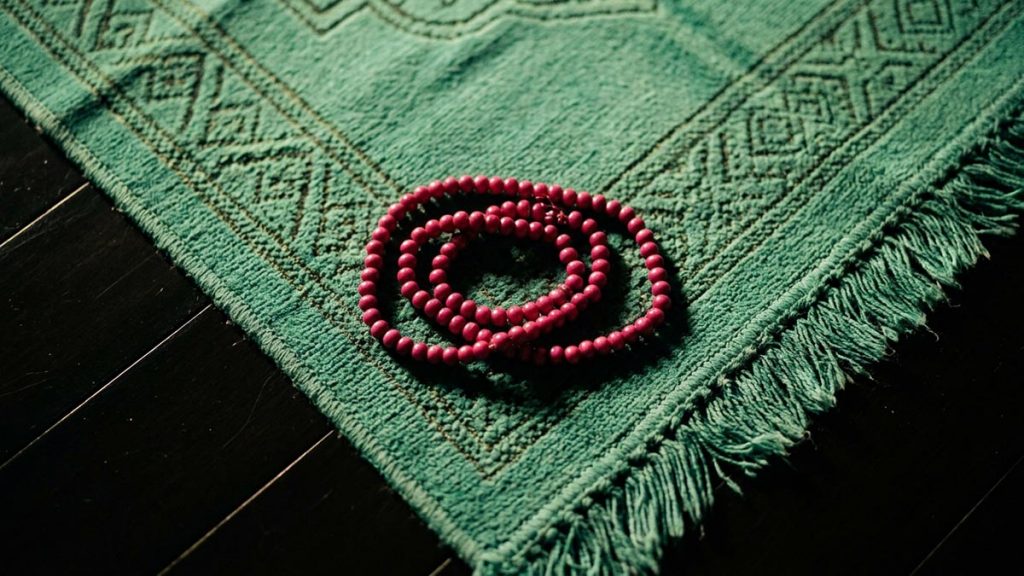
From here, the worshipper continues with the well-known adhkar: glorifying Allah, praising Him, and declaring His greatness, each a set number of times, followed by the declaration of His oneness. The Prophet (pbuh) taught that whoever recites these remembrances after every prayer will have their sins forgiven even if they are like the foam of the sea, showing the immense reward of these few moments of remembrance after salah. The worshipper who lingers in these adhkar carries the spirit of the prayer with them, keeping the heart turned to Allah even after the formal worship has ended.
Five Sunnah Adhkar to Recite After Prayer
The Prophet (pbuh) taught beautiful adhkar to recite after every prayer. These five are among the most beloved remembrances after salah.
- Seek forgiveness three times, saying astaghfirullah, then declare Allah as the source of peace.
- Glorify Allah thirty-three times with subhanallah, the remembrance of His perfection.
- Praise Allah thirty-three times with alhamdulillah, giving thanks for His countless blessings.
- Declare His greatness thirty-three times with Allahu akbar, then complete the hundred with the tahlil.
- Recite Ayat al-Kursi, which the Prophet (pbuh) said leads to Paradise when recited after each prayer.
Whoever recites Ayat al-Kursi after each prayer enters Paradise
Sealing Every Prayer with Remembrance
The dua after salah and the Sunnah adhkar transform the end of the prayer into a continued moment of worship. By seeking forgiveness, declaring Allah as Peace, glorifying and praising Him, and reciting Ayat al-Kursi, the worshipper seals every prayer with remembrance that brings forgiveness and draws near to Allah. Rather than hurrying away, the believer lingers in these beautiful adhkar, completing the prayer the way the Prophet (pbuh) taught and reaping their abundant reward.
This remembrance follows the Tashahhud dua and Durood Ibrahim that complete the prayer itself. Together they help the worshipper fill the prayer and its aftermath with testimony, blessings and remembrance of Allah.
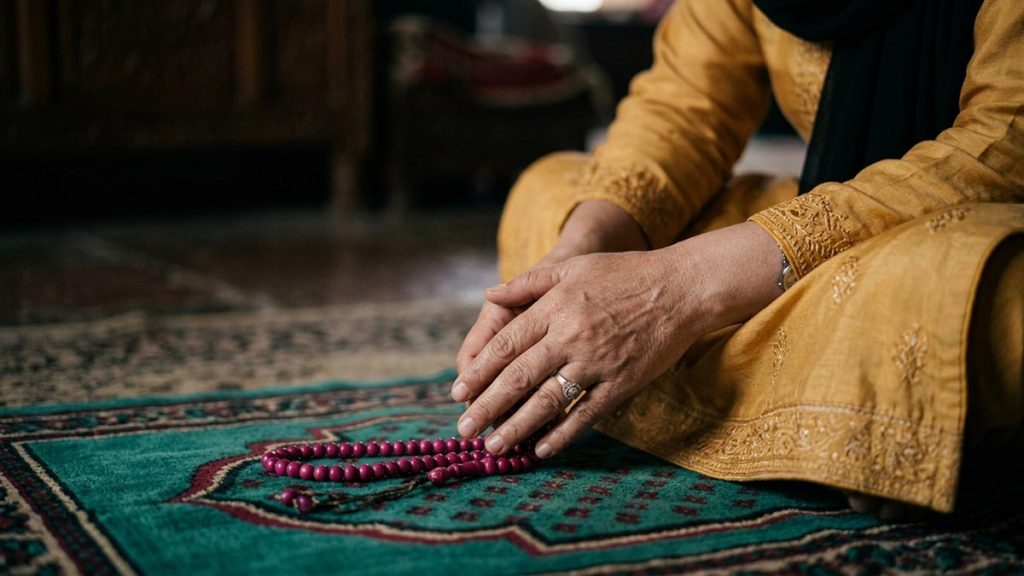
The Prophet (pbuh) taught that the adhkar after every prayer can have sins forgiven even if they are like the foam of the sea. Learn the duas of salah with us on YouTube, where the supplications are recited aloud, on Threads for a reminder to recite the adhkar after salah, and on LinkedIn where readers share how they complete their prayer.
Frequently Asked Questions
The dua after salah begins with seeking forgiveness three times, then declaring Allahumma antas-salamu wa minkas-salam, O Allah You are Peace and from You comes peace. The Prophet (pbuh) recited it immediately after the closing salam.
After the prayer, the worshipper seeks forgiveness, declares Allah as Peace, and glorifies, praises and declares the greatness of Allah, each thirty-three times, followed by the declaration of His oneness. Ayat al-Kursi is also recited.
The Prophet (pbuh) taught that whoever recites these remembrances after every prayer will have their sins forgiven even if they are like the foam of the sea. They bring great reward in a few moments.
Yes, the Prophet (pbuh) said that whoever recites Ayat al-Kursi after each obligatory prayer, nothing stands between them and Paradise except death. It is a beloved Sunnah after salah.
The worshipper says subhanallah, alhamdulillah and Allahu akbar each thirty-three times, completing one hundred with the declaration of the oneness of Allah. This is the well-known tasbih after prayer.
No, these adhkar are recommended Sunnah with great reward, but the prayer is complete without them. Reciting them follows the practice of the Prophet (pbuh) and brings forgiveness and nearness to Allah.