
Dua for Istisqa Prayer
3 Things to Know About Praying for Rain
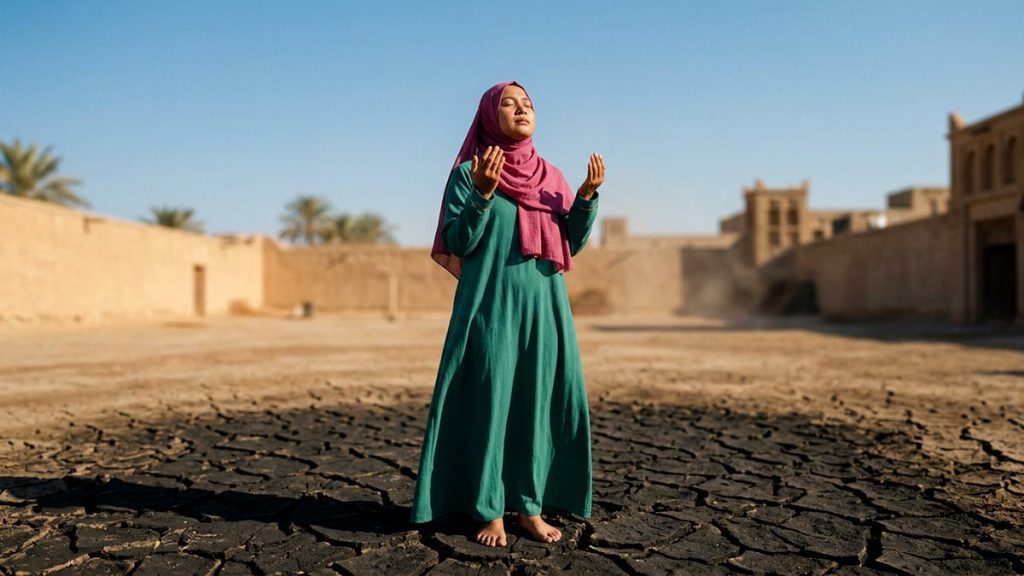
When the land suffers from drought and the rains are withheld, the believers turn to Allah, the Provider of all sustenance, through the Istisqa prayer, the prayer for seeking rain. The Prophet Muhammad (pbuh) would lead the people out to pray and humbly beseech Allah to send down rain that is wholesome, beneficial and not harmful. The Dua for Istisqa Prayer is this earnest plea, asking Allah to relieve the drought and bless the land with His mercy.
اللَّهُمَّ أَسْقِنَا غَيْثًا مُغِيثًا هَنِيئًا مَرِيئًا نَافِعًا غَيْرَ ضَارٍّ
Allāhumma asqinā ghaythan mughīthan hanī’an marī’an nāfi‘an ghayra dārr.
“O Allah, give us rain that is relieving, wholesome, pleasant, beneficial and not harmful.”
The Istisqa prayer is a beautiful expression of dependence on Allah, recognising that rain and provision come from Him alone. In times of need, the community gathers in humility, seeking His forgiveness and asking for His mercy in the form of rain. This guide explains the Dua for Istisqa Prayer and three things to know about praying for rain, so that the believer may turn to Allah in times of drought with humility, hope and trust in His provision.
Asking Allah to Send Rain
When drought struck and the people needed rain, the Prophet (pbuh) would turn to Allah with beautiful supplications, including the words quoted above: O Allah, give us rain that is relieving, wholesome, pleasant, beneficial and not harmful. Each description is meaningful, asking not just for any rain, but for rain that relieves the drought, that is wholesome and pleasant, that benefits the land and people, and that causes no harm through flooding or destruction.
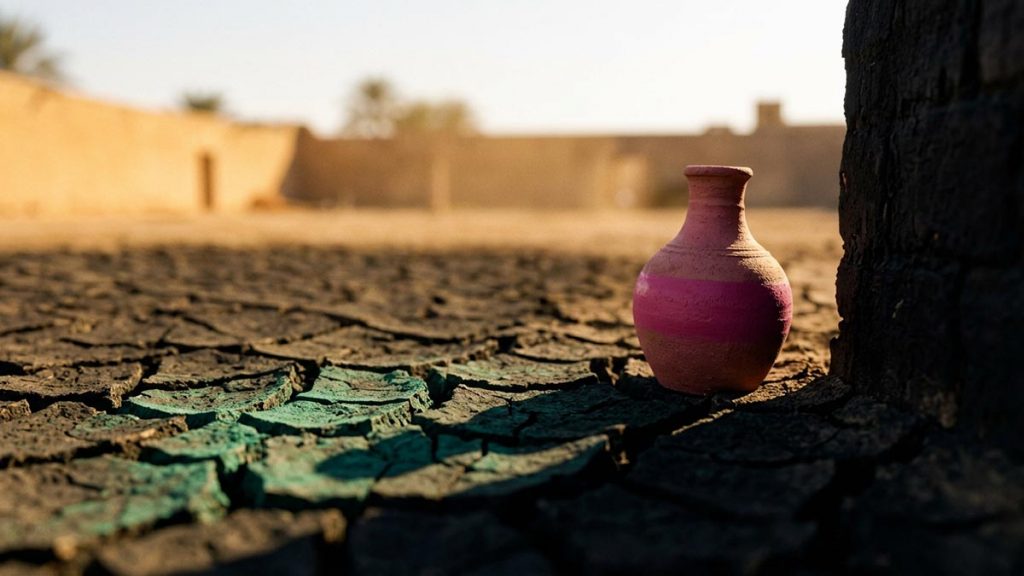
This careful supplication teaches the believer to ask Allah for good in its complete form. The believer does not simply ask for rain, but for beneficial rain that brings mercy without harm, showing wisdom in supplication. The Istisqa prayer recognises that Allah alone controls the rain and provision, and that turning to Him in humility is the believer response to drought, trusting that He hears the plea of His servants and responds with His mercy.
Three Things to Know About Praying for Rain
The Istisqa prayer is a beautiful turning to Allah in times of need. These three things help the believer understand praying for rain.
- It is a prayer for rain, led when drought strikes, asking Allah to send beneficial and wholesome rain.
- It is joined with seeking forgiveness, for the Quran links sending rain with turning to Allah in repentance.
- It expresses dependence on Allah, recognising that rain and provision come from Him alone.
اسْتَغْفِرُوا رَبَّكُمْ إِنَّهُ كَانَ غَفَّارًا يُرْسِلِ السَّمَاءَ عَلَيْكُمْ مِدْرَارًا
Istaghfiru Rabbakum innahu kana ghaffara yursilis-sama’a ‘alaykum midrara
Seek the forgiveness of your Lord He will send abundant rain
Turning to Allah in Times of Drought
The Dua for Istisqa Prayer turns to Allah in times of drought, asking Him to send rain that is wholesome, beneficial and not harmful. By praying for rain as the Prophet (pbuh) did, joining the plea with seeking forgiveness, and recognising that provision comes from Allah alone, the believer responds to drought with humility and hope. The Istisqa prayer is a beautiful expression of trust in Allah, who controls the rain and answers the earnest plea of His servants with His mercy. When the rain finally falls after the drought, the believer sees in it the mercy of Allah descending, a living reminder that He alone sustains the heavens and the earth and that no door is ever closed to the one who turns to Him in true need.
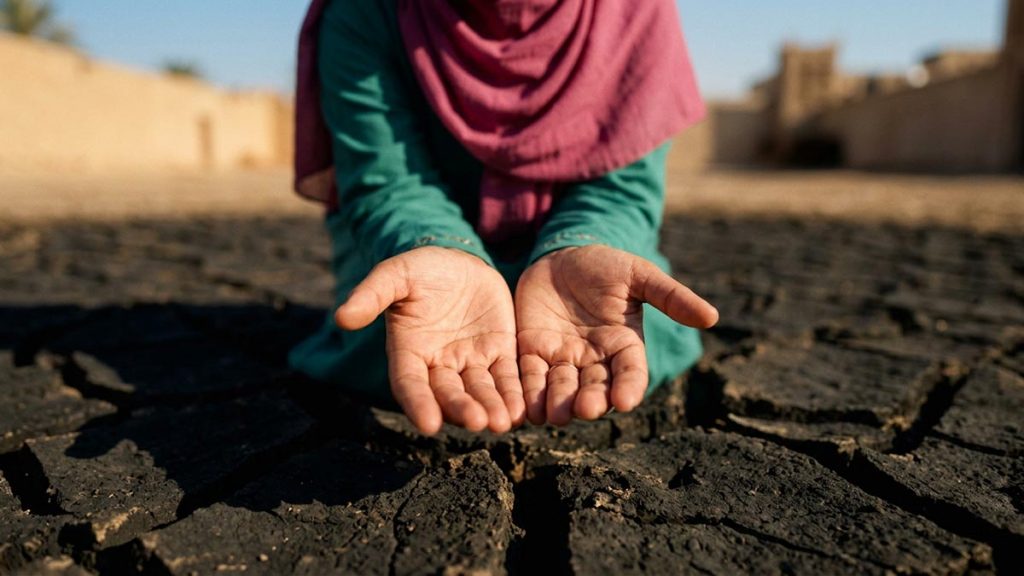
This supplication pairs naturally with the dua for the Eclipse prayer and the dua for rizq. Together they help the believer turn to Allah for His provision and mercy in times of need.
In times of drought, the believers gather to pray the Istisqa prayer, asking Allah to send beneficial rain. Learn the duas of salah with us on YouTube, where the supplications are recited aloud, on TikTok for a reminder to turn to Allah for rain and provision, and on Pinterest where readers share how they trust in His mercy.
Frequently Asked Questions
The Dua for Istisqa Prayer asks Allah to send beneficial rain, such as Allahumma asqina ghaythan mughithan, O Allah give us rain that is relieving, wholesome, pleasant, beneficial and not harmful. The Prophet (pbuh) supplicated this in times of drought.
The Istisqa prayer is the prayer for seeking rain, led when the land suffers from drought. The Prophet (pbuh) would take the people out to pray and humbly beseech Allah to send down rain.
Because the believer asks Allah for good in its complete form, seeking rain that relieves the drought and benefits the land without causing harm through flooding or destruction. It shows wisdom in supplication.
Yes, the Quran links the sending of rain with turning to Allah in repentance and seeking His forgiveness. The Istisqa prayer joins the plea for rain with seeking the forgiveness of Allah.
It teaches dependence on Allah, recognising that rain and provision come from Him alone. In times of need, the community turns to Allah in humility, trusting that He answers the plea of His servants with mercy.
The Istisqa prayer is led in an open area, with two units of prayer followed by a sermon and earnest supplication for rain. The Prophet (pbuh) would raise his hands high and humbly beseech Allah, gathering the community in humility.