
Takbir of Eid: Proclaiming the Greatness of Allah
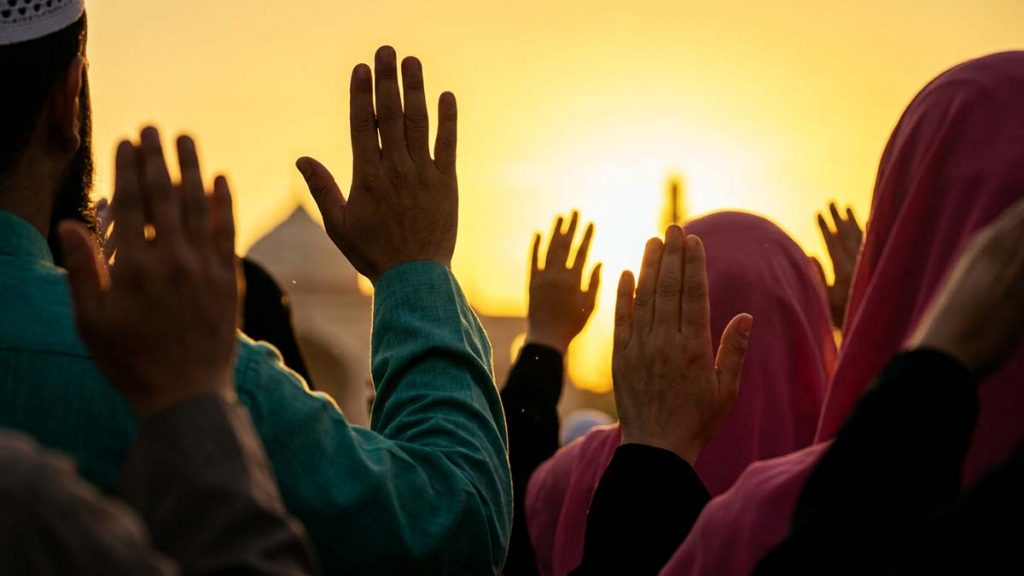
The Takbir of Eid is the joyful sound of the festival, the chant of Allahu Akbar that fills homes, streets, and mosques as the celebration begins. More than a tradition, it is a Sunnah of remembrance, a way of thanking Allah for His guidance and proclaiming His greatness above all things. Whether whispered on the way to prayer or called out together in a great congregation, these few words carry deep meaning and connect millions of believers in a single act of praise. In this guide we explore what it is, its words, when to recite it, and why this beautiful Sunnah matters so much.
The Quran instructs the believers to remember Allah and magnify Him for the guidance He has given, the very purpose of the festival chant.
وَٱذۡكُرُواْ ٱللَّهَ فِيٓ أَيَّامٖ مَّعۡدُودَٰتٖ
“And remember Allah during the appointed days.”
What Is the Takbir of Eid?
The Takbir of Eid is the act of proclaiming the greatness of Allah by repeating the words Allahu Akbar, along with phrases of praise, during the days of the two festivals. It is a Sunnah of remembrance that turns the joy of Eid al-Fitr and Eid al-Adha into an act of worship, reminding the believer that all celebration begins with thanking the Creator.
The chant is recited aloud by men and quietly by women, in homes, markets, and on the way to the Eid prayer. Rising from countless voices at once, it creates a powerful atmosphere of devotion and unity that is one of the most beautiful features of the festival days.
6 Beautiful Reasons the Takbir of Eid Matters
This simple chant carries far more weight than many realise. Here are six beautiful reasons the festival takbir matters:
- It fulfils a Sunnah the Prophet (pbuh) and his companions practised openly.
- It expresses gratitude to Allah for guiding the believer to worship.
- It proclaims His greatness above every worldly joy and distraction.
- It unites the community in a shared act of praise across the world.
- It fills the festival with remembrance rather than heedless celebration.
- It earns reward, as the remembrance of Allah is among the best of deeds.
The Festival Takbir in the Quran and Sunnah
The command to magnify Allah on these days is rooted in the Quran. In Surah Al-Baqarah, Allah tells the believers to remember Him through the appointed days, and elsewhere to glorify Him for the guidance given. The companions would raise their voices in takbir on the festival, and the practice has continued in every generation since.
Remember Allah through the appointed days and magnify Him for the guidance He has given
The Words of the Takbir
The takbir is made up of simple, beautiful phrases proclaiming that Allah is the Greatest, that there is no god but Allah, and that to Him belongs all praise. While the exact wording varies slightly between regions and schools, every version centres on the same heart: magnifying Allah and thanking Him. Reciting the Takbir of Eid with understanding turns repetition into heartfelt worship.
When to Recite It
For Eid al-Fitr, the takbir begins on the night before the festival and continues until the prayer. For Eid al-Adha, it is recited more widely, from the dawn of the Day of Arafah through the days of Dhul Hijjah that follow, after each obligatory prayer. Knowing the timing helps the believer fill these blessed days with the remembrance of Allah.
Why We Magnify Allah on These Days
There is deep wisdom in beginning a celebration with praise. After a month of fasting, or after the great worship of Hajj, the believer might be tempted to take pride in their own effort. The takbir redirects the heart, declaring that all greatness belongs to Allah alone and that every success is a gift from Him. It keeps joy humble and gratitude sincere.
Across the festival days countless voices proclaim Allahu Akbar together in homes and mosques and on the way to the prayer
The Takbir on the Way to Prayer
One of the most cherished moments is the walk to the prayer ground, when families recite the takbir aloud and the streets ring with praise. The Prophet (pbuh) is reported to have proclaimed it on his way to the festival prayer, and following this Sunnah turns an ordinary journey into a procession of worship, building anticipation for the gathering ahead.
Reciting It Together as a Community
While it can be said alone, the takbir is most powerful when voices join together. In mosques and prayer grounds, the rolling waves of Allahu Akbar create a profound sense of belonging to one ummah. This shared remembrance reminds every believer that they are part of something far greater than themselves.
Common Mistakes to Avoid
To keep this Sunnah meaningful, watch out for these pitfalls:
- Forgetting the takbir entirely amid the busyness of the day.
- Reciting it absent-mindedly without reflecting on the words.
- Limiting it to the mosque rather than the home and the journey there.
- Missing the wider timing of the takbir on the days of Dhul Hijjah.
- Turning it into noise rather than sincere, dignified remembrance.
Teaching the Takbir to Children
The festival chant is a wonderful way to involve children in worship. Teaching them the words, letting them recite along on the way to the prayer, and explaining the meaning of Allahu Akbar plants a love of remembrance early. These joyful memories of proclaiming Allah’s greatness often stay with a person for life and link the festival to faith in their hearts.
A Sound That Unites the Believers
There is something deeply moving about hearing the takbir rise from every direction on the morning of the festival. From homes and balconies, from cars on the way to the prayer, and from the great gathering itself, the words Allahu Akbar echo as one. This shared chant dissolves the differences between people, joining rich and poor, young and old, in a single voice of praise to their Creator.
For many believers, the Takbir of Eid is the very signature of the festival, instantly recalling childhood mornings and the warmth of community. It is a reminder that the joy of the day belongs to the whole community united in faith, proclaiming together that Allah alone is the Greatest.
From every home and street the believers proclaim that Allah is the Greatest a single chant of praise rising across the festival morning
The Takbir After Every Prayer
During the days of Eid al-Adha, the takbir takes on an even wider role. From the dawn of the Day of Arafah until the final day of the festival, the believers proclaim it aloud after each of the five obligatory prayers. This fills the most blessed days of the year with constant remembrance and links the worshipper at home to the pilgrims completing their rites.
Keeping this Sunnah alive after every prayer transforms ordinary moments into acts of devotion and ensures that the greatness of Allah is on the believer’s tongue throughout the sacred days.
Remembrance as the Heart of Celebration
At its core, the festival takbir teaches that true celebration is wrapped in the remembrance of Allah. Where the world often marks its joys in heedless ways, the believer marks the festival by magnifying the One who gave the blessing. The chant keeps the heart anchored, ensuring that happiness flows into gratitude rather than forgetfulness.
This is the genius of the Sunnah: it does not deny joy but elevates it, turning a day of feasting and family into a day of worship that draws the believer closer to Allah.
Keeping the Takbir on Our Tongues
The festival days pass quickly, and it is easy to let the takbir fade amid the meals, visits, and busyness of celebration. Yet keeping it on the tongue throughout the days is what fills them with blessing. Whether walking, driving, cooking, or resting, the believer can quietly proclaim the greatness of Allah and keep the heart connected to Him through every part of the day.
This constant remembrance is the very soul of the festival. By weaving the takbir into the ordinary moments of the day, the believer ensures that the celebration never drifts into heedlessness but remains, from start to finish, an act of worship and gratitude to the Creator.
The remembrance of Allah is the greatest of all acts of worship so keep your tongue moist with His praise through the festival days
Lessons the Takbir of Eid Teaches Us
The festival takbir teaches the believer that joy and worship are inseparable, that all greatness belongs to Allah, and that gratitude should be loud and proud on the days He has blessed. It is a beautiful reminder to fill our celebrations with His remembrance and to magnify the One who gives every reward and every joy.
Love the sound of the festival mornings? It’s About Islam shares short, beautiful reminders on the takbir, Eid, and the remembrance of Allah you can share. Find us on YouTube, Instagram and LinkedIn.
Frequently Asked Questions About the Takbir of Eid
The Takbir of Eid is the proclamation of Allah’s greatness, repeating Allahu Akbar and phrases of praise during the festival days. It is a Sunnah of remembrance and gratitude.
The takbir centres on declaring that Allah is the Greatest, that there is no god but Allah, and that all praise belongs to Him, with slight variations in wording between regions.
For Eid al-Fitr, from the night before until the prayer. For Eid al-Adha, from the dawn of the Day of Arafah through the following days, after each obligatory prayer.
It thanks Allah for His guidance, proclaims His greatness above worldly joy, fulfils a Sunnah, and unites the community in a shared act of remembrance.
Men traditionally recite it aloud in homes, streets, and mosques, while women recite it quietly. Together it creates a powerful atmosphere of worship on the festival days.
Yes, and teaching them the words and meaning is a beautiful way to involve them in worship and build joyful memories tied to their faith.
Filling the Festival with Praise
The Takbir of Eid turns the joy of the festival into worship, proclaiming the greatness of Allah and thanking Him for His guidance. By reciting it in the home, on the way to prayer, and together as a community, the believer keeps the celebration humble and the heart full of gratitude. May Allah accept your remembrance and bless your festival with His mercy.