
What Does Rahimahullah Mean?
Rahimahullah is a prayer Muslims say after the name of a righteous person who has passed away — a scholar, a teacher, a parent, an imam of old. It means “may Allah have mercy on him,” and it keeps a believer’s love and hope alive for the dead. But what does the phrase mean, and when is it said? This guide explains.
A Prayer of Mercy for the Departed
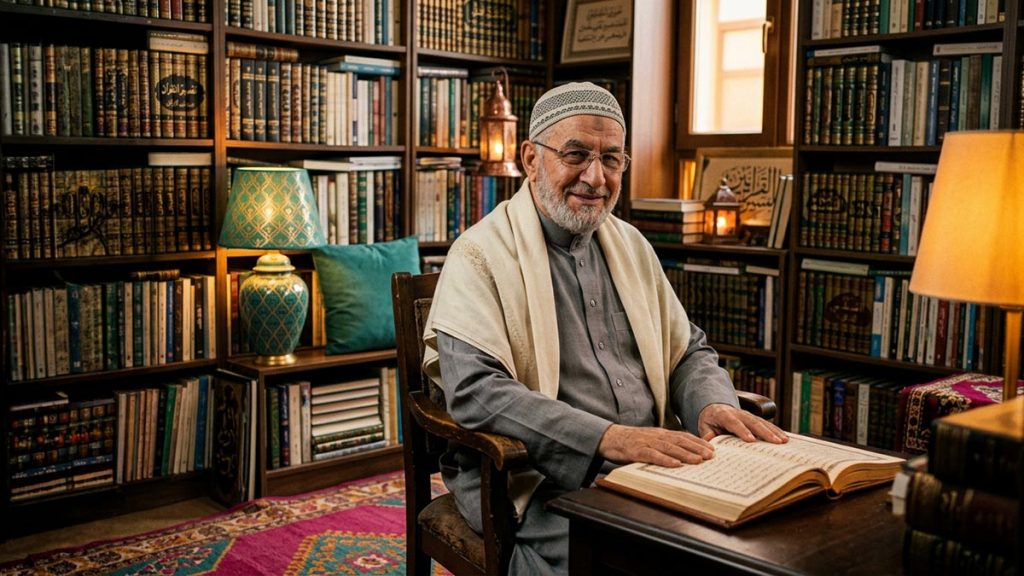
At its simplest, Rahimahullah (رَحِمَهُ اللَّه) means “may Allah have mercy on him.” It is said after the name of a Muslim who has died, especially a scholar or a righteous person, asking Allah to shower His mercy upon them in the next life.
It is a small but tender prayer. When a believer remembers someone who has passed, these words turn the memory into a gift — asking the Most Merciful to forgive them and raise them, at a moment when they can no longer pray for themselves.
When they can no longer pray for themselves, the living ask mercy for the dead — a gift beyond price.
Breaking Down Rahimahullah
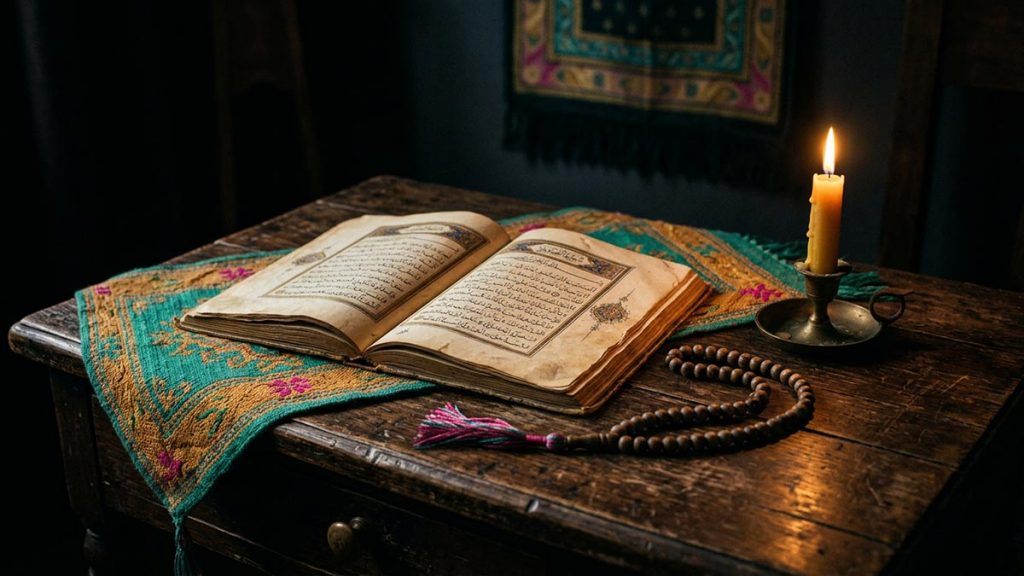
To feel the full weight of the phrase, it helps to unpack it word by word:
- Rahima — رَحِمَ — “may He have mercy,” from rahmah, the vast, tender mercy of Allah. For a woman it becomes rahimaha.
- Allah — اللَّه — “Allah,” Ar-Raheem, the source of all mercy, the One being asked.
Together the words ask Allah’s mercy upon someone who has died — a prayer that reaches beyond the grave, drawn from the boundless Allah’s Mercy the Quran describes.
Rahima means may He have mercy, Allah is Ar-Raheem, the source of all mercy.
A Gift the Living Give the Dead
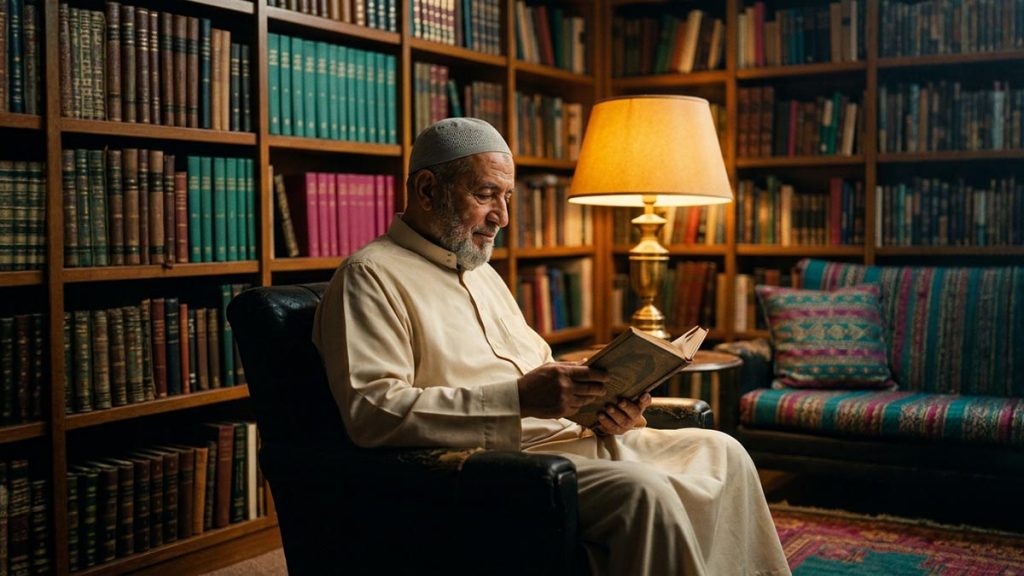
The phrase rests on a beautiful teaching: that the dead are helped by the prayers of the living. When a believer says rahimahullah, they send a gift no wealth could buy — a plea to Al-Ghafur, the Forgiving, on behalf of one who has moved on.
It is offered above all to those who left the world better than they found it: scholars who preserved knowledge, teachers who guided others, and righteous ancestors. In remembering them with mercy, a believer honours their legacy and hopes to be remembered the same way, much as Islam frames the Janaza and the care owed to the dead.
The dead are helped by the prayers of the living — so this prayer reaches beyond the grave.
When Do Muslims Say Rahimahullah?
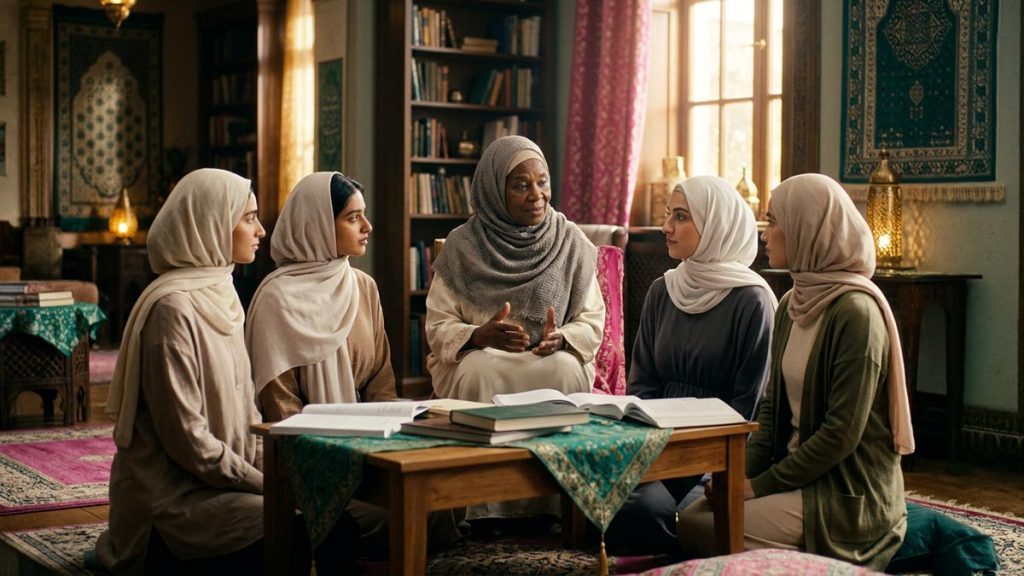
The phrase is said after the name of a deceased Muslim who was known for goodness — a great imam, a scholar, a pious teacher, or a beloved parent or elder who has passed away.
It is used in its forms to fit the one named: rahimahullah for a man, rahimahallah for a woman, and rahimahumullah for a group. Note that Companions of the Prophet (pbuh) are honoured instead with “may Allah be pleased with them”; this prayer of mercy is for the righteous who came after.
Said for scholars, teachers, *and beloved parents who have passed*.
5 Beloved People Muslims Remember with Rahimahullah
The prayer honours the righteous dead. Here are five kinds of people it is said of:
- The great imams. Scholars such as Abu Hanifa, Malik, al-Shafi’i, and Ahmad, whose education still guides millions.
- Scholars and teachers. Those who preserved and passed on the faith are remembered with a prayer for mercy.
- Righteous ancestors. The pious of earlier generations, whose example lit the way for those after them.
- Parents and elders. A believer says it for a mother, father, or elder who has passed, joining love with hope.
- Any departed believer. Anyone known for goodness who has died may be remembered with this tender Allah’s mercy/.
Each of them, whenever named, is met with a prayer for Allah’s mercy — a gift the living can still give the dead.
Remember them with mercy and hope to be remembered the very same way.
Rahimahullah and Related Honorifics

It is the honorific for the righteous dead, paired with Hafizahullah, “may Allah protect him,” which is said for someone still living. One asks mercy after death, the other protection in life.
For the Companions of the Prophet (pbuh) specifically, Muslims say Radiyallahu Anhu, “may Allah be pleased with him,” rather than this prayer of mercy.
Why This Prayer Matters
It is easy to speak of someone who has died and feel there is nothing left to do. Rahimahullah answers that helplessness, giving the living a way to keep loving the dead — through prayer.
In doing so it binds the generations of Islam together. To ask Allah’s mercy on those who came before is to honour their gift to us, and to hope that, when our turn comes, other believers will remember us with the very same words.
If this deepened your love for the words you already say every day, come and learn with us. Follow It’s About Islam on YouTube, Instagram and Threads for daily reminders, Quran reflections and the beautiful meanings behind the phrases every Muslim knows by heart.
It means “may Allah have mercy on him.” Muslims say it after the name of a righteous person who has passed away, asking Allah to shower His mercy upon them.
For deceased Muslims known for goodness — great imams and scholars, pious teachers, righteous ancestors, and beloved parents or elders who have died.
Rahimahullah, a prayer for mercy, is said for righteous people who came after the Companions. The Companions of the Prophet (pbuh) are honoured instead with Radiyallahu Anhu, “may Allah be pleased with him.”
For a woman it becomes rahimahallah, and for a group rahimahumullah. Each directs the same prayer of mercy to the one named.
The exact phrase is a supplication from Muslim practice rather than a verse, but it draws on the Quran’s constant theme of Allah’s boundless mercy and forgiveness.