
What Does Sallallahu Alayhi wa Sallam Mean?
Sallallahu Alayhi wa Sallam is the honorific Muslims add after the name of the Prophet Muhammad (pbuh) — a prayer that Allah send His blessings and peace upon him. It is the fuller form of the words often written simply as (pbuh). But what does this phrase actually mean, where does it come from, and why do believers never let his name pass without it? This guide explains.
Blessings and Peace Upon the Prophet
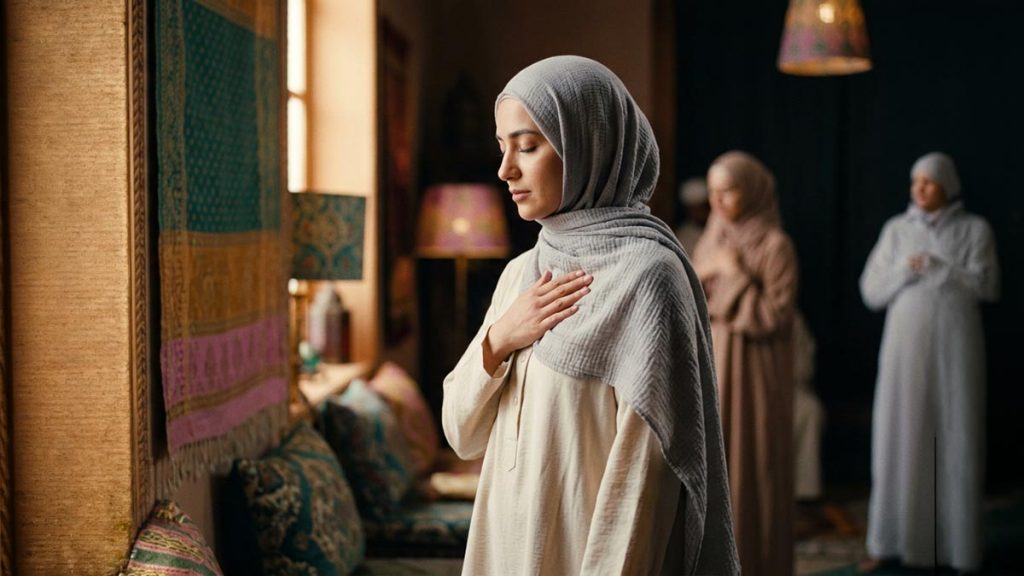
At its simplest, Sallallahu Alayhi wa Sallam (صَلَّى اللَّهُ عَلَيْهِ وَسَلَّم) means “may Allah send blessings and peace upon him.” It is said after the name of the Prophet Muhammad (pbuh), asking Allah to honour him, raise his rank, and grant him peace.
It is a prayer of love and gratitude. Through the Prophet (pbuh) the message of Islam reached the world, and this honorific is how a Muslim returns a little of that light — refusing to name him without a blessing rising to the lips.
The believer does not bless by their own power but asks Allah to honour and grant peace to His Messenger.
Breaking Down Sallallahu Alayhi wa Sallam
To feel the full weight of the phrase, it helps to unpack it word by word:
- Salla — صَلَّى — “sent blessings” or “bestowed honour and mercy,” Allah’s praise of His servant.
- Allahu — اللَّهُ — “Allah,” the One asked to send the blessing.
- Alayhi — عَلَيْهِ — “upon him,” directing the blessing to the Prophet (pbuh).
- wa Sallam — وَسَلَّم — “and grant peace,” adding a prayer of peace and safety alongside the blessing.
Together the words ask Allah to pour both blessing and peace upon the Prophet (pbuh) — the Prophet whose name a believer honours every time it is spoken.
Salla Allahu alayhi means Allah’s blessing upon him, wa sallam adds a prayer of peace.
A Command from the Quran
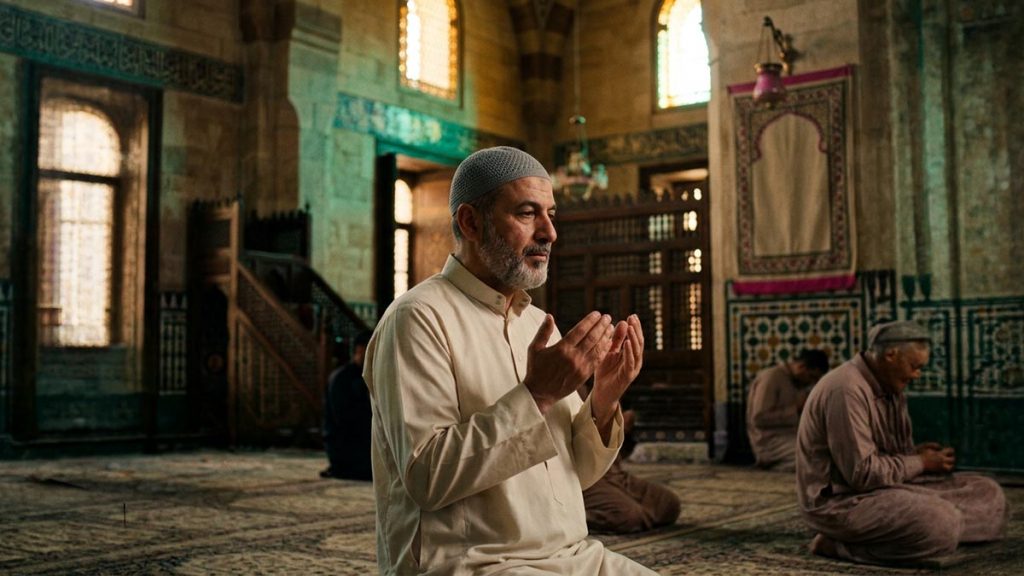
This honorific is not merely a custom; it answers a direct instruction. In Surah Al-Ahzab, Allah tells the believers that He and His angels send blessings upon the Prophet (pbuh), and asks those who believe to send blessings upon him too.
So when a Muslim says these words, they join something vast — the praise that Allah and the angels already give His Messenger. It is why his name is never left bare, and why the Surah Muhammad honoured in the Quran is met with love in every mention.
In the Quran, Allah and His angels send blessings upon the Prophet and ask believers to do the same.
When Do Muslims Say Sallallahu Alayhi wa Sallam?
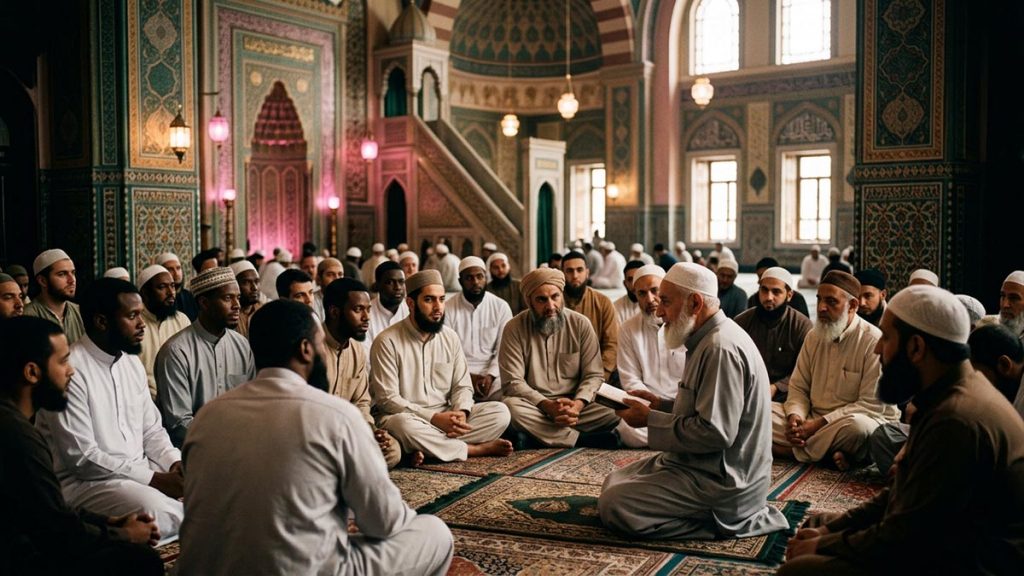
The phrase is said after every mention of the Prophet Muhammad (pbuh) — in speech, in writing, in lessons, and in sermons. It is reserved for him; other prophets are honoured with “upon him be peace.”
In English it is often shortened to (pbuh), “peace be upon him,” or written as (saw), but the full Arabic blessing carries both peace and Allah’s blessing together. Whenever his blessed name is heard, this is the honour sent upon him.
He taught that for every blessing you send, Allah sends ten upon you in return.
5 Beautiful Rewards of Sending This Blessing
The Prophet (pbuh) promised beautiful things to those who send blessings on him. Among them:
- Allah’s blessings in return. He taught that whoever sends blessings on him once, Allah sends blessings on that person ten times over.
- Sins forgiven and ranks raised. Sending this blessing is a means by which faults are wiped away and a believer’s standing is lifted.
- Nearness to the Prophet (pbuh). Those who send the most blessings on him are promised to be closest to him on the Day of Judgment.
- Prayers answered. Beginning a du’a with blessings on the Prophet (pbuh) helps the whole supplication find acceptance, opening the door to reward.
- A heart at peace. Filling quiet moments with this blessing brings calm and turns idle time into worship.
For so few words, this honorific carries an extraordinary weight of blessing — which is why believers say it again and again.
Kept for Muhammad (pbuh) alone, while other prophets receive upon him be peace.
Sallallahu Alayhi wa Sallam and Related Phrases

It is the full form of the supplication Allahumma Salli Ala Muhammad, “O Allah, send blessings upon Muhammad” — one a constant honorific after his name, the other a fuller prayer addressed directly to Allah.
Other prophets and the angels receive Alayhis Salam, “upon him be peace,” while this fuller blessing of peace and mercy is kept for the Prophet Muhammad (pbuh) alone.
Why This Honorific Matters

Of all the phrases a Muslim says, few are loved as deeply as this one. It is pure gratitude — a prayer that asks nothing for the one saying it and everything for the Prophet (pbuh) who brought them their faith.
To keep it on the tongue is to keep the Prophet (pbuh) in the heart. It binds a believer to the Messenger they follow, joins them to the praise of the angels, and turns the smallest mention of his name into an act of love and worship.
If your love for the Prophet (pbuh) grew as you read this, come and learn with us. Follow It’s About Islam on YouTube, TikTok and Pinterest for daily reminders, Quran reflections and the beautiful meanings behind the phrases every Muslim knows by heart.
It means “may Allah send blessings and peace upon him.” Muslims say it after the name of the Prophet Muhammad (pbuh), asking Allah to honour him, raise his rank, and grant him peace.
They carry the same meaning. (pbuh), “peace be upon him,” is the common English short form; the full Arabic phrase adds Allah’s blessing alongside the peace.
The command is. In Surah Al-Ahzab (33:56), Allah says He and His angels send blessings upon the Prophet (pbuh) and asks believers to do the same. The exact wording is drawn from the Prophet’s (pbuh) own teaching.
For the Prophet Muhammad (pbuh) alone. Other prophets and the angels are honoured with alayhis salam, “upon him be peace.”
The Prophet (pbuh) taught that whoever sends blessings on him once, Allah sends blessings on them ten times, and that those who send the most will be nearest to him on the Day of Judgment.