
What Does Hafizahullah Mean?
Hafizahullah is a warm prayer Muslims say after the name of a living person they respect — a scholar, a teacher, a parent, a friend — asking Allah to protect and preserve them. It is a mark of love and honour offered to those still with us. But what does this phrase actually mean, and when is it said? This guide explains.
A Prayer to Keep Someone Safe
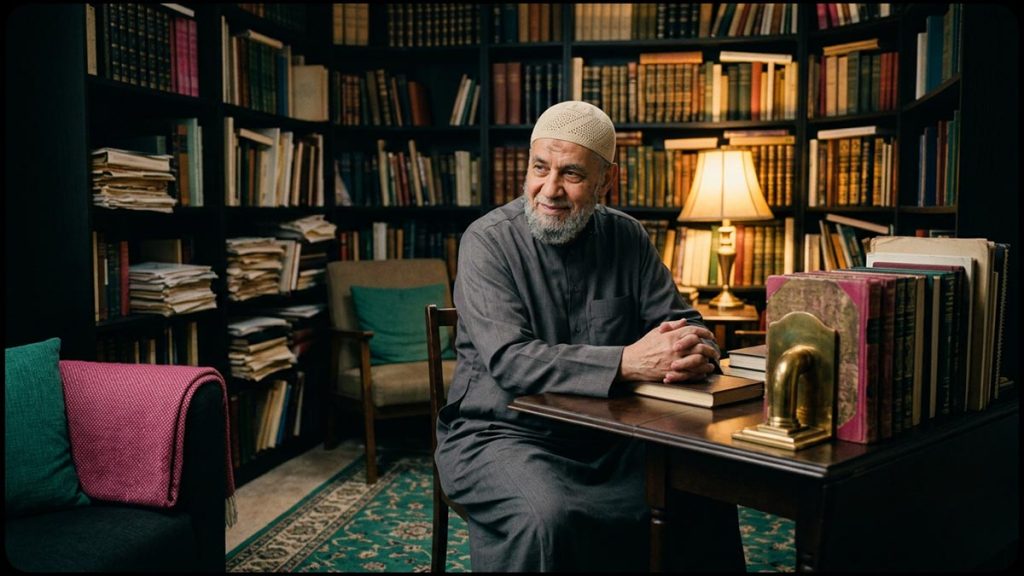
At its simplest, Hafizahullah (حَفِظَهُ اللَّه) means “may Allah protect him” or “may Allah preserve him.” It is said after the name of a living person a believer respects, asking Allah to guard them from harm and keep them well.
It is a small prayer of care. Where one might simply name a respected teacher or elder, a Muslim adds a blessing that asks Allah to watch over them — turning a mention into a heartfelt du’a for their safety.
More than a name, these words ask Allah to guard and keep someone we love.
Breaking Down Hafizahullah
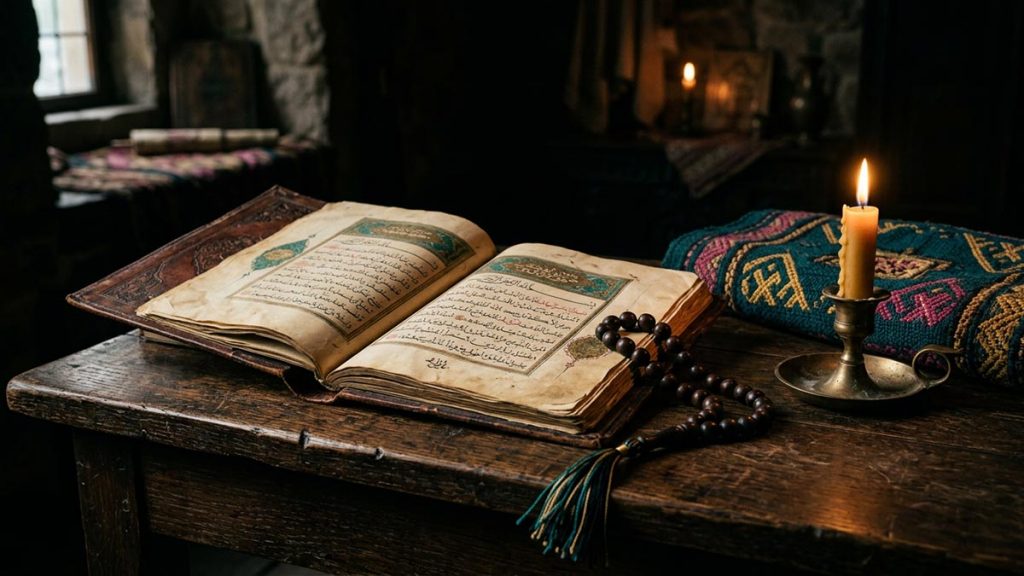
To feel the full weight of the phrase, it helps to unpack it word by word:
- Hafiza — حَفِظَ — “may He protect” or “preserve,” from a root meaning to guard, keep, and watch over. For a woman it becomes hafizaha.
- Allah — اللَّه — “Allah,” the One asked to give the protection.
Together the words place a respected, living person under Allah’s care — a prayer of protection that turns a name into a dua.
Hafiza means may He protect, Allah is the One who keeps us safe.
Placing a Loved One in Allah’s Care
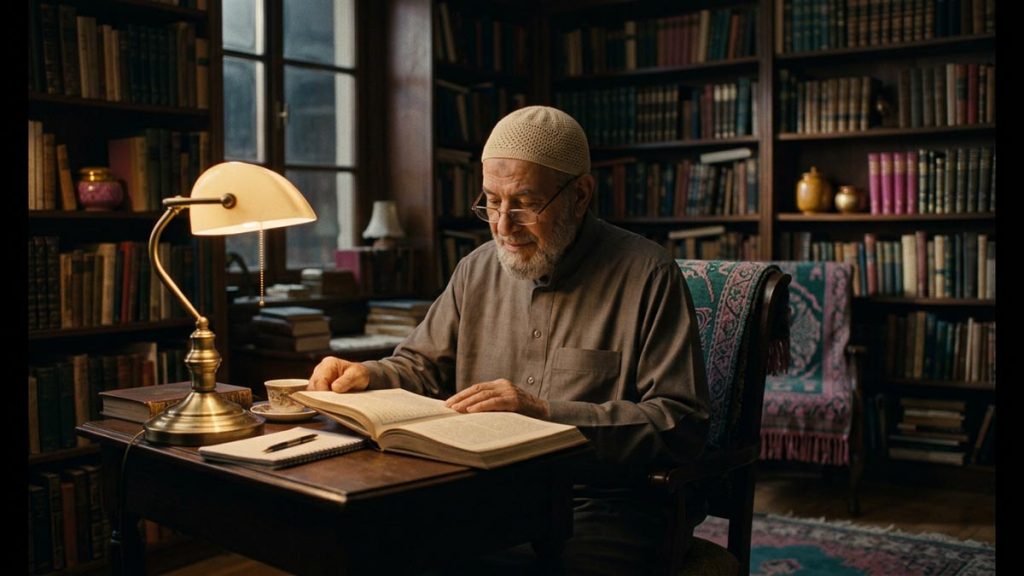
The phrase carries a quiet trust. To say hafizahullah is to admit that no one can truly guard another; only Allah, Al-Wali, the Protecting Friend, keeps His servants safe. So the believer hands their loved one over to Him.
This is why the phrase is offered especially to those who guide and serve the community — scholars, teachers, and elders — whose safety matters to many. It is a prayer of respect and gratitude at once, close in spirit to how Islam honours parents and those who teach.
No one can truly guard another; only Allah keeps His servants safe — so the believer asks Him.
When Do Muslims Say Hafizahullah?
The phrase belongs to the mention of a living, respected person. A believer adds it after the name of a scholar or teacher they learn from, an imam, a parent, an elder, or a dear friend, as a prayer for their wellbeing.
It is used in its forms to fit the one named — hafizahullah for a man, hafizahallah for a woman, hafizahumullah for a group. Wherever a Muslim speaks of someone they love and respect who is still living, this is the blessing that guards them.
Said for a scholar, a parent, *a teacher, or a dear friend*.
5 Beloved People Muslims Pray for with Hafizahullah
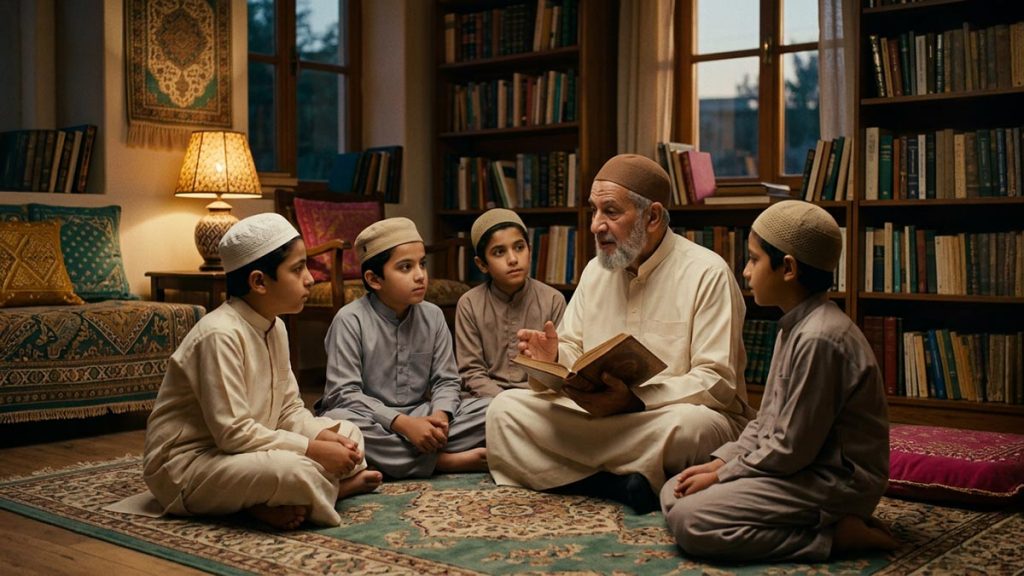
The phrase honours the living people a believer cares for. Here are five common ones:
- Scholars and teachers. Those who pass on education of the faith are prayed for so they may keep guiding others.
- Parents. A believer adds it after a living parent’s name, joining honour with a prayer for their safety.
- Imams and community leaders. Those who serve and lead a congregation are kept in the community’s prayers.
- Mentors and elders. Anyone whose wisdom a believer benefits from is honoured with a plea for their protection.
- Dear friends. A beloved friend still living may be named with this warm prayer of care.
In every case the phrase does the same gentle thing: it asks Allah to keep a cherished, living person safe.
To pray for their safety is to love them and to trust Allah with them.
Hafizahullah and Related Honorifics

It is the honorific for the living, paired with Rahimahullah, “may Allah have mercy on him,” which is said instead once a righteous person has passed away. One asks for protection in life, the other for mercy after death.
It also sits among the honorifics of respect like Radiyallahu Anhu, said for the Companions — all of them ways a believer honours those Allah has favoured.
Why This Prayer Matters

It is easy to name someone we admire and leave it there. Hafizahullah turns that respect into action, asking Allah to protect the very people whose knowledge and kindness a believer depends on.
In doing so it strengthens the bonds of a community. To pray for a teacher, parent, or friend’s safety is to love them well — and to remember that their wellbeing, like everything, rests in Allah’s hands alone.
If this deepened your love for the words you already say every day, come and learn with us. Follow It’s About Islam on YouTube, Facebook and X for daily reminders, Quran reflections and the beautiful meanings behind the phrases every Muslim knows by heart.
It means “may Allah protect him” or “may Allah preserve him.” Muslims say it after the name of a living, respected person, asking Allah to guard them from harm.
For living people a believer respects — scholars, teachers, parents, imams, elders, and dear friends. It is a prayer for their protection and wellbeing.
For a woman it becomes hafizahallah, and for a group hafizahumullah. Each directs the same prayer of protection to the one named.
Hafizahullah, “may Allah protect him,” is said for someone still living. Rahimahullah, “may Allah have mercy on him,” is said for someone who has passed away.
The exact phrase is a supplication from everyday Muslim practice rather than a Quranic verse, but the Quran often describes Allah as the best of protectors, which is exactly what the phrase asks Him to be.