
Dua After Wudu
Open the 8 Gates of Paradise

When the believer completes his wudu, a few words can transform that moment of purity into a key to Paradise itself. The dua after wudu is the testimony of faith, and the Prophet Muhammad (pbuh) promised that whoever says it after ablution will have all eight gates of Paradise opened for him, free to enter from whichever he wishes. Few supplications carry so great a reward for so little effort.
أَشْهَدُ أَنْ لَا إِلَهَ إِلَّا اللَّهُ وَحْدَهُ لَا شَرِيكَ لَهُ، وَأَشْهَدُ أَنَّ مُحَمَّدًا عَبْدُهُ وَرَسُولُهُ
Ashhadu an lā ilāha illā-llāhu wahdahu lā sharīka lah, wa ashhadu anna Muhammadan ‘abduhu wa rasūluh.
“I bear witness that there is no god but Allah alone, with no partner, and I bear witness that Muhammad is His servant and Messenger.”
This short guide gathers the dua after wudu and the meaning of its mighty promise, so that the believer never completes his ablution without sealing it with the words that open the gates of Paradise.
The Meaning of the Dua After Wudu
The dua after wudu is the shahadah, the testimony of faith, declaring that there is no god but Allah alone and that Muhammad (pbuh) is His servant and Messenger. Said at the completion of ablution, while the body is in a state of purity, it joins outward cleanliness with the inner purity of faith. The Prophet (pbuh) taught that whoever says it after perfecting his wudu will have the eight gates of Paradise opened for him.
Many of the scholars added a second line taught by the Prophet (pbuh), asking Allah to make the believer among those who turn to Him in repentance and among those who purify themselves, joining the cleansing of the body to the cleansing of the soul.
The Promise of the Eight Gates
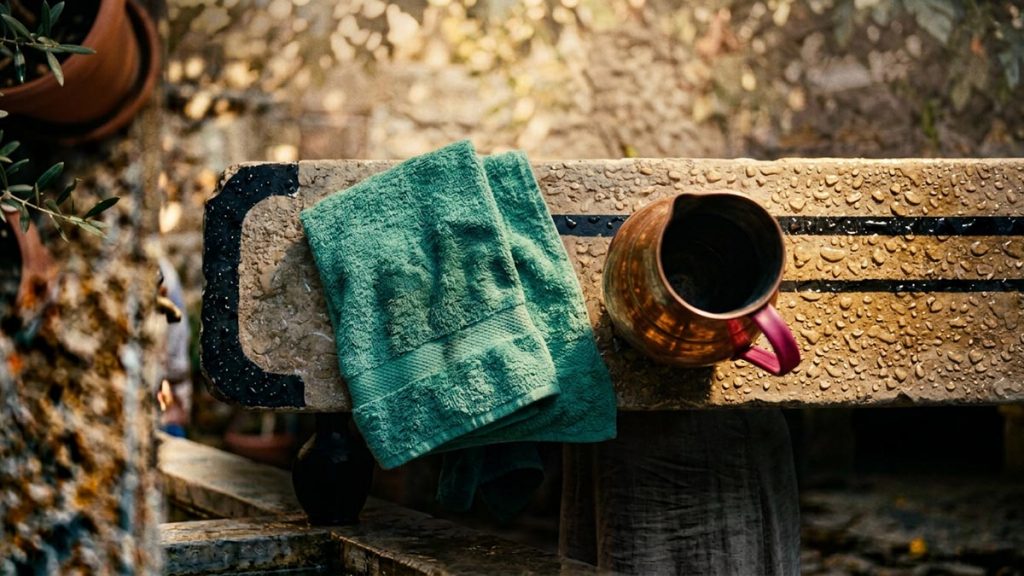
Paradise is described in the Sunnah as having eight gates, each one a doorway to its endless gardens. The Prophet (pbuh) promised that the believer who completes his wudu and says the testimony of faith will find all eight of these gates thrown open before him, free to enter through whichever he pleases. It is a stunning reward, tying the simple daily act of ablution to the ultimate hope of every believer.
This promise lifts wudu from a routine duty into a moment of immense opportunity, repeated several times each day. The one who pairs his ablution with these words plants the hope of Paradise at every prayer.
فُتِحَتْ لَهُ أَبْوَابُ الْجَنَّةِ الثَّمَانِيَةُ يَدْخُلُ مِنْ أَيِّهَا شَاءَ
Futihat lahu abwabul-jannatith-thamaniyatu yadkhulu min ayyiha sha’
The eight gates of Paradise are opened for him to enter as he wishes
Sealing Purity with Faith

Wudu cleanses the body, but the dua after wudu cleanses the heart by renewing the declaration of faith at the moment of purity. Together they prepare the believer perfectly to stand before Allah, pure in limb and firm in belief. The Prophet (pbuh) taught that wudu washes away minor sins from the limbs, and the testimony that follows raises the believer to the very threshold of Paradise.
This beautiful ending to the ablution pairs naturally with the dua before wudu that opens it in the name of Allah, so that the whole act is framed in remembrance. From the first Bismillah to the final testimony, wudu becomes a complete journey of purification, body and soul, under the care of Allah.
A few words after washing for prayer can open all eight gates of Paradise, and that is a promise worth sharing. Learn the daily duas with us on YouTube, where the supplications are recited aloud, on X for a reminder after you make wudu, and on Pinterest where readers share how they hold on to the small sunnahs of every day.
Frequently Asked Questions
The dua after wudu is the testimony of faith, bearing witness that there is no god but Allah alone with no partner, and that Muhammad (pbuh) is His servant and Messenger. The Prophet (pbuh) taught saying it on completing the ablution.
The Prophet (pbuh) promised that whoever completes his wudu and says the testimony of faith will have the eight gates of Paradise opened for him, free to enter from whichever he wishes. It is a great reward for a short supplication.
Yes, the Prophet (pbuh) also taught asking Allah to make you among those who repent and those who purify themselves. Many scholars recommend adding it after the testimony of faith to complete the supplication.
It is recommended to face the qiblah and raise the gaze to the sky while saying the testimony of faith after wudu, as some narrations mention, though the supplication is valid in any case. The key is to say it sincerely on completing the ablution.
Before wudu the believer says Bismillah, in the name of Allah, which the Prophet (pbuh) said brings blessing and completeness to the ablution. Beginning with His name and ending with the testimony frames the whole wudu in remembrance.