
Dua After Completing Hajj
5 Things to Know About Returning
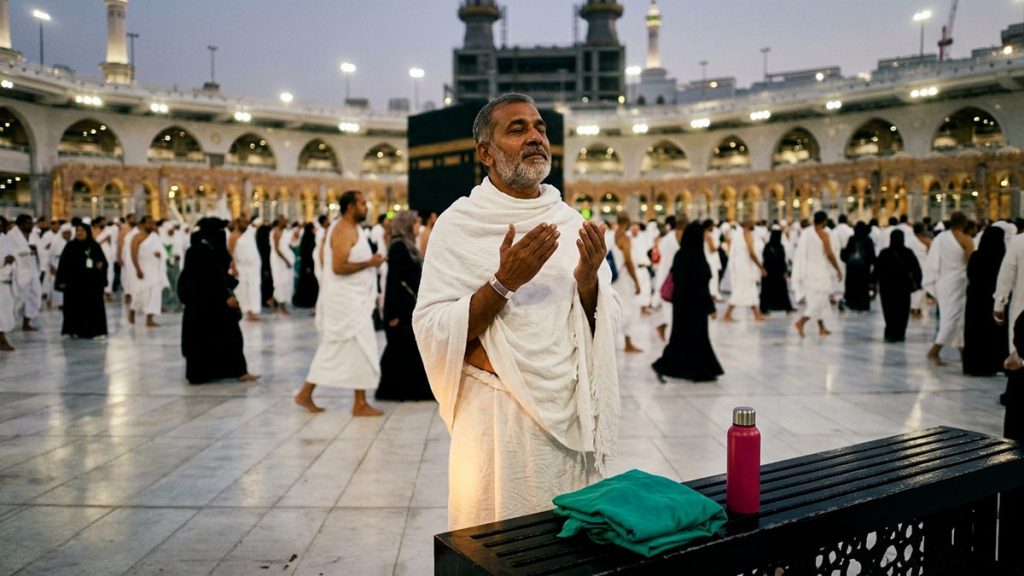
After completing the Hajj, the greatest journey of worship in the life of a believer, the pilgrim prepares to return home transformed, carrying the hope that their pilgrimage has been accepted. The Prophet Muhammad (pbuh) recited a beautiful supplication when returning from the Hajj and from his journeys, declaring himself returning, repentant, worshipping and praising his Lord. The dua after completing Hajj is this supplication of return, marking the end of the pilgrimage with gratitude, repentance and the praise of Allah. After days of intense worship at the sacred sites, the believer reaches the end of the journey weary in body but renewed in spirit, ready to carry home everything the Hajj has given them.
آيِبُونَ تَائِبُونَ عَابِدُونَ لِرَبِّنَا حَامِدُونَ
Āyibūna tā’ibūna ‘ābidūna li rabbinā hāmidūn.
“We return, repentant, worshipping, and praising our Lord.”
The completion of the Hajj is a moment of immense gratitude, for the believer has fulfilled one of the pillars of Islam and stood among the pilgrims at the holiest sites on earth. As they return, the believer reflects on the mercy of Allah that allowed them to complete the journey, and resolves to carry the lessons of the Hajj into the rest of their life. This guide explains the dua after completing Hajj and five things to know about returning, so that the believer may end the greatest journey of worship with gratitude and a firm resolve to let its blessings shape the rest of their days.
An accepted Hajj wipes away sins, so that the pilgrim returns as pure as the day they were born, and the believer prays that Allah has granted them this great mercy. By reciting the supplication of return and resolving to remain steadfast, the believer completes the Hajj in the best way, returning home with a renewed heart, a clean record by the mercy of Allah, and a firm determination to hold onto the devotion the pilgrimage awakened. The true measure of a Hajj is not seen in the days of the pilgrimage alone, but in the months and years that follow, in a believer who prays more, gives more, and lives more conscious of Allah than they did before they set out.
The Supplication of Return
When the Prophet (pbuh) returned from the Hajj, the Umrah, or any journey, he would recite the beautiful words quoted above, declaring himself and those with him to be returning, repentant, worshipping and praising their Lord. Each word captures a state the believer hopes to carry home from the pilgrimage: returning to their life renewed, repentant of their sins, devoted in worship, and grateful in praise of Allah. It is a perfect supplication to mark the completion of the Hajj. The four states it names are exactly what a pilgrimage should produce in the believer: a return that is not to the old life but to a renewed one, a heart that has turned away from sin, a soul devoted to the worship of Allah, and a tongue that overflows with His praise. To return in this state is the very purpose of the journey, and the believer who recites these words sincerely is declaring the change they hope the pilgrimage has worked in them.
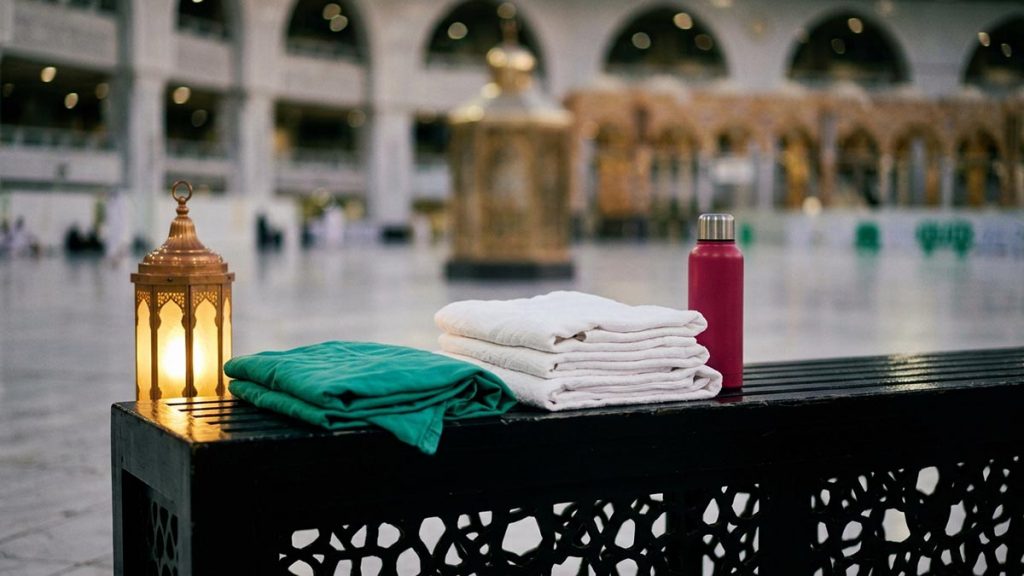
The full supplication of the Prophet (pbuh) on returning began with the declaration of the oneness of Allah and His power over all things, and affirmed that Allah fulfilled His promise, aided His servant, and alone defeated the opposing forces. By reciting these words, the believer ends the pilgrimage as they should, acknowledging the help of Allah throughout the journey and returning with a heart turned to Him. The dua after completing Hajj carries this beautiful tradition of the Prophet (pbuh). To end the greatest journey of worship with these words is to acknowledge that it was Allah who made the journey possible from beginning to end, and that every ease along the way was a gift from Him and not the achievement of the pilgrim.
آيِبُونَ تَائِبُونَ عَابِدُونَ لِرَبِّنَا حَامِدُونَ
Ayibuna ta’ibuna ‘abiduna li Rabbina hamidun
We return repentant worshipping and praising
Returning Cleansed of Sin
The Prophet (pbuh) gave the believers great glad tidings about the accepted Hajj, teaching that whoever performs the Hajj for the sake of Allah and avoids sin and wrongdoing during it returns free of sins, as pure as the day their mother gave birth to them. This astonishing mercy means that the accepted Hajj wipes the slate clean, giving the believer a fresh start in their relationship with Allah. The pilgrim returns home hopeful of this great forgiveness. The image the Prophet (pbuh) used, of returning as pure as a newborn child, is among the most beautiful in all the teachings about the Hajj, for it promises a complete fresh start to the one whose pilgrimage Allah accepts.
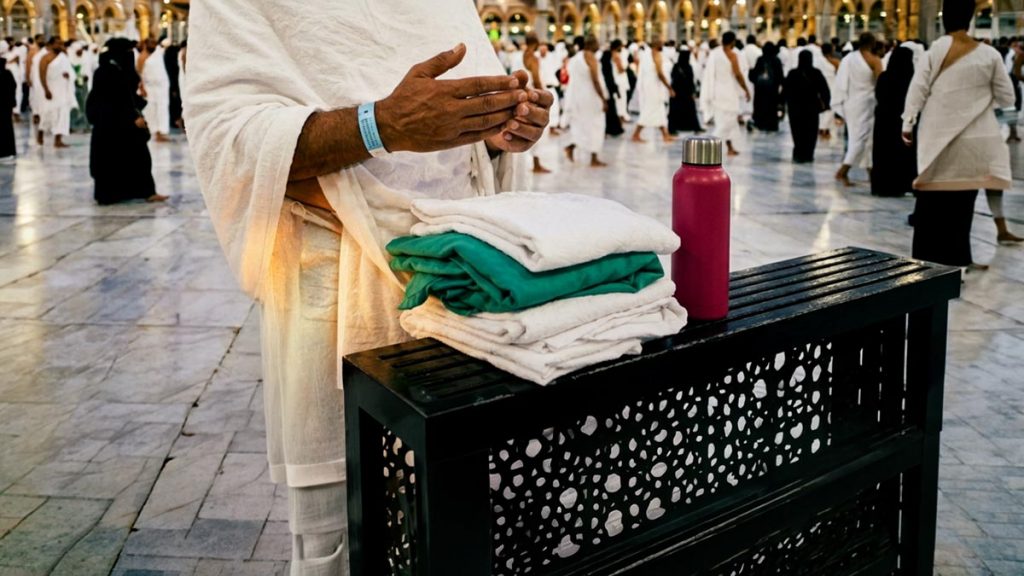
Because the accepted Hajj brings such complete forgiveness, the believer prays earnestly that their pilgrimage has been accepted and resolves to protect the purity they have gained. Returning cleansed of sin is a precious gift, and the believer guards it by holding onto the worship and good character the Hajj nurtured, avoiding a return to old sins. The dua after completing Hajj reflects this hope, as the believer returns repentant and devoted, praying that Allah has accepted their journey. The pilgrim who guards this purity protects something precious, for it would be a great loss to return cleansed of every sin only to fall back into old habits within days of reaching home. The wise pilgrim therefore makes practical resolutions before returning, deciding which good deeds to keep and which old sins to abandon, so that the purity of the Hajj is guarded rather than quickly squandered.
Carrying the Hajj into Life
The Hajj is not meant to be an isolated event, but a turning point that transforms the rest of the believer’s life. Allah commands that the believers remember Him abundantly after completing the rites of the Hajj, even more than they remember their forefathers, showing that the remembrance of Allah should continue long after the pilgrimage ends. The believer carries the devotion of the Hajj home, keeping Allah in their heart and on their tongue. The danger after any great act of worship is that the believer slowly drifts back into heedlessness, and so Allah commands continued remembrance, that the light of the Hajj might not fade but grow brighter in the days and years that follow.
The lessons of the Hajj are many: the equality of all people before Allah, the importance of patience and sacrifice, and the reality of standing before Allah on the Day of Judgement, foreshadowed by the standing at Arafat. The believer reflects on these lessons and lets them reshape their life, becoming more devout, more humble, and more conscious of Allah. The dua after completing Hajj begins this lifelong change, as the believer returns resolved to live by what the pilgrimage taught. Of all its lessons, the standing at Arafat leaves the deepest mark, for there the pilgrim sees in miniature the gathering of the Day of Judgement, when all of humanity will stand before Allah, and the memory of that day reshapes how the believer lives once they return home.
فَإِذَا قَضَيْتُمْ مَنَاسِكَكُمْ فَاذْكُرُوا اللَّهَ
Fa’idha qadaytum manasikakum fadhkurullah
Remember Allah abundantly after the rites
Five Things to Know About Returning
Returning from the Hajj is a moment of gratitude and resolve. These five things help the believer complete the pilgrimage well and carry its blessings home into the rest of their life.
- Recite the supplication of return, declaring yourself returning, repentant, worshipping and praising Allah.
- An accepted Hajj returns the believer free of sins, as pure as the day they were born.
- Resolve to protect the purity gained, holding onto worship and avoiding a return to old sins.
- Remember Allah abundantly after the Hajj, as He commands the believers to do.
- Carry the lessons of the Hajj into life, letting it reshape your devotion and character.
Returning to our life with hearts renewed in faith
Returning Home Transformed
The dua after completing Hajj marks the end of the pilgrimage with gratitude, repentance and praise, as the believer returns home transformed. By reciting the supplication of return, praying to return cleansed of sin, resolving to protect the purity gained, remembering Allah abundantly, and carrying the lessons of the Hajj into life, the believer completes the pilgrimage in the best way. The Prophet (pbuh) returned declaring himself repentant and praising his Lord, and the believer follows him, returning with a renewed heart and a firm resolve.

This supplication pairs naturally with the dua for accepting Hajj and the farewell tawaf dua. Together they help the believer complete the Hajj with gratitude and the hope of acceptance.
When the Prophet (pbuh) returned from the Hajj, he declared himself returning, repentant, worshipping and praising his Lord. Learn the duas of Hajj with us on YouTube, where the supplications are recited aloud, on Instagram for a reminder of returning transformed, and on LinkedIn where readers share their journey home from the pilgrimage.
Frequently Asked Questions
The dua after completing Hajj is the supplication of return: Ayibuna taibuna abiduna li rabbina hamidun, we return, repentant, worshipping, and praising our Lord. The Prophet (pbuh) recited it when returning from the pilgrimage.
It is recited when returning from the Hajj, the Umrah, or any journey. The Prophet (pbuh) would say it on his way home, marking the completion of the journey with repentance and the praise of Allah.
The Prophet (pbuh) taught that whoever performs the Hajj for the sake of Allah and avoids sin during it returns free of sins, as pure as the day their mother gave birth to them. The accepted Hajj wipes the slate clean.
Resolve to protect the purity gained by holding onto worship and good character and avoiding a return to old sins. Remember Allah abundantly after the Hajj, as He commands, and carry its lessons into your life.
Allah commands the believers to remember Him abundantly after completing the rites of the Hajj, even more than they remember their forefathers, showing that the remembrance of Allah should continue long after the pilgrimage ends.
The Hajj should be a turning point that reshapes the rest of life, teaching the equality of all people before Allah, patience and sacrifice, and the reality of standing before Allah. The believer returns more devout, humble and conscious of Allah.