
Farewell Tawaf Dua
5 Things to Know About the Final Circuit
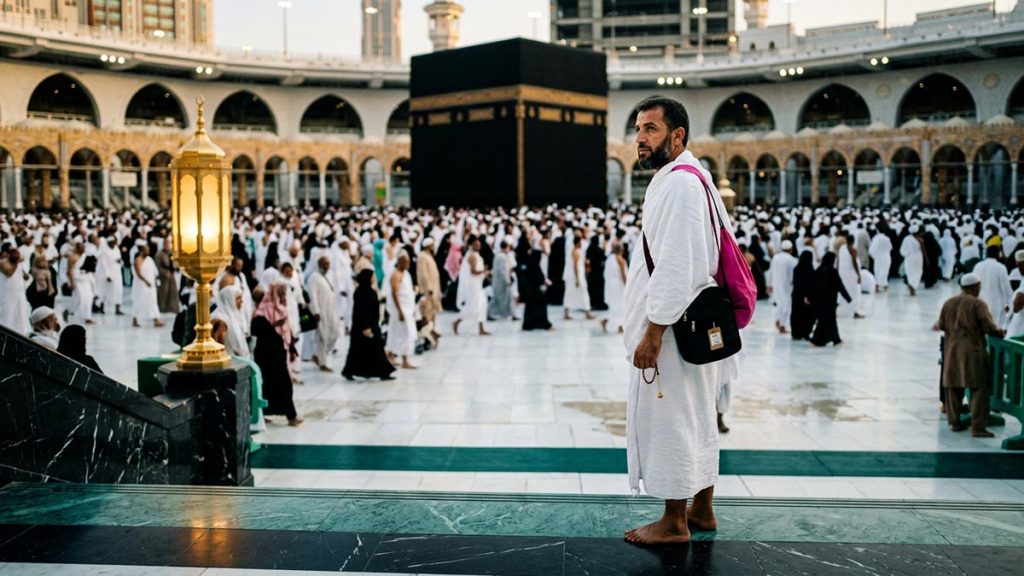
The farewell tawaf is the final rite of the Hajj, a last circuit around the Kaaba performed just before the pilgrim departs from Makkah, bidding farewell to the sacred house. The Prophet Muhammad (pbuh) commanded that the pilgrim make their last act before leaving be the tawaf of the House, so that the farewell tawaf became the closing rite of the pilgrimage. The Farewell Tawaf Dua fills this final circuit with supplication and the praise of Allah, as the believer says goodbye to the House they may long to return to. This final rite gives the pilgrim a way to part well, turning what could be a sorrowful goodbye into a last and beautiful act of worship and a sincere prayer of hope.
لَا يَنْفِرَنَّ أَحَدٌ حَتَّى يَكُونَ آخِرُ عَهْدِهِ بِالْبَيْتِ
Lā yanfiranna ahadun hattā yakūna ākhiru ‘ahdihi bil-bayt.
“None of you should depart until his last covenant is with the House.”
Leaving the sacred house is a moment of deep emotion for the pilgrim, who has worshipped at the holiest place on earth and now must depart. As they perform the farewell tawaf, the believer pours out their heart to Allah, thanking Him for the pilgrimage, asking Him to accept it, and praying to be allowed to return. This guide explains the Farewell Tawaf Dua and five things to know about the final circuit that closes the Hajj, so that the pilgrim may bid farewell to the sacred house in the way the Prophet (pbuh) taught, departing the sacred house with a heart that is full of gratitude and hope.
The farewell tawaf is a beautiful and fitting end to the journey of pilgrimage, ensuring that the last memory of the pilgrim is the sacred house and their last act an act of worship. By filling the final circuit with supplication and gratitude, the believer departs Makkah with a heart still turned to Allah, carrying the blessings of the Hajj home and holding onto the hope that Allah will accept their pilgrimage and bring them back to His house once more. The sacred house leaves a lasting imprint on the heart, and many who perform the farewell tawaf find that the longing to return stays with them for the rest of their lives.
The Command of the Final Rite
The Prophet (pbuh) established the farewell tawaf as the closing rite of the Hajj, commanding in the words quoted above that none should depart until their last covenant is with the House. This means that the very last act the pilgrim performs in Makkah, before setting out on their journey home, should be a tawaf around the Kaaba. By this command, the Prophet (pbuh) ensured that the pilgrimage ends where its central rites took place, at the sacred house of Allah. There is a deep fittingness in this, for the journey that began with the longing to reach the House should also end with the House, so that it frames the whole pilgrimage from the first sight to the last farewell.
The farewell tawaf is performed like any other tawaf, seven circuits around the Kaaba, but it carries a special weight as the final act of the Hajj and the pilgrim’s farewell to the House. After completing it, the pilgrim departs Makkah, taking with them the memory of the sacred house as their last sight of the journey. The Farewell Tawaf Dua fills this final circuit with the supplication and gratitude that befit such a moment of parting. Unlike the earlier rites, which look forward with hope, this last tawaf looks back with thankfulness, gathering up all the blessings of the long journey into one final and heartfelt act of love for the House of Allah.
لَا يَنْفِرَنَّ أَحَدٌ حَتَّىٰ يَكُونَ آخِرُ عَهْدِهِ بِالْبَيْتِ
La yanfiranna ahadun hatta yakuna akhiru ‘ahdihi bil-bayt
Let your last covenant be with the sacred House
A Heartfelt Farewell to the House
The farewell tawaf is one of the most emotional moments of the Hajj, for the pilgrim is bidding goodbye to the holiest place on earth, uncertain whether they will be granted to return. As they circle the Kaaba for the last time, the believer pours out their heart to Allah, thanking Him for the immense blessing of the pilgrimage, asking Him to accept their worship, and praying to be brought back to His house again. The tears of parting often flow in this final circuit. Many pilgrims describe the farewell tawaf as the most moving moment of the entire Hajj, harder even than the long days of the pilgrimage, for the heart has grown so deeply attached to the sacred house that leaving it can feel like leaving a beloved behind.
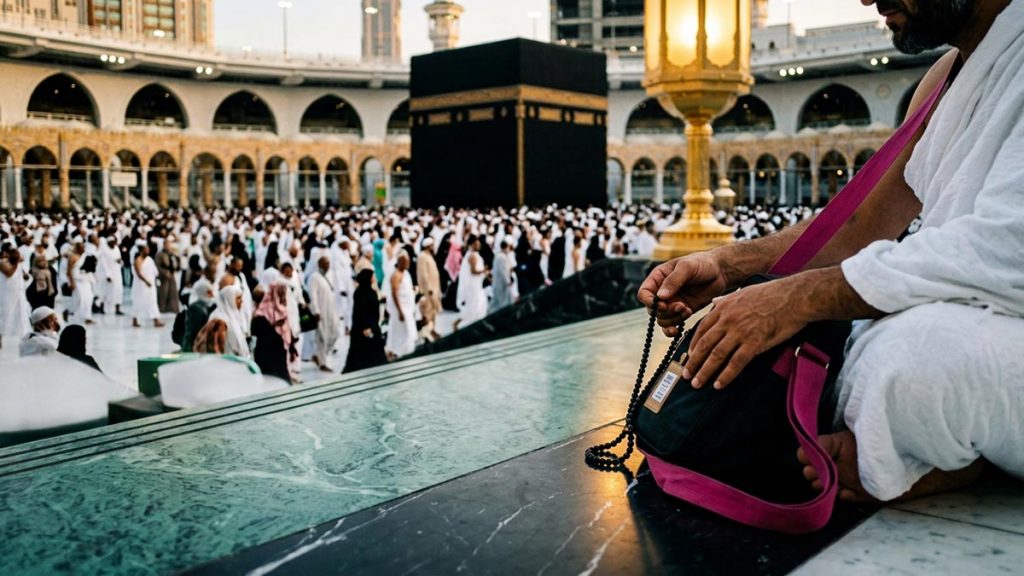
There is no single fixed wording for the farewell tawaf, so the pilgrim supplicates freely, expressing their love for the sacred house and their longing to return. They may ask Allah for the good of this life and the next, seek forgiveness, and pray for their families and the whole community of believers. The Farewell Tawaf Dua thus becomes deeply personal, a heartfelt conversation with Allah as the believer prepares to leave His house behind. The freedom to choose the words is a mercy, for it allows the pilgrim to say exactly what is in their heart at a moment too full for any fixed formula, pouring out their love, their gratitude, and their longing to return.
اللَّهُمَّ لَا تَجْعَلْهُ آخِرَ الْعَهْدِ بِبَيْتِكَ
Allahumma la taj‘alhu akhiral-‘ahdi bibaytik
O Allah do not make this my last visit to Your House
Departing with Gratitude
As the pilgrim departs Makkah after the farewell tawaf, they carry with them a heart full of gratitude for the journey Allah allowed them to complete. The Hajj is a once in a lifetime obligation for many, and to have stood at Arafat, circled the Kaaba, and walked between Safa and Marwah is an immense favour from Allah. The believer leaves the sacred house thanking Allah for this blessing and resolving to honour it for the rest of their life. To have answered the call of Allah, journeyed to His house, and stood at the holiest sites on earth is a favour that few are granted, and the believer who departs with this deep awareness carries away a gratitude that colours the whole of their remaining days.
Departing with gratitude also means leaving with hope, the hope that Allah has accepted the pilgrimage and will reward it, and the hope of returning to His house once more. The believer does not leave in despair at the parting, but in trust that the same Allah who brought them to the sacred house is able to bring them back. The Farewell Tawaf Dua expresses this gratitude and hope, ending the pilgrimage on a note of thankfulness and longing. The believer who leaves in this spirit does not grieve as one who has lost something, but departs as one who has been richly given, trusting that the Lord who summoned them to His house holds the power to summon them again.
الْحَمْدُ لِلَّهِ الَّذِي بَلَّغَنَا بَيْتَهُ الْحَرَامَ
Alhamdu lillahil-ladhi ballaghana baytahul-haram
All praise to Allah who brought us to His sacred House
Five Things to Know About the Final Circuit
The farewell tawaf closes the Hajj on a note of devotion. These five things help the believer perform the final circuit well and bid farewell to the sacred house with gratitude and hope.
- It is the last rite of the Hajj, commanded by the Prophet (pbuh) as the final act before leaving Makkah.
- It is performed like any tawaf, seven circuits around the Kaaba, before the pilgrim departs.
- There is no fixed wording, so the pilgrim supplicates freely, bidding farewell to the sacred house.
- It is a moment of gratitude and longing, as the believer prays to be brought back to the House.
- It ensures the last act of the pilgrim in Makkah is an act of worship at the Kaaba.
Leaving with a Heart Still Turned to Allah
The Farewell Tawaf Dua fills the final circuit with supplication and gratitude, as the believer bids farewell to the sacred house with a heart still turned to Allah. By understanding that it is the last rite of the Hajj, performing it like any tawaf, supplicating freely in farewell, departing with gratitude and longing, and ensuring the last act is worship at the Kaaba, the believer closes the pilgrimage in the best way. The Prophet (pbuh) commanded that the last covenant be with the House, and the believer leaves Makkah carrying its blessings home.
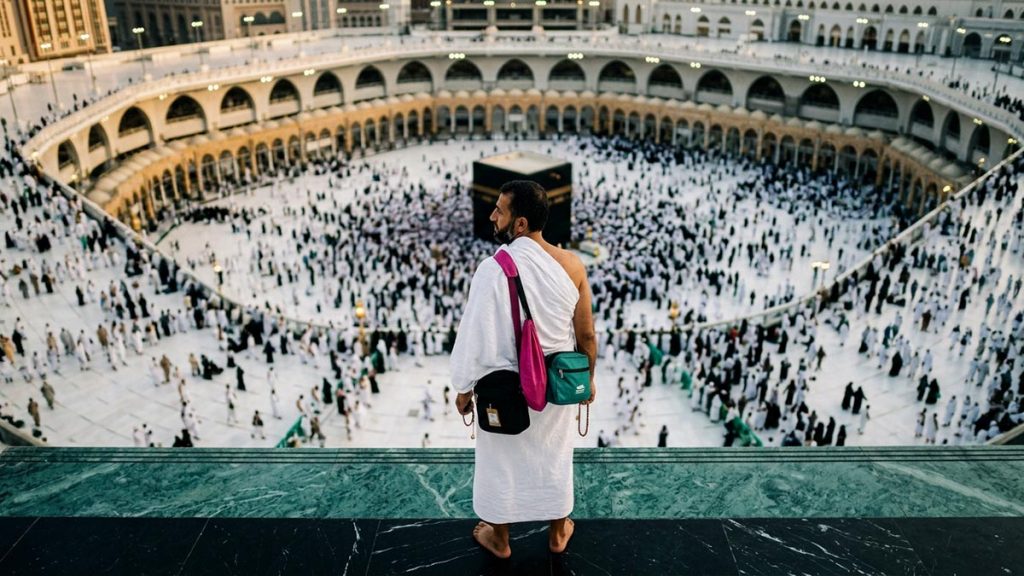
This supplication pairs naturally with the dua after completing Hajj and the dua for accepting Hajj. Together they help the believer complete the pilgrimage with gratitude and the hope of acceptance.
The farewell tawaf is the last rite of the Hajj, ensuring the pilgrim’s final act is worship at the Kaaba. Learn the duas of Hajj with us on YouTube, where the supplications are recited aloud, on Instagram for a reminder of the final circuit, and on Threads where readers share their farewell to the sacred house.
Frequently Asked Questions
The Farewell Tawaf Dua is the supplication of the final circuit around the Kaaba before leaving Makkah. There is no fixed wording, so the pilgrim supplicates freely, bidding farewell to the sacred house and praying to return.
The farewell tawaf is the last rite of the Hajj, a final tawaf around the Kaaba performed just before the pilgrim departs from Makkah. The Prophet (pbuh) commanded that the last act in Makkah be the tawaf of the House.
Because the Prophet (pbuh) commanded that none should depart until their last covenant is with the House, ensuring the pilgrimage ends where its central rites took place and the last act of the pilgrim is worship at the Kaaba.
There is no single fixed wording, so the pilgrim supplicates freely. The believer thanks Allah for the pilgrimage, asks Him to accept it, expresses their love for the sacred house, and prays to be brought back to it.
Because the pilgrim is bidding goodbye to the holiest place on earth, uncertain whether they will return. As they circle the Kaaba for the last time, the believer pours out their heart to Allah, and the tears of parting often flow.
The believer thanks Allah for the blessing of the pilgrimage, asks Him to accept their worship, prays to be brought back to His house, and asks for the good of this life and the next for themselves and the community of believers.